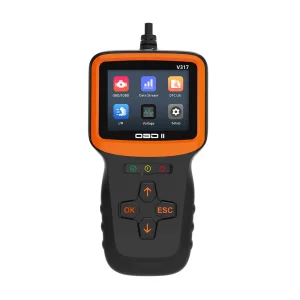
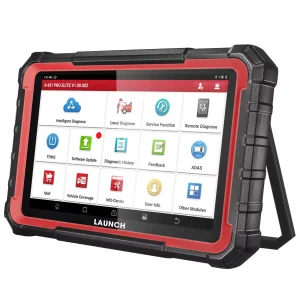
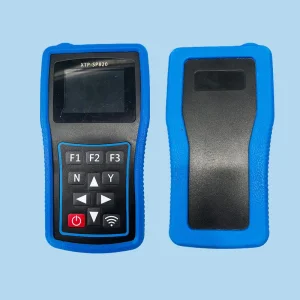
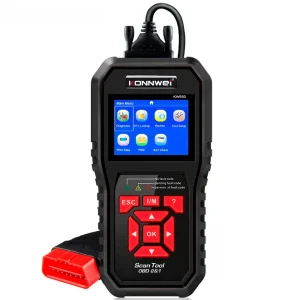
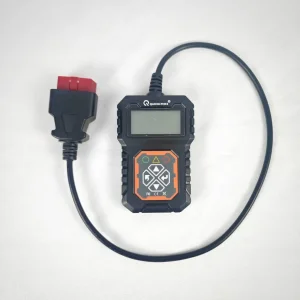
Automotive Scan Tool Supplier & Suppliers

Global Enterprise Diagnostic Architecture, High-Gain Technical Performance, and Certified Shenzhen OEM/ODM Engineering Excellence

The Paradigm Shift in Vehicle Diagnostic Architecture

The global automotive aftermarket has transitioned from simple, localized microcontroller reading architectures to integrated cloud-native computing networks. Historically, an automotive scan tool served primarily to read Diagnostic Trouble Codes (DTCs) over basic SAE J1850 or ISO 9141 bus systems. In the current automotive landscape, a modern vehicle operates as a distributed network of software-defined Electronic Control Units (ECUs), interconnected via high-speed Controller Area Networks (CAN), CAN-FD (Flexible Data-Rate), and Automotive Ethernet (DoIP - Diagnostics over Internet Protocol).

Professional B2B buyers—ranging from multi-site diagnostic workshops to wholesale distributors and fleet service coordinators—are no longer merely seeking code readers. They demand sophisticated, high-performance systems capable of performing advanced bidirectional actuator tests, complex ECU coding, parameter adjustments, and secure gateway access. This operational necessity drives the demand for specialized diagnostic manufacturers who offer reliable hardware coupled with robust, continuously updated vehicle coverage protocols.

10+
Languages Supported
99%
Vehicle Compatibility
2 Years
Free System Updates
ISO9001
Certified Production

Shenzhen Kore Auto Co., Ltd.: Global Manufacturing & Supply Chain Authority

Shenzhen Kore Auto Co., Ltd. stands as a preeminent China automotive diagnostic tools manufacturer, specializing in the end-to-end design, development, high-precision manufacturing, and global logistics supply of advanced vehicle diagnostic solutions. Our facilities are located in the heart of Shenzhen's hardware and electronics ecosystem, allowing us to leverage rapid prototyping, advanced component sourcing, and integrated testing facilities.

Our product development pipelines are driven by modern technological developments, particularly targeting the emerging demands of electric vehicles (EV) and connected vehicles. Kore Auto’s engineering departments maintain direct focus on key technology areas, ensuring every scanner produced satisfies international validation tests. Our robust catalog covers:

Advanced OBD2 & CAN-FD Scanners

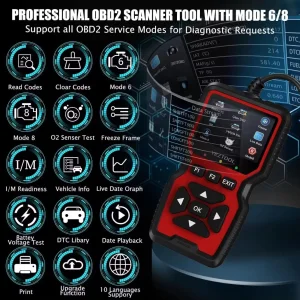
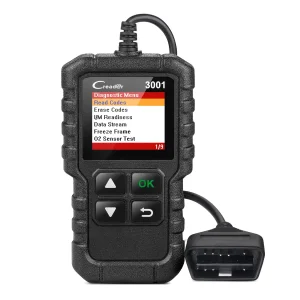
Engineered for high data throughput, offering bidirectional active tests, live sensor graphing, and comprehensive diagnostic trouble code isolation across multiple vehicle sub-systems.

ECU Programming & Coding Interfaces

Supporting standard J2534, DoIP, and RP1210 protocols to allow workshop technicians to re-flash control modules and program vehicle immobilizers and replacement keys.

TPMS Systems & ADAS Calibration

Complete solutions for tire pressure sensor activation, programming, relearn cycles, and target calibrations required for advanced driver-assistance systems.

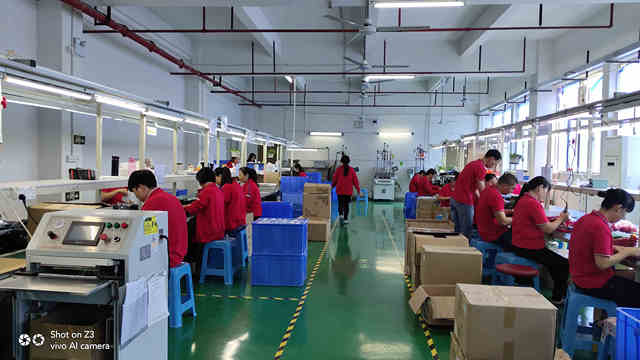
Every scanner in our production lines is subject to stringent verification processes. From SMT circuit assembly to thermal cycling, vibration resilience, drop testing, and software reliability, we guarantee that our products perform reliably in harsh garage and workshop environments.

Localization, Regulatory Compliance, and Global Distribution

Operating as an automotive scan tool supplier on a global scale requires deep alignment with regional standards, compliance policies, and technical regulations. Different markets maintain specific mandates governing vehicle diagnostics, software communication, and diagnostic access.

North American Regulatory Alignment: Full compliance with EPA OBD regulations, California Air Resources Board (CARB) mandates, and SAE J1979 protocols to verify vehicle emissions and diagnostic accuracy.
European Market Compliance: Adherence to Euro 5/6 OBD regulations, EOBD standards, CE, RoHS, and WEEE requirements. Integrated support for vehicle-manufacturer specific Secure Gateway (SGW) systems, including FCA, Renault, and Mercedes-Benz architectures, ensuring seamless aftermarket diagnostic clearance.
Multi-Language Interface Capabilities: Enabling high diagnostic penetration in diverse countries by integrating 10+ operational languages, including English, Spanish, French, German, Portuguese, Russian, Japanese, Italian, Chinese, and Arabic.

Furthermore, our engineering teams ensure that all data buses are protected by robust overvoltage, current, and ESD protection circuits, maintaining device longevity when interfacing with unstable automotive electrical systems.

Future Trends: EVs, High-Speed Connectivity, and Remote Cloud Diagnostics

The automotive sector is experiencing a rapid transition toward electric mobility and intelligent networking. Traditional internal combustion engine diagnostic architectures are expanding to integrate structural parameters for battery management systems (BMS), high-voltage isolation analysis, electric motor controllers, and thermal management loops. This evolution drives the growth of next-generation diagnostic tools that support:

Feature Category Legacy Diagnostic Tooling Modern Advanced Scan Tools Next-Gen EV & ADAS Platforms
Communication Protocol ISO 9141, K-Line, standard CAN CAN-FD, High-Speed CAN DoIP, Automotive Ethernet, J2534 Pass-thru
Data Acquisition Slow poll, low-speed graphical tracking Multi-channel real-time parameter logging Cloud-linked streaming telemetry, 3D visualizations
EV/HEV Battery Analysis Unsupported Basic battery state of health (SoH) metrics Cell-level voltage analysis, insulation testing, thermal mapping
ADAS Compatibility Unsupported Static sensor calibrations Dynamic and static ADAS alignment & camera calibrations
Update Delivery Manual USB, desktop clients Wi-Fi firmware over-the-air updates Continuous real-time OTA software patches

To capture these opportunities, Shenzhen Kore Auto develops diagnostic solutions incorporating high-voltage security checks, pre- and post-repair scanning protocols, cloud-based report storage, and wireless VCI (Vehicle Communication Interface) transceivers, delivering optimal convenience and security to the modern technician.

Manufacturing Infrastructure & Quality Control Systems

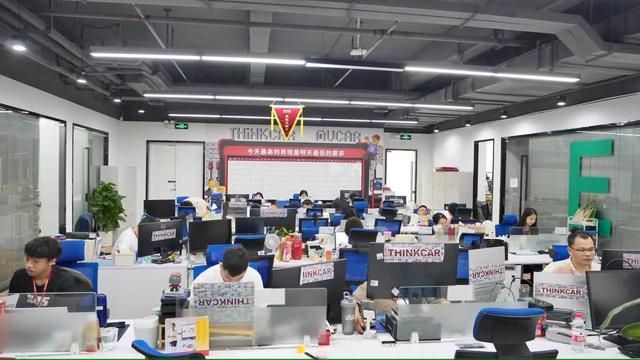
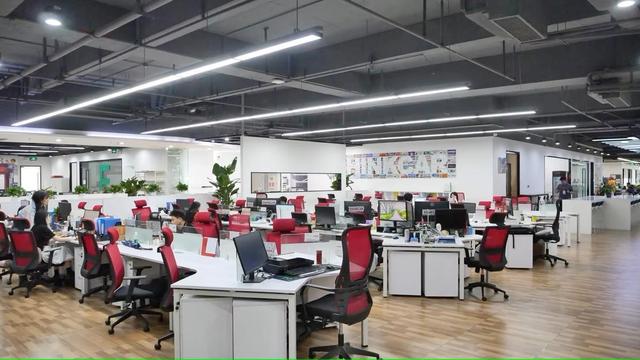
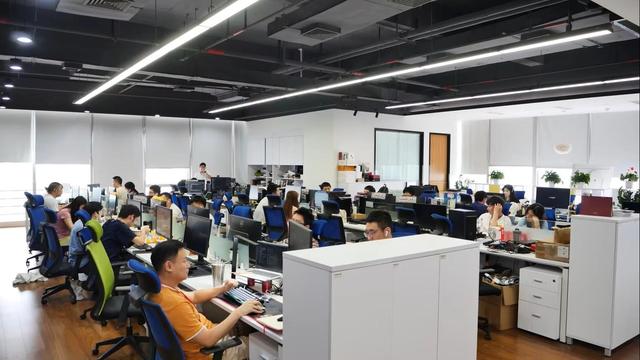
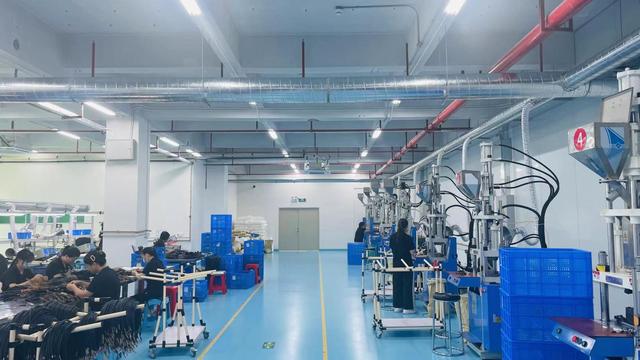
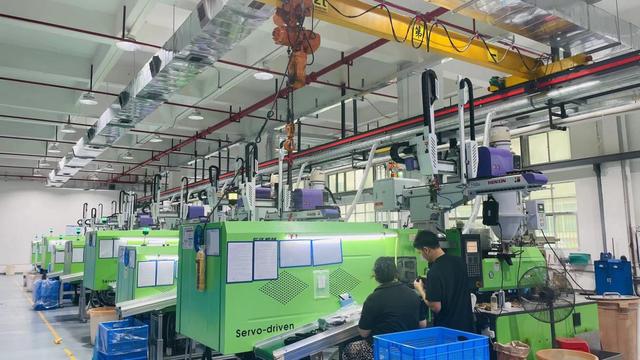
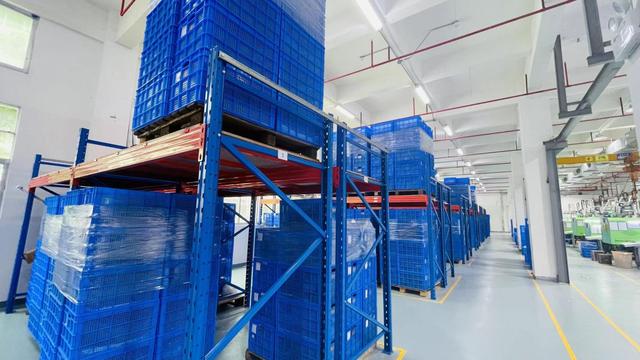
Our state-of-the-art Shenzhen factory operates strictly under the ISO9001 and IATF 16949 quality frameworks. By maintaining control over the entire production cycle—from SMT mounting to circuit soldering, casing molding, final assembly, and system validation—we ensure high levels of performance, structural durability, and functional accuracy.
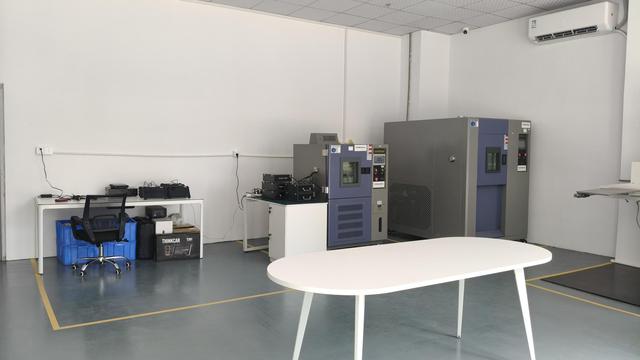
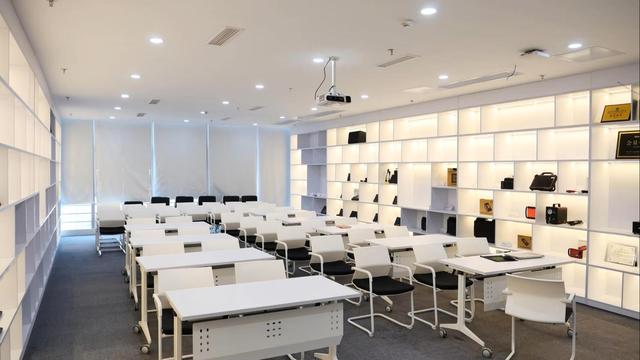
Production Area 1
Testing Division 2
SMT Assembly Line 3
QC Inspection Department 4
Component Warehouse 5
Assembly Workshop 6
Automated Soldering Station 7
Development Testing Lab 8
Packaging Facility 9
Product Calibration Room 10
Final Quality Check Area 11

B2B Procurement Guidelines for Global Importers and Distributors

For global importers, buying agents, and brand owners, choosing the right manufacturer of diagnostic equipment requires assessing production flexibility, technical integration, and post-sales support. Procurement teams should prioritize:

1. Firmware Stability and Development Support Ensure hardware architectures support updating protocols to cover newer vehicle models. Secure a direct OEM/ODM roadmap for MCU firmware and operating system expansions.
2. Interface Customization (OEM/ODM Solutions) Select a supplier offering customized diagnostic software configurations, localized user manuals, and OEM outer-casing printing to support brand recognition.
3. Robust Technical Support & Repair Infrastructure Verify the presence of a dedicated engineering support team capable of resolving software compatibility bugs, providing prompt diagnostic updates, and supplying repair parts.

At Shenzhen Kore Auto, we provide complete engineering backing to our distribution networks, offering white-label configuration, reliable warranties, and direct developer communication channels to secure our partners' market advantages.

Frequently Asked Questions (FAQ) - Vehicle Diagnostic Industry

What is the difference between a standard OBD2 code reader and a bidirectional scan tool?
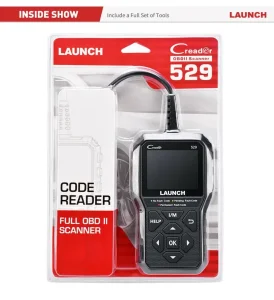
A standard OBD2 code reader can only retrieve and clear diagnostic trouble codes (DTCs) and view live data. A bidirectional scan tool can send active commands to specific automotive actuators (like fuel pumps, ABS valves, injectors, and cooling fans) to verify component operation directly.
Why are CAN-FD and DoIP protocols critical for modern automotive scan tools?
Modern passenger vehicles utilize advanced network architectures requiring higher bandwidth and faster data transfer rates. CAN-FD (Flexible Data-rate) and DoIP (Diagnostics over IP) allow high-speed data transmission, enabling deep ECU programming, ECU flashing, and quick full-system scanning for newer models from GM, Ford, BMW, Jaguar, Land Rover, and Volvo.
Do you support OEM and ODM custom production for bulk orders?
Yes, Shenzhen Kore Auto Co., Ltd. provides comprehensive OEM/ODM solutions. We offer customizations including branding, custom mold design, personalized UI and boot animation styling, language integration, and customized operating software to suit specific regional requirements.
How do you handle software and database updates for your scan tools?
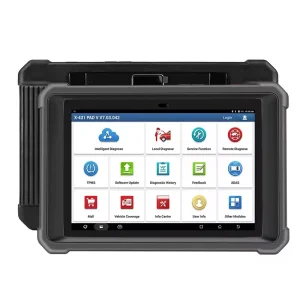
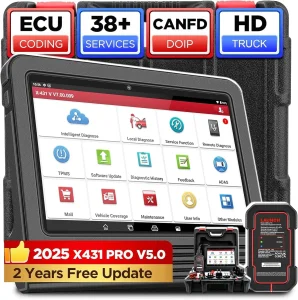
Our products feature built-in Wi-Fi adapters to support Over-The-Air (OTA) software and diagnostic database updates. Many of our professional-level tools, such as the Launch X431 PRO series, come with two years of free updates to maintain pace with newly released vehicles and software optimizations.
Are your diagnostic scanners compatible with newer electric vehicles (EVs)?
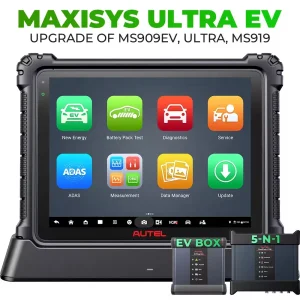
Yes, our latest advanced products (e.g., Maxisys Ultra EV) include specialized diagnostic software for EV, HEV, and PHEV systems. They support testing high-voltage battery modules, BMS configurations, traction motors, and related sub-systems.
What is secure gateway (SGW) access, and is it integrated into your scan tools?
Modern vehicle manufacturers like FCA (Fiat Chrysler Automobiles), Renault, and Mercedes-Benz employ a secure gateway module to prevent unauthorized access via the OBD port. Our scanners integrate licensed SGW access protocols, allowing authorized technicians to execute active testing and service procedures on protected systems.
Do your scanners support key programming and anti-theft system (IMMO) coding?
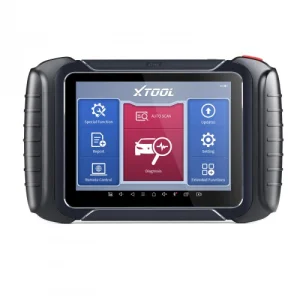
Yes, many of our mid-range to high-end systems (like the Xtool D8 and Launch X431 series) offer dedicated anti-theft key programming capabilities. These include reading transponder pins, clearing lost key codes, and pairing new transponders to the vehicle’s immobilizer control module.
What quality certifications do Kore Auto diagnostic tools possess?
Our manufacturing lines are fully certified under the ISO 9001 and IATF 16949 automotive standards. Individual product designs carry necessary CE, FCC, RoHS, and UKCA marks, ensuring conformity with the technical and ecological regulations of global target markets.
How does your factory control product reliability for rough workshop use?
We subject all production units to rigorous environmental and mechanical stress tests, including multi-axis vibration testing, high-impact drop tests, thermal chambers (-20°C to 60°C), and electrostatic discharge (ESD) protection tests, ensuring maximum reliability under demanding conditions.
What is the standard warranty period, and what does it cover?
Kore Auto provides a standard 12-month manufacturer warranty. This covers any internal electrical defects or software functional failures under normal operating conditions. Technical support and replacement modules are supplied directly by our central support engineering center.
All Automotive Scan Tool Products