As vehicle engineering moves closer toward absolute electrification and autonomous navigation (ADAS Level 3 and beyond), the braking system remains the ultimate fail-safe. Consequently, the demands placed on a brake system diagnostic tool have shifted from simple hydraulic visual checks to complex digital evaluations of electronic control units (ECUs), solenoid valves, wheel speed sensors, and multi-channel system protocols.
Historically, the brake assembly operated as a closed hydraulic loop. Mechanics diagnosed issues by checking pad thickness, visual leaks, or testing brake fluid boiling points. Today's commercial fleets, heavy-duty logistics, and modern passenger vehicles utilize dynamic stability programs, anti-lock braking systems (ABS), regenerative braking loops (common in Hybrid and Electric Vehicles), and Electronic Parking Brakes (EPB). Sourcing from a certified brake system diagnostic tool supplier has transitioned from a workshop convenience to an essential step in maintaining safety compliance and reducing operational downtime.
Modern diagnostic tools facilitate live actuator testing, allowing technicians to manually trigger ABS solenoids. This ensures hydraulic pathways are verified and air is thoroughly purged during system bleeding procedures.
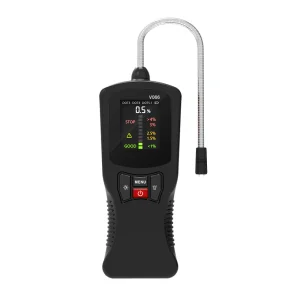
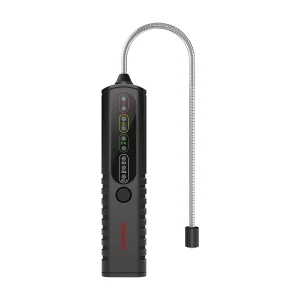
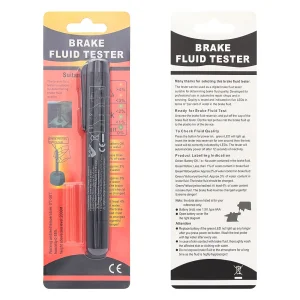
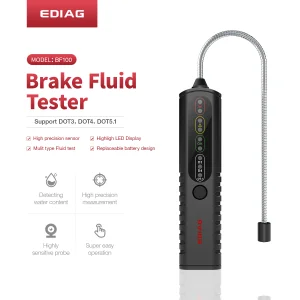
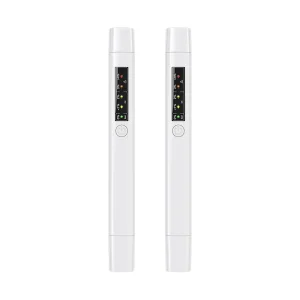
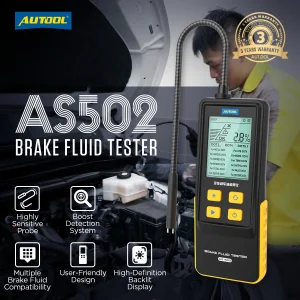
Water absorption in brake fluid degrades the system boiling point, inducing vapor lock under load. Real-time diagnostic sensors (DOT 3, DOT 4, DOT 5.1) dynamically check chemical conductivity and moisture levels to secure safety margins.
For electronic rear brake caliper maintenance, diagnostic tools must issue digital commands to retract the motorized caliper pistons, enabling safe pad installation and post-service system recalibration.
For international buyers—including automotive distributors, heavy fleet managers, tool brand managers, and large-scale workshop operators—identifying a top-tier brake system diagnostic tool supplier involves examining more than just base manufacturing costs. It requires verifying supply chain resilience, compliance with strict safety directives (such as CE, FCC, and RoHS certifications), and checking localized diagnostic software capability.
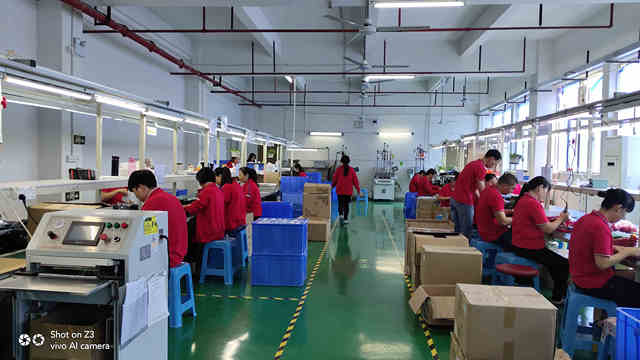
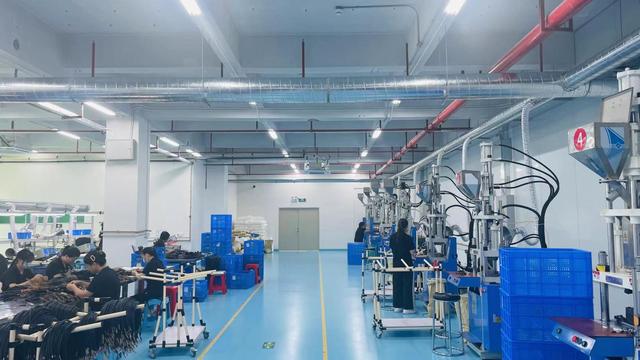
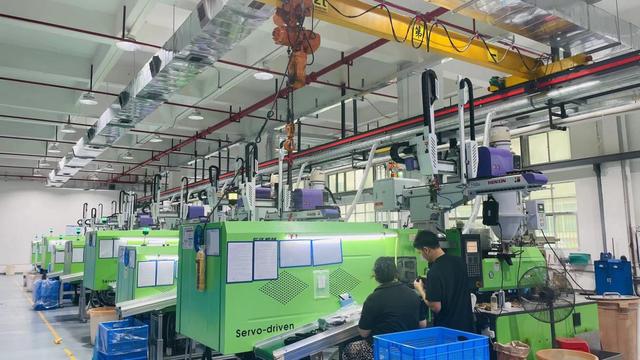
Shenzhen Kore Auto Co., Ltd., as a leading China-based developer, operates at the intersection of high manufacturing efficiency and advanced R&D. China's Factory 4.0 standards integrate automation, precision surface mount technology (SMT), and centralized software flashing to deliver diagnostic tools with consistent quality control and reliable long-term performance.
A reliable brake system diagnostic tool must adapt to different climates, environments, and mechanical service setups. Whether in heavy cold climates where ABS sensors are exposed to road salt and freezing temperatures, or high-humidity regions where brake fluid absorbs moisture rapidly, specialized diagnostic solutions are key to maintaining safety.
Challenge: Heavy-duty logistics fleets must run continuous route schedules. Slipped caliper pistons or moisture-rich brake fluid can lead to catastrophic trailer brake fade on steep descents.
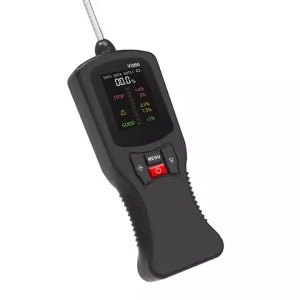
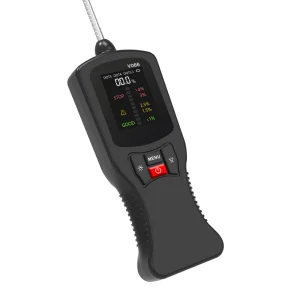
Solution: Standardizing checks with hand-held digital testers like the V066 or BF100 allows fleet mechanics to perform pre-trip fluid checks in under 30 seconds, verifying compliance and system safety.
Challenge: Modern service bays handle a wide range of brands, requiring tools that can toggle between European CAN-bus systems and Asian OBD2 setups to perform EPB service resets and ABS purging.
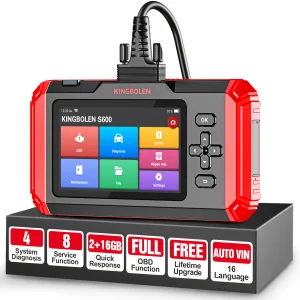
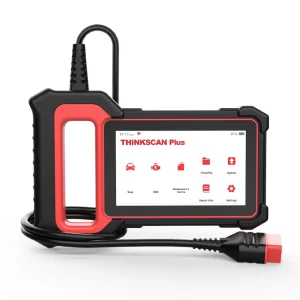
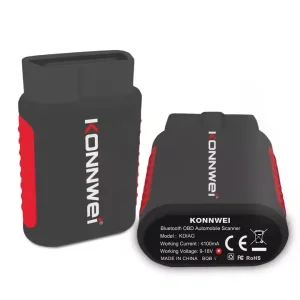
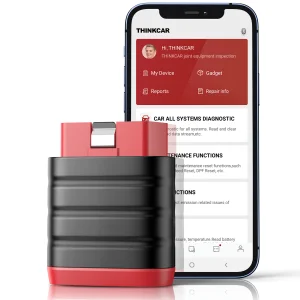
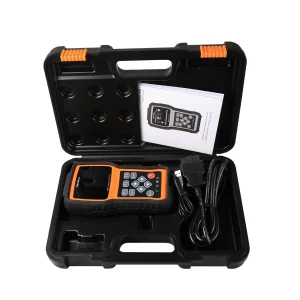
Solution: Multi-system OBD2 scanners like the Kingbolen S600 or Thinkscan Plus S7 enable broad vehicle compatibility, preventing workshops from needing to buy multiple single-brand OEM devices.
Challenge: Tool brands need to launch unique diagnostic equipment lines while avoiding the costly overhead of custom software engineering and industrial hardware design.
Solution: Accessing Shenzhen Kore Auto Co., Ltd.’s comprehensive R&D pipeline provides partners with ready-to-brand hardware, fully certified internal components, and custom-packaged software configurations.
Shenzhen Kore Auto Co., Ltd. is a professional China automotive diagnostic tools manufacturer specializing in the development, production, and global supply of advanced vehicle diagnostic solutions for the automotive aftermarket industry. With extensive experience in automotive electronics and diagnostic technology, Kore Auto is committed to delivering intelligent, reliable, and high-performance diagnostic equipment to customers worldwide.
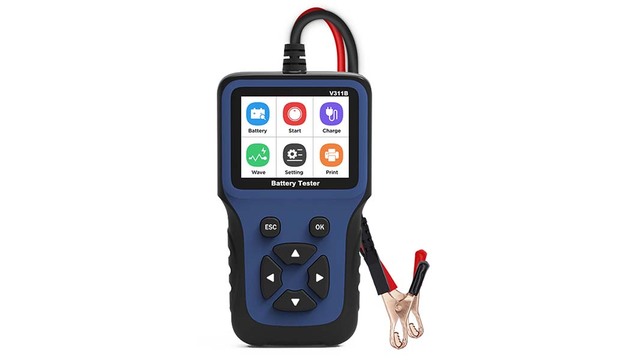
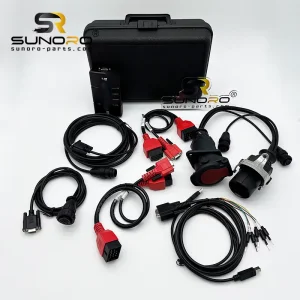
Our comprehensive product portfolio includes automotive diagnostic scanners, OBD diagnostic tools, ECU programming equipment, TPMS diagnostic systems, ADAS calibration equipment, battery testing devices, vehicle inspection systems, automotive oscilloscopes, remote diagnostic platforms, and customized diagnostic solutions. These products are widely used by automotive repair workshops, dealerships, fleet operators, vehicle inspection centers, and maintenance service providers.
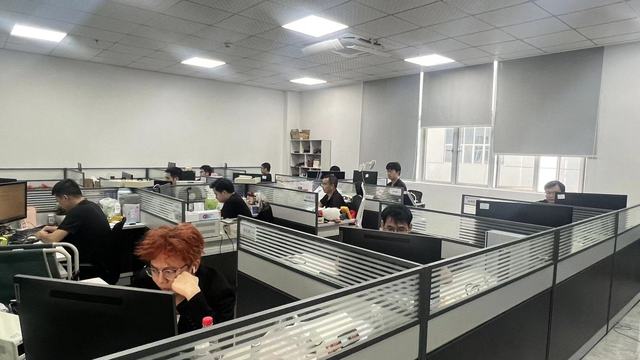
Driven by innovation, Shenzhen Kore Auto continuously invests in research and development to keep pace with the rapidly evolving automotive industry, including electric and connected vehicles. Our experienced engineering team develops cutting-edge diagnostic technologies featuring comprehensive vehicle coverage, fast data processing, intelligent fault analysis, wireless connectivity, and user-friendly software interfaces.
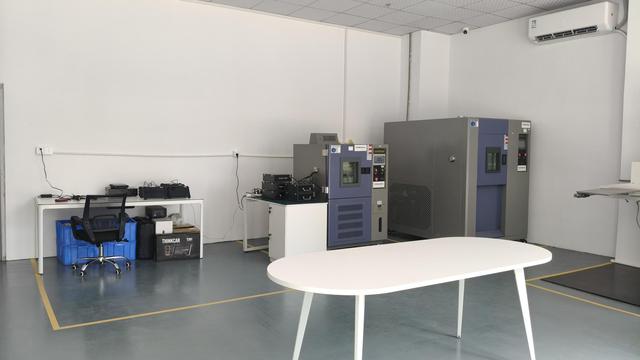
Quality and reliability are fundamental to our success. Every product is manufactured under strict quality control standards and undergoes rigorous testing procedures to ensure stable performance, accuracy, and durability in demanding workshop environments. We also provide flexible OEM and ODM services, helping customers develop customized automotive diagnostic products tailored to specific market requirements.
Serving customers throughout Europe, North America, South America, Asia, the Middle East, and Africa, Shenzhen Kore Auto Co., Ltd. has established long-term partnerships with distributors, automotive service providers, and industry professionals worldwide.




Brake fluid is hygroscopic, meaning it continuously absorbs ambient moisture through micro-pores in rubber brake lines. When moisture levels exceed 3%, the boiling point of the brake fluid drops drastically. Under continuous heavy braking, this moisture can turn into gas pockets, creating a compressible gas within the hydraulic circuit—this is known as vapor lock and can lead to sudden brake failure.
Ensure the supplier supports modern communication protocols such as J2534, CAN FD, and DoIP. These protocols are necessary for working with newer electric vehicle platforms and secure gateway systems (SGW). Additionally, verify that the manufacturing partner provides regular, lifetime firmware updates to stay compatible with new vehicles entering the market.
If air gets trapped inside the ABS valve block or modulator during a line replacement, standard manual bleeding won't clear it. An advanced diagnostic scanner must run automated solenoid test sequences to actively pulse the internal valves, releasing trapped air pockets back into the main hydraulic lines for a complete purge.
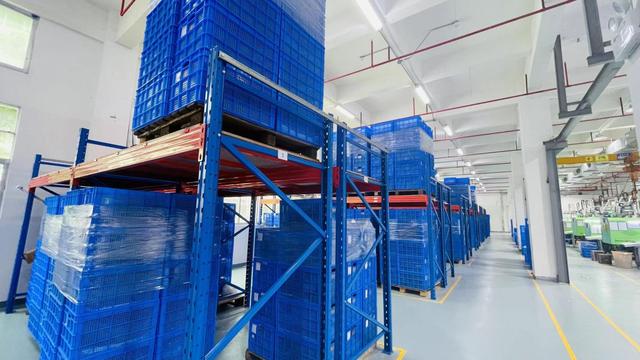
Our production facilities utilize calibrated reference test loops to verify every diagnostic unit before dispatch. We cross-verify sensor voltage inputs, fluid measurement tolerances, and data transmission stability under automated QC testing to ensure dependable performance out of the box.
 Kore Auto