Explore our premium selection of integrated vehicle testing systems, engineered to evaluate braking efficiency, structural load tolerance, dynamic chassis response, and comprehensive emissions profile metrics across a wide array of passenger and heavy-duty vehicles.
The global transportation network is experiencing an unprecedented structural shifts driven by rigorous ecological policies, strict vehicular safety regulations, and rapid growth in heavy commercial fleet operations. Within this context, vehicle inspection equipment manufacturers are no longer merely equipment fabricators. Instead, they function as essential stakeholders in building national road safety infrastructures, municipal emission management systems, and factory-level quality assurance workflows.
National regulatory bodies such as the European Union (under Directive 2014/45/EU) and the United States Department of Transportation (DOT) require high-fidelity periodic technical inspections (PTI). Meeting these requirements demands advanced diagnostic hardware capable of identifying structural failures, hydraulic braking issues, and emission anomalies with extreme precision.
As light and heavy electric vehicles (EVs) continue to gain market share, vehicle inspection lines must evolve to measure complex parameters like regenerative braking efficiency, battery thermal runaway indicators, and Advanced Driver Assistance Systems (ADAS) sensor alignment. Leading manufacturers are addressing these shifts by engineering modular inspection lines that integrate classic chassis physical stress diagnostics with modern digital ECU protocol analytics.
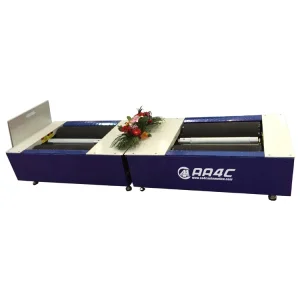
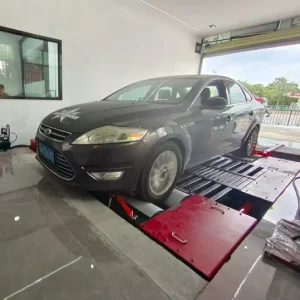
Conventional, static brake and suspension inspections often overlook transient anomalies that occur only under real-world kinetic loads. Our high-capacity roller brake testers solve this by using advanced force transducers and automated axle-loading mechanisms. These features simulate active road dynamics, providing technicians with real-time insight into deceleration imbalance, out-of-round drums, and micro-faults in air brake lines before they lead to component failure.
Today's industrial diagnostic market faces complex challenges. Modern high-throughput inspection stations process hundreds of heavy commercial vehicles daily. This volume demands high structural durability and robust data-management capabilities from testing equipment.
Municipal and private inspection lanes must minimize transit time per vehicle while ensuring absolute test accuracy. Automation in vehicle sensor alignment, optical plate reading, and automatic axle weighing are key features that modern stations use to optimize their daily throughput.
Roller brake surfaces are subjected to high abrasion, corrosive road-salt runoff, and heavy axle loads (up to 15 tons and higher). Leading manufacturers address these demanding conditions by using high-grade epoxy-corundum roller coatings, hot-dip galvanized steel frames, and dust- and water-proof drive units.
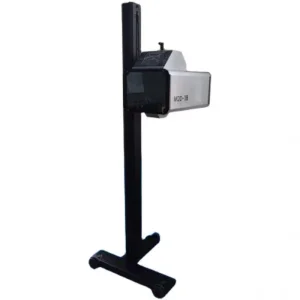
Modern test lines require centralized software architectures. Test results from the sideslip tester, suspension analyzer, headlight tester, and gas analyzers are consolidated into a single database, which then syncs with municipal safety authorities via secure API endpoints.
To support these demanding operational scenarios, manufacturers must ensure their equipment designs incorporate redundant safety sensors, reliable emergency stops, and intuitive user interfaces. This combination helps prevent operator error and protects critical diagnostic components during high-stress testing cycles.
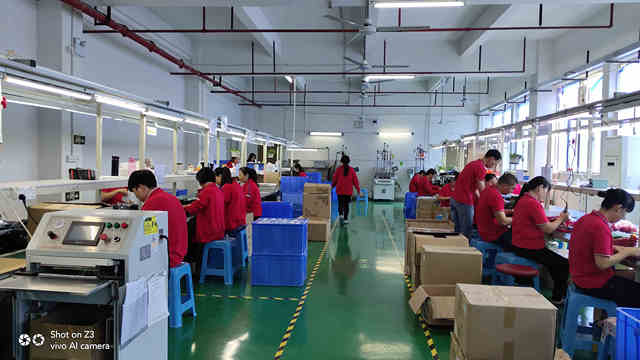
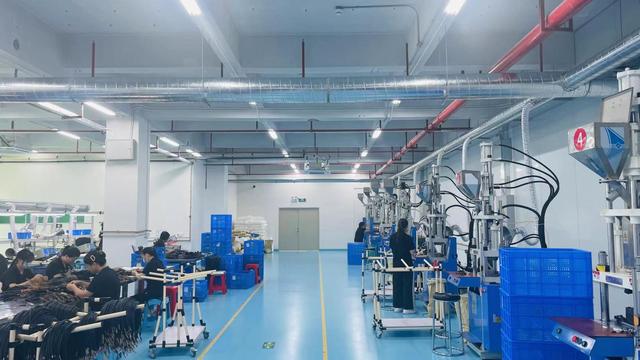
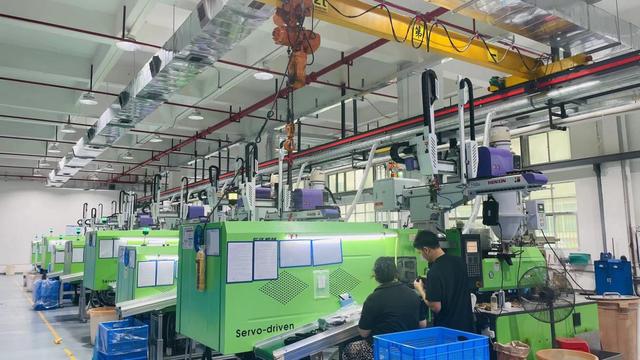
Shenzhen Kore Auto Co., Ltd. is a professional China automotive diagnostic tools manufacturer specializing in the development, production, and global supply of advanced vehicle diagnostic solutions for the automotive aftermarket industry. With extensive experience in automotive electronics and diagnostic technology, Kore Auto is committed to delivering intelligent, reliable, and high-performance diagnostic equipment to customers worldwide.
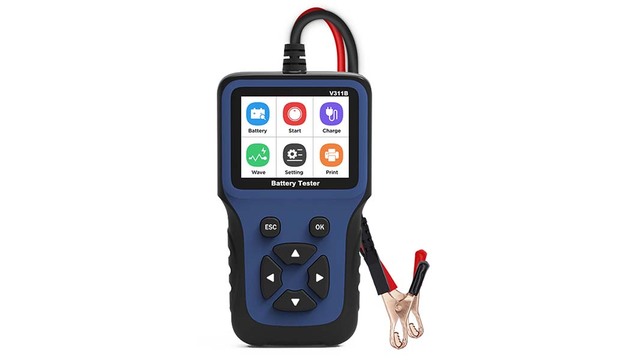
Our comprehensive product portfolio includes automotive diagnostic scanners, OBD diagnostic tools, ECU programming equipment, TPMS diagnostic systems, ADAS calibration equipment, battery testing devices, vehicle inspection systems, automotive oscilloscopes, remote diagnostic platforms, and customized diagnostic solutions. These products are widely used by automotive repair workshops, dealerships, fleet operators, vehicle inspection centers, and maintenance service providers.
Driven by innovation, Shenzhen Kore Auto continuously invests in research and development to keep pace with the rapidly evolving automotive industry, including electric and connected vehicles. Our experienced engineering team develops cutting-edge diagnostic technologies featuring comprehensive vehicle coverage, fast data processing, intelligent fault analysis, wireless connectivity, and user-friendly software interfaces.
Quality and reliability are fundamental to our success. Every product is manufactured under strict quality control standards and undergoes rigorous testing procedures to ensure stable performance, accuracy, and durability in demanding workshop environments. We also provide flexible OEM and ODM services, helping customers develop customized automotive diagnostic products tailored to specific market requirements.
Serving customers throughout Europe, North America, South America, Asia, the Middle East, and Africa, Shenzhen Kore Auto Co., Ltd. has established long-term partnerships with distributors, automotive service providers, and industry professionals worldwide.
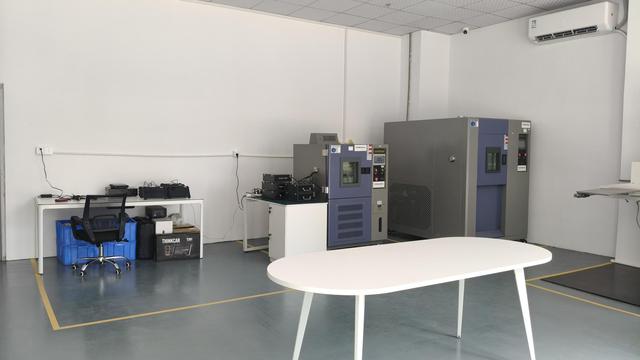

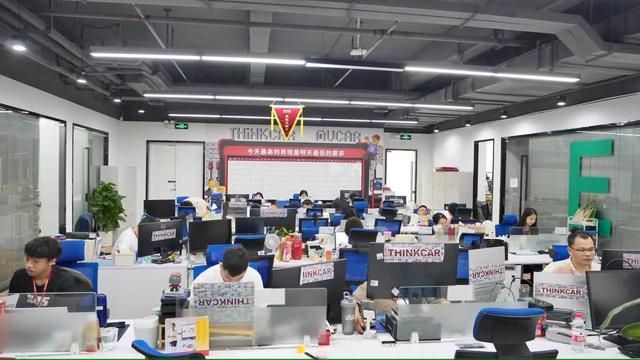
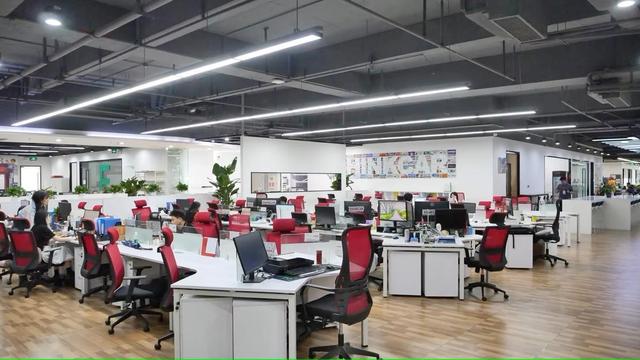
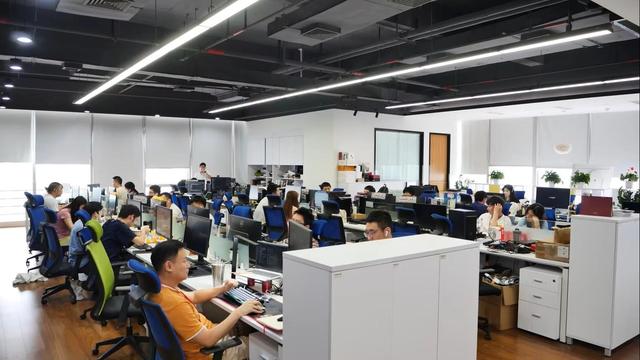
The vehicle inspection industry is transforming rapidly, driven by three major technological developments: ADAS, electrification, and IoT connectivity. In this section, we analyze the engineering milestones that will shape the design of inspection equipment over the next decade.
As autonomous features become standard, camera, lidar, and radar systems must be calibrated to strict safety tolerances. Modern inspection lines integrate dynamic laser targets and 3D positioning rigs to verify and align these sensors relative to the vehicle's true thrust axis.
Electric vehicle batteries present unique testing requirements. Future inspection lines will integrate specialized DC-load testers, high-current isolation monitors, and thermal sensors. These tools analyze cell temperature and electrochemical health, helping technicians detect risks like micro-short circuits before thermal runaway occurs.
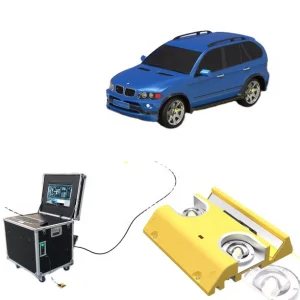
The next generation of inspection lines will leverage AI tracking and automated driverless vehicle guidance systems. Vehicles will navigate the test lane autonomously, where robotic arms and under-carriage scanners will perform visual and structural inspections with minimal human interaction.
To prevent hardware obsolescence as automotive communication protocols evolve (such as CAN-FD and DoIP), our diagnostic platforms support secure over-the-air (OTA) updates. This architecture allows operators to easily add coverage for new vehicle models and adapt to changing regulatory standards without costly hardware retrofits.
Operating globally requires strict alignment with localized metrological and safety regulations. Equipment that complies with CE standards in Europe may require different calibration protocols to satisfy EPA requirements in North America or regional GB requirements in Asia-Pacific markets.
In Europe, measuring devices must meet Measuring Instruments Directive (MID) standards. Our roller brake testers and headlight aligners are calibrated to comply with these rigorous national metrological demands, ensuring legally binding and accurate results.
Our gas analyzers measure CO, CO2, HC, NOx, and O2 concentrations according to OIML Class 0 specifications. This high accuracy is critical for compliance with regional low-emission zone policies and national air-quality mandates.
To ensure reliable operations across different regions, our central software platform supports over 25 languages. This feature reduces operator training requirements and helps minimize procedural mistakes during the inspection workflow.
Get answers to common technical queries regarding the deployment, calibration, and engineering specifications of high-throughput vehicle inspection equipment.
Static testing measures braking forces while the vehicle is stationary. Dynamic brake testing, on the other hand, evaluates braking performance under simulated kinetic loads. Roller brake testers drive the vehicle's wheels at a constant, controlled speed, using sensors to measure actual braking force, weight distribution, and deceleration imbalances. This dynamic approach provides a more accurate assessment of real-world braking performance.
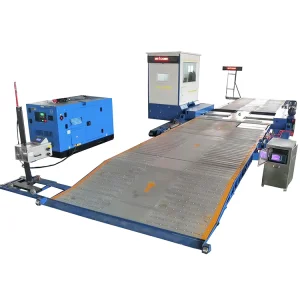
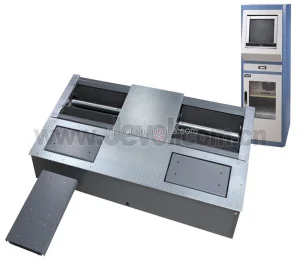
Heavy-duty roller brake testers (such as our 15T models) feature high-torque electric motors, reinforced planetary gearboxes, and thick steel frames designed to withstand significant weight. Integrated hydraulic lifters and axle weighing plates automatically measure the vertical load. The system then calculates braking efficiency as a ratio of brake force to total axle weight, preventing tire slippage and ensuring precise measurements.
Yes. Our inspection equipment features a modular design that can be customized to comply with regional regulations like EU Directive 2014/45/EU, DOT standards in the US, and various local metrology certifications. This flexibility allows us to adapt sensor packages, display formats, and software reporting tools to meet the specific compliance needs of different countries.
To maintain accuracy, safety sensors and load cells require regular calibration using certified reference weights. We recommend checking calibration every 6 to 12 months, depending on the station's daily throughput. Mechanical components, such as roller bearings and drive chains, should also be lubricated periodically to prevent wear and ensure smooth operation.
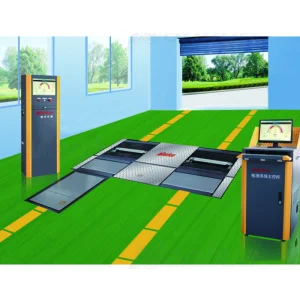
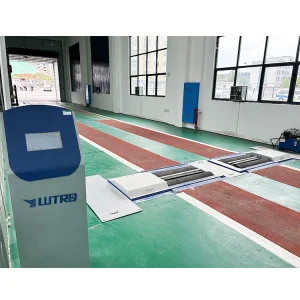
The 3-in-1 inspection lane integrates a sideslip tester, a suspension tester, and a roller brake tester into a single, streamlined station. This design minimizes the space needed for testing and allows a single operator to perform multiple checks sequentially without moving the vehicle to different bays. By streamlining the process, the integrated lane helps reduce inspection times and increases the station's overall daily throughput.
EV safety testing combines physical checks with electronic diagnostics. Our systems connect to the vehicle's OBD-II interface to read battery State of Health (SoH) metrics and check for active diagnostic trouble codes (DTCs). At the same time, under-car imaging and thermal cameras inspect the battery pack housing for physical damage, deformation, or abnormal heat signatures that could indicate cell issues.
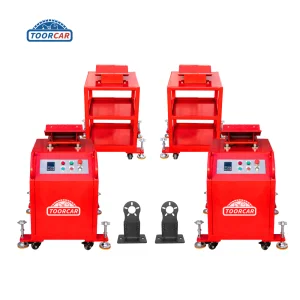
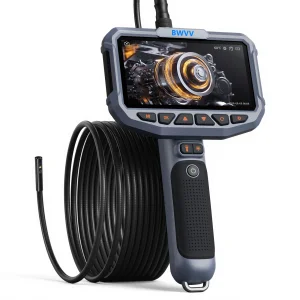
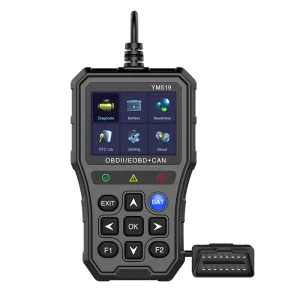
Explore our complete range of automotive testing tools, designed for both diagnostic workshops and high-throughput vehicle inspection lanes. Our lineup includes everything from handheld industrial endoscopes to heavy-duty chassis dynamometers.
 Kore Auto