Engineered for real-time measurements, compliance verification, and laboratory research.
As emission standards tighten from Euro VI/6d to Euro VII, EPA Tier 4/Tier 5, and China VI, industrial entities and automotive distributors require certified test systems to avoid heavy fines and ensure environmental compliance.
Global demand is driven by three main sectors: end-of-line vehicle production testing, government-mandated vehicle inspection networks, and stationary industrial chimney emission logging. Procurement officers must verify analyzer performance benchmarks, calibration stability, and standard interfaces (OBD-II, CAN, Ethernet) before selecting manufacturers.
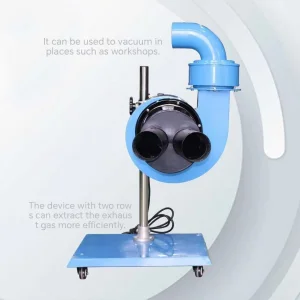
Our systems are designed to perform reliably in harsh workshop conditions and high-temperature industrial stacks. We maintain spare part distribution networks across North America, Europe, and Asia-Pacific to guarantee uninterrupted operation.
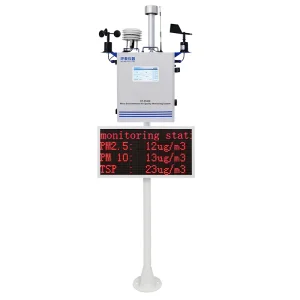
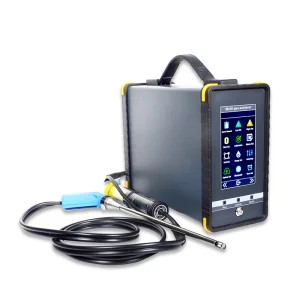
Modular architectures tailored for diverse regulatory applications, from heavy-duty diesel diagnostics to multi-component municipal air quality tracking.
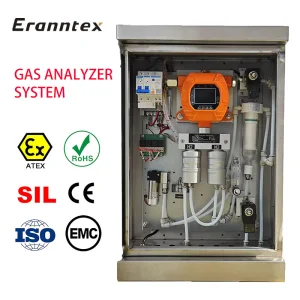
Integrated rack systems designed for continuous flue gas monitoring ($SO_2$, $NO_x$, $CO$, $CO_2$, and $O_2$). Engineered with high-reliability gas conditioning chillers, heated sampling lines, and optical benches that deliver stable measurements over long intervals with minimal calibration drift.
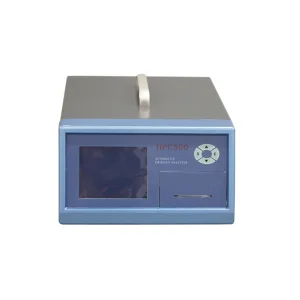
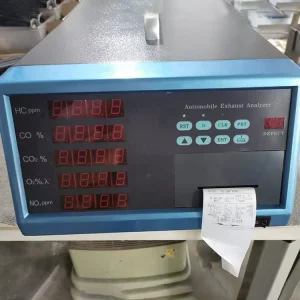
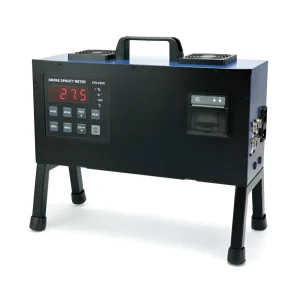
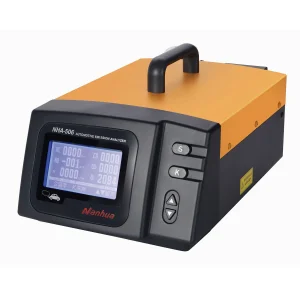
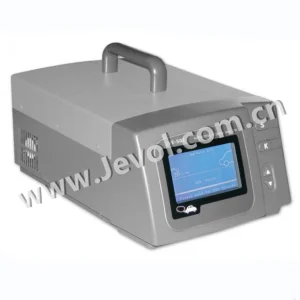
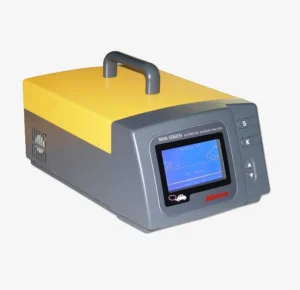
Multi-gas testing solutions (NDIR for $HC$, $CO$, $CO_2$, and electrochemical/ultraviolet for $NO_x$) paired with partial-flow smoke opacimeters. Fully compliant with OIML Class 0 specifications and BAR-97/BAR-31 calibration standards for commercial vehicle testing.
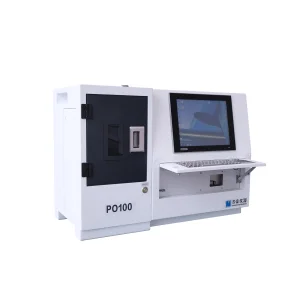
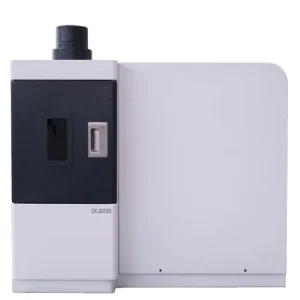
Optical emission spectrometers (OES) designed to analyze engine and transmission oil for wear metals, contamination, and additive degradation. Crucial for predictive maintenance in mining fleets, locomotives, marine vessels, and heavy plant operations.
An overview of the core analytical principles used to achieve sub-ppm detection limits and stable calibration profiles.
| Target Compound | Primary Sensor Technology | Typical Measurement Range | Interference Mitigation Method | Key Standard Compliance |
|---|---|---|---|---|
| CO / CO₂ / Hydrocarbons | Non-Dispersive Infrared (NDIR) | 0 - 15% Vol (CO₂) / 0 - 2000 ppm (HC) | Dual-wavelength optical filters | ISO 3930, OIML R99 Class 0 |
| NOx (NO & NO₂) | Non-Dispersive UV (NDUV) / Chemiluminescence | 0 - 5000 ppm | Thermoelectric sample drying, UV filter array | EPA Method 7E, Euro VI RDE |
| Diesel Particulate / Opacity | Green LED Light Absorption / Extinction | 0 - 99.9% Opacity / 0 - 10 m⁻¹ | Air curtain optical window protection | ISO 11614, SAE J1667 |
| Wear Metals in Engine Oil | Rotating Disc Electrode (RDE) OES | 0 - 900 ppm (Multi-element) | CCD full-spectrum optical separation | ASTM D6595, ASTM D6728 |
| Ambient VOC / O₃ / SO₂ | Micro Electrochemical / Photoionization (PID) | 0 - 50 ppm (ppb resolution) | Active temperature & humidity compensation | US EPA Ambient Air Quality Standards |
By replacing traditional electrochemical sensors with solid-state NDIR and NDUV optical benches, our equipment delivers longer calibration intervals (up to 12 months) and avoids deterioration from high acid concentrations ($SO_2$, $NO_2$) in exhaust gases.
Moisture condensation is a major source of measurement error, as water vapor can dissolve water-soluble gases ($SO_2$, $NO_2$) and skew results. Our systems use heated sample lines (maintained at 180°C) and fast-response peltier coolers to extract moisture without washing out target pollutants.
A professional China automotive diagnostic tools manufacturer specializing in advanced vehicle diagnostic solutions.
Shenzhen Kore Auto Co., Ltd. is a professional China automotive diagnostic tools manufacturer specializing in the development, production, and global supply of advanced vehicle diagnostic solutions for the automotive aftermarket industry. With extensive experience in automotive electronics and diagnostic technology, Kore Auto is committed to delivering intelligent, reliable, and high-performance diagnostic equipment to customers worldwide.
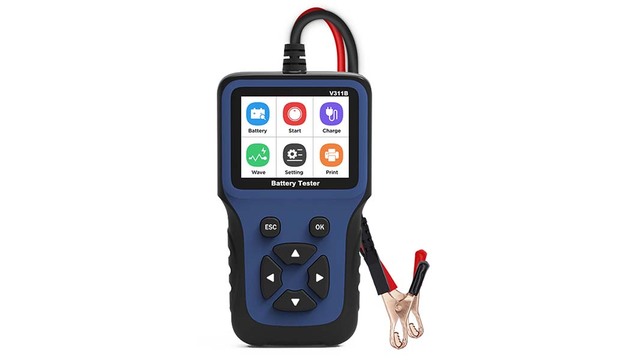
Our comprehensive product portfolio includes automotive diagnostic scanners, OBD diagnostic tools, ECU programming equipment, TPMS diagnostic systems, ADAS calibration equipment, battery testing devices, vehicle inspection systems, automotive oscilloscopes, remote diagnostic platforms, and customized diagnostic solutions. These products are widely used by automotive repair workshops, dealerships, fleet operators, vehicle inspection centers, and maintenance service providers.
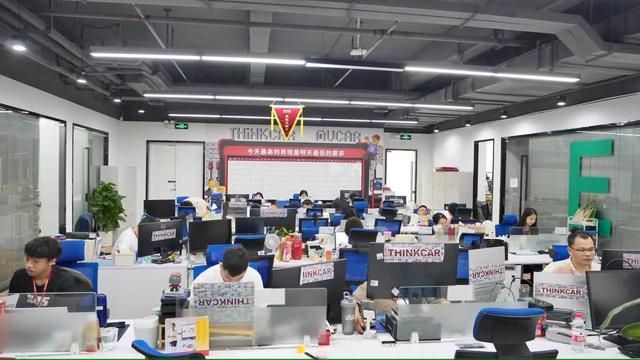
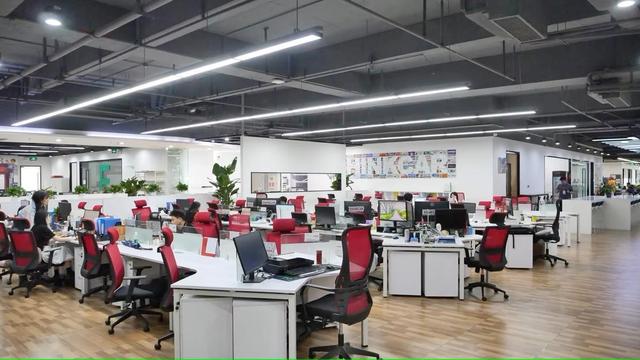
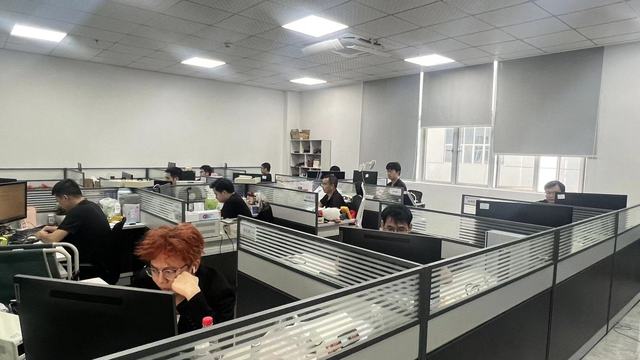
Driven by innovation, Shenzhen Kore Auto continuously invests in research and development to keep pace with the rapidly evolving automotive industry, including electric and connected vehicles. Our experienced engineering team develops cutting-edge diagnostic technologies featuring comprehensive vehicle coverage, fast data processing, intelligent fault analysis, wireless connectivity, and user-friendly software interfaces.
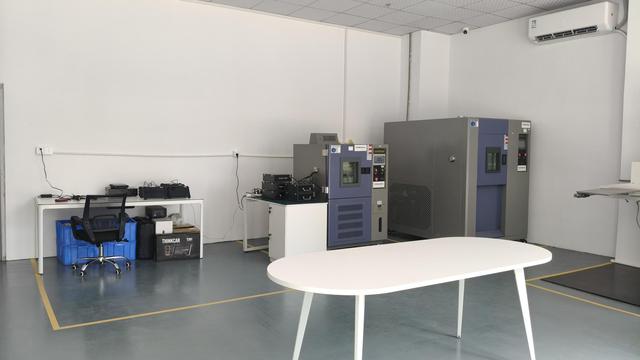
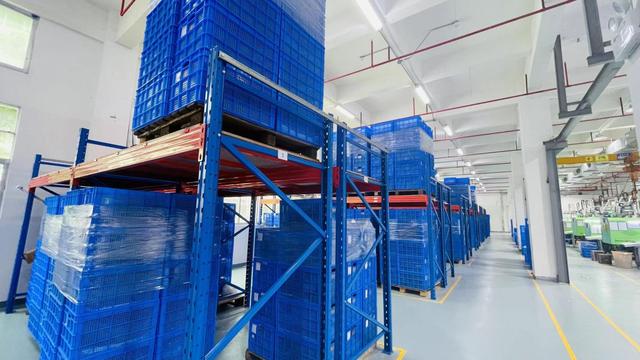
Quality and reliability are fundamental to our success. Every product is manufactured under strict quality control standards and undergoes rigorous testing procedures to ensure stable performance, accuracy, and durability in demanding workshop environments. We also provide flexible OEM and ODM services, helping customers develop customized automotive diagnostic products tailored to specific market requirements.
Serving customers throughout Europe, North America, South America, Asia, the Middle East, and Africa, Shenzhen Kore Auto Co., Ltd. has established long-term partnerships with distributors, automotive service providers, and industry professionals worldwide.
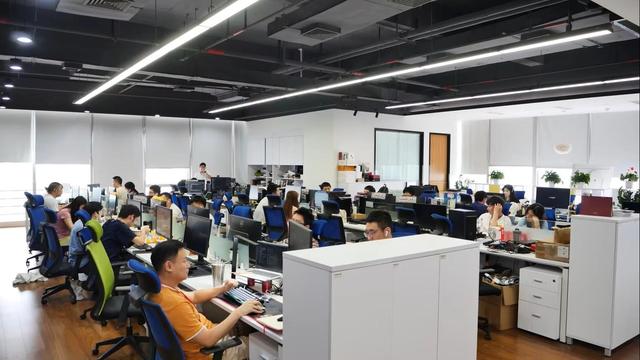
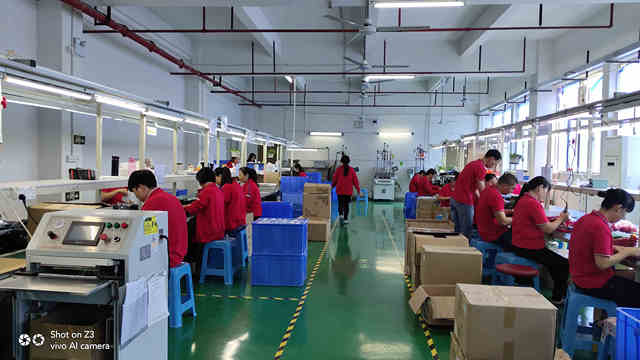
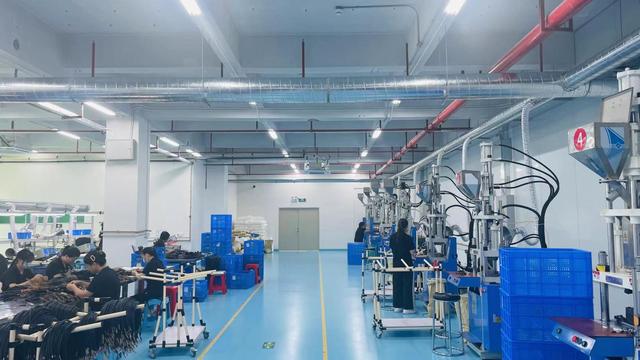
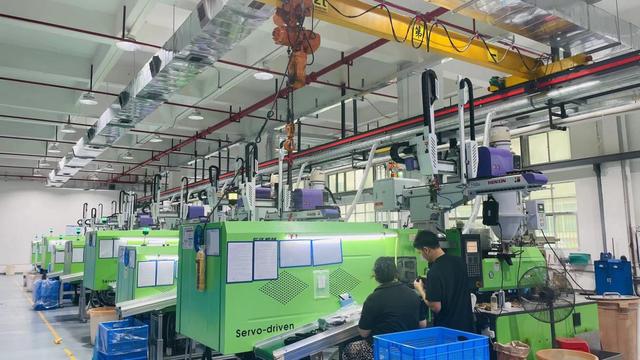
We provide engineering support and compliance consulting to help distributors meet local environmental regulations.
Every analyzer leaves our factory calibrated with NIST-traceable span gases. We provide the documentation required to pass local metrology audits (e.g., TÜV, BAR, CNAS) and support automated validation routines through integrated calibration ports.
Through our OEM/ODM services, we configure diagnostic interfaces in multiple languages, integrate local OBD protocol variations, and program threshold values in compliance with local emission limits.
From IP65-rated industrial enclosures to portable, shock-absorbent housings, our designs are optimized for hot engine bays, vibration-heavy test tracks, and dust-prone industrial plants.
Key technical answers for B2B procurement managers, compliance officers, and field engineers.
Non-Dispersive Infrared (NDIR) sensors use infrared light absorption to measure gas concentrations ($CO, CO_2, HC$). They do not degrade over time when exposed to high gas levels, making them highly stable. Electrochemical sensors are used for oxygen ($O_2$) and nitric oxide ($NO$), but they have a finite lifespan (typically 12–24 months) because their chemical reactants degrade during operation.
The Rotating Disc Electrode (RDE) Optical Emission Spectrometer (OES) uses an electrical arc to burn a small oil sample. The light emitted from this burn is split into element-specific wavelengths by a CCD detector. This identifies and measures wear metals (like Fe, Cu, Pb, Al) and contamination down to ppm levels, indicating engine component wear before a failure occurs.
Daily checks include verifying that the condensate drain is working and that the sample filter is clean. Monthly or quarterly maintenance involves checking span gas calibration to correct sensor drift. Our CEMS units have automated calibration features that run during off-peak hours to minimize manual maintenance.
Yes, our vehicle diagnostic scanners and exhaust gas analyzers support advanced CAN, OBD-II, J1939, and J1708 communication protocols. This allows our systems to read exhaust gas data alongside real-time engine metrics (like RPM, engine load, and catalyst temperature) for a complete diagnostic overview.
We ship globally under standard Incoterms (typically FOB, CIF, or DDP) with the required documentation, including Certificates of Origin, CE/FCC markings, and safety reports. Every instrument comes with a 12-month factory warranty, remote diagnostic support, and priority access to replacement parts.
High-precision testing systems built for workshops, industrial emission controls, and environmental laboratories.
 Kore Auto