Explore our professional-grade car key programmers, immobilizer tools, and OBD-II smart key transponder writers deployed by automotive experts globally.
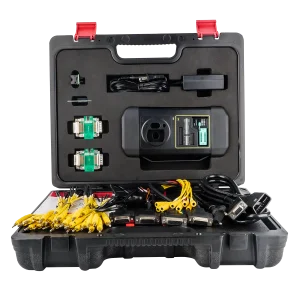
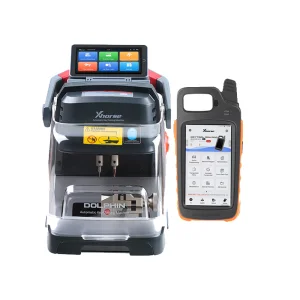
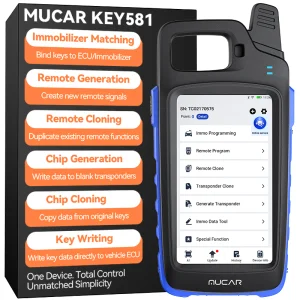
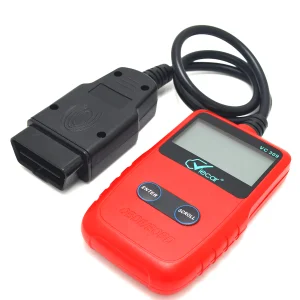
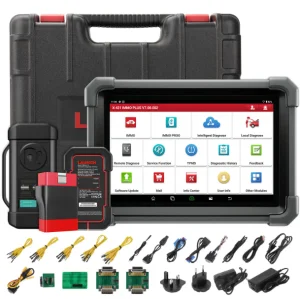
The automotive lock and key ecosystem has undergone a monumental shift. What once was a purely mechanical process consisting of physical cylinders and cut metal is now a complex web of digital handshakes, RF transponders, and cryptographic authentication. Central to this shift is the vehicle immobilizer system, which uses Radio Frequency Identification (RFID) and cryptographic challenges to prevent unauthorized engine startup.
For modern locksmiths, repair workshops, and technicians, this transition means that programming a replacement car key requires interacting directly with a vehicle's On-Board Diagnostics (OBD-II) port, reading EEPROM configurations, or flashing microcontroller units (MCUs). Advanced programming tools communicate over robust standard interfaces such as Controller Area Network with Flexible Data-Rate (CAN FD) and Diagnostics over Internet Protocol (DoIP) to flash transponder security certificates directly onto the Engine Control Unit (ECU) or the body control module (BCM).
Information Gain Insight: The integration of DoIP has dramatically reduced flashing times for vehicle instrument clusters and complex immobilizer units from hours to minutes, establishing DoIP capability as a critical standard for future-proof service tools.
Professional key programming platforms rely on several underlying automotive electronics communication protocols. Understanding these protocols is vital for selecting the correct tool manufacturer:
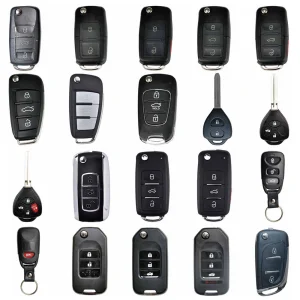
From specialized automotive locksmith operations to school vocational training kits, key programming solutions satisfy critical commercial requirements.
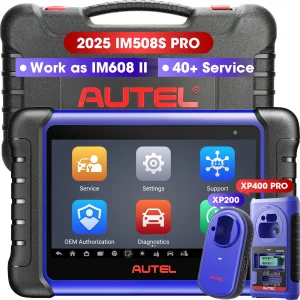
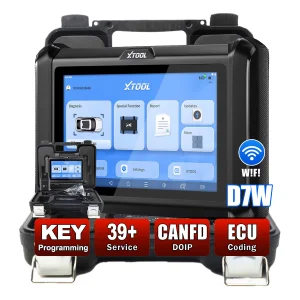
Independent workshops handle diverse vehicle portfolios. Using all-in-one programming tablets allows technicians to perform secure module adaptation, dashboard cluster calibration, and key cloning without depending on expensive OEM services.
Large-scale commercial logistics operations require constant replacement key generation due to frequent operator handovers and key misplacements. Standalone, rapid-response programmer tools minimize vehicle downtime.
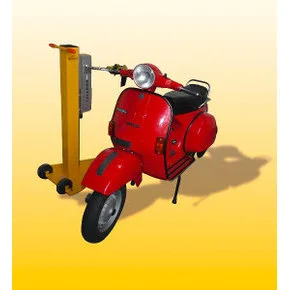
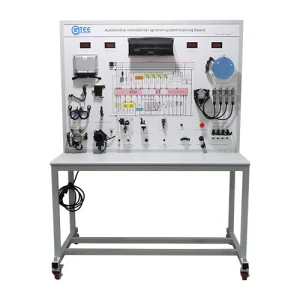
Automotive schools utilize customized simulation environments (such as the Ignition Control System Trainer) to safely teach students the mechanics of circuit ignition, transponder handshakes, and diagnostic codes.
Shenzhen Kore Auto Co., Ltd. is a professional China automotive diagnostic tools manufacturer specializing in the development, production, and global supply of advanced vehicle diagnostic solutions for the automotive aftermarket industry. With extensive experience in automotive electronics and diagnostic technology, Kore Auto is committed to delivering intelligent, reliable, and high-performance diagnostic equipment to customers worldwide.
Our comprehensive product portfolio includes automotive diagnostic scanners, OBD diagnostic tools, ECU programming equipment, TPMS diagnostic systems, ADAS calibration equipment, battery testing devices, vehicle inspection systems, automotive oscilloscopes, remote diagnostic platforms, and customized diagnostic solutions. These products are widely used by automotive repair workshops, dealerships, fleet operators, vehicle inspection centers, and maintenance service providers.
Driven by innovation, Shenzhen Kore Auto continuously invests in research and development to keep pace with the rapidly evolving automotive industry, including electric and connected vehicles. Our experienced engineering team develops cutting-edge diagnostic technologies featuring comprehensive vehicle coverage, fast data processing, intelligent fault analysis, wireless connectivity, and user-friendly software interfaces.
Quality and reliability are fundamental to our success. Every product is manufactured under strict quality control standards and undergoes rigorous testing procedures to ensure stable performance, accuracy, and durability in demanding workshop environments. We also provide flexible OEM and ODM services, helping customers develop customized automotive diagnostic products tailored to specific market requirements.
Serving customers throughout Europe, North America, South America, Asia, the Middle East, and Africa, Shenzhen Kore Auto Co., Ltd. has established long-term partnerships with distributors, automotive service providers, and industry professionals worldwide.
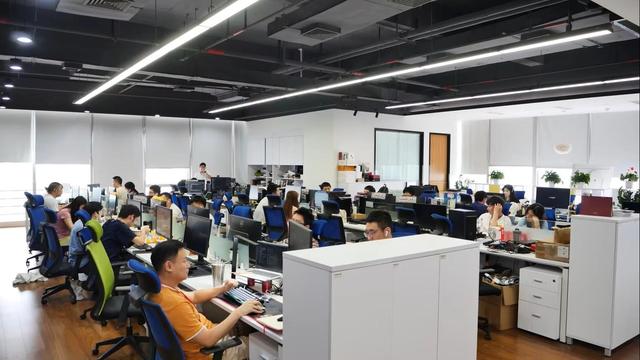
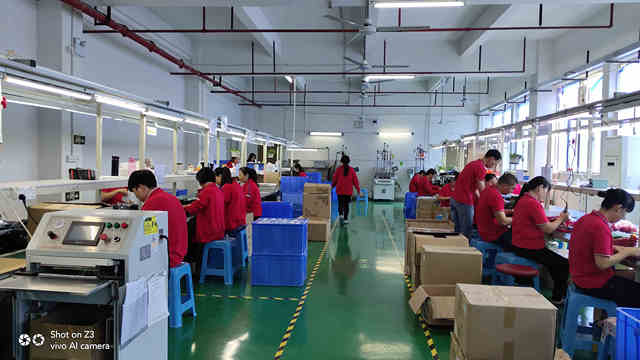
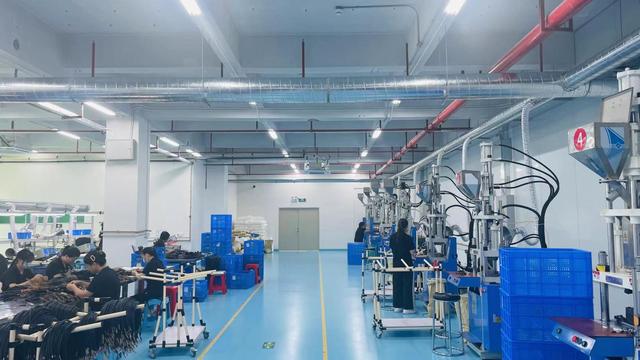
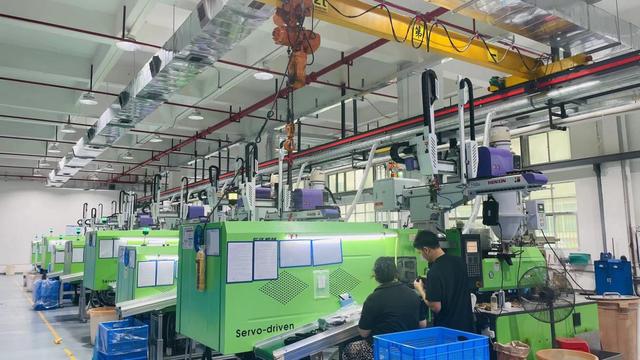
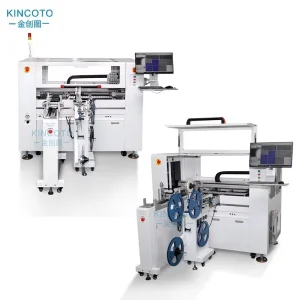
Take a look inside the modern industrial assembly and quality control pipelines of Shenzhen Kore Auto Co., Ltd.
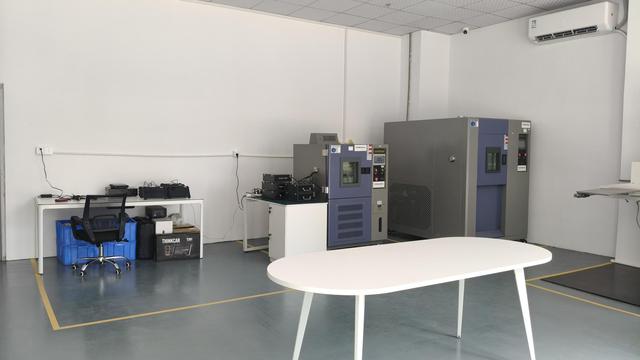

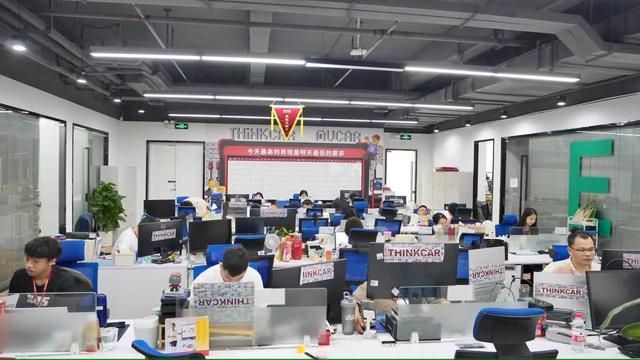

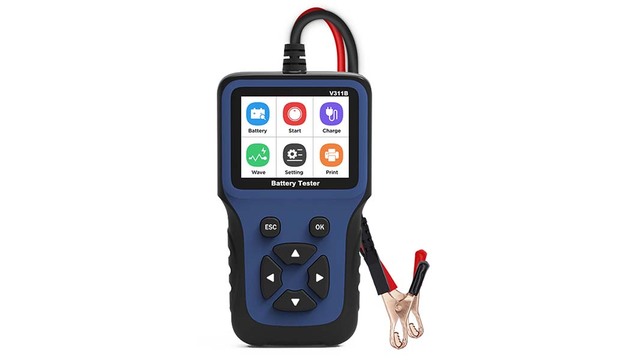
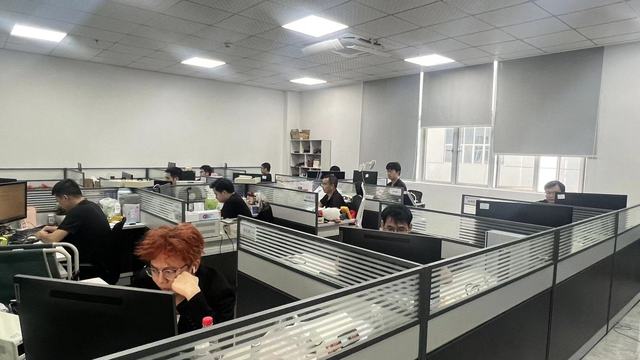
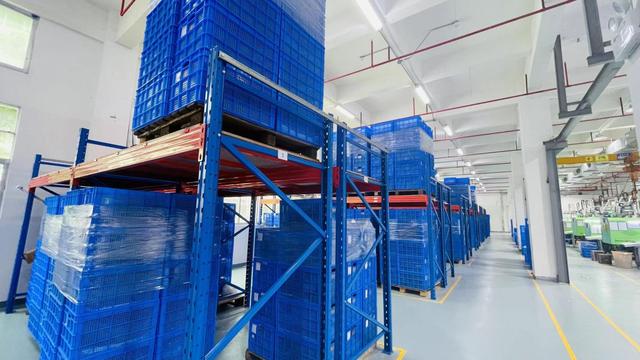
We address regional regulatory compliance to ensure smooth export logistics and local product compatibility.
Different markets present distinct legal, technological, and vehicle fleet characteristics:
To reduce delivery times, our logistics utilize a combination of strategic regional hubs in Europe and North America alongside central supply chains. These warehouses facilitate fast dispatch, tax-efficient clearing, and local replacement warranty options.
Our OEM/ODM services provide complete casing design, customized firmware development, unique diagnostic UI elements, and local database integrations, ensuring you deliver localized products to your target audience.
How key programming tools are adapting to the rise of Electric Vehicles (EVs) and Cloud Diagnostics.
Transitioning calculation-heavy EEPROM operations to centralized cloud servers. This reduces local device processor requirements and ensures real-time security algorithm updates.
Managing key configurations using modern automotive software architecture, interacting with secure vehicle telematics systems directly, and implementing diagnostic protocols over local 5G modules.
Expanding programming functions to cover EV high-voltage battery management systems, thermal management control loops, and custom security architectures utilized by electric vehicle manufacturers.
Applying machine learning models directly on diagnostic tablets to analyze sensor feeds, identify wiring issues, and recommend exact module adaptation steps.
Get expert insights on hardware selection, vehicle protocol compatibility, and OEM/ODM diagnostic support services.
Explore advanced bi-directional control scanners, firmware update modules, and integration key program trays designed for professional workshops and manufacturing centers.
 Kore Auto