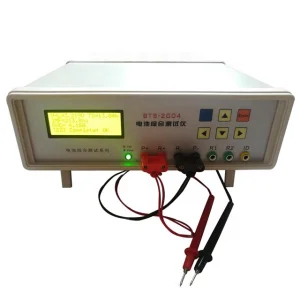
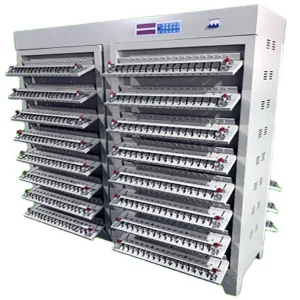
Explore our top-tier diagnostic devices, regenerative capacity analyzers, and battery balancer systems engineered for precision workshop and factory operations.
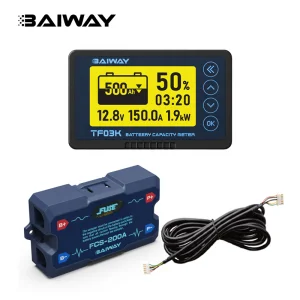
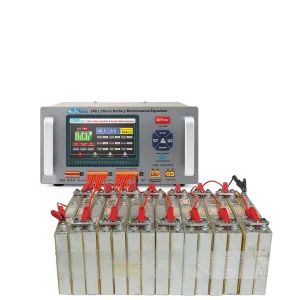
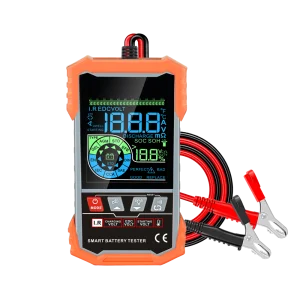
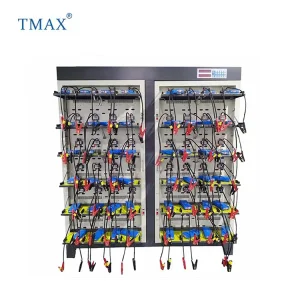
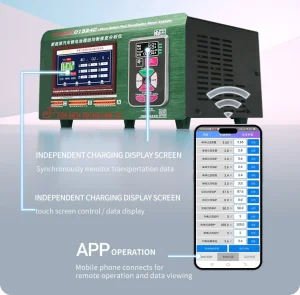
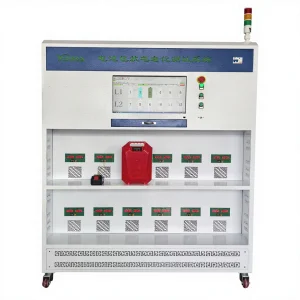
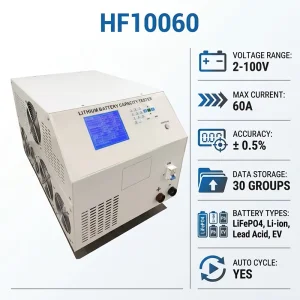
An analytical overview of modern battery validation frameworks, standardization vectors, and the evolving needs of the e-mobility supply chain.
As the global economy transitions rapidly toward electrification, the demand for high-capacity, high-durability battery systems is experiencing an unprecedented surge. Battery testing equipment is no longer confined to R&D laboratories; it has become a critical bottleneck and validation node in the global supply chain. From micro-mobility solutions to heavy-duty electrical vehicle (EV) packs and grid-scale Energy Storage Systems (ESS), ensuring thermodynamic, chemical, and electric security is paramount.
Exporters and suppliers of battery testing equipment face a complex market. Rapid advancements in battery chemistries—transitioning from traditional Lead-Acid to diverse Lithium-Ion formulations (such as LiFePO4, NCM, and NCA) and emerging Solid-State solutions—require testers to exhibit unparalleled adaptability, high voltage accuracy, and robust thermal simulation capabilities. Standardized protocols including UN38.3, UL 9540A, and IEC 62619 require comprehensive verification pathways, reinforcing the necessity for industrial grade machinery.
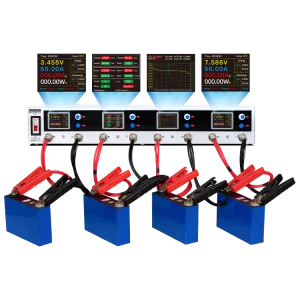
Traditional battery cycling dissipates discharge energy as heat, incurring massive cooling overheads. Modern battery pack testing systems from professional exporters now utilize grid-tied regenerative discharge, feeding up to 90% of the energy back into the local grid, drastically reducing the Total Cost of Ownership (TCO) for manufacturers.
Suppliers must address three distinct vectors to maintain a competitive advantage in the global market: scalability (supporting varying channel counts and power ratings), precision (providing sub-millivolt accuracy for accurate state-of-charge algorithms), and functional safety (preventing thermal runaway during stress tests). Developing software with robust database integration and APIs for Manufacturing Execution Systems (MES) is now a baseline expectation for major gigafactory procurements.
Charting the transition from traditional voltage screening to AI-driven cycle life prediction and solid-state safety testing.
EIS is moving from laboratory environments into mass production lines. By injecting AC currents across variable frequencies, suppliers can map internal battery resistances and identify mechanical micro-cracks before they result in thermal failure.
Next-generation solid-state chemistry presents unique expansion and mechanical pressure profiles. Future testing equipment features specialized pressure jigs and integrated ambient atmospheric controls to validate solid interfaces under dynamic thermal profiles.
Harnessing machine learning algorithms allows testing rigs to estimate State of Health (SoH) and Remaining Useful Life (RUL) with under 100 cycles of training data, reducing production validation and quality assurance times by over 70%.
From micro-balancing to multi-megawatt configurations, here is how automated systems integrate into physical deployment architectures.
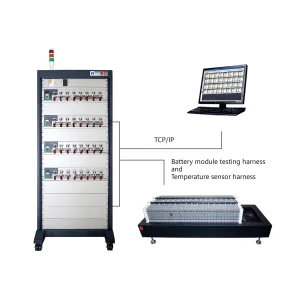
Modern battery testing solutions are segmented by operational scale. On the manufacturing floor (Gigafactories), cell formation and grading systems operate continuously under highly automated PLC networks. These environments require high efficiency, precise temperature control, and integration with automated guided vehicles (AGVs) for cell loading.
Conversely, localized applications like automotive workshops and independent service centers demand versatility and portability. Field technicians diagnose EV packs, detect faulty parallel groups, and perform targeted cell balancing. Our high-precision balancing equipment (supporting 2S to 24S packs) enables modular cell repair, preventing the costly replacement of entire packs, reducing environmental waste, and supporting the circular battery economy.
Decommissioned EV packs retain approximately 70-80% capacity, making them ideal candidates for stationary energy storage (second-life batteries). Deploying fast-sorting methodologies, such as high-frequency internal resistance testing combined with dynamic discharge curves, allows suppliers to categorize spent batteries rapidly and safely.
A trusted global developer, exporter, and OEM/ODM supplier of automotive diagnostic and battery validation systems.
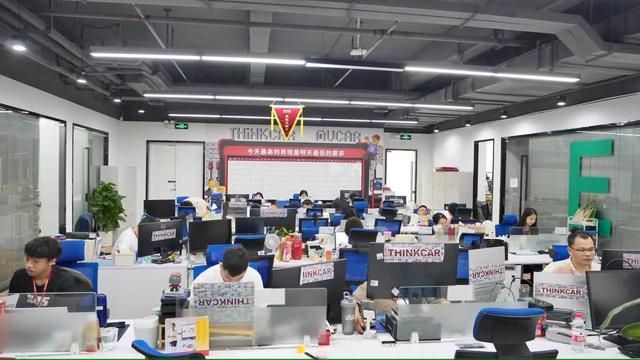
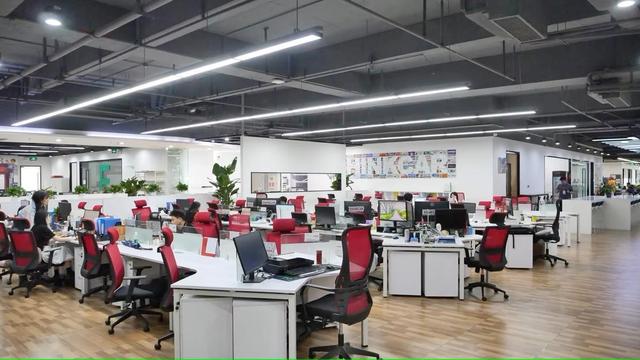
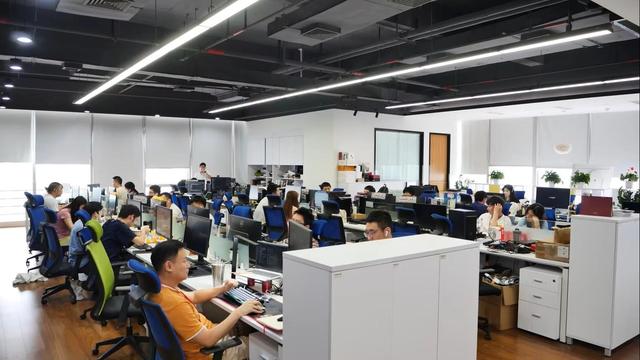
Shenzhen Kore Auto Co., Ltd. is a professional China automotive diagnostic tools manufacturer specializing in the development, production, and global supply of advanced vehicle diagnostic solutions for the automotive aftermarket industry. With extensive experience in automotive electronics and diagnostic technology, Kore Auto is committed to delivering intelligent, reliable, and high-performance diagnostic equipment to customers worldwide.
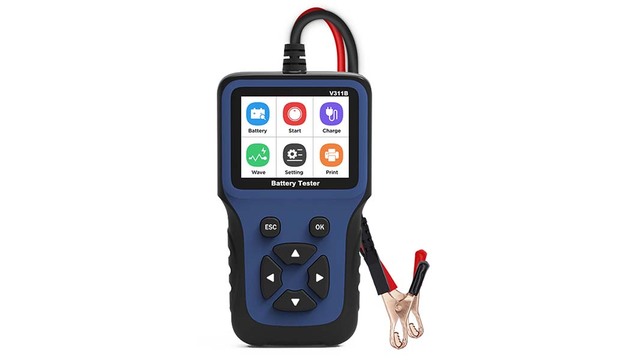
Our comprehensive product portfolio includes automotive diagnostic scanners, OBD diagnostic tools, ECU programming equipment, TPMS diagnostic systems, ADAS calibration equipment, battery testing devices, vehicle inspection systems, automotive oscilloscopes, remote diagnostic platforms, and customized diagnostic solutions. These products are widely used by automotive repair workshops, dealerships, fleet operators, vehicle inspection centers, and maintenance service providers.
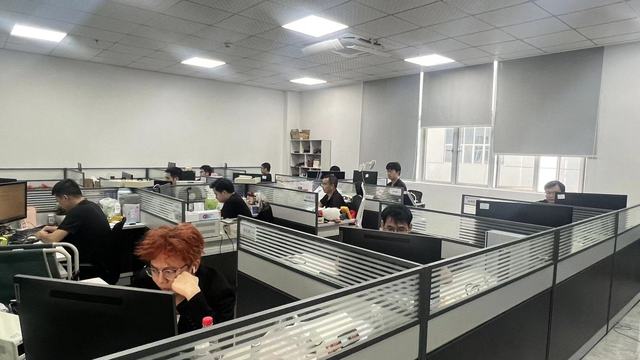
Driven by innovation, Shenzhen Kore Auto continuously invests in research and development to keep pace with the rapidly evolving automotive industry, including electric and connected vehicles. Our experienced engineering team develops cutting-edge diagnostic technologies featuring comprehensive vehicle coverage, fast data processing, intelligent fault analysis, wireless connectivity, and user-friendly software interfaces.
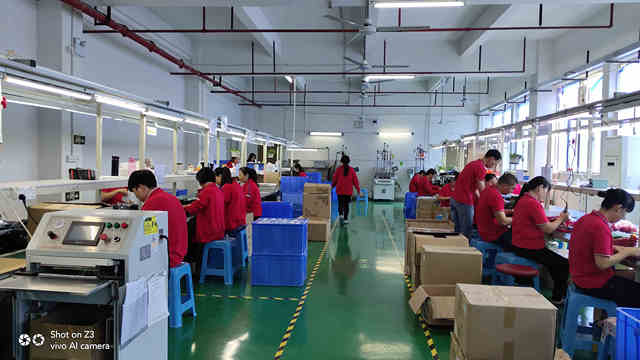
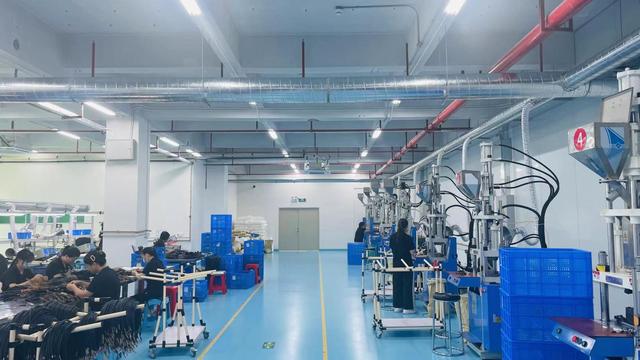
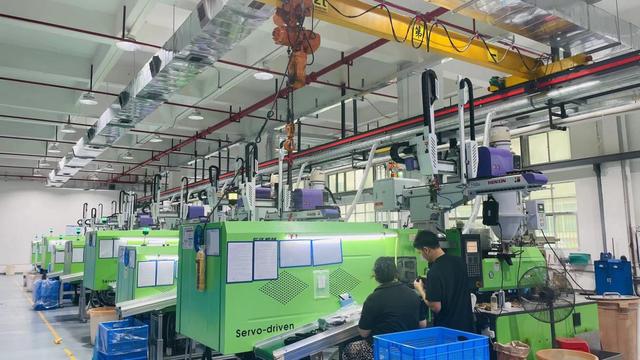
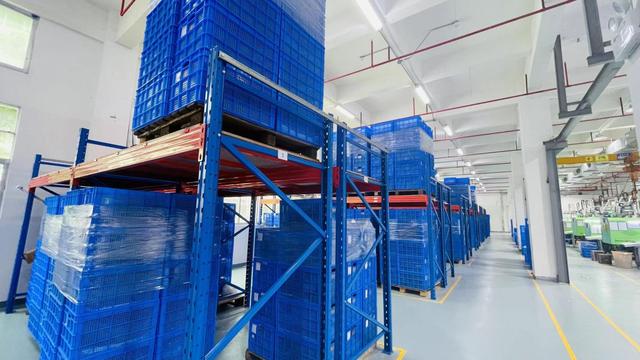
Quality and reliability are fundamental to our success. Every product is manufactured under strict quality control standards and undergoes rigorous testing procedures to ensure stable performance, accuracy, and durability in demanding workshop environments. We also provide flexible OEM and ODM services, helping customers develop customized automotive diagnostic products tailored to specific market requirements.
Serving customers throughout Europe, North America, South America, Asia, the Middle East, and Africa, Shenzhen Kore Auto Co., Ltd. has established long-term partnerships with distributors, automotive service providers, and industry professionals worldwide.
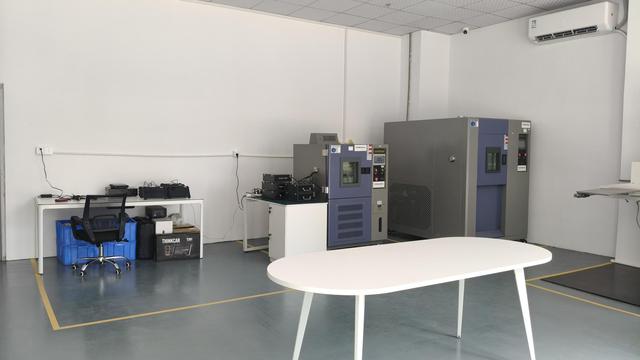

Technical insights addressing key questions on grading, safety, and calibration standards.
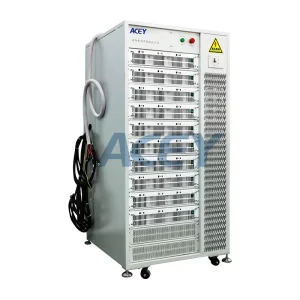
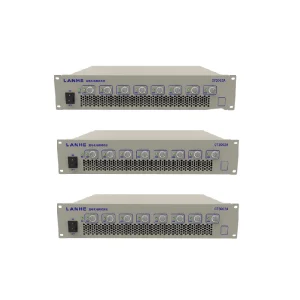
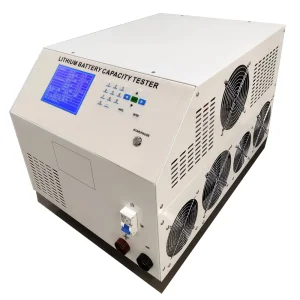
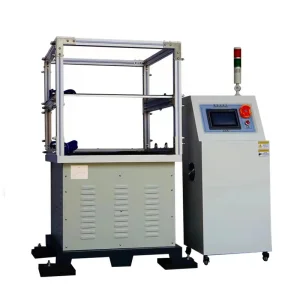
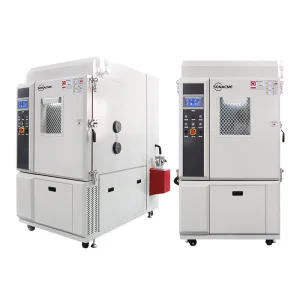
High-power modular testers, regenerative multi-channel cabinets, and dynamic environmental simulation chambers.
 Kore Auto