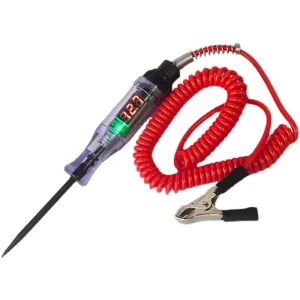
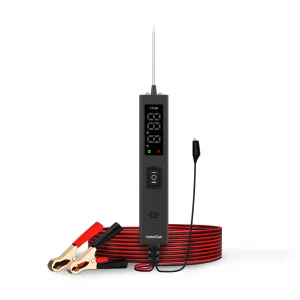
Explore our industry-validated automotive circuit testers, digital power probes, and wire tracking kits engineered for workshop excellence and field diagnosis.
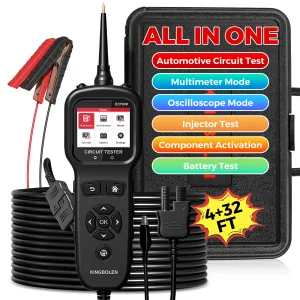
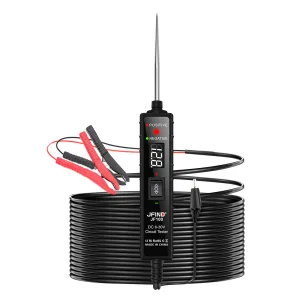
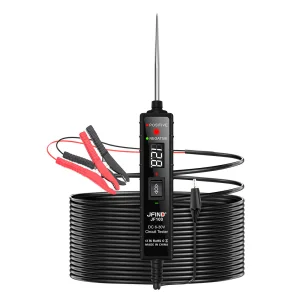
In the era of rapid automotive digitization, the role of electrical diagnostic tools has expanded from simple test lamps to multi-functional electronic measurement instruments. Global vehicle systems are undergoing major design shifts, marked by the rapid adoption of Advanced Driver Assistance Systems (ADAS), complex CAN-bus networks, and electric powertrains operating on higher voltage platforms (up to 800V). These developments demand precise, high-impedance, and safe troubleshooting tools that prevent accidental damage to delicate Engine Control Units (ECUs) and microcontroller networks.
EEAT Insight: As a professional manufacturer, Shenzhen Kore Auto Co., Ltd. bridge this gap by designing, engineering, and manufacturing robust testing devices that support high voltage thresholds, safeguard circuits from overload spikes, and integrate user-centric visual indicators to prevent diagnostic errors.
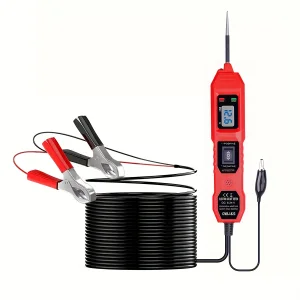
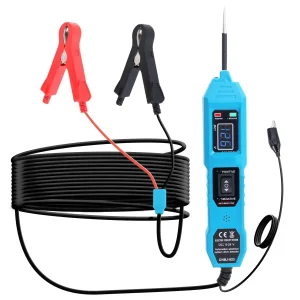
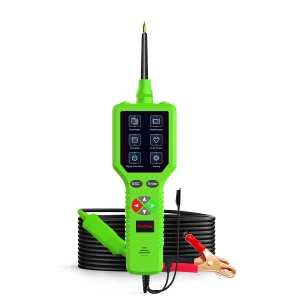
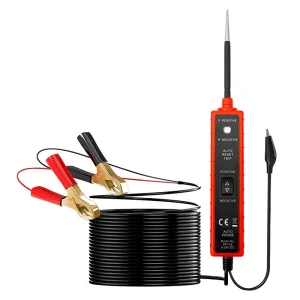
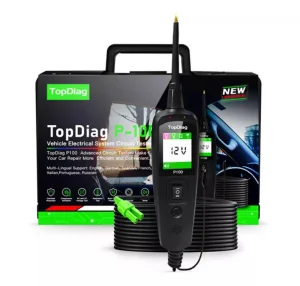
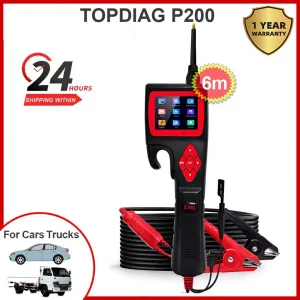
Traditional, low-impedance test lights draw significant current from the circuit under test. While suitable for older vehicles with robust wiring harnesses, they present a high risk of burning out microprocessor pins when probing modern vehicle components. The shift toward high-impedance digital circuit testers and intelligent power probes (such as the TopDiag Power Probe P100 Pro and Topdiag P200) represents an industry-wide transition toward diagnostic methods that prioritize safety, precision, and multi-functional operation.
Our research and development pipeline at Kore Auto is focused on addressing the diagnostic challenges of the next decade. Modern automotive architectures are shifting from decentralized, domain-based controllers to centralized, high-performance computing zones. This transition requires testers to adapt from static voltage detection to dynamic signal analysis.
With electric vehicles running on 400V to 800V DC architectures, our research team is developing isolated, CAT III/IV-rated circuit testers that protect technicians from arc flashes and high-voltage discharge during maintenance.
Future power probes will combine the accessibility of a test pen with the capability of a digital storage oscilloscope (DSO). This allows real-time viewing of PWM signals, solenoid operations, and sensor waveforms on integrated OLED screens.
Integrating Bluetooth and Wi-Fi modules directly into circuit probes enables hands-free diagnostics. Technicians can view measurements and waveform trends directly on their smartphones or tablet-based workshop scanners.
Embedding small neural models onto microcontrollers allows the circuit tester to automatically identify whether a signal is power, ground, a digital bus (CAN, LIN, FlexRay), or an irregular noise trace, accelerating fault resolution.
Every maintenance ecosystem requires specialized tools suited for its distinct operational demands. We do not offer one-size-fits-all products; instead, we build diagnostic systems designed for specific industries:
Commercial shipping, construction, and municipal services operate primarily on 24V DC systems. Probes must survive harsh environments, oil exposure, and long wire drops. Tools like the Heavy Duty Continuity Tester Pen provide physical durability and accurate high-current continuity readings, minimizing downtime for logistics operators.
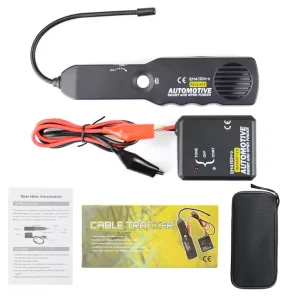
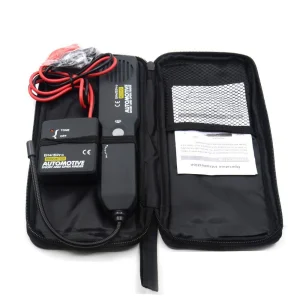
Modern vehicle diagnostic bays handle a mix of legacy mechanical assemblies and high-tech electronics. Service centers require comprehensive kits that can activate components directly at the connector plug (using integrated ground and power feed capabilities) and locate hidden breaks inside packed harnesses without removing panels, utilizing advanced tracers like the EM415PRO Cable Wire Tracker.
Developing components like ADAS cameras, smart mirrors, and custom control cards requires precise laboratory testing. Our high-precision tools, such as the High-Precision Portable LCR Tester, allow engineers to verify individual resistor, capacitor, and inductor values directly on the PCB, providing laboratory-grade diagnostic capabilities in a portable format.
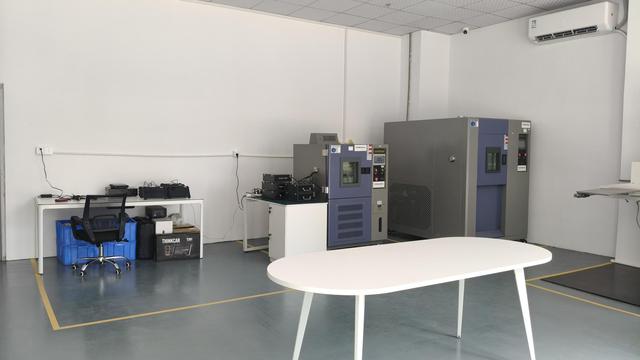
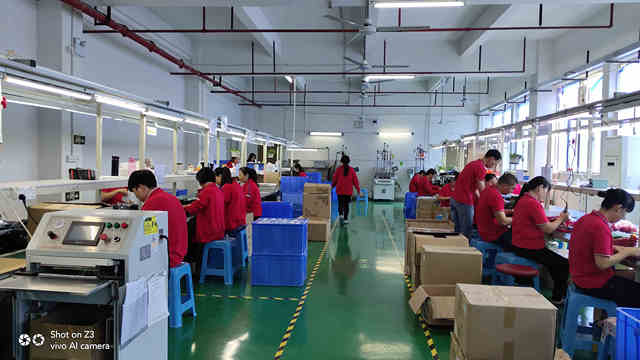
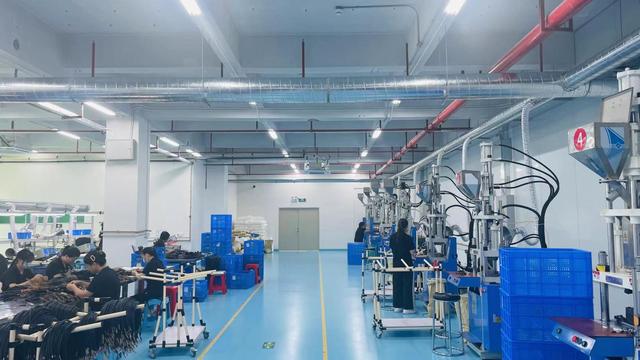
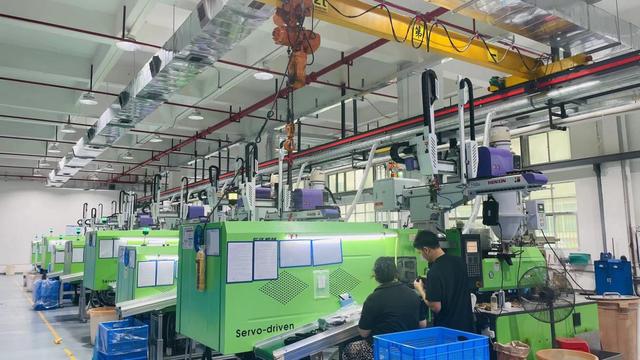
Our modern factory in Shenzhen implements state-of-the-art automation and advanced quality management systems. Shenzhen Kore Auto Co., Ltd. operates high-speed Surface Mount Technology (SMT) assembly lines, automated optical inspection (AOI) stations, and environmental chamber testing to ensure that our automotive tools deliver long-term reliability.
Every batch of circuit testers undergoes strict stress tests, including drop tests, temperature cycling (-20°C to +70°C), and electrostatic discharge (ESD) testing. This guarantees consistent diagnostic accuracy, even in tough workshop environments. We manage our entire supply chain internally, allowing us to maintain stable production times and product availability, despite global supply chain fluctuations.




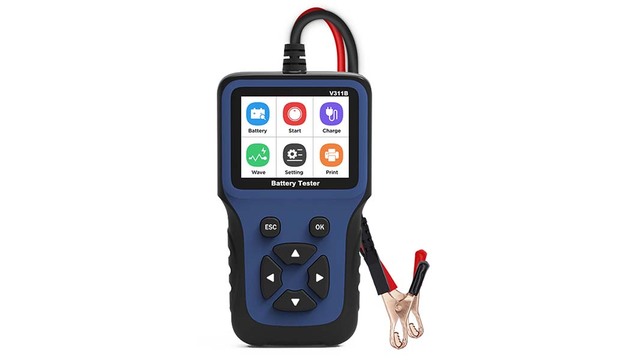

Industrial buyers and wholesale distributors require strict adherence to international safety and quality standards. Our circuit testers, voltage detectors, and battery analysis devices comply with essential global regulations:
All digital testing equipment features CE and FCC markings, proving compliance with European and North American electrical safety and electromagnetic compatibility (EMC) regulations.
Our lead-free, non-toxic manufacturing processes protect technician health and ensure environmentally sustainable end-of-life disposal.
To support international market expansion, we offer localized user manuals, user interface translations, and packaging customizations in English, Spanish, German, French, Portuguese, and Arabic.
Shenzhen Kore Auto Co., Ltd. provides reliable OEM and ODM support, including customized housing molds, branded screen printed enclosures, proprietary firmware development, and customized diagnostic connector kits. This allows distributors to offer tailored solutions that meet their specific local market demands.
To assist procurement departments, lead automotive instructors, and master mechanics, our engineering team has answered the most common questions regarding circuit diagnostic systems:
Traditional low-impedance test lights (which draw 200–300mA) can pull excessive current from sensitive ECU circuits, potentially burning out delicate driver transistors. Modern systems require high-impedance digital circuit testers (typically over 10MΩ), which draw negligible current (microamps) and protect the engine control unit from damage during diagnostic tests.
Tools like the EM415PRO Short Circuit Detector connect a transmitter to the target circuit, sending a high-frequency AC signal along the wire. When a technician moves the receiver probe along the harness, it detects the electromagnetic field. The signal stops at an open circuit or diverts to ground at a short, pinpointing the fault location without requiring the wire harness to be cut open.
Yes. Probes designed for digital signals display high and low voltage frequencies without grounding or pulling down the bus line. Advanced diagnostic tools like the TopDiag P200 can measure duty cycles, frequencies, and voltages simultaneously, allowing technicians to verify active bus communications without causing a network crash.
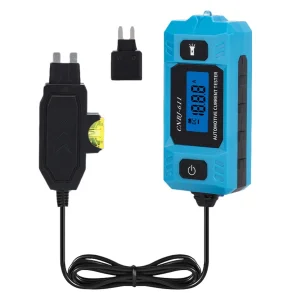
Voltage tests alone only show if a fuse is blown. A current tester, such as the CNBJ-611 Fuse Current Tester, plugs directly into the fuse socket to measure the circuit's current draw. This helps diagnose issues like parasitic draw, which drains batteries, and overloaded circuits, which blow fuses, by measuring currents up to 20A in real time.
Advanced diagnostic multimeters, continuity pens, and power probes optimized for heavy equipment, trucks, and high-performance workshop operations.
 Kore Auto