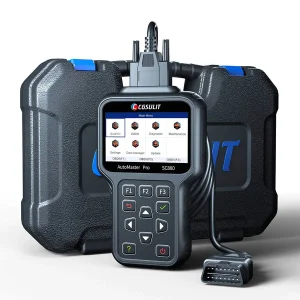
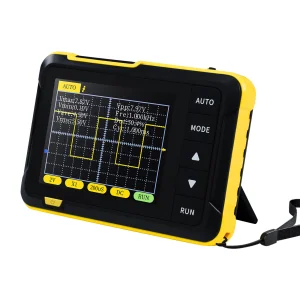
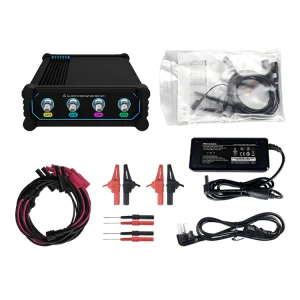
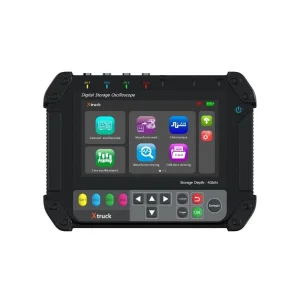
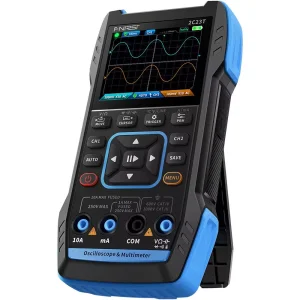
In modern automotive engineering and diagnostics, relying strictly on Diagnostic Trouble Codes (DTCs) generated by an On-Board Diagnostic (OBD) scanner is no longer sufficient. Diagnostic scanners rely on pre-programmed boundaries determined by a vehicle's Electronic Control Unit (ECU). These systems indicate what failed (e.g., misfires, signal range deviations), but they cannot trace the root cause, such as high-frequency noise, transient voltage spikes, resistive terminal corrosion, or bus line signal attenuation.
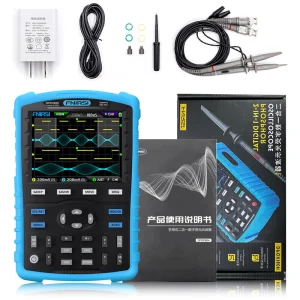
An automotive oscilloscope acts as a vital window into the real-time electrical environment of the vehicle, sampling sensor and actuator behaviors at millions of cycles per second. By visualizing electrical waves directly, mechanics, automotive engineers, and calibration specialists can debug complex issues on bus communication lines (such as CAN, CAN-FD, LIN, FlexRay, and Automotive Ethernet) as well as capture signal glitches on vital powertrain parameters.
Traditional diagnostic tools read data frames at intervals ranging from 10ms to 100ms. An automotive oscilloscope captures signal fluctuations on a microsecond scale, rendering rapid fluctuations visible.
Enables the direct monitoring of physical data buses. Analyzing waveform transitions, voltage levels, noise spikes, and rise times allows technicians to pinpoint physical defects easily.
By bypassing the ECU, the diagnostic specialist can directly probe actuators, solenoids, injectors, crankshaft/camshaft sensors, and ignition coils to test integrity directly.
For international distributors, industrial testing companies, and government vehicle inspection chains, acquiring diagnostic equipment involves strict criteria. Ensuring product longevity, compatibility, and software maintenance supports profitability and limits liability in critical operations.
A dual-channel configuration is adequate for primary correlation diagnostics (e.g., camshaft-to-crankshaft timing). However, troubleshooting contemporary multiplexed architectures or verifying multi-phase electric drive inverters demands a minimum of 4 to 8 physical channels.
High-speed communications networks require appropriate bandwidth. CAN-FD and Automotive Ethernet setups dictate a minimum threshold of 100MHz analog bandwidth and a real-time sampling frequency profile of 250 MSa/s to 1 GSa/s to preserve waveform accuracy without distortion.
Procuring units from a manufacturer with flexible engineering teams facilitates deep brand integration. This includes the customization of housing structures, customized UI software development, and specialized database setups matching local vehicle fleets.
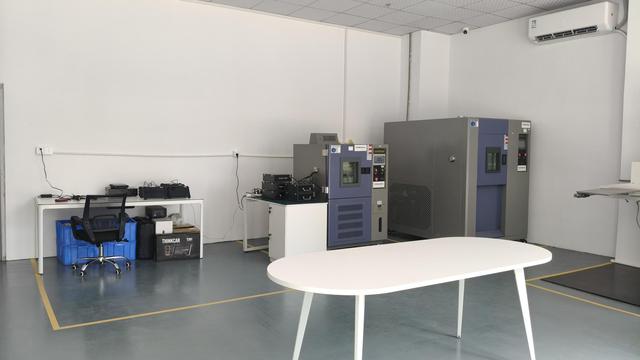
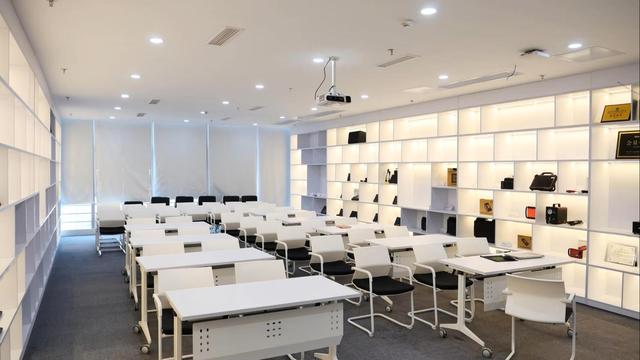
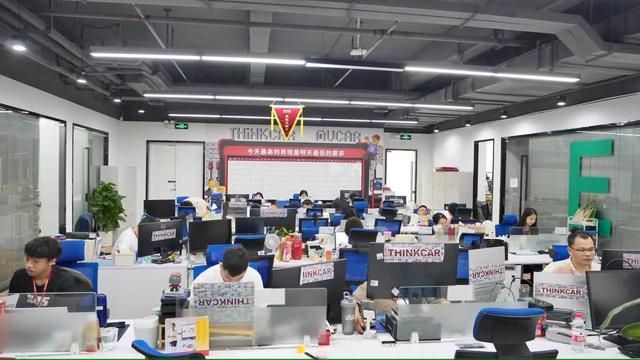
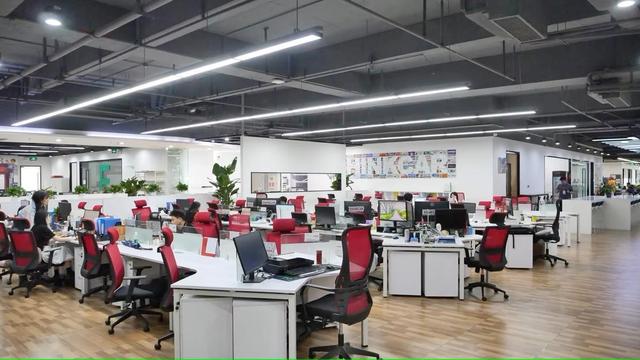
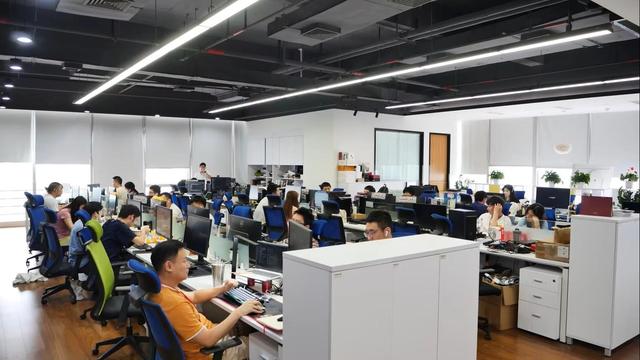
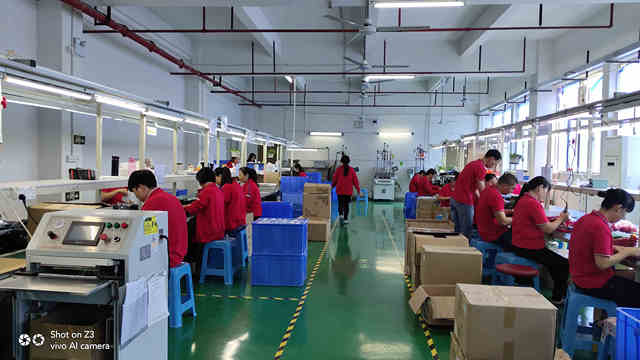
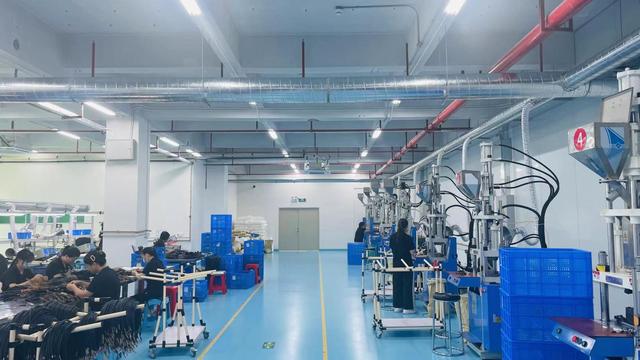
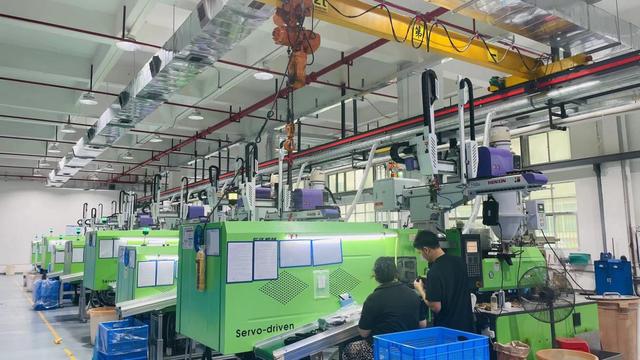
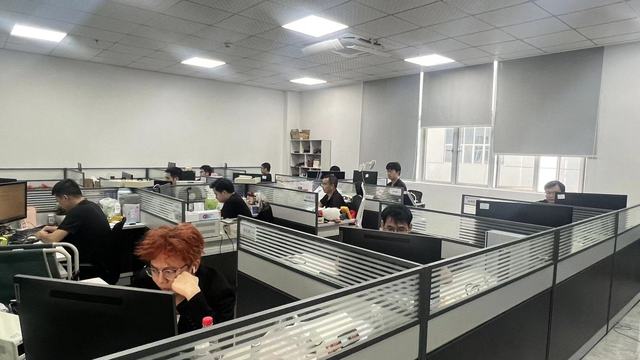
Shenzhen Kore Auto Co., Ltd. is a professional China automotive diagnostic tools manufacturer specializing in the development, production, and global supply of advanced vehicle diagnostic solutions for the automotive aftermarket industry. With extensive experience in automotive electronics and diagnostic technology, Kore Auto is committed to delivering intelligent, reliable, and high-performance diagnostic equipment to customers worldwide.
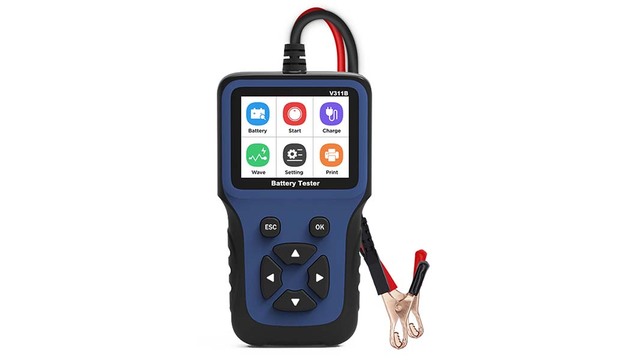
Our comprehensive product portfolio includes automotive diagnostic scanners, OBD diagnostic tools, ECU programming equipment, TPMS diagnostic systems, ADAS calibration equipment, battery testing devices, vehicle inspection systems, automotive oscilloscopes, remote diagnostic platforms, and customized diagnostic solutions. These products are widely used by automotive repair workshops, dealerships, fleet operators, vehicle inspection centers, and maintenance service providers.
Driven by innovation, Shenzhen Kore Auto continuously invests in research and development to keep pace with the rapidly evolving automotive industry, including electric and connected vehicles. Our experienced engineering team develops cutting-edge diagnostic technologies featuring comprehensive vehicle coverage, fast data processing, intelligent fault analysis, wireless connectivity, and user-friendly software interfaces.
Quality and reliability are fundamental to our success. Every product is manufactured under strict quality control standards and undergoes rigorous testing procedures to ensure stable performance, accuracy, and durability in demanding workshop environments. We also provide flexible OEM and ODM services, helping customers develop customized automotive diagnostic products tailored to specific market requirements.
Serving customers throughout Europe, North America, South America, Asia, the Middle East, and Africa, Shenzhen Kore Auto Co., Ltd. has established long-term partnerships with distributors, automotive service providers, and industry professionals worldwide.

The automotive sector is moving toward high-voltage architectures, Software-Defined Vehicles (SDV), and active advanced driving safety systems (ADAS). Consequently, diagnostic hardware must adapt to keep pace with these complex setups.
Hybrid and battery electric vehicles (HEV/EVs) function under voltages ranging from 400V to 800V DC. Standard low-voltage oscilloscopes run the risk of internal short-circuits and safety hazards if grounded incorrectly. Future platforms implement complete galvanic isolation between channels or support active differential probes up to 1000V.
ADAS, LIDAR systems, and camera systems depend on 100BASE-T1 Automotive Ethernet networks. Troubleshooting these installations requires an input channel bandwidth above 100MHz, complemented by integrated physical-layer protocol decoders to decode serialized datastreams directly on the diagnostic screen.
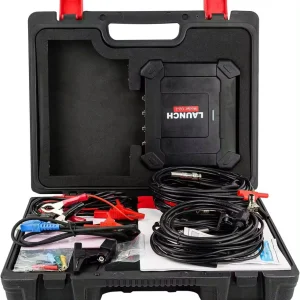
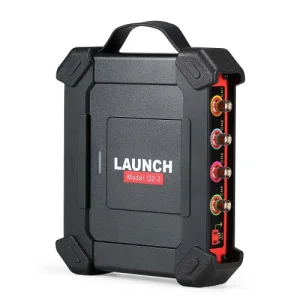
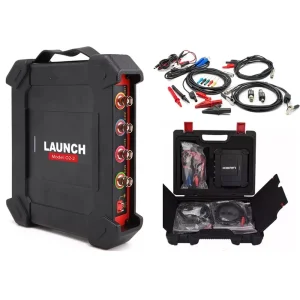
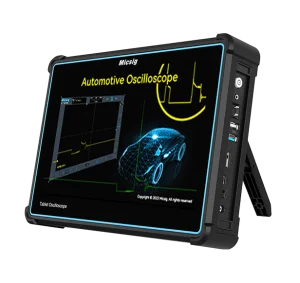
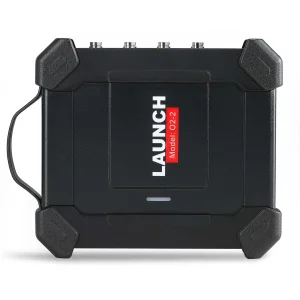
Compact, portable, and diagnostic-tablet integrated scopeboxes (like the LAUNCH X431 or Micsig series) are replacing bulky desktop lab equipment. These solutions use USB or Wi-Fi to send waveforms to Android diagnostic terminals, simplifying field data analysis for technicians.
Importing precision electronics into major global regions requires strict compliance with international product standards. High-voltage automotive environments produce high levels of electrical noise. Therefore, proper shielding and safety certifications are necessary to protect end users.
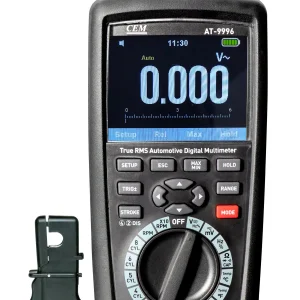
A digital multimeter (DMM) averages incoming voltages over time, updating the screen only a few times per second. An automotive oscilloscope can sample signal lines millions of times per second (MSa/s), allowing technicians to identify short-duration voltage drops, spikes, and high-frequency noise that a standard DMM cannot capture.
For standard low-voltage components, an 8-bit ADC resolution is typically sufficient. However, for precision measurement of high-voltage inverter switching behaviors, sensor drift, and resolver signal verification in electric vehicles, a 12-bit or higher vertical resolution offers the low noise floor and detail required for signal integrity analysis.
While two channels allow for simple sensor correlation tests, a four-channel oscilloscope is the standard for professional troubleshooting. Four channels allow technicians to simultaneously monitor crankshaft sensors, camshaft sensors, fuel injector command pulses, and ignition primary circuits to verify timing alignment.
Standard CAN bus setups require at least 20MHz bandwidth for troubleshooting. Newer CAN-FD networks need a minimum bandwidth of 50MHz to 100MHz to display signal edges accurately, while Automotive Ethernet systems require 100MHz to 200MHz bandwidth.
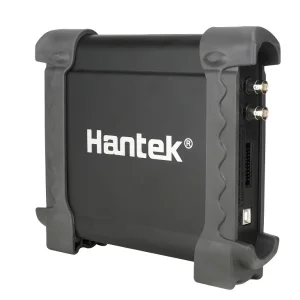
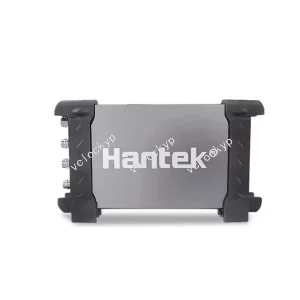
PC-based USB scopes utilize the processor, storage capacity, and screen size of a laptop or tablet, which reduces hardware costs and simplifies screen capture and analysis. Standalone handheld systems, while more self-contained, often have limited screen real estate and memory depths.
Technicians should always use certified high-voltage differential probes (CAT III 1000V / CAT IV 600V certified) and ensure the oscilloscope's ground is isolated from the vehicle chassis ground to prevent short-circuits. Proper Personal Protective Equipment (PPE), including high-voltage safety gloves, is also mandatory.
Deep memory allows the oscilloscope to record longer waveforms while maintaining a high sampling rate. If memory depth is limited, the device must reduce its sampling rate to record for longer periods, which can lead to missing transient glitches.
Yes, many modern automotive oscilloscopes (such as the Launch X431 Scopebox or USB modules) support integration. They connect directly to Android-based diagnostic tablets through dedicated client apps, giving technicians access to scanning and signal analysis on a single device.
 Kore Auto