Choosing the right diagnostic equipment for an auto repair shop is crucial. It affects efficiency, customer satisfaction, and profitability. As technology advances, knowing how to select diagnostic equipment for an auto repair shop is more important than ever.
Every tool has its strengths and weaknesses. Some are user-friendly, while others require training. Investing in the latest technology might seem appealing, but not all shops need cutting-edge devices. Understanding your specific needs can lead to informed choices.
Think about your clientele and the types of vehicles you service. Consider the volume of repairs you handle. Outdated tools could slow you down, but over-investing creates waste. Balancing quality and cost is essential. Reflection on past purchases may reveal patterns. Have your previous choices truly met your needs? Evaluating past investments can guide smarter future purchases.
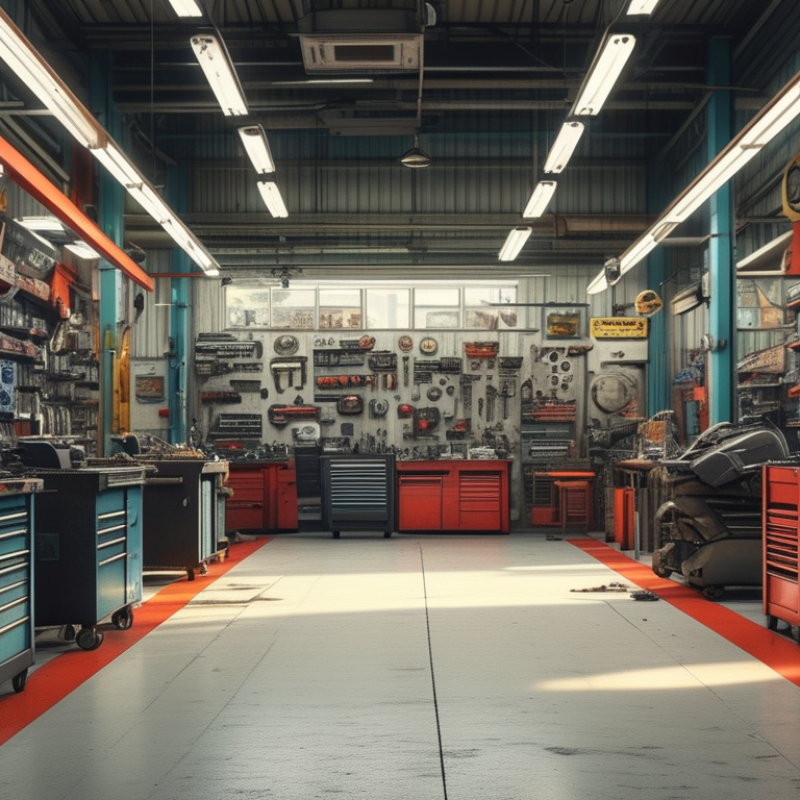
Diagnostic equipment is vital for auto repair shops. It enhances accuracy in identifying vehicle problems. According to a report by the Automotive Service Association, up to 80% of repair jobs involve some form of diagnostic work. This makes investing in reliable diagnostic tools crucial.
Choosing the right tools can be challenging. The market offers a wide range of options, from basic code readers to advanced diagnostic machines. Each tool has specific features that may suit different needs. A study by the International Automotive Technicians Network highlights that shops using advanced diagnostic equipment can reduce repair time by up to 30%. However, not all shops utilize these tools effectively. A lack of training and understanding can lead to inefficiencies.
Moreover, the evolving nature of vehicles requires continual updates in diagnostic equipment. Vehicles now come with complex electrical systems and software integrations. Auto repair shops must stay current to maintain their reliability. A report from the National Institute for Automotive Service Excellence states that shops investing in ongoing training and technology show a 50% increase in customer satisfaction. It is critical for shops to reflect on their current capabilities and adapt accordingly.
The chart below illustrates the key features importance of various diagnostic equipment used in auto repair shops. Understanding these facets helps in making informed decisions when selecting the right tools for efficient vehicle diagnostics.
Diagnostic equipment is essential for auto repair shops. It helps identify issues quickly and accurately. Among the most common types are OBD-II scanners, multimeters, and oscilloscopes. OBD-II scanners are user-friendly and read error codes from the car’s computer. This information aids technicians in diagnosing problems efficiently.
Multimeters measure voltage, current, and resistance. They are crucial for troubleshooting electrical issues. A technician may find a faulty sensor using this tool. Oscilloscopes are more advanced. They visualize electrical signals in real time. This can reveal issues that other tools might miss.
Choosing the right equipment is often challenging. Different shops have varying needs based on the vehicles they service. Investing in high-quality tools is essential, yet budget constraints exist. Some shops may need to compromise on certain features. It’s important to assess your specific requirements before making a purchase.
When selecting diagnostic equipment for auto repair shops, understanding key features is crucial. Consider the device's range of functionalities. Modern tools should cover engine diagnostics, ABS, airbag systems, and more. According to a 2021 industry report, 80% of repair shops rely on multi-functional diagnostic tools. This wide range can enhance both efficiency and accuracy in repairs.
User interface is another critical factor. Diagnostic tools should be user-friendly and accessible. Technicians have varying levels of experience. Complicated systems can lead to frustration and errors. A survey of 500 auto technicians showed that 70% prefer tools with intuitive interfaces. This choice boosts confidence and reduces training time.
Data management capabilities also matter. Modern diagnostic equipment should easily integrate with shop management software. Efficient data sharing improves workflow and customer service. A recent study indicated that shops using advanced diagnostic solutions saw a 25% increase in operational efficiency. However, not all tools offer seamless integration. Choosing the right equipment can directly impact a shop's success.
| Feature | Importance | Considerations |
|---|---|---|
| Compatibility with Vehicle Models | High | Ensure the tool covers a wide range of vehicle makes and models. |
| User-Friendly Interface | Medium | Look for intuitive navigation and clear display options. |
| Real-time Data Streaming | High | Allows for immediate diagnostics and troubleshooting. |
| Software Updates | High | Regular updates ensure the diagnostic tool remains effective. |
| Durability and Build Quality | Medium | Consider tools that can withstand workshop environments. |
| Cost and Value for Money | High | Assess the features offered relative to the price. |
In the world of auto repair, diagnostic equipment is essential. Many shop owners face the challenge of balancing cost and quality. According to the Automotive Repair Industry Report, over 50% of shop owners worry about spending too much on tools. Quality equipment can lead to better diagnostics. However, investing too heavily might strain a shop's budget.
Understanding what to prioritize can help. Some diagnostic tools offer basic functions at lower prices. These may not provide the depth needed for complex issues. For instance, a simple scanner might suffice for routine maintenance. Yet, it lacks the advanced features needed for modern vehicles. Research indicates that high-quality diagnostic tools can improve repair accuracy by nearly 30%. This improvement can enhance customer satisfaction.
Costly equipment doesn’t always guarantee better performance. An ideal balance considers both short-term needs and long-term benefits. Shops should evaluate how often they perform advanced diagnostics. Investing in versatile tools can yield greater returns. Reliable data is vital when making purchasing decisions. It's important to reflect on the unique requirements of your shop.
As automotive technology advances, diagnostic tools must evolve. Recent reports suggest that the global automotive diagnostic tools market is projected to reach $45 billion by 2027, growing significantly. Repair shops must stay ahead of these trends to remain competitive.
One emerging trend is the integration of artificial intelligence (AI) in diagnostics. AI systems can analyze vast amounts of data from vehicle sensors quickly. This capability reduces diagnostic times and increases accuracy. However, it's critical for repair shops to invest in training staff to interpret AI-generated data effectively. Without experienced personnel, the technology's potential is limited.
Another important development is the rise of cloud-based diagnostic solutions. These platforms offer remote access to real-time data, enhancing collaboration. Repair shops can share insights and findings with teams. However, reliance on internet connectivity raises concerns about data security and reliability. It's essential for shops to implement robust cybersecurity measures to protect their customers’ information while embracing these new technologies.
: Diagnostic equipment is essential for accurate problem identification in vehicles. It impacts up to 80% of repair jobs.
Shops struggle with a wide variety of options. The right tool depends on specific needs and features.
Using advanced tools can cut repair time by up to 30%. However, not all shops use these tools effectively.
Key features include functionality range, user interface, and data management capabilities. Each impacts efficiency.
A user-friendly interface boosts tech confidence and reduces errors. Complicated systems can frustrate less experienced technicians.
Yes, many shop owners worry about overspending. Quality tools lead to better diagnostics but can strain budgets.
Investing in ongoing training and technology can increase customer satisfaction by 50%. It's essential to adapt continuously.
Basic tools might suffice for routine maintenance but lack depth for complex issues in modern vehicles.
Efficient data sharing with management software improves workflow and customer service significantly.
Each shop has unique requirements. Understanding these can help in making better equipment purchasing decisions.
Choosing the right diagnostic equipment for an auto repair shop is crucial for ensuring efficient and accurate repairs. This involves understanding the importance of diagnostic tools, which can significantly enhance the shop's productivity and service quality. When considering how to select diagnostic equipment for an auto repair shop, it's important to be aware of the various types of tools available, such as OBD-II scanners, multimeters, and oscilloscopes. Key features to consider include user-friendliness, compatibility with different vehicle models, and the scope of diagnostic capabilities.
Balancing cost and quality is another essential factor in this decision-making process, as investing in high-quality equipment can lead to long-term savings and improved customer satisfaction. Finally, staying informed about future trends in automotive diagnostic technology will help repair shops adapt to the evolving landscape, ensuring they remain competitive in the industry. By following these guidelines, shop owners can make informed choices that enhance their diagnostic capabilities and overall service.

Kore Auto