
In the demanding world of internal combustion engine maintenance, diagnostic accuracy is directly proportional to operational profitability. The global market for cylinder leakage testers (also widely known as leak-down testers) has transitioned from simple workshop-level instrumentation to high-precision, calibration-intensive diagnostic arrays used across military, marine, heavy machinery, automotive racing, and industrial generator fleets.
Traditional compression testers only measure dynamic pressure generated during the compression stroke, which can easily hide minor valve micro-fissures or slight piston ring deterioration due to the rapid velocity of the piston movement. In contrast, Cylinder Leakage Testers operate under static conditions, forcing compressed air into the combustion chamber at Top Dead Center (TDC). This method isolates cylinder sealing issues with mathematical precision, enabling engineers to identify exactly where pressurized air is escaping: the intake valve, the exhaust valve, the head gasket, or the piston rings.
Globally, as fleet operators face stringent emission standards and seek extended life cycles for multi-million dollar assets, early stage wear detection has become paramount. Leading logistics operators, municipal rail authorities, and marine engineers have integrated dual-gauge leakage testing into their standardized preventive maintenance schedules. The result is a significant decrease in unexpected roadside failures and major reductions in workshop downtime.
To grasp the superiority of static leakage diagnostics, one must examine the physics of differential pressure. A premium leakage tester routes pressurized air through a standardized restriction orifice—usually calibrated to exactly 0.040 inches (1.016 mm) in diameter for standard automotive applications, or customized sizes for large-bore locomotive engines.
"Differential pressure testing measures the rate at which a localized volume of air escapes past mechanical seals relative to a calibrated orifice standard. This provides an absolute percentage score representing the sealing efficacy of the combustion chamber."
The dual-gauge manifold operates by displaying the source air pressure on the primary gauge (regulated strictly at 100 PSI or 80 PSI) and displaying the remaining pressure within the cylinder on the secondary gauge. The delta between the two gauges is calculated directly as a percentage of loss:
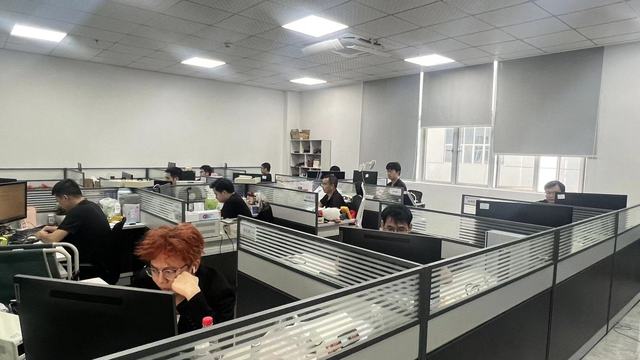
China's dominance in automotive diagnostic instrumentation manufacturing is represented by its highly integrated supply chain ecosystem. At the forefront of this industrial sector is Shenzhen Kore Auto Co., Ltd., a professional manufacturer specializing in the development, production, and global supply of advanced automotive electronics and diagnostic systems.
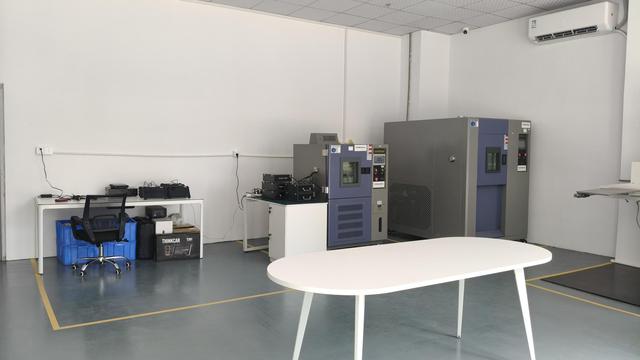
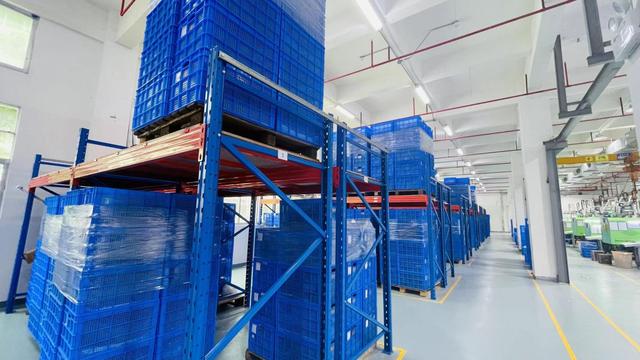
The manufacturing efficiency of premium Chinese diagnostic factories is not merely about cost reduction—it is built on high-precision engineering. Cylinder leakage tester production requires specialized machining of anodized aluminum manifolds, absolute calibration of dual-gauge mechanics, and high-performance rubber compounds for high-pressure hose assemblies.
Strict manufacturing compliance under ISO9001 and CE frameworks guarantees high accuracy and repeatability in challenging workshop environments.
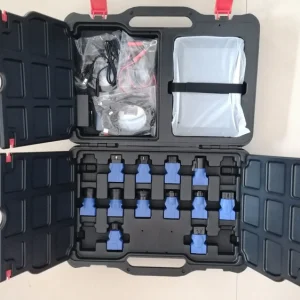
Seamlessly matching analog gauge blocks with smart MCU diagnostics, creating hybrid testing frameworks compatible with modern OBD2 data pipelines.
Flexible manufacturing lines allowing rapid customization of adapter threads, gauge faces, branding, and protective hardcase structures.
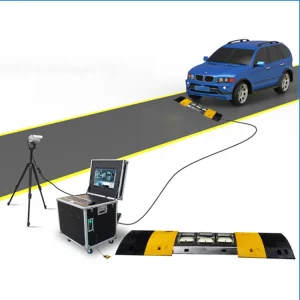
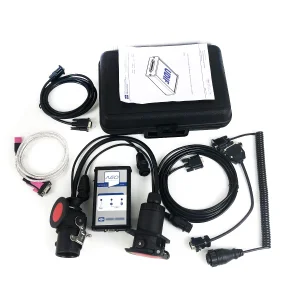
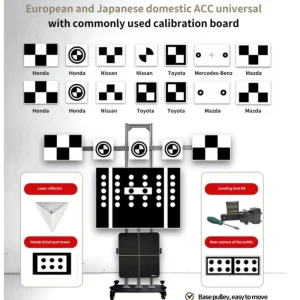
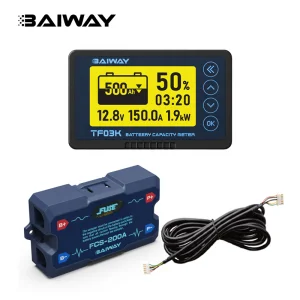
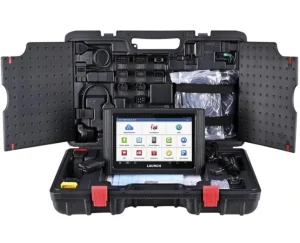
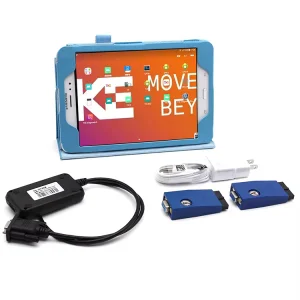
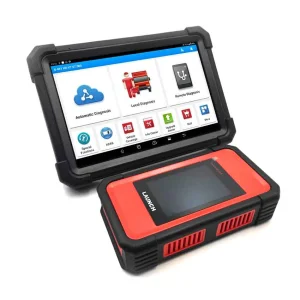
Shenzhen Kore Auto Co., Ltd. continuously invests in R&D to align with rapid technological shifts. Their comprehensive portfolio includes automotive diagnostic scanners, OBD diagnostic tools, ECU programming equipment, TPMS diagnostic systems, ADAS calibration equipment, battery testing devices, vehicle inspection systems, and customized diagnostic solutions. With an experienced engineering team developing cutting-edge technology, their diagnostic systems feature comprehensive vehicle coverage, fast data processing, and user-friendly software interfaces.




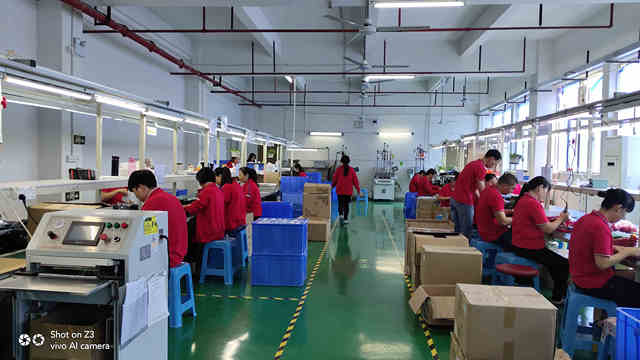
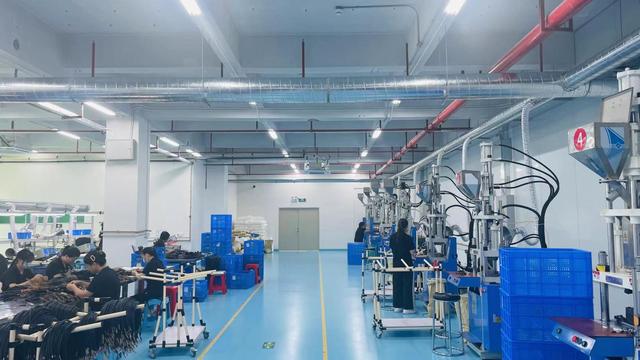
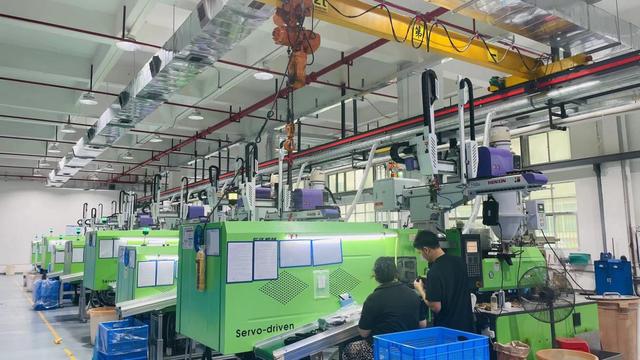
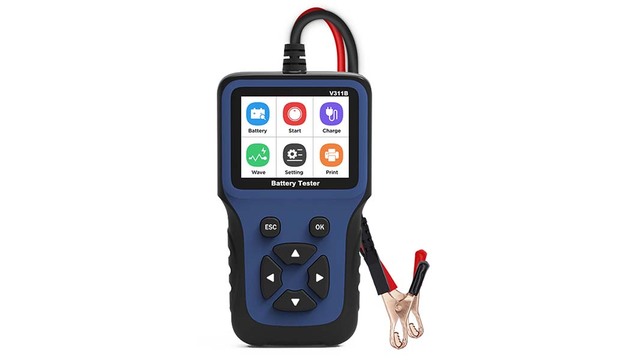
The requirements for cylinder leakage testing differ significantly based on the localized operating environment. High-quality diagnostic tool manufacturers must supply dynamic kits that accommodate these specific operational realities.
For long-haul logistics networks, vehicle downtime represents a direct loss of revenue. Fleet maintenance centers utilize 100 PSI industrial cylinder leakage testers to screen diesel engines during standard 100,000-mile comprehensive checks. By measuring leak-down rates, technicians identify carbon build-up on exhaust valves before they burn out completely, preventing catastrophic highway engine failures.
In professional racing, engines operate close to their thermal limits. Microscopic deviations in piston ring seal or head gasket integrity can result in lost horsepower and engine failure. Racing workshops rely on specialized leakage testers with dual-gauge systems featuring fine 1% resolution increments. Checking leakage between heat cycles allows teams to monitor cylinder wall wear and adjust ring end-gaps to maintain maximum cylinder pressure.
Offshore vessels and emergency backup generators cannot tolerate unexpected engine downtime. Because these engines run at constant load factors, static leakage testing is used to detect early signs of cylinder wear without disassembling the heavy cast-iron blocks. Marine engineers use specialized, long-reach flex adapters (M18 thread) to access deep cylinder recesses in large-displacement engines.
The internal combustion engine diagnostic market is undergoing a major digital transition. While analog mechanical gauges remain the industry standard due to their simplicity and durability, electronic leakage measurement is growing rapidly.
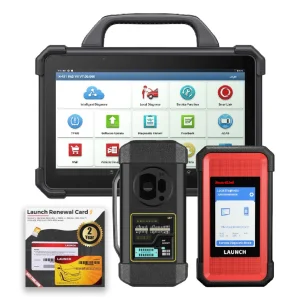
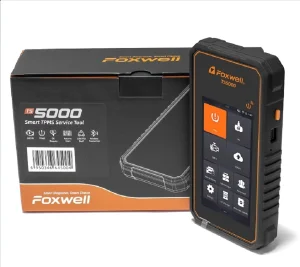
Future developments focus on incorporating digital pressure transducers inside the test manifold. These sensors capture pressure decay in real time and send high-resolution decay curves via Bluetooth to diagnostic tablets like the Launch X431 series or Foxwell TS5000.
"The integration of digital pressure sensors allows workshops to transition from simple pass/fail assessments to cloud-based diagnostic histories, mapping the engine's long-term wear trends."
Additionally, the rise of hybrid electric vehicles (HEVs) requires specialized testing protocols. Even as battery testing equipment becomes more common, the internal combustion range-extender engines in hybrid drivetrains require regular leak-down testing to ensure the engine remains reliable during unexpected start-ups.
International buyers must evaluate potential suppliers based on specific quality standards. Below is a checklist for evaluating cylinder leakage tester factories:
Insist on class 1.6 or class 1.0 pressure gauges (with accuracy tolerances within ±1.6% or ±1.0% of full scale) to prevent false diagnostic readings.
Select heavy-duty brass or anodized aluminum blocks. Avoid low-grade cast alloys that can develop micro-cracks under high inlet air pressures.
Verify that rubber hoses are reinforced with high-tensile braided fiber, rated for at least 300 PSI working pressure, and remain flexible in cold workshop temperatures.
Ensure the kit includes multiple thread configurations (M10 x 1.0mm, M12 x 1.25mm, M14 x 1.25mm, and M18 x 1.5mm) to support diverse passenger car and truck fleets.
Shenzhen Kore Auto Co., Ltd. addresses these requirements by manufacturing high-precision diagnostic tools with strict quality control. Every unit is tested under real-world pressure loads before shipment, ensuring reliable accuracy, durability, and stable performance in demanding workshop environments.
 Kore Auto