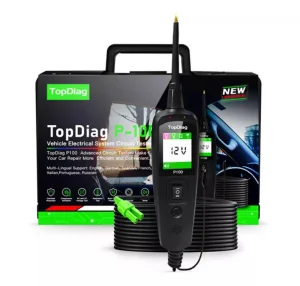
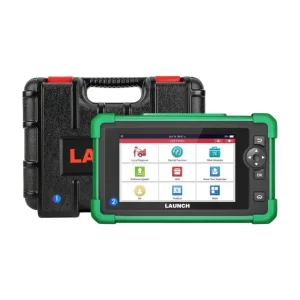
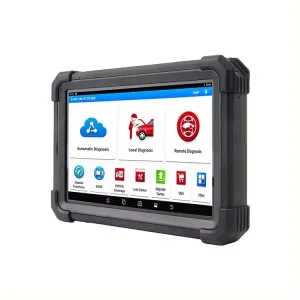
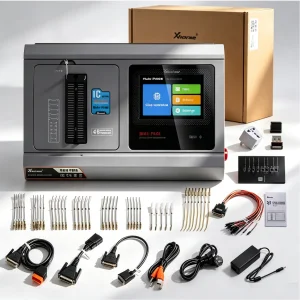
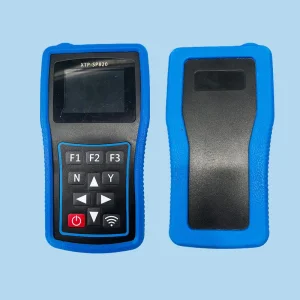
Shenzhen Kore Auto Co., Ltd. is a professional China automotive diagnostic tools manufacturer specializing in the development, production, and global supply of advanced vehicle diagnostic solutions for the automotive aftermarket industry. With extensive experience in automotive electronics and diagnostic technology, Kore Auto is committed to delivering intelligent, reliable, and high-performance diagnostic equipment to customers worldwide.
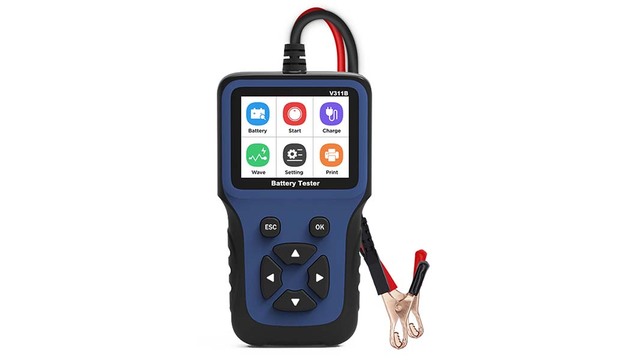
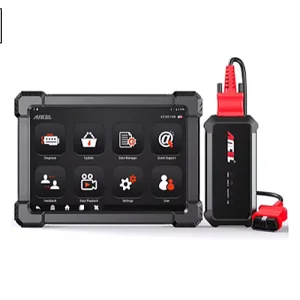
Our comprehensive product portfolio includes automotive diagnostic scanners, OBD diagnostic tools, ECU programming equipment, TPMS diagnostic systems, ADAS calibration equipment, battery testing devices, vehicle inspection systems, automotive oscilloscopes, remote diagnostic platforms, and customized diagnostic solutions. These products are widely used by automotive repair workshops, dealerships, fleet operators, vehicle inspection centers, and maintenance service providers.
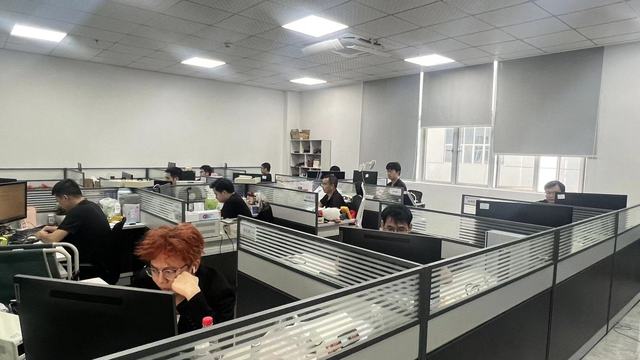
Driven by innovation, Shenzhen Kore Auto continuously invests in research and development to keep pace with the rapidly evolving automotive industry, including electric and connected vehicles. Our experienced engineering team develops cutting-edge diagnostic technologies featuring comprehensive vehicle coverage, fast data processing, intelligent fault analysis, wireless connectivity, and user-friendly software interfaces.
Quality and reliability are fundamental to our success. Every product is manufactured under strict quality control standards and undergoes rigorous testing procedures to ensure stable performance, accuracy, and durability in demanding workshop environments. We also provide flexible OEM and ODM services, helping customers develop customized automotive diagnostic products tailored to specific market requirements.
Serving customers throughout Europe, North America, South America, Asia, the Middle East, and Africa, Shenzhen Kore Auto Co., Ltd. has established long-term partnerships with distributors, automotive service providers, and industry professionals worldwide.
The global automotive aftermarket is undergoing a fundamental paradigm shift. As national governments enforce stringent emission regulations and subsidies boost the sale of new energy vehicles (NEVs), the demand for specialized Hybrid Diagnostic Tools and Electric Vehicle (EV) battery testers has escalated exponentially. Traditional internal combustion engine (ICE) diagnostic equipment is insufficient when faced with high-voltage battery modules, complex battery management systems (BMS), thermal runaway prediction networks, and dual-powertrain control units.
Hybrid powertrains coordinate dynamic operation between an internal combustion engine and one or more electric motor-generators. This synchronization is mediated by sophisticated electronic control units (ECUs) communicating via high-speed communication buses like CAN-FD and Automotive Ethernet. Establishing high-fidelity communication with these multi-faceted components requires intelligent scan tools capable of multi-channel decoding and real-time high-rate telemetry analysis. China, as the epicenter of EV development and manufacturing, hosts advanced diagnostic engineering facilities like Shenzhen Kore Auto Co., Ltd., driving lower hardware acquisition costs while offering state-of-the-art diagnostic algorithms globally.
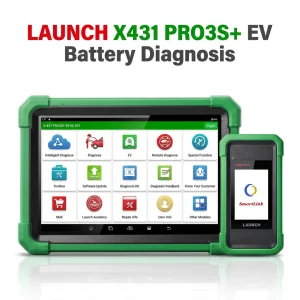
Modern hybrid diagnostic equipment bypasses generic OBDII limitations to probe individual battery cell state-of-charge (SOC), state-of-health (SOH), degradation matrices, and internal temperature variations to identify early cell imbalances before systemic failures occur.
Decoupling glitches between inverter modules, regenerative braking systems, and combustion assist cycles requires bi-directional diagnostic scanners capable of monitoring real-time torque commands and high-voltage bus transitions.
Hybrid powertrains utilize active liquid cooling and refrigeration bypass lines to maintain battery cells at optimal temperatures. Our diagnostic tools interrogate electric water pumps, proportional cooling valves, and thermal expansion values.
Modern hybrid and EV diagnostic architectures demand high bandwidth and ultra-low latency. Legacy OBD interfaces operating under the standard ISO 9141-2 or even standard high-speed CAN (Controller Area Network) lines are bottlenecked by throughput limits. To safely configure, recalibrate, and flash hybrid controllers, modern equipment must support high-tier communication protocols:
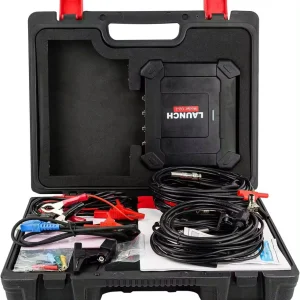
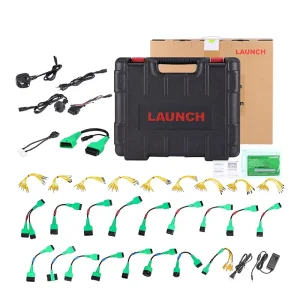
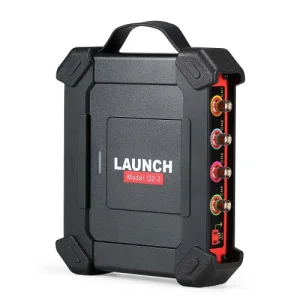
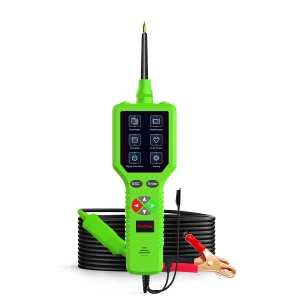
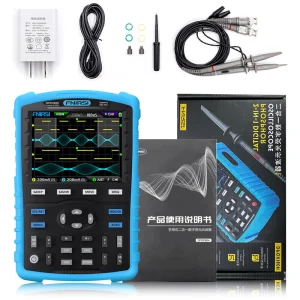
To analyze the complex physical signals found in modern power electronic systems, technicians rely on devices like the DPOX180H Dual-Channel Handheld Oscilloscope or the Launch X431 O2-2 Scopebox. These high-speed oscilloscopes allow repair garages to capture analog signals, visualize high-frequency pulse-width modulated (PWM) gate-driver signals, and inspect localized CAN bus noise to find communication bugs and wire faults.
Diagnosing complex machinery is not a one-size-fits-all endeavor. Different industries require customized solutions to optimize operations, reduce downtime, and maintain safety protocols. Kore Auto's product line spans multiple vertical applications:
For municipal transit systems operating hybrid buses and logistics companies using hybrid delivery fleets, diagnostic devices like the Launch X431 V+ Smartlink HD provide central fleet managers with remote cloud diagnostic capabilities. They track battery thermal cycles and run active regenerations to prevent route disruptions.
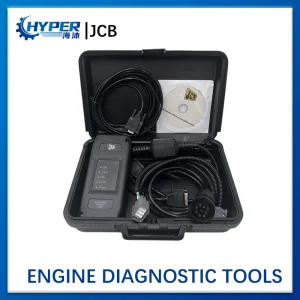
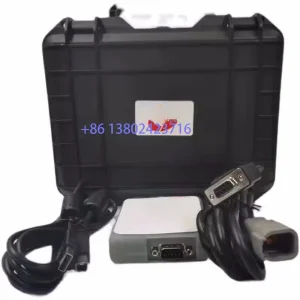
Industrial settings require durable diagnostic systems designed to withstand harsh environments. Specialized components, such as the Yanmar Excavator Diagnostic Tool and the JCB Excavator Diagnostic Engine Tool, allow onsite mechanics to inspect complex hydraulic controllers, run engine calibrations, and reset tier-4/tier-5 emission parameters directly in the field.
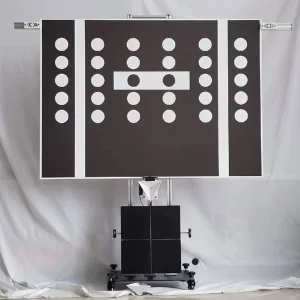
Post-collision repairs on hybrid and electric vehicles require system-wide safety resets. Integrating an ADAS Portable Diagnostic Tool allows technicians to align millimeter-wave radar sensors, lane departure cameras, and blind-spot monitors, ensuring these sensors coordinate safely with the vehicle's drive control systems.
Before working on high-voltage components, technicians must verify system safety. Our diagnostic devices allow garages to check isolation resistance, verify high-voltage contactor relays, and ensure the vehicle is safely powered down before disassembly.
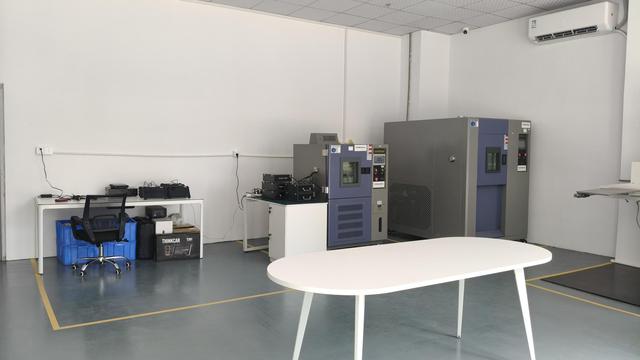
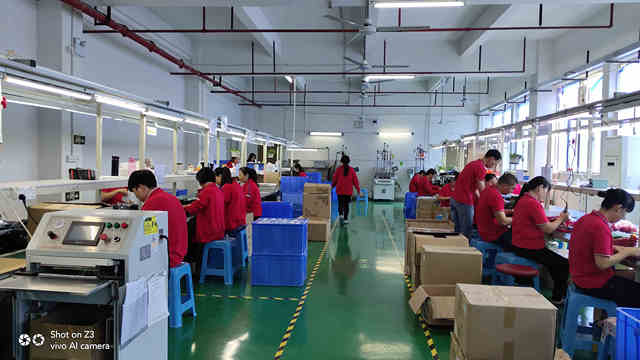
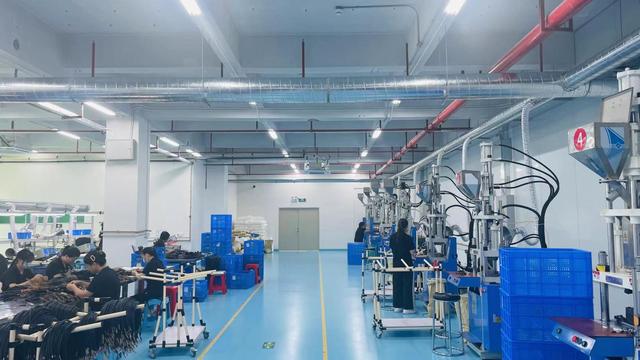
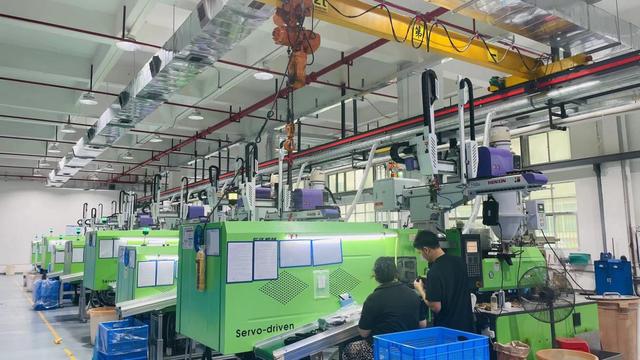
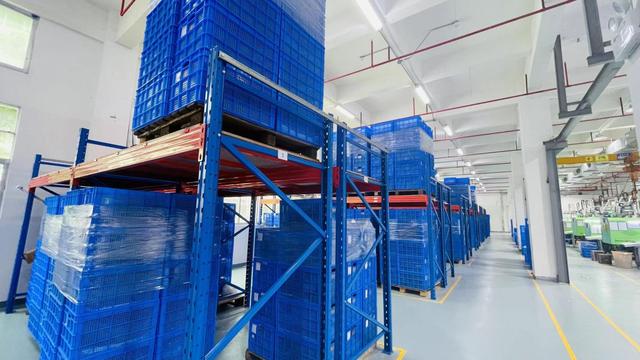
Reliable diagnostic tools require precise engineering and cleanroom manufacturing environments. Shenzhen Kore Auto Co., Ltd. utilizes surface mount technology (SMT) lines, temperature-controlled burn-in rooms, and automated testing rigs to produce diagnostic devices that perform under harsh garage conditions. View our production and validation facilities:




Get technical insights directly from our diagnostic engineering team to resolve operational questions about hybrid and high-voltage diagnostic tools.
Standard OBD2 scan tools are designed primarily for emissions-related powertrain parameters (SAE J1979). They lack the proprietary communication interfaces and commands needed to interact with the Battery Management System (BMS), Hybrid Control Unit (HCU), or the inverter. High-voltage hybrid vehicles use manufacturer-specific networks operating on CAN-FD, Automotive Ethernet, or DoIP. Accessing these systems requires specialized diagnostic tools with custom firmware to read data from individual cell modules, insulation sensors, and regenerative braking controllers.
A professional new energy diagnostic tool should support: 1) High-voltage isolation testing to safely verify system safety; 2) Bi-directional control capabilities to test inverter switches and coolant pumps; 3) Live-data graphing for individual battery cell voltages (allowing technicians to detect imbalances); 4) Complete support for modern communication standards (DoIP, CAN-FD, and J2534 Pass-thru) to handle firmware updates; and 5) Comprehensive vehicle library updates to support both legacy models and new EV platforms.
Heavy machinery and agricultural equipment run on specific industrial communication protocols (predominantly SAE J1939 and specialized CAN configurations) rather than standard automotive OBD protocols. Diagnostics for these vehicles must connect to heavy-duty interfaces to read specific parameter IDs (PIDs) for hydraulic pressures, mechanical PTO configurations, diesel particulate filter (DPF) soot levels, and selective catalytic reduction (SCR) systems. They must also withstand demanding field conditions, featuring ruggedized, dust-proof, and moisture-resistant hardware designs.
While diagnostic scanners read decoded fault codes (DTCs) from the vehicle computer, oscilloscopes (like the 4-channel Launch X431 O2-2 Scopebox) capture physical electrical signals in real time. This is critical for diagnosing intermittent communication faults, CAN bus noise, malfunctioning actuator solenoids, and crank/cam sensor signal integrity. By visualizing voltage changes over time, technicians can pinpoint physical wiring issues, corroded pins, and signal distortions that scanners cannot detect.
Kore Auto offers comprehensive OEM/ODM customization services, including custom tool casing designs, targeted diagnostic software modules, customized localized user interfaces, custom packaging, and custom firmware integration. This enables regional distributors to offer diagnostic equipment tailored to the unique vehicle models, languages, and compliance standards of their local markets.
Many modern vehicle manufacturers implement Secure Gateway (SGW) modules to block unauthorized OBD diagnostics and programming commands. Kore Auto's modern diagnostic platforms support secure validation protocols. By integrating with official OEM registration portals, our tools allow technicians to unlock and run bi-directional tests, clear fault codes, and configure replacement modules on secure vehicles.
 Kore Auto