Precision-engineered hardware and diagnostic instruments serving professional workshops worldwide.
In the ongoing pursuit of strict environmental preservation and optimal fuel mileage, Gasoline Direct Injection (GDI) technology has emerged as the definitive standard for modern internal combustion engines (ICE). Unlike traditional Port Fuel Injection (PFI) systems where fuel is introduced into the intake manifold at low pressure, GDI systems inject fuel directly into the combustion chamber under immense pressures, often exceeding 150 to 350 bar. While this engineering approach significantly increases thermal efficiency and reduces CO2 emissions, it subjects the fuel injectors to extreme thermal and chemical stress.
"According to industrial emission metrics, over 75% of new light-duty gasoline passenger vehicles globally implement some form of direct injection. However, injecting fuel directly into the harsh environment of the cylinder leaves the injector nozzles highly susceptible to carbon fouling, fuel baking, and micro-particle blockages."
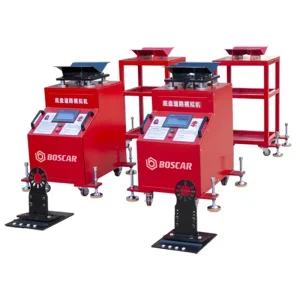
These carbon deposits, derived from incomplete combustion and oil vapours, quickly accumulate on the injector tips. Due to the microscopic tolerances of modern GDI nozzle orifices, even a minor layer of carbon can drastically alter the spray pattern, reduce fuel flow, and disrupt atomization. The resultant symptoms—including cylinder misfires, increased particulate emissions, poor drivability, and pre-ignition (LSPI)—necessitate specialized diagnostics. This is where advanced GDI Fuel Injector Cleaning and Testing Tools become indispensable, providing commercial garages and industrial rebuild centers with the capability to restore injector spray patterns to OEM parameters.
Standard cleaning machinery designed for older PFI injectors lacks the diagnostic capability, pulse-width modulation, and operating pressures needed to validate modern GDI components.
Utilizing sweep frequency ultrasonic waves, our equipment produces millions of microscopic imploding vacuum bubbles within the cleaning bath. This process, known as cavitation, physically strips baked-on carbon from critical internal galleries without damaging delicate internal parts.
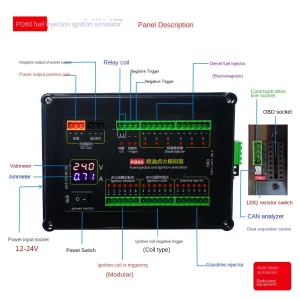
Modern engine control units (ECUs) monitor injector current curves down to the millisecond. Our diagnostic tools run automated resistance and inductance profiling to verify the status of the electromagnetic coils or piezo actuators inside the injector assembly.
Equipped with specialized fuel rail simulations, our systems replicate engine pressures. Operators can visually verify spray angle, droplet distribution, and seal integrity under load, avoiding premature or incorrect injector replacements.
Leveraging Shenzhen's advanced electronics ecosystem to produce high-precision automotive diagnostic equipment at scale.
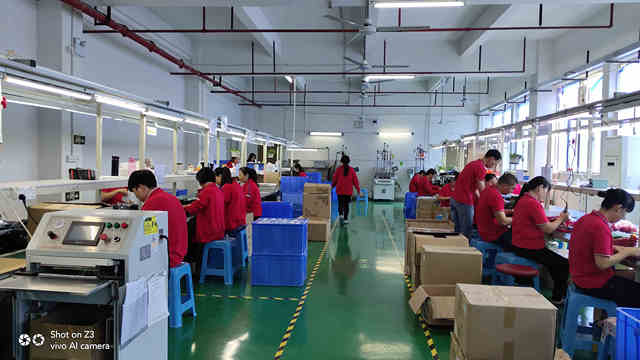
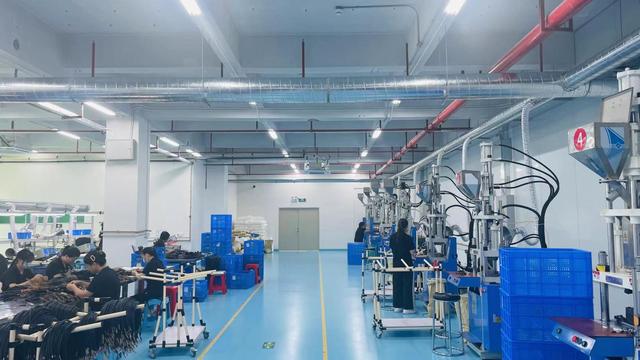
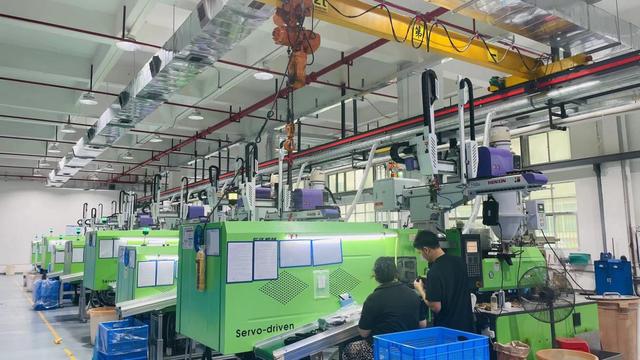
As the global automotive aftermarket demands shorter product development cycles and higher technological integration, China’s industrial manufacturing model has evolved. Shenzhen has established itself as the center of this transition, combining localized hardware production, silicon IC sourcing, and software engineering into a highly integrated supply chain. This concentration of resources allows manufacturers to transition from schematic design to field-ready prototypes rapidly compared to traditional industrial manufacturing hubs.
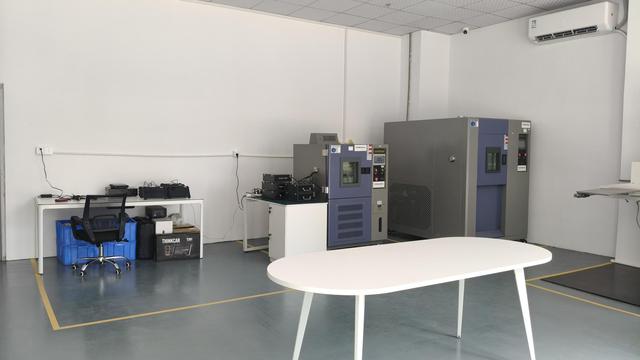
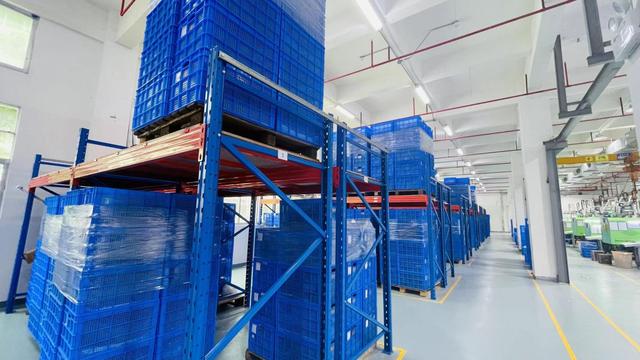
For global distributors and buyers, sourcing GDI Fuel Injector Cleaning Tools from a specialized Chinese OEM offers significant efficiency benefits. This integration reduces transportation costs of sub-components, minimizes manufacturing lead times, and allows for rapid software updates to match the constant flow of new vehicle models. At Shenzhen Kore Auto Co., Ltd., we combine this efficiency with strict quality control. Each unit undergoes multi-hour burn-in procedures, electronic load testing, and pressure chamber calibration to ensure it meets international trade and safety directives (CE, FCC, RoHS).
In urban regions where stop-and-go driving accelerates carbon build-up, independent garages utilize our cleaning benches to offer diagnostic services. This generates a high-margin service line while resolving customer complaints about fuel consumption and rough idling.
For shipping, transport, and delivery fleets, keeping fuel consumption low is critical. Regular diagnostic inspections using our systems identify failing or leaking injectors early, protecting catalytic converters and lowering operating costs.
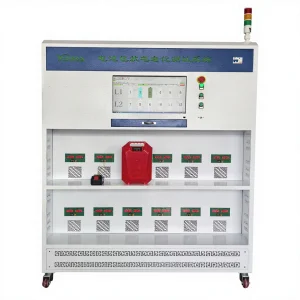
Core rebuilders and injector salvage companies depend on our high-pressure flow benches to batch-test and match flow rates across rebuilt injectors. This ensures that every shipped set matches the tight flow tolerances required by modern engines.
Key developments shaping the next generation of workshop diagnostic and maintenance hardware.
As passenger vehicle manufacturers increasingly transition from solenoid-actuated injectors to ultra-fast Piezoelectric injectors, diagnostic equipment must adapt. Future cleaning systems will feature programmable driver modules capable of generating the high-voltage pulses required to actuate piezo crystals safely.
Modern workshops require connected ecosystems. Future diagnostic benches will feature Wi-Fi and Bluetooth connectivity, allowing technicians to upload flow test results to customer reports, access cloud databases for OEM flow specs, and download regular firmware updates.
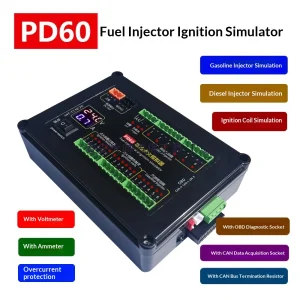
To maximize workshop floor space, repair facilities are moving away from single-purpose equipment. Next-generation systems will integrate gasoline direct injection (GDI) and common rail diesel (CRDI) testing into a single, compact diagnostic station, providing a higher return on investment.
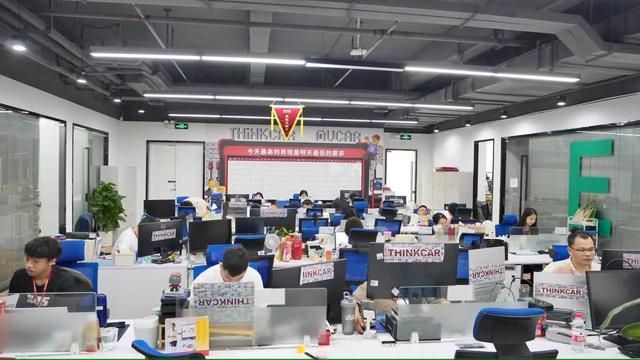
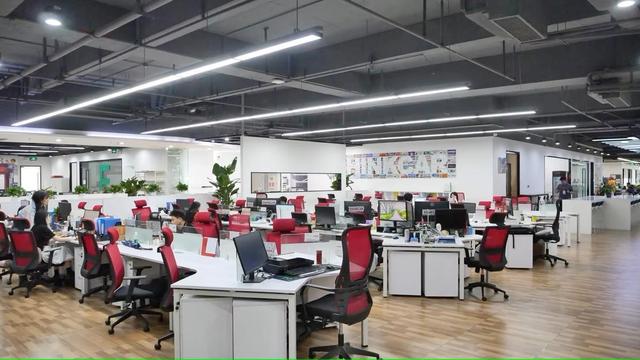
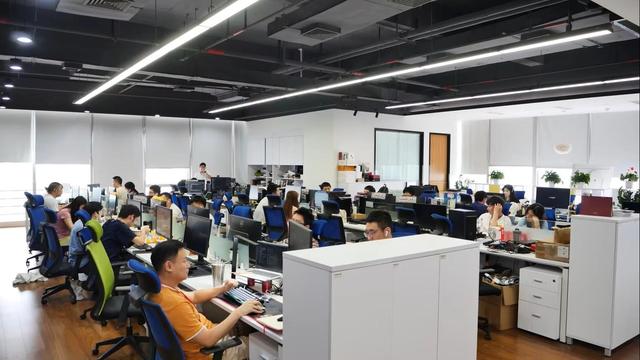
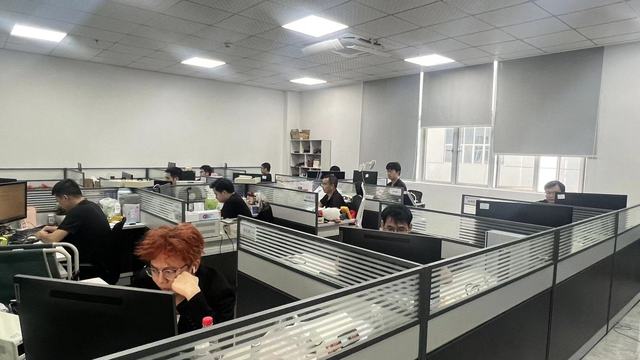
Shenzhen Kore Auto Co., Ltd. is a professional China automotive diagnostic tools manufacturer specializing in the development, production, and global supply of advanced vehicle diagnostic solutions for the automotive aftermarket industry. With extensive experience in automotive electronics and diagnostic technology, Kore Auto is committed to delivering intelligent, reliable, and high-performance diagnostic equipment to customers worldwide.
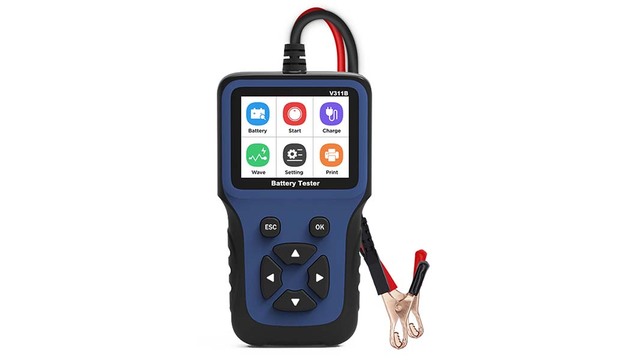
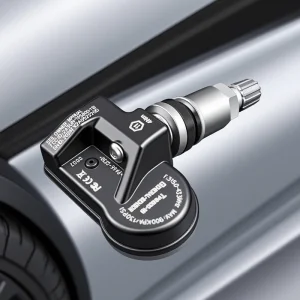
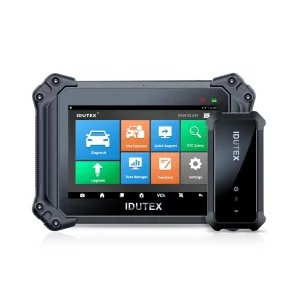
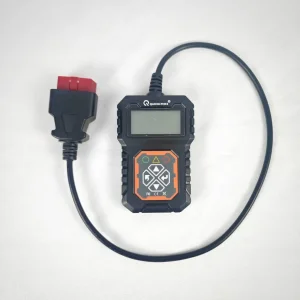
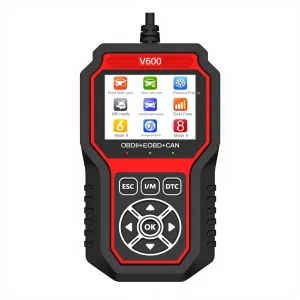
Our comprehensive product portfolio includes automotive diagnostic scanners, OBD diagnostic tools, ECU programming equipment, TPMS diagnostic systems, ADAS calibration equipment, battery testing devices, vehicle inspection systems, automotive oscilloscopes, remote diagnostic platforms, and customized diagnostic solutions. These products are widely used by automotive repair workshops, dealerships, fleet operators, vehicle inspection centers, and maintenance service providers.
Driven by innovation, Shenzhen Kore Auto continuously invests in research and development to keep pace with the rapidly evolving automotive industry, including electric and connected vehicles. Our experienced engineering team develops cutting-edge diagnostic technologies featuring comprehensive vehicle coverage, fast data processing, intelligent fault analysis, wireless connectivity, and user-friendly software interfaces.
Quality and reliability are fundamental to our success. Every product is manufactured under strict quality control standards and undergoes rigorous testing procedures to ensure stable performance, accuracy, and durability in demanding workshop environments. We also provide flexible OEM and ODM services, helping customers develop customized automotive diagnostic products tailored to specific market requirements.
Serving customers throughout Europe, North America, South America, Asia, the Middle East, and Africa, Shenzhen Kore Auto Co., Ltd. has established long-term partnerships with distributors, automotive service providers, and industry professionals worldwide.

Ensuring compliance, technical compatibility, and smooth import operations for international wholesale buyers.
Importing diagnostic hardware at scale requires balancing cost with quality and ensuring alignment with local market standards. B2B buyers must evaluate key technical specifications to ensure compatibility with their domestic target audience. Chief among these is grid electrical variance; equipment destined for North American workshops must support 110V AC at 60Hz, while European, Middle Eastern, and Asian markets require 220V AC at 50Hz.
Additionally, the compatibility of chemical agents is a critical consideration. Modern environmental regulations restrict the air transport of certain testing and ultrasonic detergents. Our systems are engineered to function with a wide range of standard, locally sourced aliphatic hydrocarbons and non-flammable cleaning agents, ensuring trouble-free operation worldwide.
Finally, verify compliance certifications. High-voltage ultrasonic components and fluid pressure lines must meet CE, FCC, and RoHS standards to pass customs clearance and comply with workshop safety inspections. Partnering with a manufacturer like Kore Auto, which provides comprehensive warranty support and direct access to replacement parts (such as seals, fuel rail adapters, and ultrasonic transducers), minimizes long-term support overhead for international distributors.
Technical details and maintenance insights for professional workshop buyers.
Industrial-grade instrumentation designed to maintain workshop productivity and diagnostic accuracy.
 Kore Auto