In an era dominated by decarbonization, automated smart buildings, cleanroom electronics manufacturing, and complex aerospace diagnostics, the demand for high-precision airflow velocity measurement has escalated exponentially. Anemometers—instruments dedicated to quantifying wind speed, volumetric airflow rate, and vector fluid dynamics—have evolved far beyond simple mechanical wind meters. Today, global enterprises require highly customized, multi-sensor OEM anemometer architectures capable of interfacing with industrial IoT networks, CAN bus protocols, Modbus RTU systems, and cloud diagnostic engines.
From HVAC system optimization in hyperscale data centers to aerodynamic wind tunnel testing for electric vehicles (EVs) and smart farming environmental monitoring, global procurement managers are increasingly bypassing standard off-the-shelf meters in favor of specialized OEM (Original Equipment Manufacturer) and ODM (Original Design Manufacturer) anemometer suppliers. Original Equipment Manufacturing allows B2B clients to specify exact calibration curves, proprietary firmware algorithms, custom communication interfaces, and custom-branded physical enclosures engineered to survive volatile operating environments.
Selecting the optimal anemometer architecture is critical for long-term operational reliability and sensor accuracy. OEM buyers must align their specific operating environment with the appropriate core sensor technology. Below is an engineering benchmark breakdown:
| Anemometer Type | Core Measurement Principle | Typical Velocity Range | Key Strengths & Benefits | Ideal OEM Application Scenarios |
|---|---|---|---|---|
| Hot-Wire Thermal Anemometers | Constant-temperature heat dissipation from micro-heated tungsten or platinum filament / MEMS element. | 0.05 m/s to 30 m/s | Ultra-high sensitivity at low air velocities; compact sensor head footprint. | HVAC duct profiling, cleanroom laminar flow validation, vehicle interior ventilation diagnostics. |
| Vane (Impeller) Anemometers | Rotational frequency of balanced low-friction turbine blades measured via Hall-effect or optical sensors. | 0.4 m/s to 45 m/s | Robust resistance to dust particles; measures volumetric flow over wider spatial apertures. | Exhaust stack monitoring, mine shaft ventilation, field service HVAC tools, automotive radiator airflow. |
| Ultrasonic 2D/3D Anemometers | Time-of-flight (ToF) acoustic pulse differential across multi-axis transceiver paths. | 0 m/s to 75 m/s | Solid-state (no moving parts); zero wear; measures wind direction vectors simultaneously. | Wind turbine generator control, maritime navigation, meteorological stations, smart city infrastructure. |
| Differential Pressure (Pitot Tube) | Bernoulli dynamic vs. static pressure differential converted via high-precision piezoresistive sensors. | 1 m/s to 120+ m/s | Extreme temperature capability; handles high-velocity airflow and hostile gas environments. | Aerospace air data units, combustion furnace intake, industrial duct high-speed exhaust analytics. |
Global procurement strategies have shifted dramatically toward agile, integrated manufacturing hubs. Sourcing custom OEM anemometers from top-tier Chinese manufacturing facilities provides enterprise clients with unprecedented engineering flexibility, cost compression, and rapid time-to-market.
From selecting low-power ARM Cortex microcontrollers to integrating custom MEMS sensor elements, custom PCB layouts, and flexible display choices (LCD, OLED, TFT), OEM factories allow full control over Bill of Materials (BOM) cost and functional redundancy.
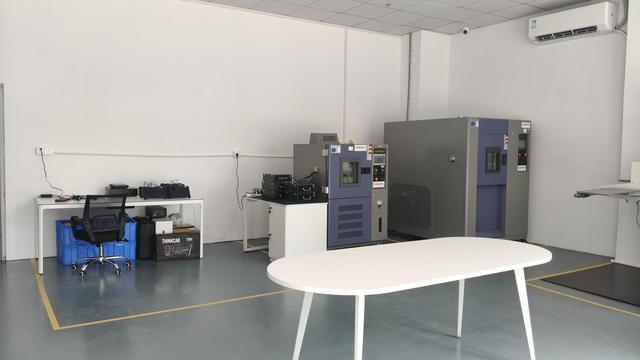
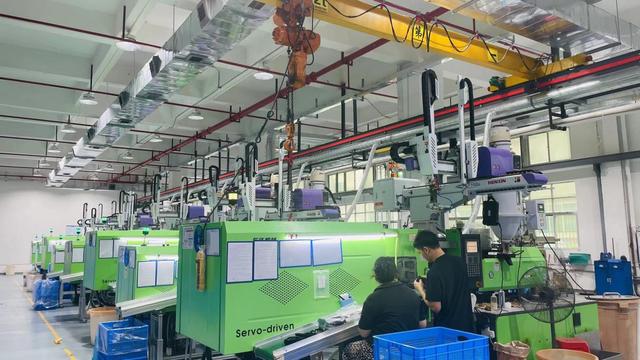
Leading Chinese instrumentation factories house fully automated multi-stage closed-loop wind tunnels. Every single OEM anemometer unit undergoes multi-point temperature and velocity calibration traceable to international metrology standards prior to final assembly.
Leveraging advanced 3D prototype printing, CNC aluminum machining, and rapid silicone/steel injection tooling, custom housing designs move from CAD conceptualization to physical sample testing in as little as 14 business days.
Shenzhen Kore Auto Co., Ltd. is a professional China automotive diagnostic tools manufacturer specializing in the development, production, and global supply of advanced vehicle diagnostic solutions for the automotive aftermarket industry. With extensive experience in automotive electronics and diagnostic technology, Kore Auto is committed to delivering intelligent, reliable, and high-performance diagnostic equipment to customers worldwide.
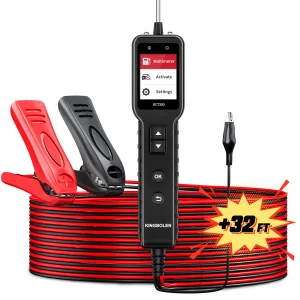
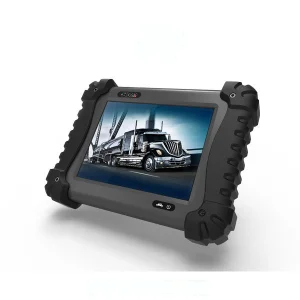
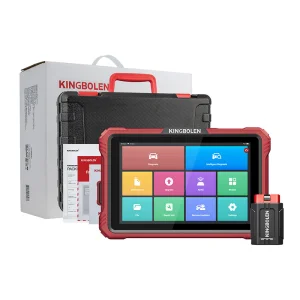
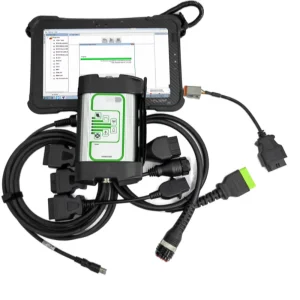
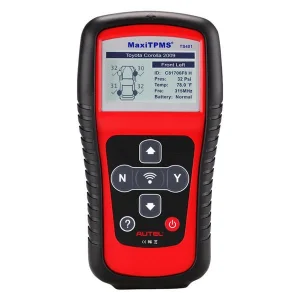
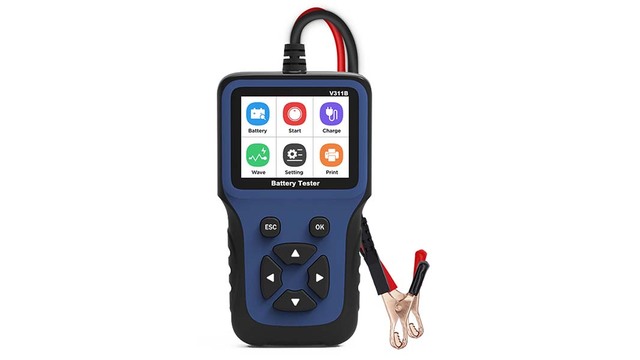
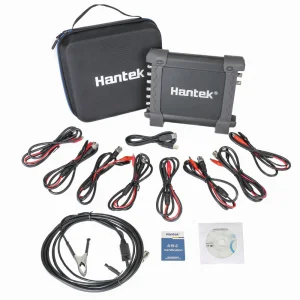
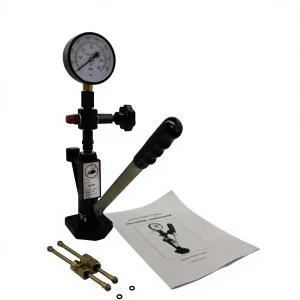
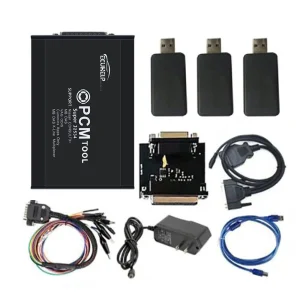
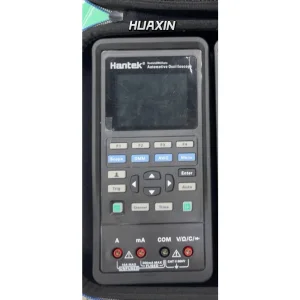
Our comprehensive product portfolio includes automotive diagnostic scanners, OBD diagnostic tools, ECU programming equipment, TPMS diagnostic systems, ADAS calibration equipment, battery testing devices, vehicle inspection systems, automotive oscilloscopes, remote diagnostic platforms, and customized diagnostic solutions. These products are widely used by automotive repair workshops, dealerships, fleet operators, vehicle inspection centers, and maintenance service providers.
Driven by innovation, Shenzhen Kore Auto continuously invests in research and development to keep pace with the rapidly evolving automotive industry, including electric and connected vehicles. Our experienced engineering team develops cutting-edge diagnostic technologies featuring comprehensive vehicle coverage, fast data processing, intelligent fault analysis, wireless connectivity, and user-friendly software interfaces.
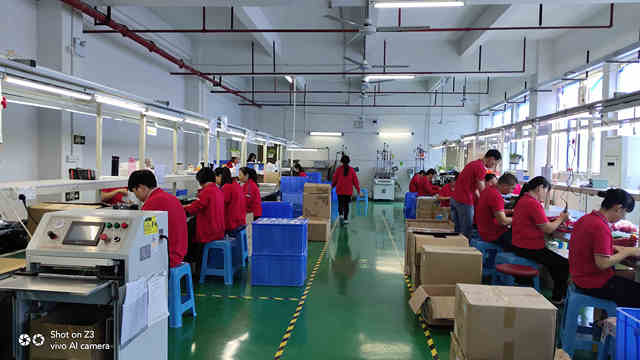
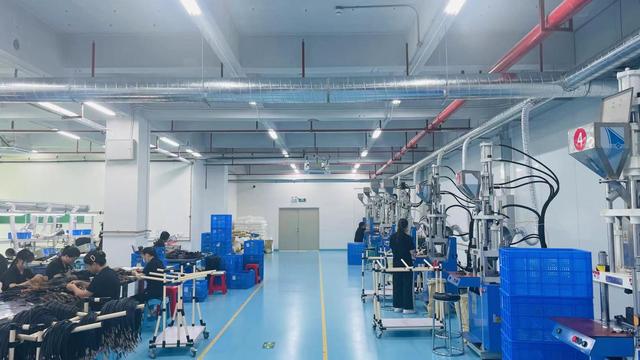
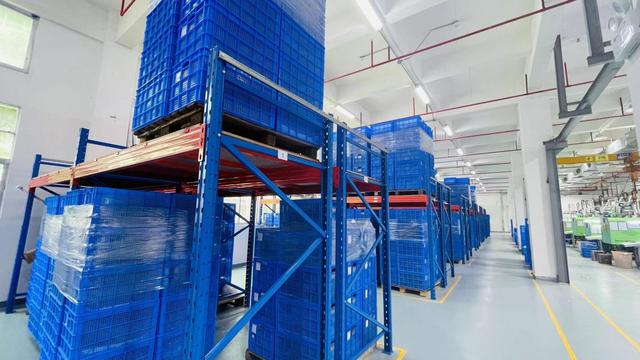
Quality and reliability are fundamental to our success. Every product is manufactured under strict quality control standards and undergoes rigorous testing procedures to ensure stable performance, accuracy, and durability in demanding workshop environments. We also provide flexible OEM and ODM services, helping customers develop customized automotive diagnostic products tailored to specific market requirements.
Serving customers throughout Europe, North America, South America, Asia, the Middle East, and Africa, Shenzhen Kore Auto Co., Ltd. has established long-term partnerships with distributors, automotive service providers, and industry professionals worldwide.





Custom OEM anemometers serve diverse sectors worldwide. By tailoring microcontrollers, sensor probe length, housing weatherproofing, and communication protocols, engineers solve distinct challenges across multiple industries:
In vehicle design and aftermarket maintenance, custom vane and hot-wire anemometers monitor engine bay thermal dissipation, radiator intake efficiency, and cabin air duct distribution. Integrated with vehicle diagnostic scanners (such as OBD/ECU platforms), airflow metrics reveal clogged cabin filters, faulty blower motors, and aerodynamic drag inefficiencies.
Commercial wind turbines rely on heavy-duty ultrasonic 2D/3D anemometers mounted atop the nacelle. OEM units must endure continuous salt spray, lightning strikes, and freezing temperatures while sending real-time RS485/CANbus signals to the pitch control system to optimize blade angles and prevent dynamic stall damage.
Maintaining strict positive pressure and ISO Class 1 to 5 laminar flow requires ultra-sensitive hot-wire thermal micro-sensors. Custom OEM sensors provide continuous 4-20mA or Ethernet output to Building Management Systems (BMS), alerting engineers to subtle micro-velocity drops that could compromise wafer fabrication.
Offshore drilling rigs, commercial cargo ships, and naval vessels utilize IP68-rated anti-corrosion ultrasonic anemometers. Integrated heating elements prevent ice build-up, ensuring accurate wind velocity telemetry during storm conditions without mechanical degradation.
Everything enterprise buyers, B2B distributors, and OEM engineering leads need to know about custom anemometer manufacturing, lead times, calibration, and ordering specifications.
Our standard OEM customization MOQ starts at 500 units for custom logo branding, custom packaging, and customized housing colors. For deep hardware-level ODM modifications (such as custom PCB layout, customized probe lengths, or proprietary wireless protocols), MOQs typically start at 1,000 to 2,000 units depending on the engineering complexity. Sample evaluation units are available upon request.
Every custom anemometer produced in our facility undergoes rigorous multi-point calibration in automated, closed-loop wind tunnels traceable to national metrology standards (NIST/ISO/IEC 17025). Calibration certificates (including zero-point, mid-range, and full-scale error reports) are supplied with each batch to ensure compliance with strict industrial tolerances.
Yes! We support a wide array of industrial communication interfaces. We can engineer your OEM units with analog outputs (0-5V, 0-10V, 4-20mA), digital interfaces (RS485 Modbus RTU, RS232, UART, CANbus), or modern wireless protocols (Bluetooth LE, Wi-Fi, LoRaWAN, Zigbee, and NB-IoT).
We manufacture IP65, IP67, and IP68 water/dust-proof enclosures utilizing high-grade ABS, polycarbonate, or 316L stainless steel. For petrochemical, mining, or hazardous applications, we can build explosion-proof housings compliant with ATEX and IECEx standards.
Initial prototype samples are delivered within 10 to 14 working days after final CAD/PCB design sign-off. Once pre-production samples are approved, mass production lead times generally range between 25 and 35 calendar days, depending on component availability and order volume.
Yes. Our software engineering team offers complete UI/UX customization for Android/iOS mobile apps, Windows PC diagnostic suites, and web dashboards. This includes your corporate logo, custom color themes, localized language translations, and proprietary data analytics algorithms.


 Kore Auto