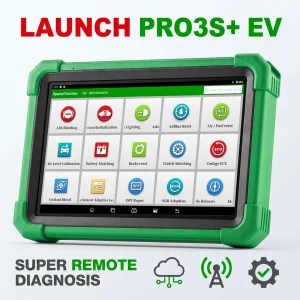
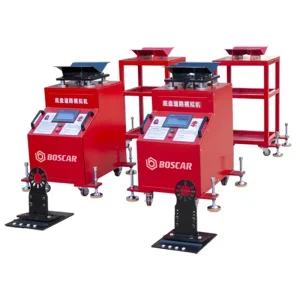
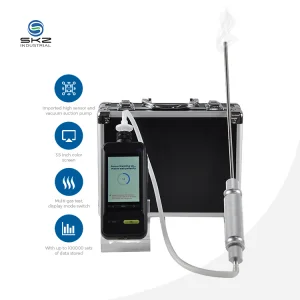
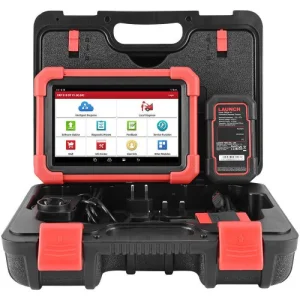
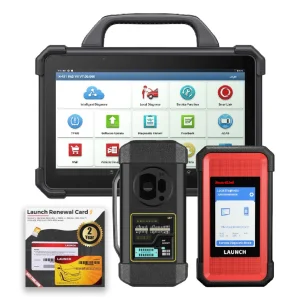
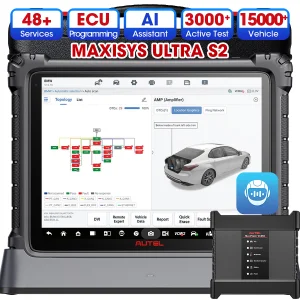
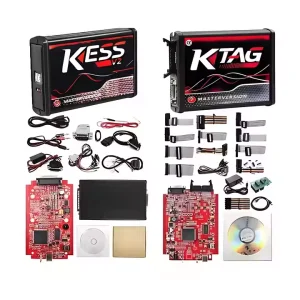
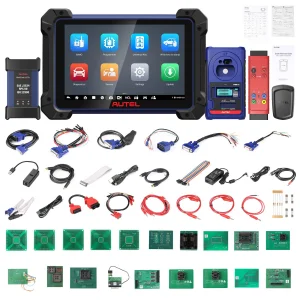
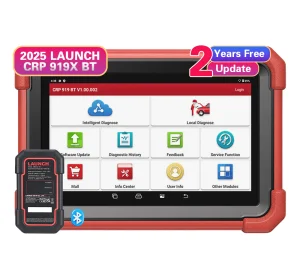
Explore our premium lineup of automotive aftermarket scanners, electrical diagnostic equipment, and vehicle systems diagnostic modules designed for performance and reliability.
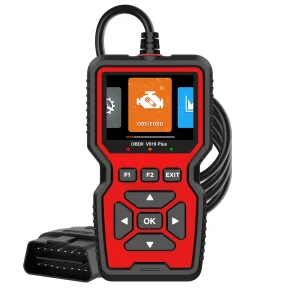
An Industry-Expert Analysis of Global Trends, OEM/ODM Sourcing Priorities, Technological Milestones, and China Factory 4.0 Manufacturing Capabilities.
In the epoch of global electrification, the efficiency, longevity, and safety of energy storage platforms rely entirely on the engineering integrity of the Battery Management System (BMS). As batteries transition to high-density chemistries—such as advanced Lithium Iron Phosphate (LFP), Nickel Manganese Cobalt (NMC), and emerging solid-state formulations—the capability to test, calibrate, debug, and monitor these control units becomes paramount. Consequently, the Battery Management System Analyzer has transitioned from an optional laboratory diagnostic tool to a mandatory industrial infrastructure component across automotive manufacturing, grid-scale energy storage systems (BESS), and specialized electronics sectors.
This comprehensive whitepaper explores the deep technical dynamics of BMS diagnostics, the global demand landscape for custom OEM/ODM analyzer solutions, the efficiency gains of Chinese high-tech manufacturing, and the tactical purchasing strategies required by global procurement directors to achieve high-grade operational resilience.
A modern BMS operates as the "brain" of the battery pack, continuously performing complex algorithms to compute State of Charge (SoC), State of Health (SoH), and State of Safety (SoS). A high-performance BMS Analyzer must simulate real-world battery conditions in high fidelity to stress-test these functions.
Precise individual cell voltage emulation ranging from 0V to 5V with micro-volt precision. This permits engineers to stress-test passive and active balancing algorithms under worst-case drift scenarios.
Decoding multi-layer protocols (CAN-FD, LIN, Automotive Ethernet) to capture fast-transient parametric logs and diagnose frame-loss bugs during high-vibration operations.
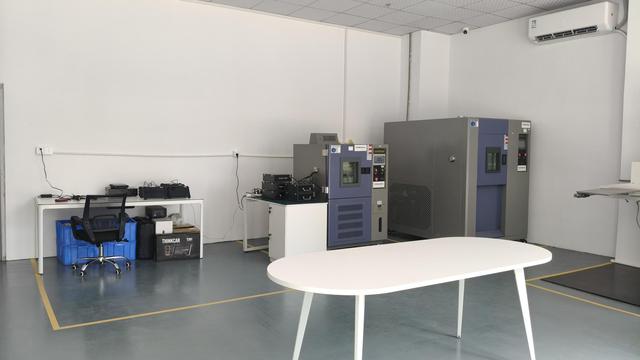
Integrating environmental chamber feeds with real-time hardware loop systems to recreate dynamic thermal runaway and sudden overcurrent events safety-critically.
In addition, advanced testing regimes now mandate *Electrochemical Impedance Spectroscopy (EIS)* integration inside analyzers. By monitoring the complex AC impedance spectrum of individual cells under charge-discharge cycles, analyzers can pinpoint internal degradation mechanisms, dendrite growth, and contact resistance anomalies before they trigger critical safety failures.
Global procurement teams face extreme pressures. The transition to electric platforms is capital-intensive, leaving zero margin for equipment downtime. OEMs in Europe, North America, and Japan look for partners that offer robust E-E-A-T credentials and a reliable supply chain. Crucial indicators of supplier viability include:
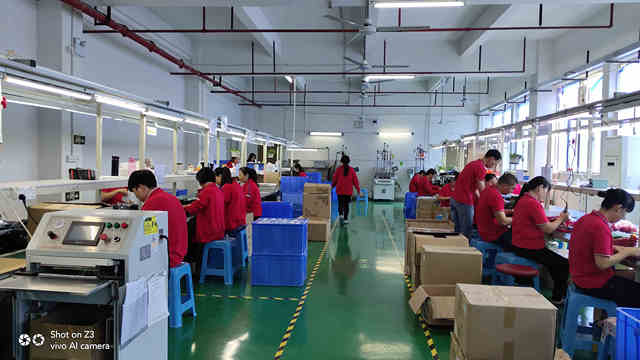
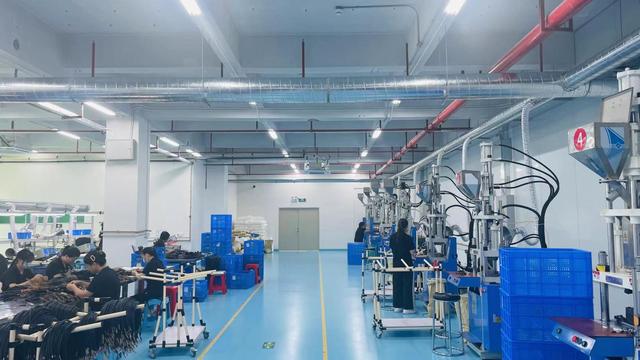
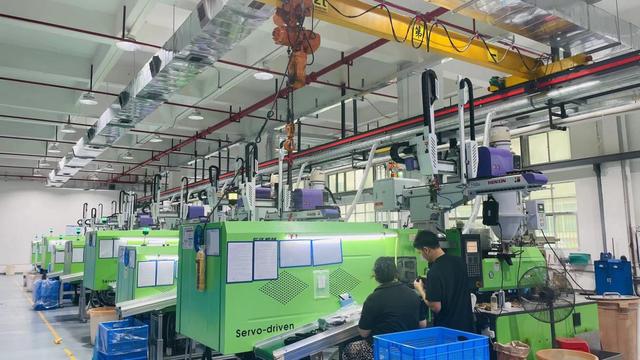
Shenzhen and the surrounding Pearl River Delta stand at the absolute epicenter of the global lithium-ion and automotive electronics supply chain. By utilizing a highly integrated hardware ecosystem, manufacturers in this region achieve unprecedented design-to-production efficiencies.
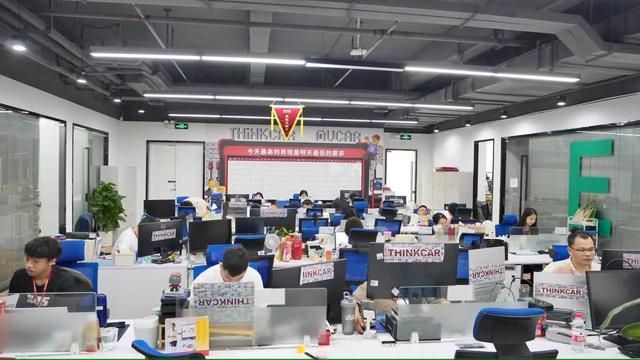
Shenzhen Kore Auto Co., Ltd. represents the standard of this modern Chinese Factory 4.0 revolution. Specializing in advanced diagnostic technologies, Kore Auto combines in-house PCB assembly, high-precision calibration chambers, and automated validation systems. This vertical integration provides distinct market advantages:
BMS diagnostic technologies are not single-use tools; they serve critical functions in numerous high-value markets globally:
Shenzhen Kore Auto Co., Ltd. is a professional China automotive diagnostic tools manufacturer specializing in the development, production, and global supply of advanced vehicle diagnostic solutions for the automotive aftermarket industry. With extensive experience in automotive electronics and diagnostic technology, Kore Auto is committed to delivering intelligent, reliable, and high-performance diagnostic equipment to customers worldwide.
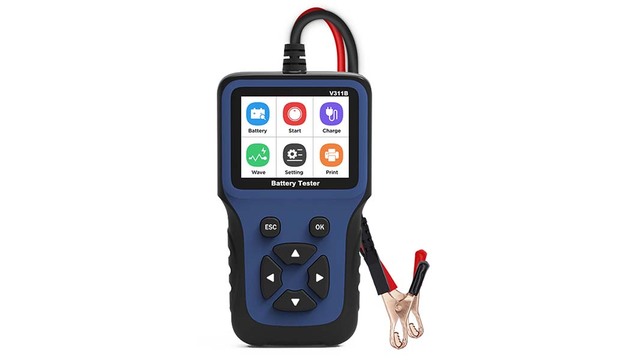
Our comprehensive product portfolio includes automotive diagnostic scanners, OBD diagnostic tools, ECU programming equipment, TPMS diagnostic systems, ADAS calibration equipment, battery testing devices, vehicle inspection systems, automotive oscilloscopes, remote diagnostic platforms, and customized diagnostic solutions. These products are widely used by automotive repair workshops, dealerships, fleet operators, vehicle inspection centers, and maintenance service providers.
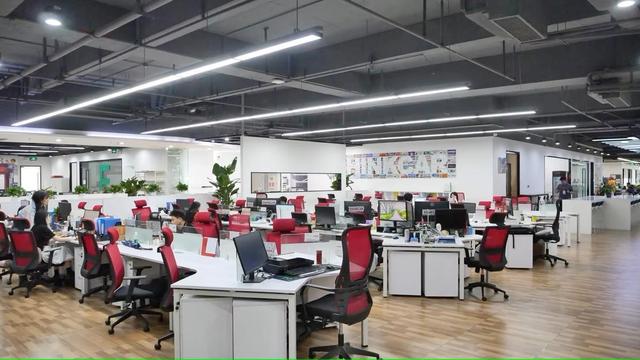
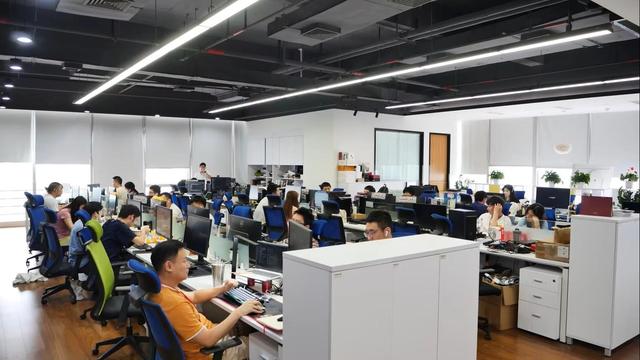
Driven by innovation, Shenzhen Kore Auto continuously invests in research and development to keep pace with the rapidly evolving automotive industry, including electric and connected vehicles. Our experienced engineering team develops cutting-edge diagnostic technologies featuring comprehensive vehicle coverage, fast data processing, intelligent fault analysis, wireless connectivity, and user-friendly software interfaces.
Quality and reliability are fundamental to our success. Every product is manufactured under strict quality control standards and undergoes rigorous testing procedures to ensure stable performance, accuracy, and durability in demanding workshop environments. We also provide flexible OEM and ODM services, helping customers develop customized automotive diagnostic products tailored to specific market requirements.
Serving customers throughout Europe, North America, South America, Asia, the Middle East, and Africa, Shenzhen Kore Auto Co., Ltd. has established long-term partnerships with distributors, automotive service providers, and industry professionals worldwide.

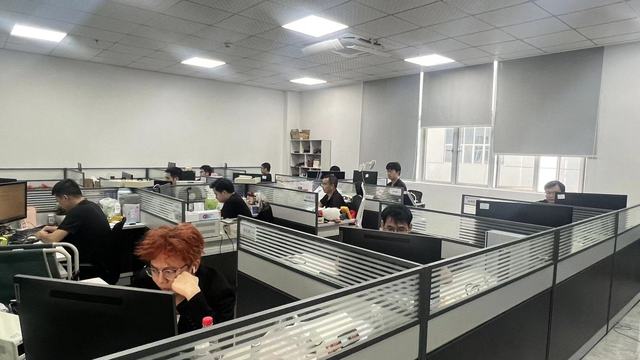
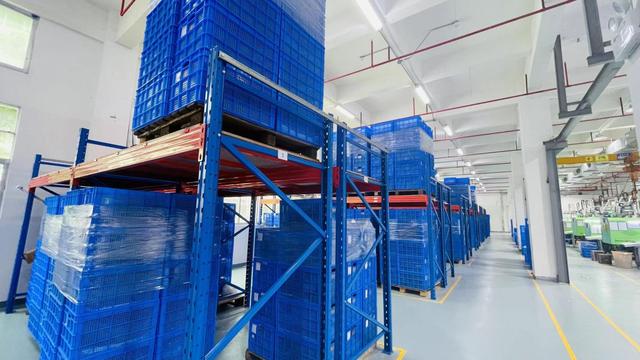
Complete your automotive diagnostic facility setup with our global editions of multi-brand scanning and tuning tools.
 Kore Auto