Kore Auto

Understanding Automatic Transmission Testing Technologies
Analyzing hydraulic pressure calibration, solenoid modulation, and TCU communication protocols.
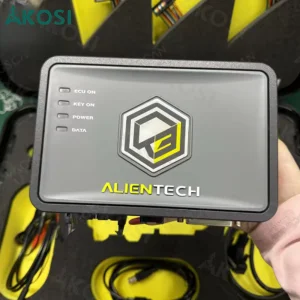
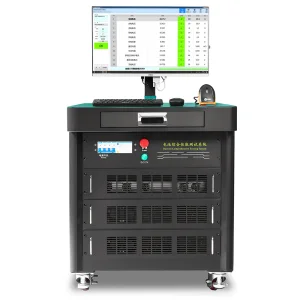
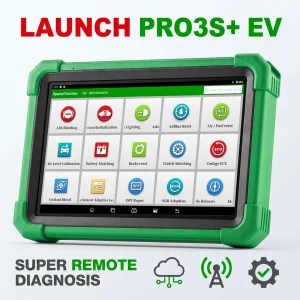
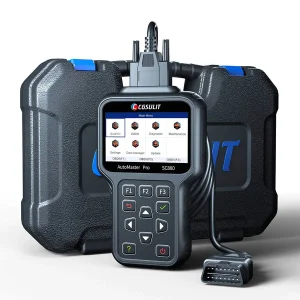
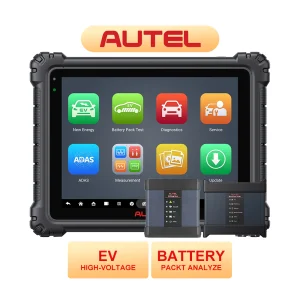
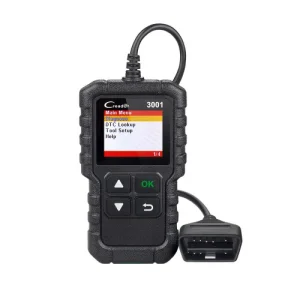
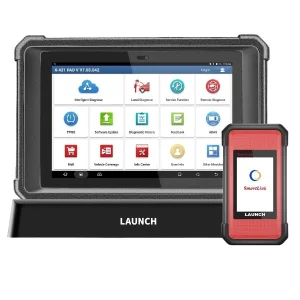
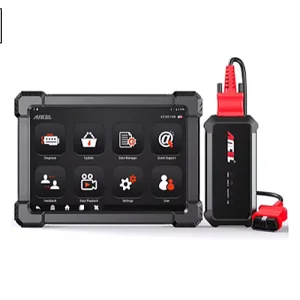
The automotive aftermarket is experiencing a paradigm shift driven by the complexity of modern multi-speed planetary gearsets, continuous variable transmissions (CVT), and dual-clutch transmissions (DCT). At the center of this transformation lies the Automatic Transmission Tester. These specialized diagnostic instruments evaluate solenoids, measure hydraulic clutch pressure, and communicate with the Transmission Control Unit (TCU) to diagnose electro-hydraulic and mechanical faults before they necessitate a complete powertrain rebuild.
Key Technical Challenges in Transmission Diagnostics
Diagnosing modern transmissions is exceptionally challenging due to the integration of mechanical, hydraulic, and electronic systems. Field service technicians face several core issues:
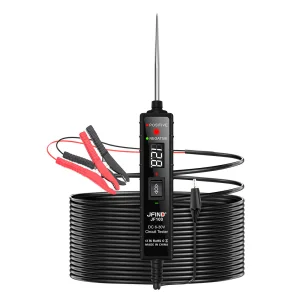
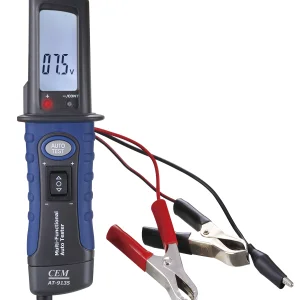
- Solenoid Valve Duty-Cycle Modulation: Solenoids regulate fluid flow to clutch packs. Fluctuating voltages or internal mechanical wear can alter flow characteristics, causing harsh shifts. Advanced testers must generate Pulse Width Modulated (PWM) signals to evaluate solenoid response curves under pressure.
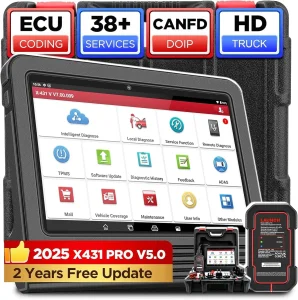
- High-Speed Bus Communication (CAN FD & DoIP): As TCUs manage real-time adaptive shift maps, telemetry is transmitted via high-speed networks. Diagnostic tools must support modern protocols like CAN FD, DoIP, and J2534 to access these deep programming levels.
- Hydraulic System Thermal Instability: Transmission fluid viscosity changes drastically with operating temperature. Accurate diagnostics require testing pressures under standardized warm-up cycles, which relies on high-resolution pressure transducers linked directly to the tester's data acquisition system.