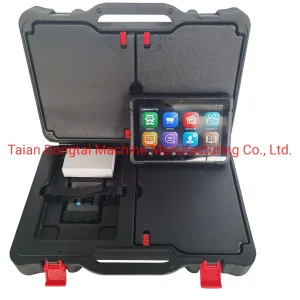
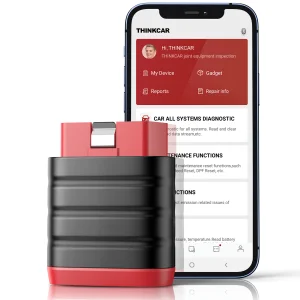
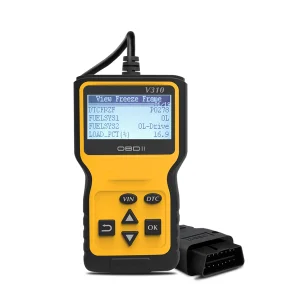
Industrial-grade signal adapters, intelligent automotive scan tools, and vehicle bus system converters designed to bridge legacy networks with modern high-speed infrastructure.
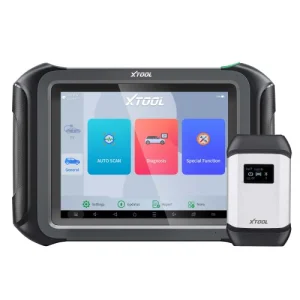
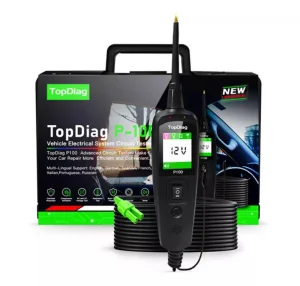
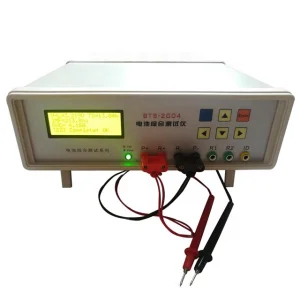
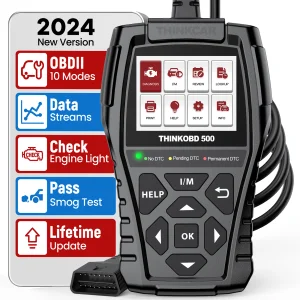
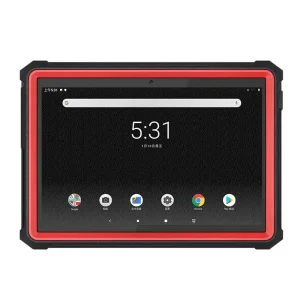
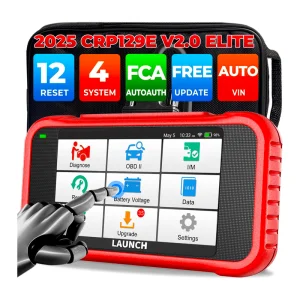
In modern industrial and automotive automation, data integration is highly dependent on communication interfaces. Device communications utilize varied physical media and protocols, including CAN Bus, OBD-II, LIN, RS485, Automotive Ethernet, USB, and Wi-Fi. Interface converter tools function as translators between these protocols, standardizing incoming signal packages into clean data formats for diagnosis, calibration, monitoring, and debugging.
"As high-bandwidth vehicle bus technologies like CAN-FD and Diagnostics over IP (DoIP) emerge, industrial-grade converter tools require faster microcontrollers, lower latency processing, and robust physical isolation to safeguard expensive diagnostic and host terminals."
Shenzhen Kore Auto Co., Ltd. is an established automotive diagnostic tools manufacturer specializing in the development, production, and global supply of advanced vehicle diagnostic solutions for the automotive aftermarket industry. With extensive experience in automotive electronics and diagnostic technology, Kore Auto is committed to delivering intelligent, reliable, and high-performance diagnostic equipment to customers worldwide.
Our comprehensive product portfolio includes automotive diagnostic scanners, OBD diagnostic tools, ECU programming equipment, TPMS diagnostic systems, ADAS calibration equipment, battery testing devices, vehicle inspection systems, automotive oscilloscopes, remote diagnostic platforms, and customized diagnostic solutions. These products are widely used by automotive repair workshops, dealerships, fleet operators, vehicle inspection centers, and maintenance service providers.
Our engineering processes prioritize strict signal integrity, comprehensive bus compatibility, and reliable physical-layer protection.
Seamless translation across complex networks including CAN-FD, LIN, K-Line, J1939, and DoIP, ensuring continuous compatibility with legacy and modern bus topologies.
Up to 2.5kV magnetic or optoelectronic isolation safeguards diagnostic tablets, computers, and test benches from ground loops, high voltage spikes, and transient EMI.
Driven by 32-bit ARM Cortex-M microcontrollers to facilitate real-time, packet-to-packet translation, critical for sensitive ECU flashing and active test operations.
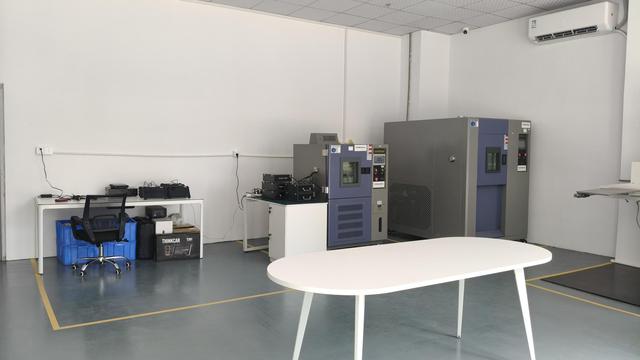
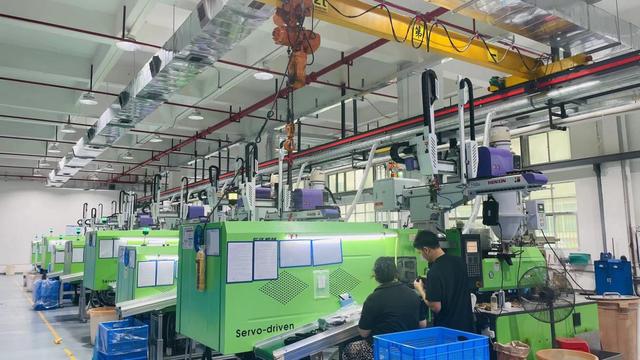
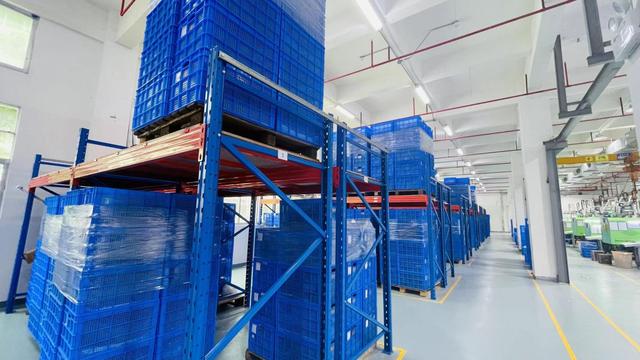
Shenzhen Kore Auto Co., Ltd. operates state-of-the-art manufacturing facilities within Shenzhen's electronics ecosystem. This localization yields a responsive supply chain, enabling quick sourcing of raw materials, components, and microcontrollers. Our facility features Surface Mount Technology (SMT) lines, automated selective wave soldering, and environmental test chambers to secure hardware longevity.
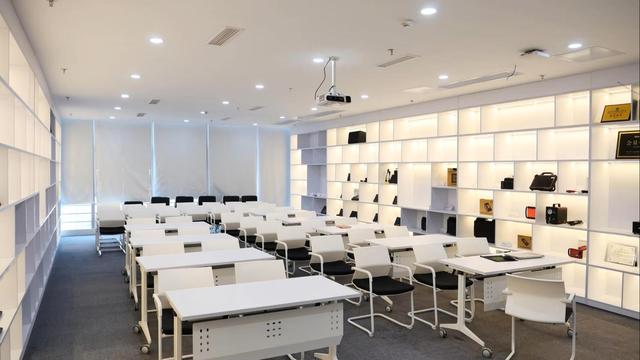
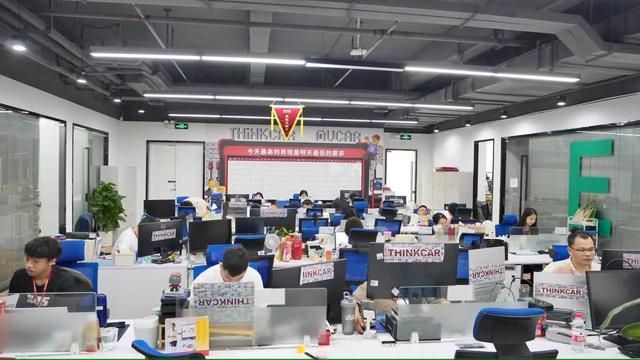
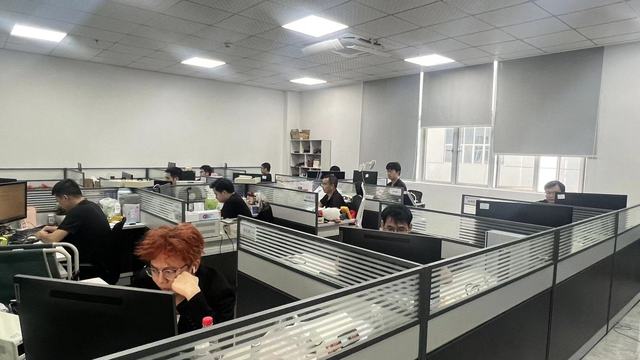
Quality and reliability are fundamental to our success. Every product is manufactured under strict quality control standards and undergoes rigorous testing procedures to ensure stable performance, accuracy, and durability in demanding workshop environments. We also provide flexible OEM and ODM services, helping customers develop customized automotive diagnostic products tailored to specific market requirements. Below is a detailed view of our R&D facilities, production lines, and testing infrastructure.
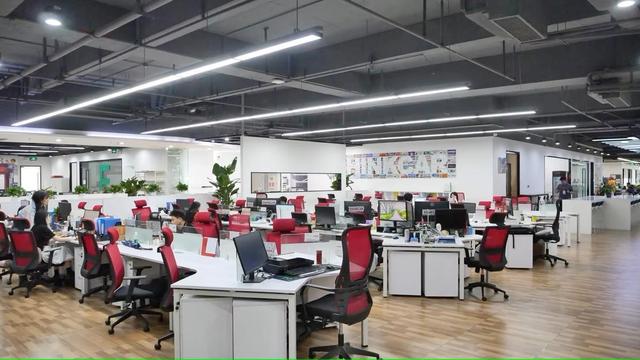
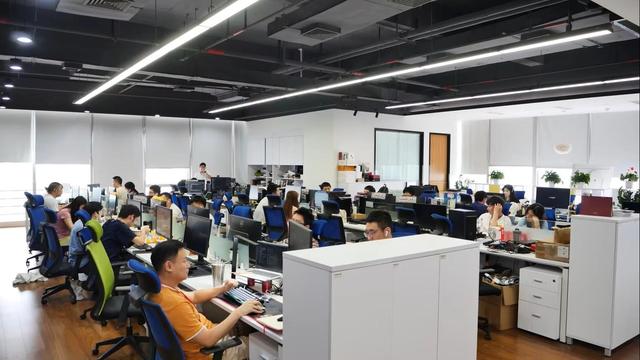
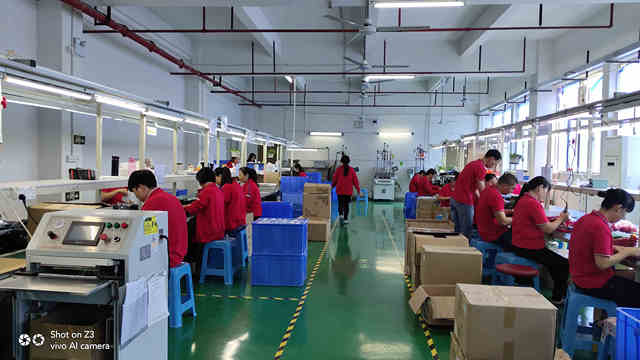
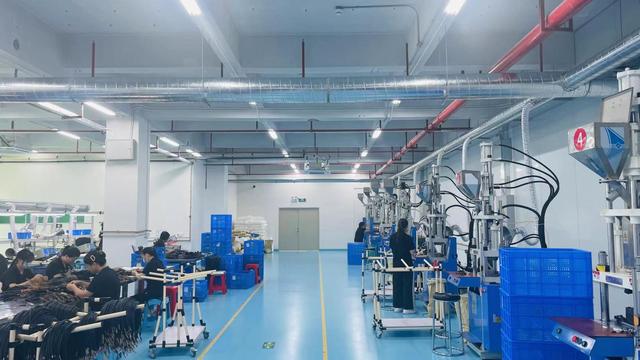
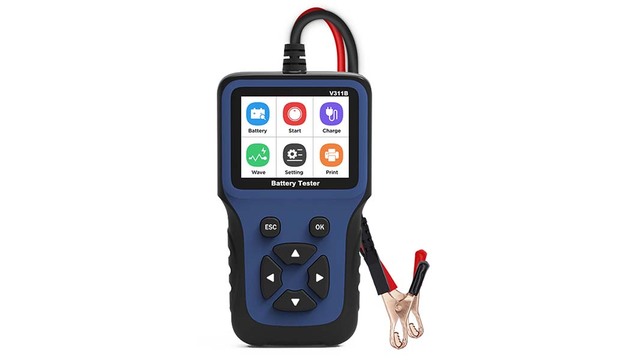
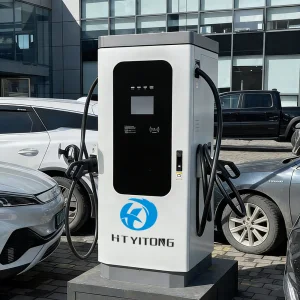
Interface converter tools link mechanical hardware with digital telemetry. By translating raw bus packets (like J1939 or CAN-FD) into TCP/IP or USB virtual serial data, operators can implement predictive maintenance systems and live vehicle health dashboards. This protocol compatibility helps diagnostic tools interface with complex infrastructure like EV fast-charging stations, high-efficiency hybrid inverters, and battery testers.
Automotive network architectures are shifting from centralized CAN bus hubs to decentralized, high-bandwidth zone controller designs. Real-time data routing demands Automotive Ethernet (100BASE-T1 / 1000BASE-T1). Modern converter tools are moving from standard USB conversion to high-bandwidth Ethernet-to-DoIP gateways, ensuring that technicians can access multi-gigabyte ECU flash programs within minutes rather than hours.
Additionally, modern vehicle security architectures require secure hardware modules. Future diagnostic interface converters will feature hardware security modules (HSM) capable of handling real-time cryptographic verification and decryption. This ensures compatibility with Secure Gateway (SGW) systems deployed by contemporary car manufacturers without compromising data protection.
Enterprise procurement teams must verify that their manufacturing partners comply with relevant international standards. For diagnostic and converter interfaces, these certifications include:
Shenzhen Kore Auto Co., Ltd. provides multi-language firmware, tailored application programming interfaces (APIs), and driver signing for global markets. We comply with localized regional rules (such as US EPA CARB regulations and EU Euro 6/7 diagnostic rules). This helps global system integrators deploy our conversion interfaces across diverse markets without facing compatibility hurdles or regulatory non-compliance.
Common technical inquiries regarding interface converter adapters, vehicle diagnostic systems, and manufacturing operations.
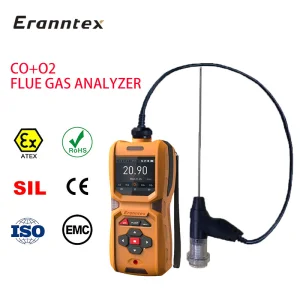
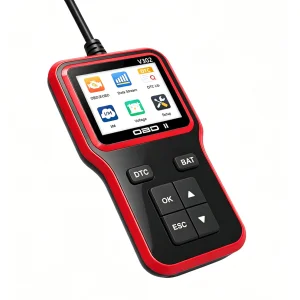
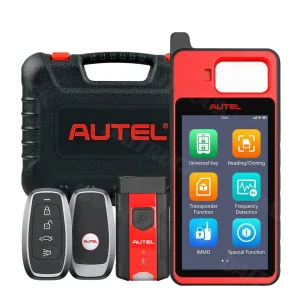
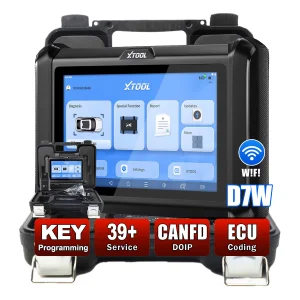
Explore our full line of automotive diagnostics, environmental sensors, and advanced protocol testers designed for international industrial systems.
 Kore Auto