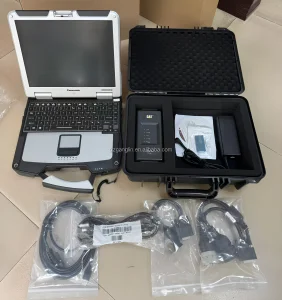
Direct supply from Tier-1 industrial partners, certified for extreme compatibility with Japanese powertrain standards.
Understanding the micro-geography and hardware requirements of the world’s leading automotive cluster.
The Nagoya metropolitan area, encompassing the broader Aichi Prefecture, stands as the global capital of automotive engineering and hardware supply chains. Hosting the global headquarters of Toyota Motor Corporation, alongside Tier-1 mega-suppliers like Denso Corporation and Aisin, this region drives the world's standard for Electronic Control Unit (ECU) technologies. The local market demand for ECU programming tools is highly unique: it requires flawless hardware synchronization, J2534 diagnostic compliance, and the ability to interface with extremely complex proprietary Japanese controller area networks (CAN), CAN FD, and automotive Ethernet standards.
As the automotive sector transitions from traditional internal combustion engines (ICE) to hybrid powertrains (THS-II) and battery electric vehicles (BEVs), the programming requirements in Nagoya's regional testing centers, R&D parks, and manufacturing plants have become immensely complex. High-throughput flashing equipment that preserves data integrity while writing firmware to safety-critical microprocessors is paramount. This environment dictates that suppliers provide systems capable of secure flashing, hardware security module (HSM) decryption, and robust EEPROM and flash memory emulation.
To succeed within this demanding geographical market, ECU programmers must bridge the gap between European tuning tools (which frequently target Bosch, Siemens, and Continental ECUs) and local Japanese hardware standards. This requires specific protocol implementations for Denso, Mitsubishi Electric, and Hitachi ECUs, utilizing advanced hardware architecture such as Renesas RH850, SH725xx series, and Infineon TriCore microcontrollers.
Bridging hardware supply chains, secure flashing protocols, and aftermarket adaptations worldwide.
Modern vehicles contain upwards of 100 ECUs controlling everything from ADAS radars to regenerative braking systems. Modern software architectures have shifted from basic bus topologies toward centralized, zone-controlled gateway networks. The transmission speed requirements have consequently jumped from 500 kbps (traditional High-Speed CAN) to 10 Mbps (CAN FD) and 100 Mbps/1 Gbps (Automotive Ethernet via Diagnostic over IP - DoIP). Global ECU programming tool manufacturing plants are adapting to these speeds by implementing high-speed physical layer interfaces that ensure reliable communication even during massive firmware writes exceeding 50 MB.
OEM workshops have historically leveraged dedicated dealership interfaces to maintain vehicles, keeping the ecosystem closed. However, aftermarket tooling developers have successfully standardized diagnostic layers using ISO 22900 (MVCI) and ISO 12188 guidelines. This enables cross-platform compatibility, offering independent garages in Tokyo, Nagoya, and international markets the ability to perform complex procedures like immobilizer pairing, component protection release, and performance calibration at a fraction of the capital investment.
Support for Tricore, Renesas, and NXP microcontrollers under JTAG, BAM, and Bench modes without decapsulation.
Hardware multiplexers that programmatically route signals to K-Line, CAN, CAN FD, or DoIP pins depending on target ECU architecture.
Sophisticated hardware algorithms that bypass secure boot structures to facilitate ECU cloning and repair operations.
Ensuring compliance with local Japanese regulatory frameworks and the specific standards of major domestic OEMs.
To operate effectively in Nagoya, hardware suppliers must address strict local compliances. Any electrical equipment entering the Japanese market must meet METI's (Ministry of Economy, Trade and Industry) PSE certification guidelines. Furthermore, electromagnetic compatibility (EMC) must align with VCCI requirements, ensuring that high-voltage diagnostics and high-frequency communication don't interfere with adjacent industrial equipment.
On the software front, compliance with Japanese domestic OEM databases is required. For instance, Toyota's techstream systems rely heavily on SAE J2534 Pass-Thru standards. Programmers supplied to this region must possess highly accurate J2534 dynamic link libraries (DLL) that guarantee zero latency during critical flash cycles. Any deviation in bus timing (specifically down to the millisecond scale during UDS Service 0x36 TransferData calls) can result in a hard-bricked microcontroller, leading to catastrophic failure on high-throughput assembly lines.
How specialized diagnostic hardware keeps Nagoya’s research facilities and repair bays running efficiently.
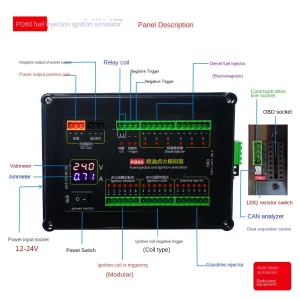
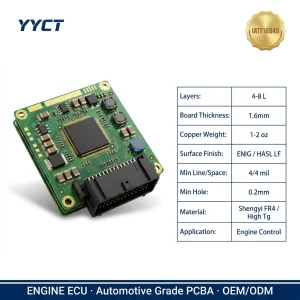
At automated factory installations in Toyota City and the Aichi industrial parks, pre-assembled modules (such as engine wire harnesses, throttle bodies, and transmission control units) must undergo immediate functional verification. High-speed simulators and ECU programmers (such as the PD60 Simulator) are deployed directly within test fixtures to simulate sensor inputs, verify actuator response, and confirm that the baseline firmware flashed onto the microchip performs within acceptable limits before final vehicle integration.
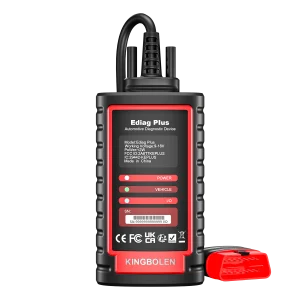
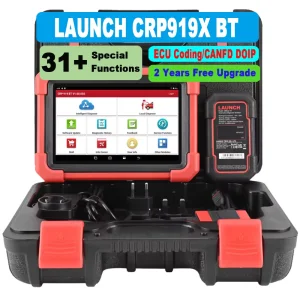
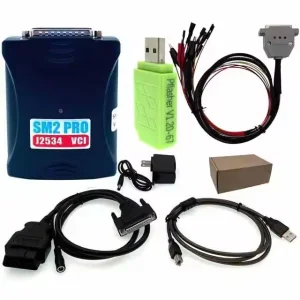
Within aftermarket repair bays throughout Nagoya, technicians frequently service hybrid battery packs and inverter control modules. When a component (like the Hybrid Vehicle ECU) is replaced, the new hardware must be initialized and paired with the battery management system (BMS) and the internal combustion engine controller. Using J2534 VCI programmers allows these local workshops to perform dealer-level adaptations without having to outsource the service to OEM centers, maximizing operational turnover and profit margins.
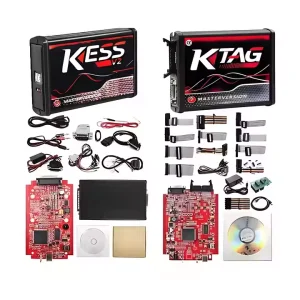
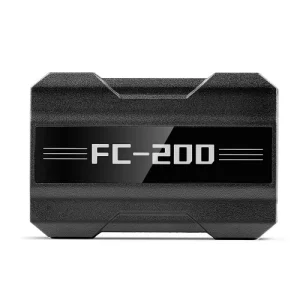
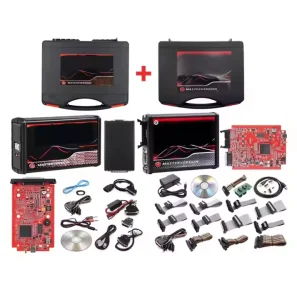
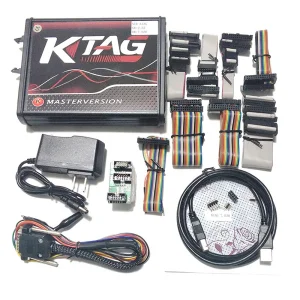
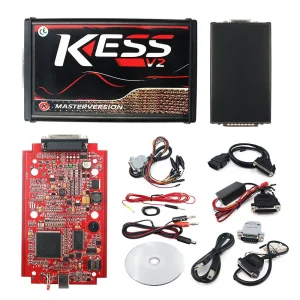
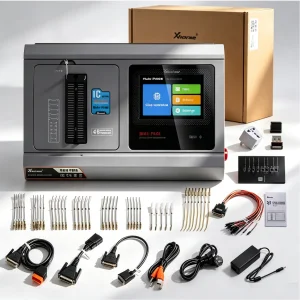
For custom engineering laboratories and performance tuning companies operating near the Nagoya Port, extracting the maximum efficiency or torque out of direct-injection engines is key. Professional programmers like the CGDI FC200 or the KTAG series allow engineers to read the full memory map (Micro and Flash) of a Denso or Delphi ECU on the bench. Engineers can then optimize ignition maps, fuel delivery ratios, and forced induction parameters directly on the binary code before writing it back via checksum-corrected protocols.
Adapting to the future of automotive electronics, OTA updates, and next-generation architecture.
The next decade of automotive electronics will be defined by centralization. The shift away from distributed architecture toward high-performance computing platforms (HPCs) means ECU programing is no longer just about writing calibration maps; it is about managing multi-operating system environments running hypervisors (such as QNX or Linux) alongside AUTOSAR Classic and Adaptive platforms.
To survive this shift, ECU programmers are evolving from simple OBDII physical layer dongles into edge-computing systems. These systems contain their own processing units to decrypt incoming OTA updates, verify cryptographic certificates in real time via security backends, and coordinate secure flashing on multi-gigabit backplanes. Manufacturers must ensure their hardware incorporates secure elements and hardware cryptographic accelerators to keep pace with changing standards.
A leading manufacturer of specialized automotive diagnostic platforms and ECU programming equipment.
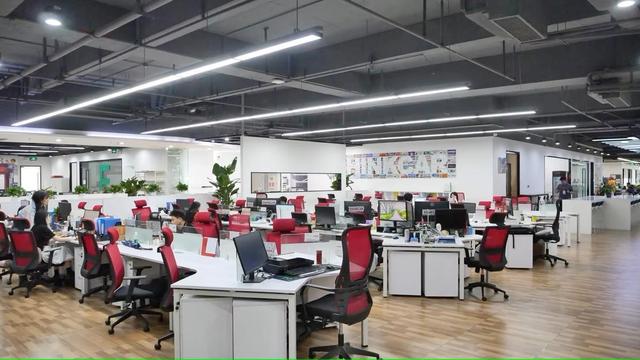
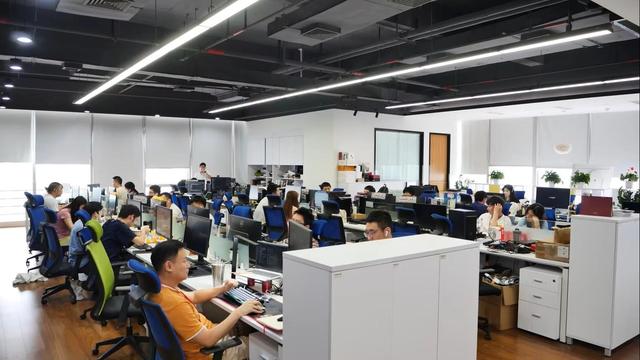
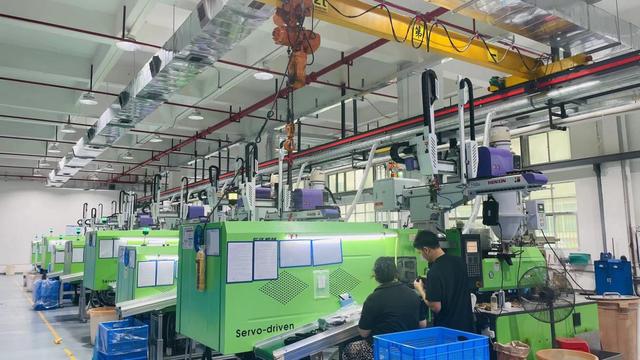
Shenzhen Kore Auto Co., Ltd. is a professional China automotive diagnostic tools manufacturer specializing in the development, production, and global supply of advanced vehicle diagnostic solutions for the automotive aftermarket industry. With extensive experience in automotive electronics and diagnostic technology, Kore Auto is committed to delivering intelligent, reliable, and high-performance diagnostic equipment to customers worldwide.
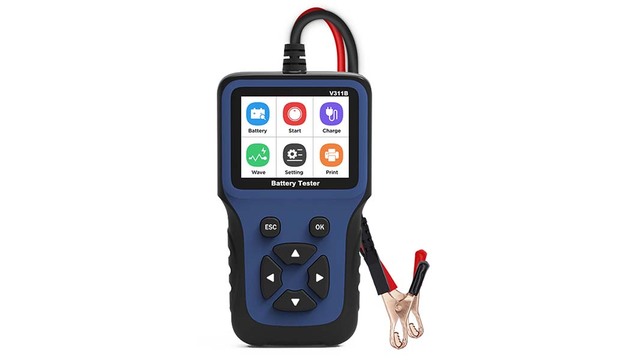
Our comprehensive product portfolio includes automotive diagnostic scanners, OBD diagnostic tools, ECU programming equipment, TPMS diagnostic systems, ADAS calibration equipment, battery testing devices, vehicle inspection systems, automotive oscilloscopes, remote diagnostic platforms, and customized diagnostic solutions. These products are widely used by automotive repair workshops, dealerships, fleet operators, vehicle inspection centers, and maintenance service providers.
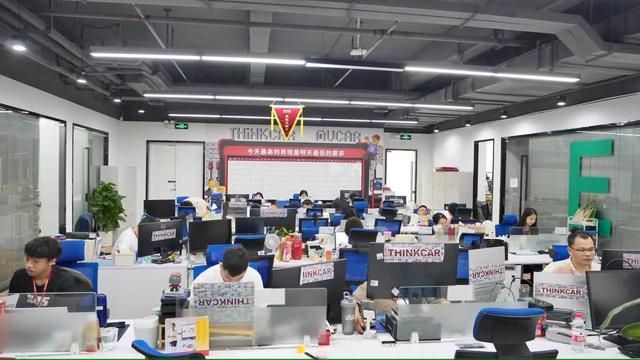
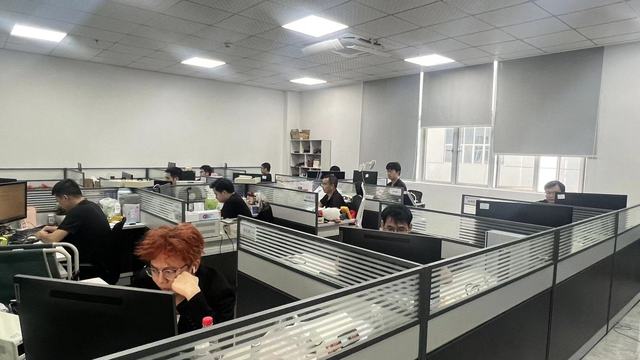
Driven by innovation, Shenzhen Kore Auto continuously invests in research and development to keep pace with the rapidly evolving automotive industry, including electric and connected vehicles. Our experienced engineering team develops cutting-edge diagnostic technologies featuring comprehensive vehicle coverage, fast data processing, intelligent fault analysis, wireless connectivity, and user-friendly software interfaces.
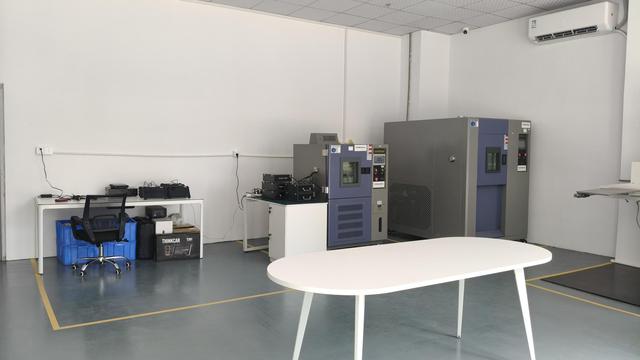
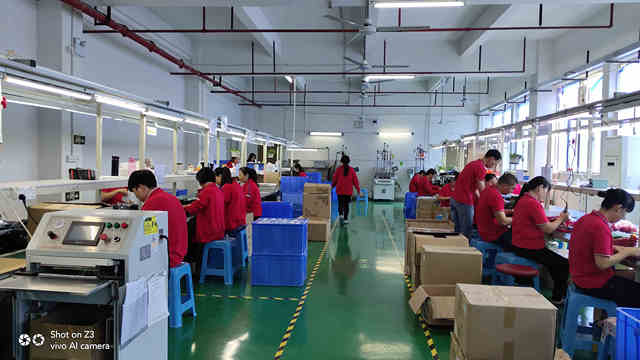
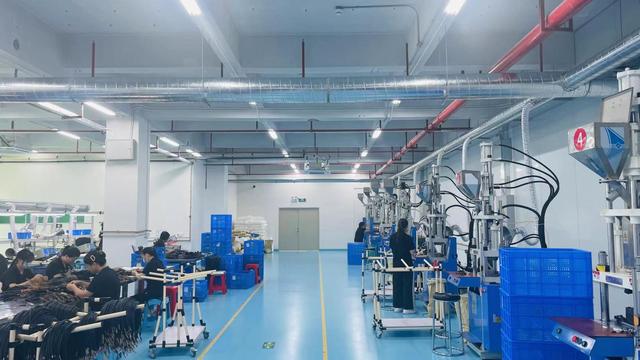
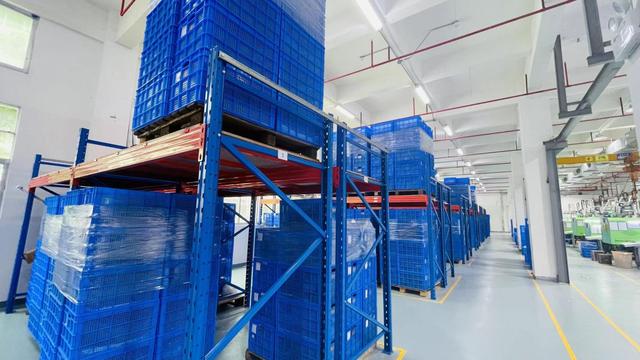
Quality and reliability are fundamental to our success. Every product is manufactured under strict quality control standards and undergoes rigorous testing procedures to ensure stable performance, accuracy, and durability in demanding workshop environments. We also provide flexible OEM and ODM services, helping customers develop customized automotive diagnostic products tailored to specific market requirements.
Serving customers throughout Europe, North America, South America, Asia, the Middle East, and Africa, Shenzhen Kore Auto Co., Ltd. has established long-term partnerships with distributors, automotive service providers, and industry professionals worldwide.
Get answers to common hardware integration and compatibility questions from our engineering support team.
A1: Our hardware architectures are engineered to support all universal SAE J2534 Pass-Thru standards alongside specific CAN FD and DoIP protocol requirements. This ensures compatibility with native diagnostic databases used by major Japanese automakers, allowing seamless reading, flashing, and coding of Denso and Mitsubishi ECUs.
A2: Yes. By implementing advanced hardware buffer protection and strict timing parameter synchronization within our J2534 DLLs, our devices minimize risks during block-write commands (UDS Service 0x36). The systems monitor voltage fluctuations in real-time, executing safe rollback strategies if bus communication drops.
A3: Absolutely. Toolsets like the CGDI FC200 and SM2 PRO provide full pinout coverage for bench operations. They allow raw firmware extraction, EEPROM backups, and complete ECU cloning without requiring decapsulation or thermal modifications to the circuit board.
A4: Yes. All global versions of our diagnostic equipment and power components undergo stringent manufacturing audits and hold certifications (including CE, FCC, RoHS, and local Japanese market compliance standards where applicable) to prevent interference with critical factory diagnostics.
Partner with Shenzhen Kore Auto Co., Ltd. for elite OEM/ODM engineering services, customized hardware design, and bulk wholesale logistics tailored for the Nagoya and international automotive markets.
Send Inquiry NowPremium hardware systems built under ISO9001 standards to meet rigorous workshop and assembly-line needs.
 Kore Auto