Access our certified array of premium component testers, heavy-duty scan tools, and multi-functional diagnostic units engineered for workshops, fleet operators, and global distributors.
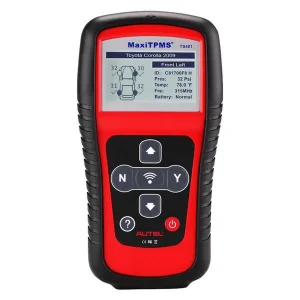
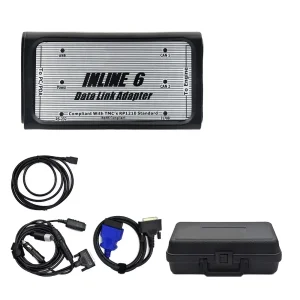
As electronic systems scale exponentially in complexity, from sub-millimeter integrated circuit (IC) arrays to multi-kilowatt Electric Vehicle (EV) power assemblies, high-precision diagnostic and component validation protocols are no longer optional. In industrial production and automotive service architectures, a CE certified component tester ensures compliance with rigid European health, safety, and environmental protection standards. It signifies that the equipment adheres to crucial directives such as the Electromagnetic Compatibility (EMC) Directive 2014/30/EU and the Low Voltage Directive (LVD) 2014/35/EU.
Information Gain Insight: Non-certified electronics run the risk of displaying high Signal-to-Noise Ratio (SNR) variance, which triggers false positive diagnostics or, in worst-case scenarios, damages delicate ECUs. A true CE certified component tester ensures isolation, transient voltage protection, and signal integrity standards that guarantee absolute reliability in high-interference workshop environments.
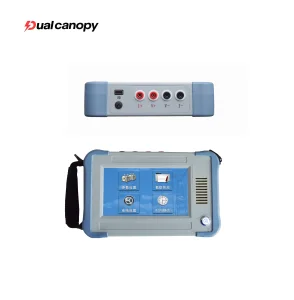
Whether testing passive components (LCR meters), semiconductor properties (diodes, MOSFETs, and BJTs), or complex electronic control modules (ECMs), specialized diagnostic tools are the bedrock of preventive maintenance. These tools accurately verify parameters such as Equivalent Series Resistance (ESR), semiconductor forward junction voltage drop, and gate threshold tolerances, ensuring defective parts are identified before they lead to system failures.
How the shift toward high-voltage architectures, wireless telemetry, and artificial intelligence is reshaping the testing instrument industry.
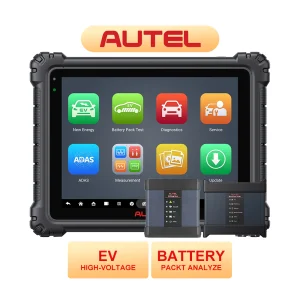
Traditional 12V automotive testing paradigms are rapidly adapting to accommodate the high-voltage demands of Electric Vehicles (EVs), which typically range from 400V to 800V. Our solutions, such as the Autel Maxisys Ultra EV, integrate advanced battery pack analysis, electrochemical impedance spectroscopy (EIS), and internal cell resistance diagnostics to accurately monitor structural health index values.
With Advanced Driver Assistance Systems (ADAS) and Intelligent Transport Systems (ITS) becoming standard, diagnostic instruments must test complex sensor configurations. From radar transceivers to high-definition cameras, component testers verify data bus integrity (CAN-FD, BroadR-Reach Automotive Ethernet) alongside hardware components.
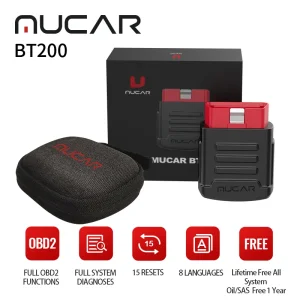
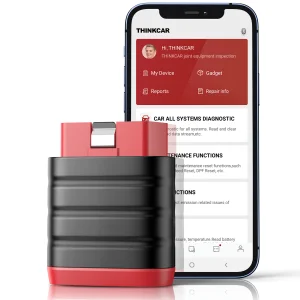
Modern workshops operate on dynamic, cloud-connected networks. Standard instruments like the THINKDIAG Mini and Mucar Bt200 leverage low-energy Bluetooth (BLE) to link vehicle diagnostic systems directly to SaaS repair databases, enabling instant OTA firmware updates and automated diagnostic reporting.
Comparing crucial performance indicators across different tiers of testing hardware to optimize global supply chains.
| Diagnostic Class | Core Measurement Range | Standards Compliance | Ideal Application Scenario |
|---|---|---|---|
| EV Battery Testers | 0 - 1000V DC / Internal Resistance: 0.1μΩ - 3Ω | CE, EMC, LVD, RoHS | Electric Vehicle Battery Pack Remanufacturing & Dealership Service Centers |
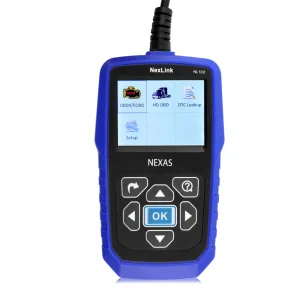
| Heavy Duty (HD) Fleet Scanners | 12V/24V dual range / J1939, J1708, CAN protocols | CE, FCC Part 15 | Public Transit Authority Maintenance Depots & Diesel Fleet Operators |
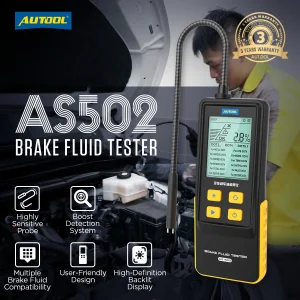
| Professional Brake Fluid Digital Testers | 0% - 4% Water Content / LED & LCD Digital Output | CE, WEEE | Precision Automotive Workshop Preventive Maintenance Audits |
| All-System Diagnostic Scanners | Full vehicle ECU access / 30+ service resets | CE, FCC, UKCA | Independent Multi-brand Service Networks & Repair Garages |
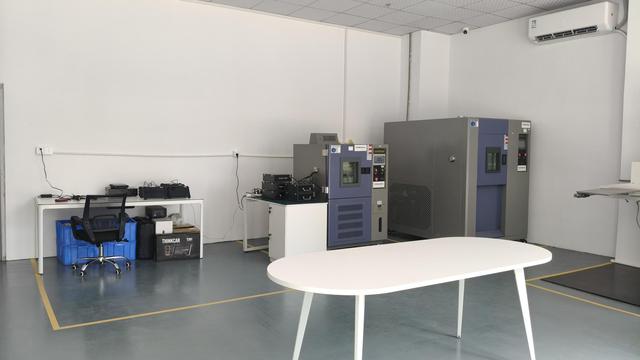
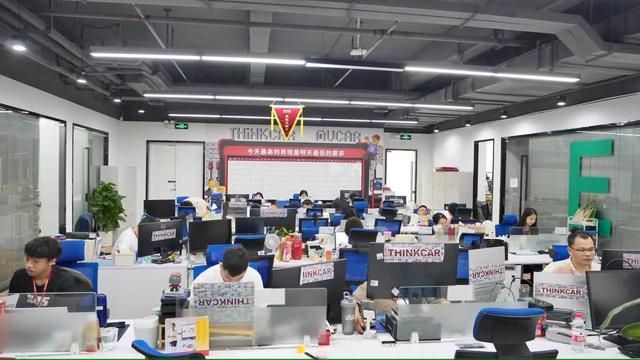
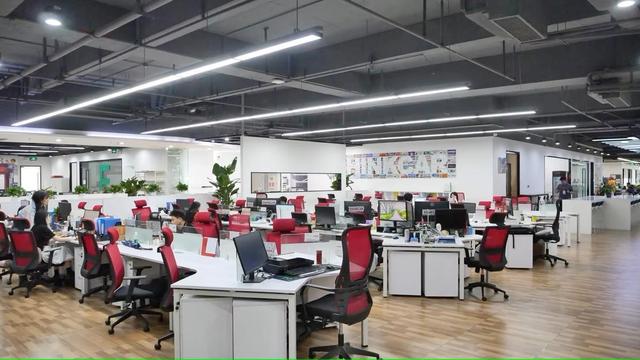
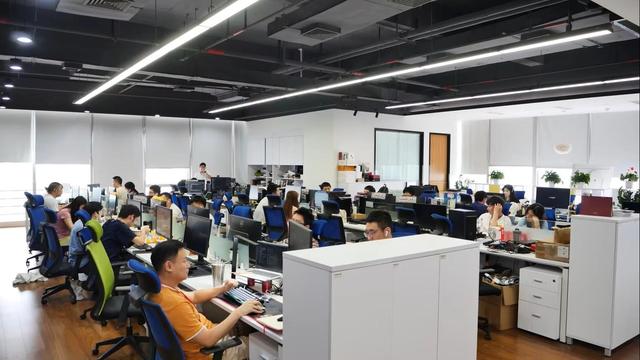
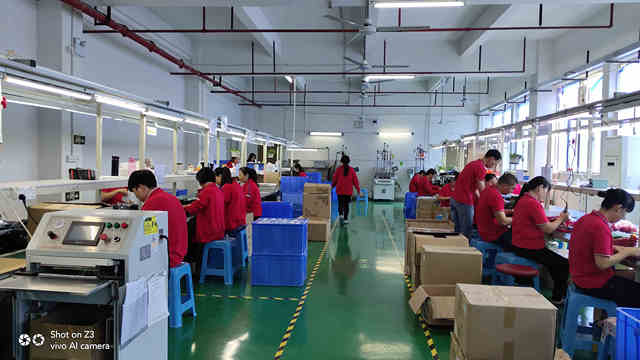
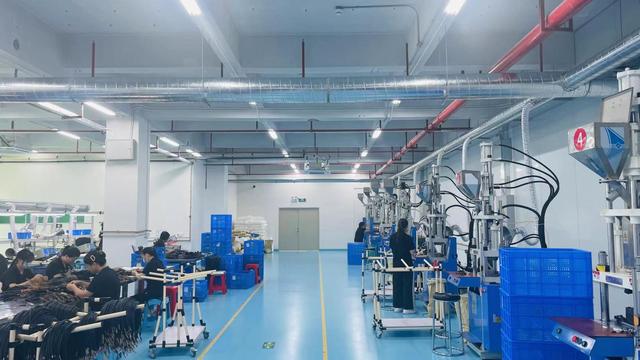
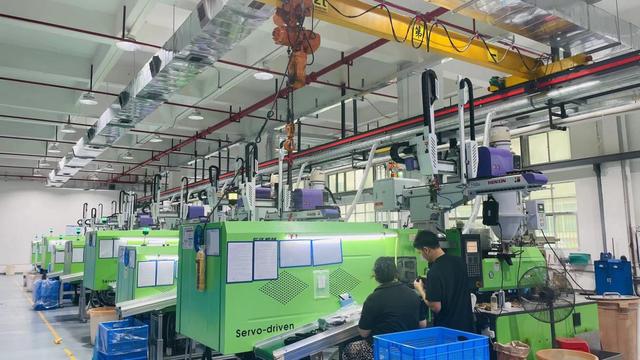
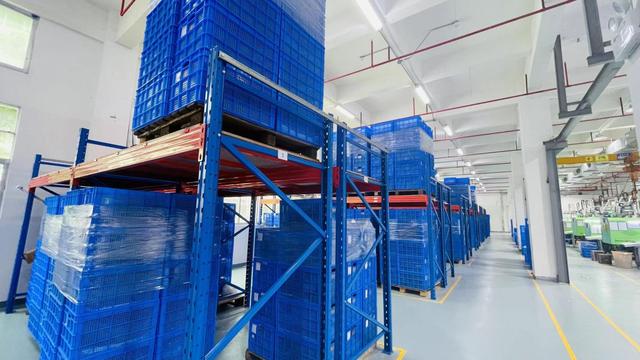
The global demand for high-reliability component testing equipment highlights the critical importance of a resilient manufacturing ecosystem. Shenzhen, China's premiere tech hub, stands at the center of this industry, integrating high-speed SMT assembly, automated calibration platforms, and comprehensive component testing under a single, unified supply chain model.
Through the integration of Industry 4.0 principles, manufacturing plants like Shenzhen Kore Auto Co., Ltd. maintain highly optimized component sourcing pipelines. This setup prevents production delays and ensures a steady supply of essential microprocessors and high-resolution displays. Our automated optical inspection (AOI) systems, thermal stress chambers, and multi-channel calibration loops ensure that every component tester leaving the production line is accurate, reliable, and fully CE-compliant.
Supply Chain Resilience Factor: By securing direct, long-term partnerships with leading semiconductor foundries and utilizing vertical manufacturing integration, Kore Auto successfully mitigates standard lead-time fluctuations, guaranteeing consistent global deliveries even during market supply pressures.
Real-world deployment of diagnostic equipment across diverse operating environments.
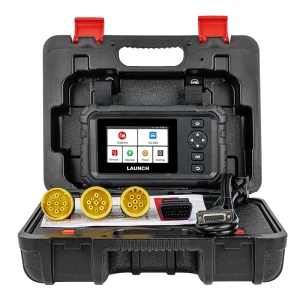
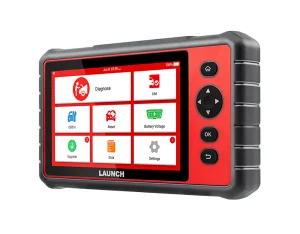
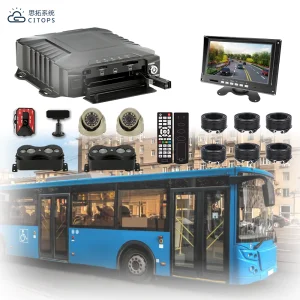
For municipal transit authorities operating hybrid buses and heavy diesel vehicles, down-time costs thousands of dollars per hour. Deploying the 8 Channel HDD MDVR Bus Monitoring System alongside the LAUNCH CRP129 HD 24V scanner allows operations teams to monitor safety and driver behavior in real-time, while diagnosing complex powertrain and emissions faults on-site.
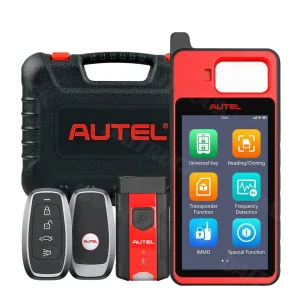
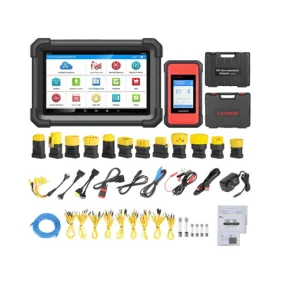
Independent garages face challenges servicing a wide range of vehicle models and years. Utilizing all-system diagnostic devices like the THINKCAR Thinkscan Plus S7 or the LAUNCH X431 CRP909E enables service centers to perform oil reset, SAS calibration, EPB maintenance, and IMMO updates using a single interface, significantly streamlining workshop operations.
Shenzhen Kore Auto Co., Ltd. is a professional China automotive diagnostic tools manufacturer specializing in the development, production, and global supply of advanced vehicle diagnostic solutions for the automotive aftermarket industry. With extensive experience in automotive electronics and diagnostic technology, Kore Auto is committed to delivering intelligent, reliable, and high-performance diagnostic equipment to customers worldwide.
Our comprehensive product portfolio includes automotive diagnostic scanners, OBD diagnostic tools, ECU programming equipment, TPMS diagnostic systems, ADAS calibration equipment, battery testing devices, vehicle inspection systems, automotive oscilloscopes, remote diagnostic platforms, and customized diagnostic solutions. These products are widely used by automotive repair workshops, dealerships, fleet operators, vehicle inspection centers, and maintenance service providers.
Driven by innovation, Shenzhen Kore Auto continuously invests in research and development to keep pace with the rapidly evolving automotive industry, including electric and connected vehicles. Our experienced engineering team develops cutting-edge diagnostic technologies featuring comprehensive vehicle coverage, fast data processing, intelligent fault analysis, wireless connectivity, and user-friendly software interfaces.
Quality and reliability are fundamental to our success. Every product is manufactured under strict quality control standards and undergoes rigorous testing procedures to ensure stable performance, accuracy, and durability in demanding workshop environments. We also provide flexible OEM and ODM services, helping customers develop customized automotive diagnostic products tailored to specific market requirements.
Serving customers throughout Europe, North America, South America, Asia, the Middle East, and Africa, Shenzhen Kore Auto Co., Ltd. has established long-term partnerships with distributors, automotive service providers, and industry professionals worldwide.

Crucial technical details, industry compliance guidelines, and procurement advice for global operations managers.
Explore our extended diagnostic product catalog designed for precision electronic troubleshooting and high-voltage vehicle inspections.
 Kore Auto