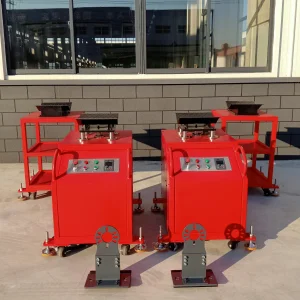
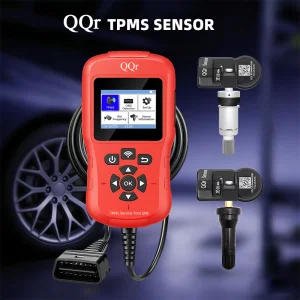
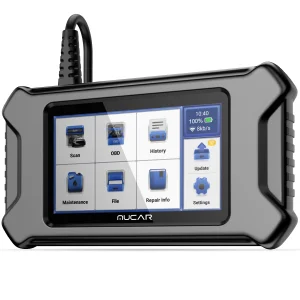
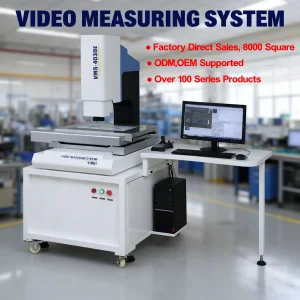
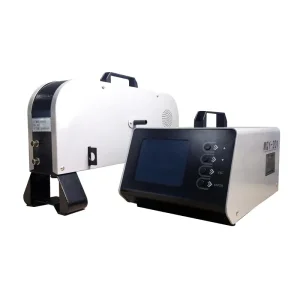
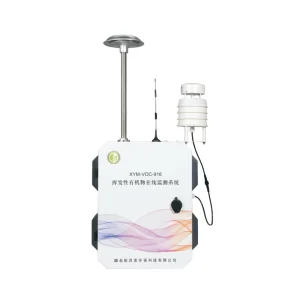
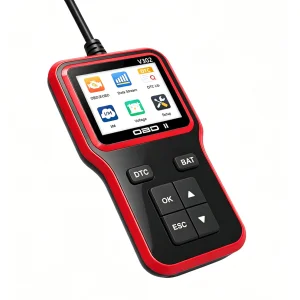
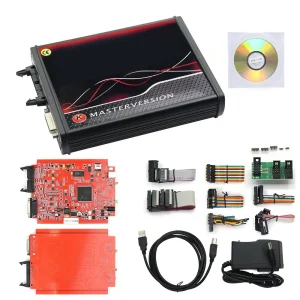
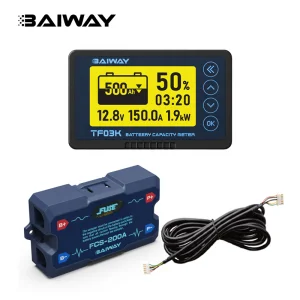
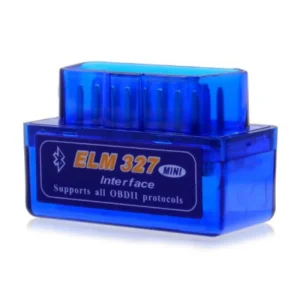
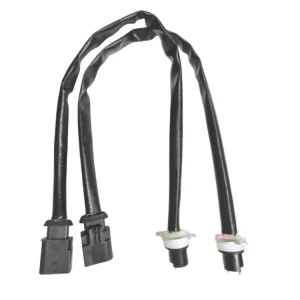
Explore our primary range of precision measurement apparatus, vacuum testing systems, and high-load hydraulic tooling designed for commercial auto workshops and test stations.
Analyzing regulatory frameworks, environmental validation protocols, and technical demands across Europe, the Americas, and emerging Asia-Pacific industrial sectors.
In the contemporary industrial arena, environmental safety guidelines have transcended regional boundaries, transforming into a synchronized framework of global compliance. The modern B2B market for Eco-Test Equipment is currently propelled by stringent environmental preservation measures, such as the European Union’s decarbonization targets, the United States Environmental Protection Agency (EPA) emissions control rules, and global initiatives focusing on industrial efficiency. Eco-test systems—encompassing precise gas emissions analyzers, leak detectors, particulate scanners, and ADAS calibration tooling—are no longer considered optional workshop diagnostics. Today, they represent essential industrial hardware necessary for maintaining active operating licenses and mitigating corporate environmental liability.
As automotive powertrains rapidly evolve, modern testing facilities must reconcile the legacy demand for internal combustion engine (ICE) verification with the emerging challenges presented by Electric Vehicles (EVs) and Hybrid Electric Vehicles (HEVs). The testing infrastructure must now guarantee accuracy across multiple operating variables: gas composition, structural leak tolerances, energy throughput validation, and digital system integration. From checking the physical tightness of heat exchangers using pressure-drop methods to verifying electronic control units (ECUs) via complex diagnostics, manufacturers must configure test systems that align perfectly with the prevailing CE (Conformité Européenne) guidelines, indicating absolute safety and quality compatibility.
Shenzhen Kore Auto Co., Ltd. is a professional China automotive diagnostic tools manufacturer specializing in the development, production, and global supply of advanced vehicle diagnostic solutions for the automotive aftermarket industry. With extensive experience in automotive electronics and diagnostic technology, Kore Auto is committed to delivering intelligent, reliable, and high-performance diagnostic equipment to customers worldwide. Our operational ethos leverages a balance between hardware refinement and software agility, allowing technicians globally to identify issues rapidly and maintain compliance parameters without complex processes.
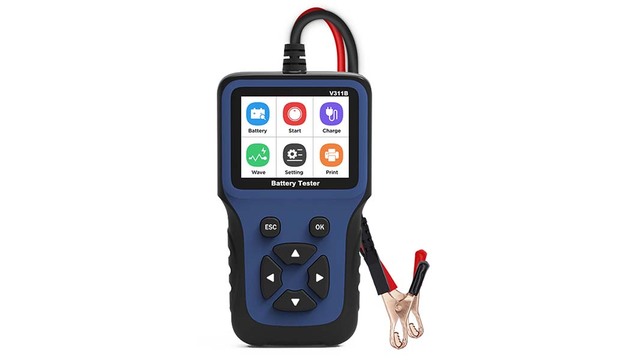
Our comprehensive product portfolio includes automotive diagnostic scanners, OBD diagnostic tools, ECU programming equipment, TPMS diagnostic systems, ADAS calibration equipment, battery testing devices, vehicle inspection systems, automotive oscilloscopes, remote diagnostic platforms, and customized diagnostic solutions. These products are widely used by automotive repair workshops, dealerships, fleet operators, vehicle inspection centers, and maintenance service providers. Every single device we engineer undergoes a battery of stresses to prove durability in challenging workshop environments, assuring consistent performance under variable humidity and high mechanical demands.
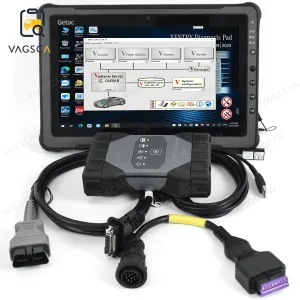
Driven by innovation, Shenzhen Kore Auto continuously invests in research and development to keep pace with the rapidly evolving automotive industry, including electric and connected vehicles. Our experienced engineering team develops cutting-edge diagnostic technologies featuring comprehensive vehicle coverage, fast data processing, intelligent fault analysis, wireless connectivity, and user-friendly software interfaces. By modernizing our software to support CAN-FD, DoIP, and various high-speed J2534 protocols, we ensure long-term compatibility for complex vehicle networks.
Quality and reliability are fundamental to our success. Every product is manufactured under strict quality control standards and undergoes rigorous testing procedures to ensure stable performance, accuracy, and durability in demanding workshop environments. We also provide flexible OEM and ODM services, helping customers develop customized automotive diagnostic products tailored to specific market requirements. Serving customers throughout Europe, North America, South America, Asia, the Middle East, and Africa, Shenzhen Kore Auto Co., Ltd. has established long-term partnerships with distributors, automotive service providers, and industry professionals worldwide.
How Shenzhen's high-tech industrial ecosystem optimizes production speed, raw material access, and cost-efficiency without compromising international quality standards.
Shenzhen's industrial clusters permit design-to-sample turnaround in days rather than months. We incorporate continuous hardware iteration loops, matching updates in microchip architecture and structural plastics immediately.
Immediate access to high-precision sensors, specialized optic processors, pneumatic valves, and microcontrollers reduces lead times by up to 45% compared to manufacturers in other regions, offering a reliable supply of parts.
High production volumes allow us to absorb strict inspection overheads. This ensures every diagnostic device meets CE criteria for electromagnetic compatibility (EMC) and electrical safety, maintaining competitive costs.
From standard auto workshops to heavy-duty state inspection pathways, we review where and how these devices operate in real-world environments.
Municipal vehicle test lanes use our opacimeters and multi-gas analyzers (like the MQY-201 and XYM-916) to verify exhaust particulate densities. Positioned in harsh, high-throughput locations, these devices continuously measure gas opacity and concentration under fluctuating temperatures, saving diagnostic data directly to centralized environmental servers.
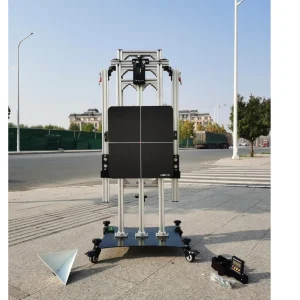
Post-accident structural repairs require sensor realignment. Using ADAS Calibration kits, technicians establish radar targets and optical alignments for adaptive cruise control and lane-keeping systems. This guarantees that vehicle safety algorithms receive accurate physical signals, restoring original safety profiles.
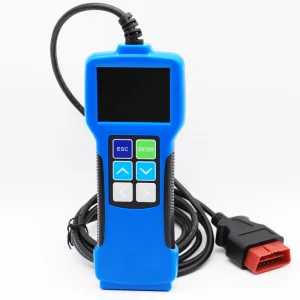
Commercial logistics companies face substantial down-time costs. Mechanics use heavy-duty OBD diagnostic tools to monitor SCR (Selective Catalytic Reduction) performance, diesel particulate filter (DPF) soot loads, and turbocharger pressures, preventing costly roadside breakdowns and regulatory non-compliance fines.
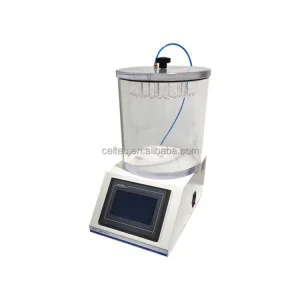
During sub-assembly production (e.g., fuel cells, coolant radiators, or cooling jackets), components must undergo bubble emission vacuum testing. Our bubble emission chambers verify joint integrity by subjecting components to specific pressure differentials, indicating leaks immediately through observable fluid dynamics.
The test equipment market is undergoing major shifts driven by connectivity and electrification. The transition from legacy engine management systems to battery-electric topologies has altered the parameters of diagnostic parameters. The most important trends influencing the industry today include:
A quick reference checklist for global B2B procurement managers seeking to align diagnostic hardware purchases with international quality frameworks.
B2B buyers in the EU and NA must balance total cost of ownership (TCO) with local regulatory requirements. When sourcing testing machinery or OBD scanner fleets, buyers should evaluate three main aspects:
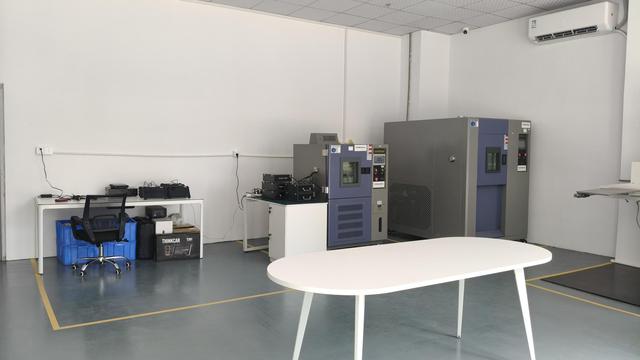
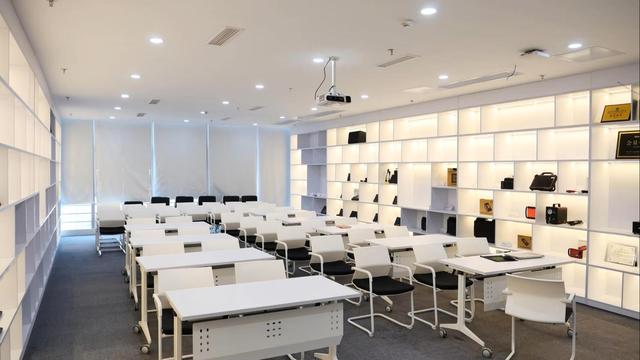
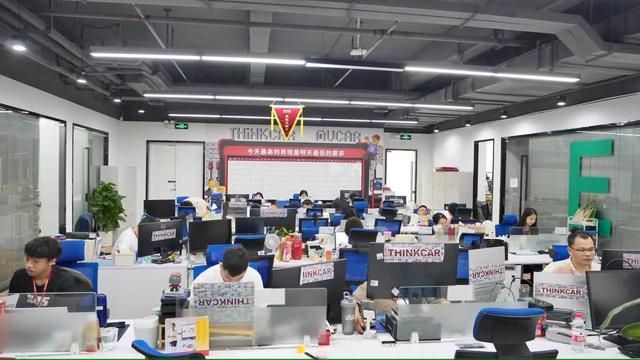
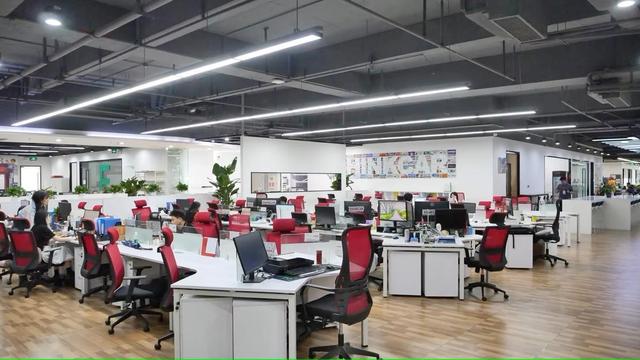
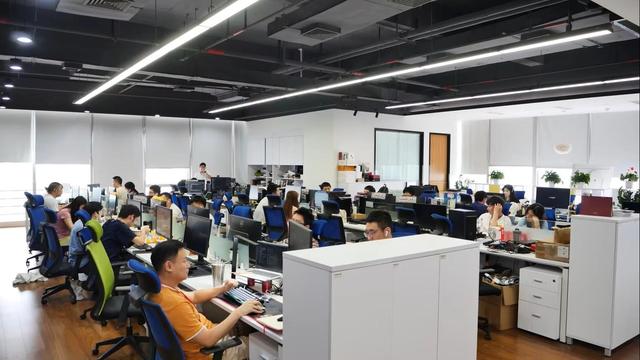
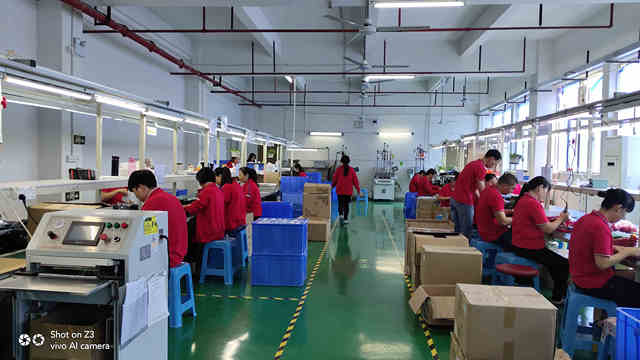
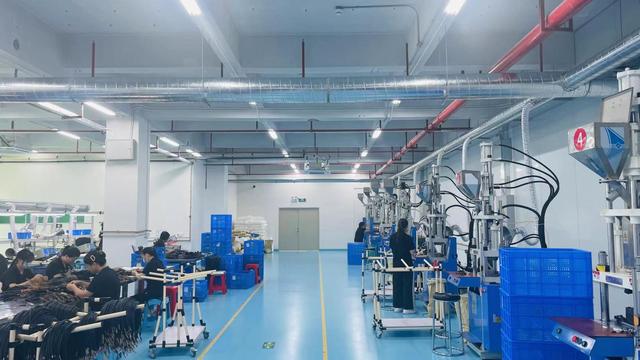
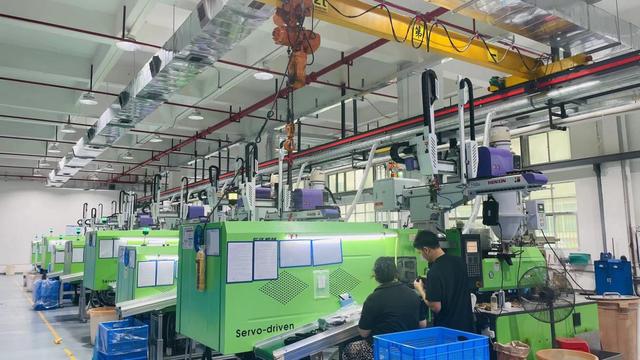
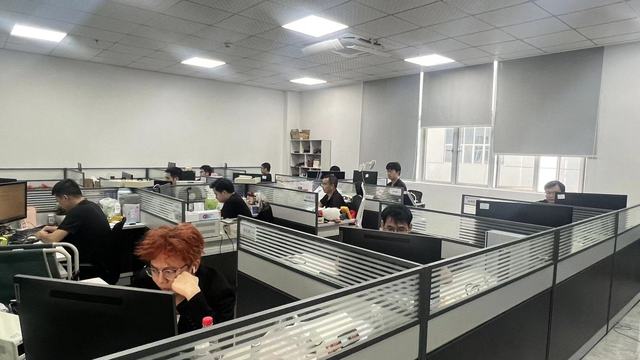
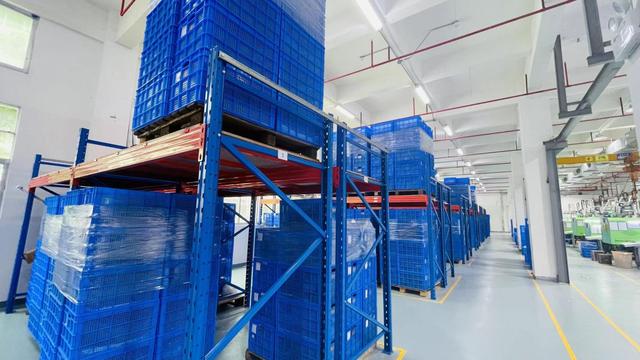
A visual overview of our advanced production lines, quality inspection stations, and precision calibration labs in Shenzhen.
Technical responses addressing integration challenges, calibration processes, and procurement options for enterprise buyers.
Browse our advanced scan tools, emissions detectors, and high-performance ECU programming devices optimized for professional diagnostic technicians.
 Kore Auto