China Best Chassis Dynamometer Manufacturer & Factories

Premium Vehicle Testing Solutions, High-Precision Powertrain Calibration, & Diagnostic Ecosystem Integration for Global Markets.

Featured Diagnostic & Testing Equipment

Integrate advanced hardware tools into your chassis dynamometer diagnostic workflow for comprehensive evaluation.
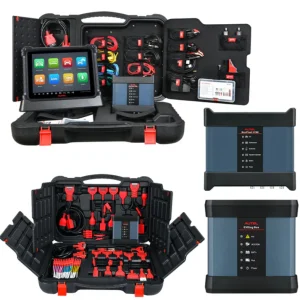
Autel MaxiSYS Ultra EV

2026 Top EV Intelligent Diagnostic Scan Tool Autel MaxiSYS Ultra EV

View Product
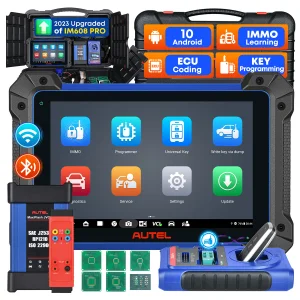
Autel MaxiIM IM608S II

Autel Official Store MaxiIM IM608S II OBD2 Scanner

View Product
Brake System Code Reader

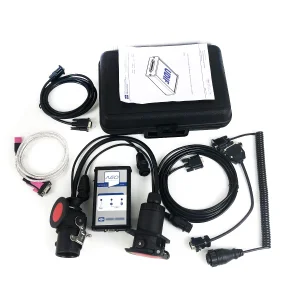
Trailers & Semi-trailers Brake System Code Reader (UDIF)-USB 24V

View Product
SH111 Engine Diagnostic Tool

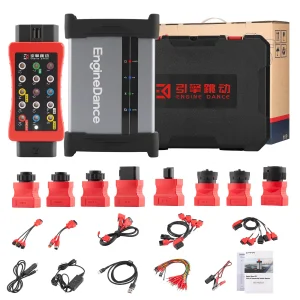
SH111 Engine Dance X5 Diag Truck Diagnostic ECU Tuning Machine

View Product
JFIND JF100 Circuit Tester

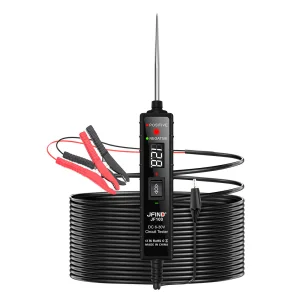
New Released JFIND JF100 Automotive Circuit Tester

View Product
Kingbolen K6 PRO

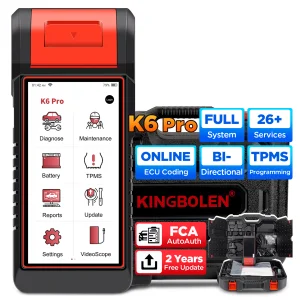
EU Warehouse Kingbolen K6 PRO Bidirectional Control Tool

View Product
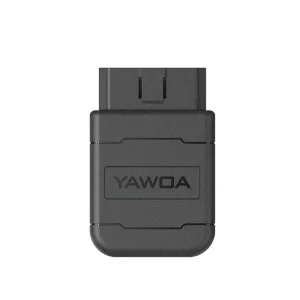
P01 WIFI OBD2 Scanner

P01 WIFI Car OBD2 Scanner Auto Diagnostic Tool

View Product
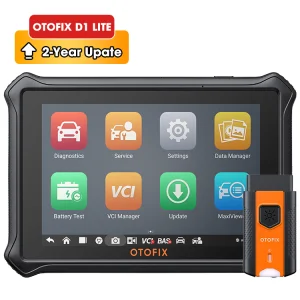
OTOFIX D1 LITE

OTOFIX D1 LITE Bi-directional Car Diagnostic Tool

View Product
15+
Years R&D Excellence
80+
Exporting Countries
100%
ISO/CE/UL Compliance
24/7
Global Tech Support

1. The Strategic Role of Chassis Dynamometers in Modern Automotive Engineering

A chassis dynamometer, commonly referred to as a "rolling road," is the absolute cornerstone of vehicle performance assessment, emission verification, and diagnostic calibration. Unlike engine dynamometers that test power units in isolation, a chassis dynamometer measures power, torque, emissions, and fuel/energy consumption directly at the vehicle's drive wheels. This integrates the entire powertrain losses—spanning the transmission, differentials, axles, and tires—rendering a comprehensive simulation of real-world road loads.

Information Gain Insight: With the seismic transition toward Electric Vehicles (EVs) and Hybrid Powertrains (HEVs), the role of the chassis dynamometer has expanded beyond basic brake horsepower measurements. Today's systems must emulate complex regenerative braking drag forces, high-voltage battery discharge cycles, and complex ADAS (Advanced Driver Assistance Systems) radar targets operating in synchronous wind tunnels.

Whether testing heavy-duty diesel engines for environmental compliance or running NVH (Noise, Vibration, and Harshness) analyses on luxury sedans, selecting a reliable manufacturer is crucial. Shenzhen Kore Auto Co., Ltd. is at the forefront of providing integrated test ecosystems that bridge raw mechanical load units with cutting-edge digital diagnostics.

Key Classifications of Chassis Dynamometers

  • Single-Roller vs. Multi-Roller Systems: Single-roller dynamometers (typically 20-72 inches in diameter) mimic flat-road rolling resistance with extreme accuracy, reducing tire deflection. Multi-roller systems provide easier vehicle positioning, ideal for quick production-line validation (EOL) and fleet diagnostic centers.
  • Power Absorption Units (PAU): Modern dynamometers rely on either Eddy Current (air-cooled or water-cooled electromagnetic retarders) for transient load testing, or active AC Regenerative Motors that can both load and drive the vehicle to simulate downhill gradients and regenerative charging states.
  • Dimensional Configurations: AWD (All-Wheel Drive) setups require dynamic synchronization of front and rear rollers via mechanical shafts or electronic active synchronization to prevent catastrophic damage to active center differentials and traction control modules.

2. The China Factory Supply Chain Advantage in Dynamometer Production

China has established itself as the global epicenter for precision manufacturing and high-capacity automotive assembly equipment. The domestic supply chain for chassis dynamometers benefits from a massive industrial ecosystem that yields unmatched advantages in raw materials, component integration, and rapid R&D iteration.

1. Precision Cast Metallurgy

Access to premium heavy-duty steel and specialized casting facilities ensures rollers are perfectly balanced dynamically to ISO G1.6 standards, eliminating vibration up to 250 km/h.