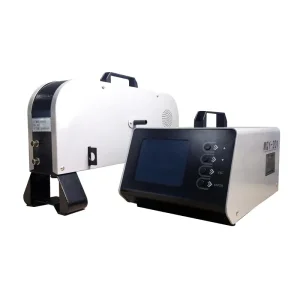
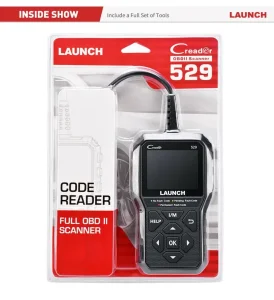
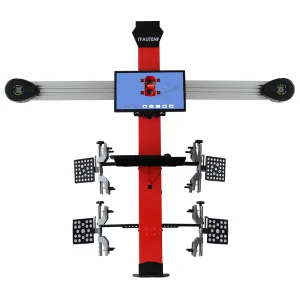
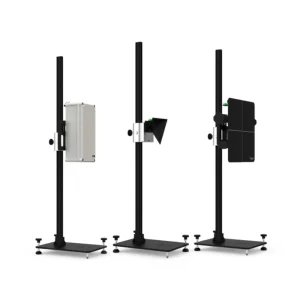
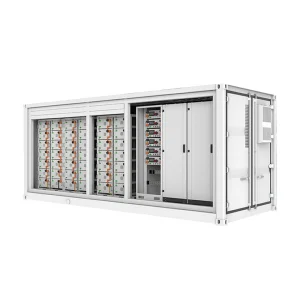
Explore our leading line of calibration targets, diagnostic scan systems, and containerized energy solutions designed to deliver unmatched testing accuracy.

The modern internal combustion engine (ICE) and hybrid power plants face unprecedented pressure to achieve absolute fuel efficiency, zero-emission parameters, and stable combustion cycles. Central to this performance paradigm is the fuel injector—the component responsible for metering and atomizing fuel at pressures that can exceed 3,000 bar in modern common rail systems. A minuscule variance in fuel delivery, spray angle, or response latency directly compromises engine performance, elevates emissions, and induces mechanical fatigue.
As a globally recognized industrial center, China has established itself as the world's primary source of diagnostic testing gear. Shenzhen Kore Auto Co., Ltd. stands at the forefront of this manufacturing ecosystem. We specialize in the R&D, manufacturing, and global deployment of advanced automotive electronic systems, providing automotive workshops, industrial test centers, and distributors with highly specialized testing instruments designed to interface with Gasoline Direct Injection (GDI), Common Rail Diesel Injection (CRDI), and traditional Port Fuel Injection (PFI) platforms.
By leveraging vertical integration, modern automated surface-mount technology (SMT), and localized product customization (OEM/ODM), Shenzhen Kore Auto bridges the gap between state-of-the-art diagnostic science and workshop affordability.
Every tester undergoes rigorous high-pressure testing, calibration checks, and electronic shielding diagnostics to guarantee stable workshop operations.
Integrated database configurations and adapters cover GDI, CRDI, and PFI injectors across American, European, and Asian vehicular lines.
Dedicated aftersales, firmware updating tools, and customizable software configurations allow regional distributors to localize their catalog offerings.
The global automotive landscape is divided between upgrading legacy propulsion systems and rolling out next-generation alternative energy designs. In developing logistics corridors across Central Asia, Africa, and parts of South America, heavy-duty diesel engines remain the backbone of overland freight. In these markets, fuel injector testers are not luxury diagnostic tools; they are vital capital equipment. High particulate concentrations in local fuel networks accelerate injector wear, making regular diagnostics essential to prevent catalytic damage and fuel dilution.
Conversely, in North America and Western Europe, automotive repair facilities face strict emission testing protocols (such as CARB standards and Euro 6/7 regulations). Under these systems, workshops must isolate and repair micro-fuel leaks, spray angle drift, and latency anomalies. Modern diagnostics require equipment that can measure flow volumes at millisecond levels.
By working with specialized Chinese manufacturers, global logistics companies and diagnostic tool suppliers can source testing platforms that meet these strict calibration rules while maintaining cost-effective operations.
| Technology Generation | Common Injector Pressures | Primary Diagnostic Parameters | Industry Standard Compliance |
|---|---|---|---|
| PFI / Standard Port Injection | 3.0 to 6.0 Bar | Basic spray shape, volumetric delivery balance, resistance checks. | EPA Phase 1-2, Euro 3-4 |
| GDI (Gasoline Direct) | 100 to 350 Bar | Precision spray angle, leakage under high pressure, dynamic opening speed. | Euro 5-6, Tier 3 Bin 30 |
| CRDI (Common Rail Diesel) | 1,500 to 3,200 Bar | Pilot, main, and post-injection volumes, back-flow volume, response delay. | Euro 6d/7, Stage V / Stage VI |
Diagnostic technology is shifting away from analog flow tubes and manual pressure pumps. Shenzhen Kore Auto utilizes advanced high-frequency microprocessors and solid-state sensors to map dynamic injection performance in real-time.
Focused primarily on checking raw spray patterns through safety glass and reading mechanical pressure gauges. Flow rate calculations were based on manual timers, which limited diagnostic accuracy to basic component failures.
Introduced digital controllers to simulate realistic engine cycles (RPM and Pulse Width). This generation combined electrical testing with ultrasonic baths to clear carbon blockages while monitoring flow rates.
Employs high-speed piezoelectric and electromagnetic pressure sensors to track instant injector opening times, micro-leakage rates, and volumetric output. Data is visualised in real-time on multi-touch color displays.
Connecting diagnostic platforms directly to global vehicle manufacturer specification databases. Machine learning algorithms analyze wear patterns and predict the remaining useful life (RUL) of the fuel system.
Fuel injector testers are used in a variety of environments, from precision testing facilities in cold climates to heavy duty workshops in dust-heavy regional hubs.
High-sulfur diesel fuel and long operating hours accelerate wear in heavy-duty common rail injectors. Our diagnostics tools quickly spot pressure drop-offs and poor fuel atomization, preventing expensive failures and saving logistics operators from costly downtime.
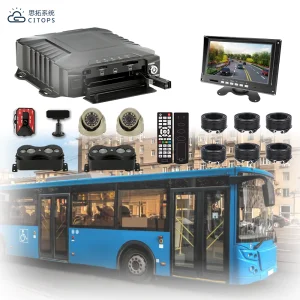
City buses operate under demanding start-stop conditions that promote rapid carbon buildup on injector nozzles. Using targeted ultrasonic cleaning routines and flow diagnostics helps municipal fleets maintain emissions compliance and reduce fuel waste.
During engine rebuilding processes, components must be tested to ensure they match factory specifications. High-precision volumetric testing verifies that each fuel injector performs consistently before final assembly and delivery.
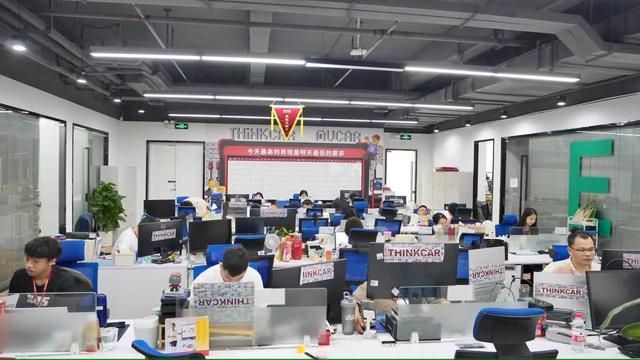
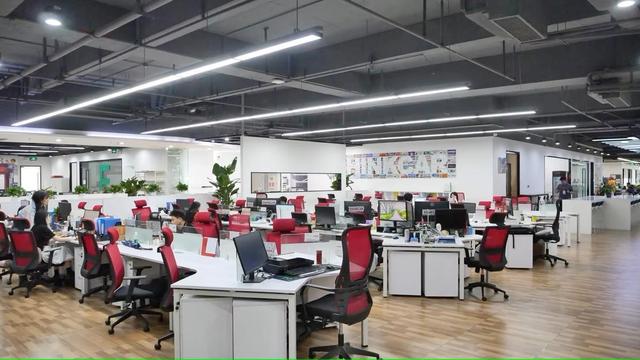
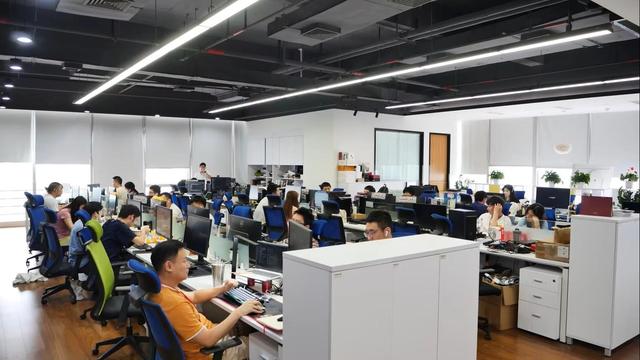
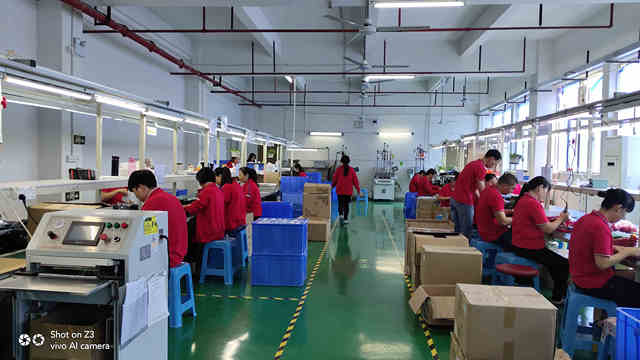
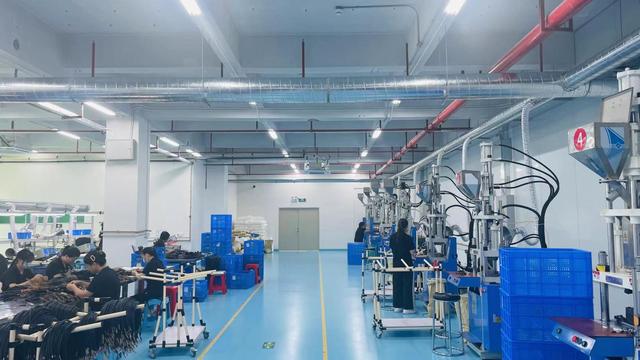
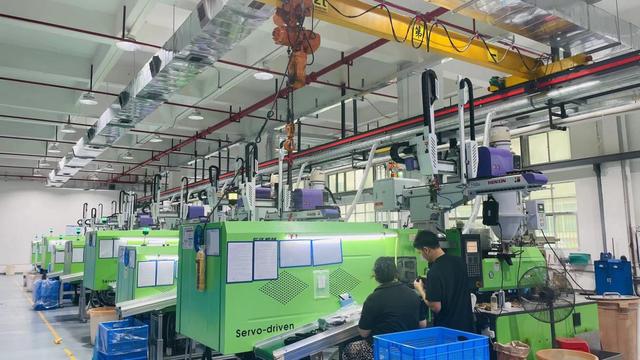
Building reliable testing equipment requires a robust, well-coordinated manufacturing ecosystem. By basing operations in Shenzhen's advanced electronics and industrial manufacturing cluster, Shenzhen Kore Auto Co., Ltd. secures premium components, advanced R&D expertise, and streamlined logistics.
Our factories operate under strict ISO 9001 and CE directives. Rather than relying on simple end-of-line spot checks, our quality control process spans multiple stages of manufacturing:
By sourcing raw steel, machined fuel rails, and digital control chips locally, we minimize production delays and lower manufacturing costs. This allow us to invest in continuous product development, giving our partners premium features without the premium price tag.
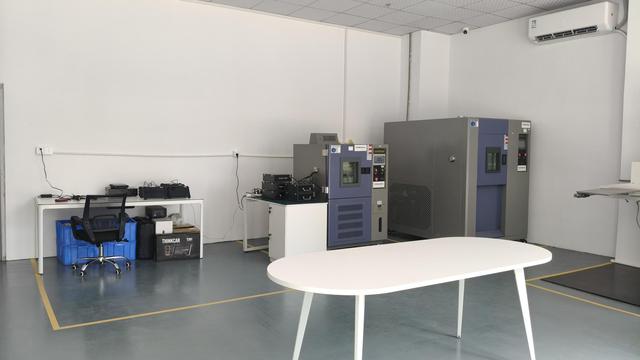

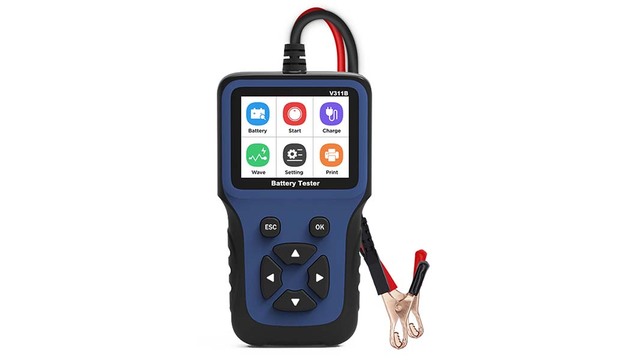
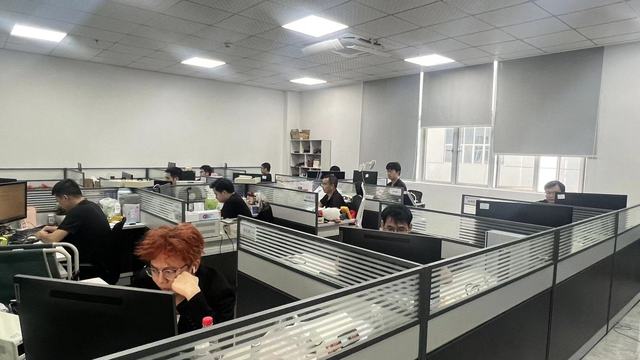
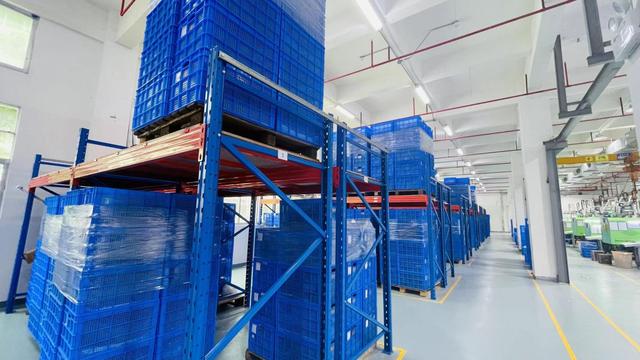
To succeed in international markets, diagnostic systems must meet strict regulatory and operating guidelines. We build our equipment to comply with CE, FCC, RoHS, and WEEE standards, making importing straightforward for our business partners.
Every market has unique requirements, from user-interface languages to branding preferences and distinct socket adapter profiles. We support our distributors with comprehensive customization options:
We back our products with a solid warranty program, digital training files, and regular online firmware updates. Our engineering team provides direct support to help resolve technical questions quickly.
Professional insights into importing, operating, and selecting fuel injector calibration equipment.
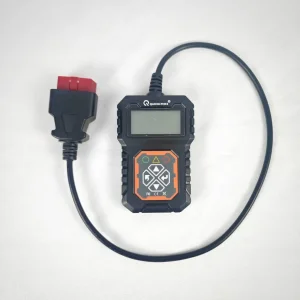
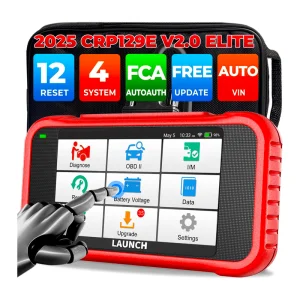
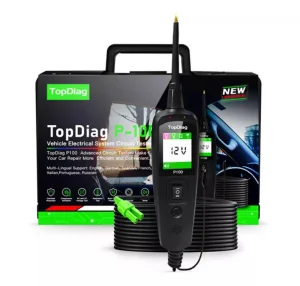
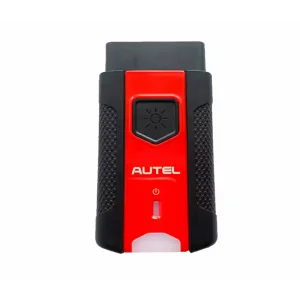
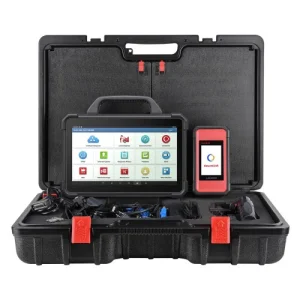
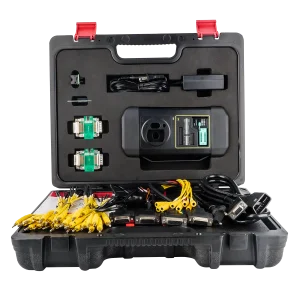
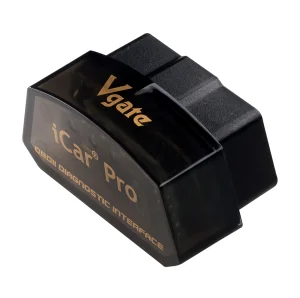
Select from our highly accurate OBD2 diagnostics, programming chips, Bluetooth VCI adapters, and professional 3D alignment tools.
 Kore Auto