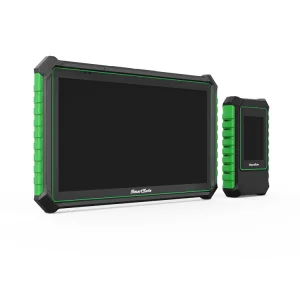
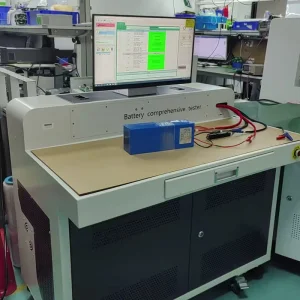
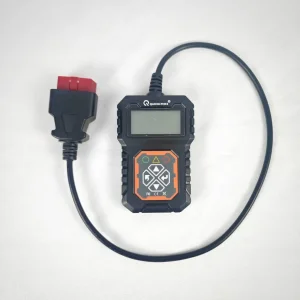
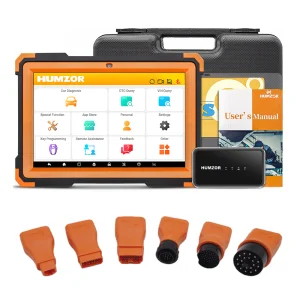
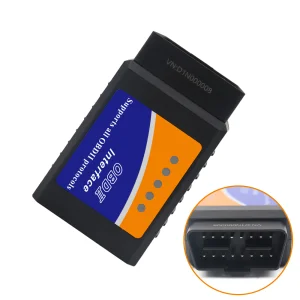
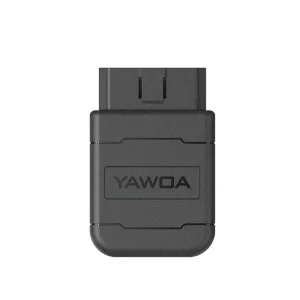
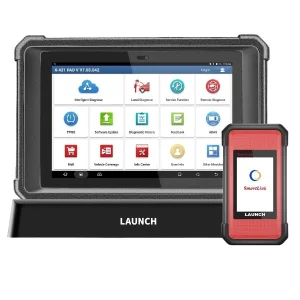
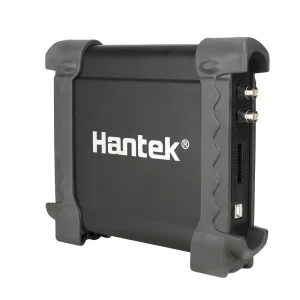
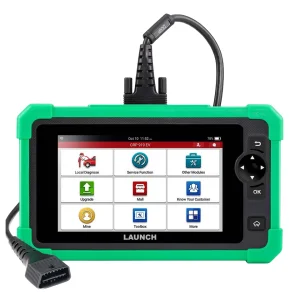
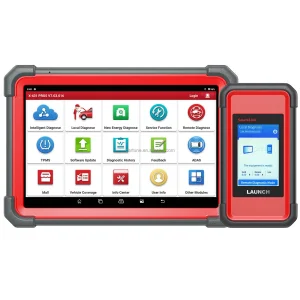
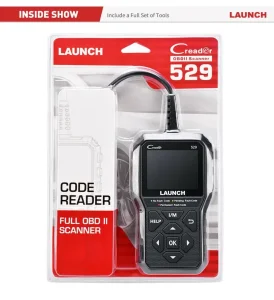
Explore our elite range of electronic vehicle scanners, diagnostic systems, and precision battery testing units designed for automotive aftermarket operations.
Within high-performance automotive manufacturing, marine engineering, and specialized engine diagnostics, maintaining precise ignition synchronization remains critical. The timing light, though classic in concept, has evolved into a sophisticated diagnostic device. Global OEMs, automotive distributors, and fleet managers require customized timing diagnostic tools designed for durability, digital integration, and extreme accuracy.
As a leading Custom OEM Timing Light Tool Supplier, we recognize that modern professional mechanics demand far more than a simple flash. The current automotive landscape is a hybrid of legacy internal combustion engines (ICE), advanced high-compression power units, and complex motor-generator systems. Customization of timing lights ensures that fleet-specific requirements—such as specialized RPM ranges, digital advance reading displays, rugged drop-proof housings, and customized brand aesthetics—are fully met. We leverage advanced R&D to bridge the gap between traditional mechanical engineering and modern microcontroller-driven electronics.
In developing professional-grade timing diagnostics, our engineering framework focuses on three essential elements: optical clarity, signal processing speed, and environmental protection.
Unlike standard timing lights that rely on simple analog delay lines, our OEM timing platforms utilize integrated microcontrollers. This allows the user to set a digital advance offset (from 0° to 90°) with precision down to 0.1 degrees. The internal processing chips calculate the spark ignition delay on the fly, compensating for signal degradation over long cables. This is crucial for high-speed engines operating above 8,000 RPM, where a latency of even a few microseconds translates into significant timing calculation errors.
The core interface between the engine and the diagnostic tool is the inductive pickup clamp. A key challenge is filtering out electromagnetic interference (EMI) generated by secondary ignition coils, nearby alternator fields, and diagnostic signals. Our custom OEM timing lights employ high-permeability split ferrite cores wrapped in noise-shielded coils. This design captures weak trigger signals from thin high-tension ignition leads without registering false double-triggers.
For workshop visibility, we offer two main strobe options: traditional Xenon flash tubes for high-contrast output in bright environments, and high-intensity LED arrays for extended product lifespans and low power consumption. By optimizing the strobe pulse width, we prevent target blurring, enabling technicians to identify flywheel or harmonic balancer marks clearly at extreme rotational velocities.
Why leading tool brands, military maintenance networks, and automotive diagnostic suppliers choose Kore Auto as their production partner.
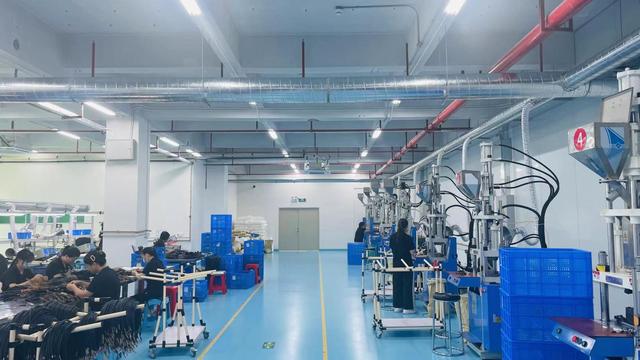
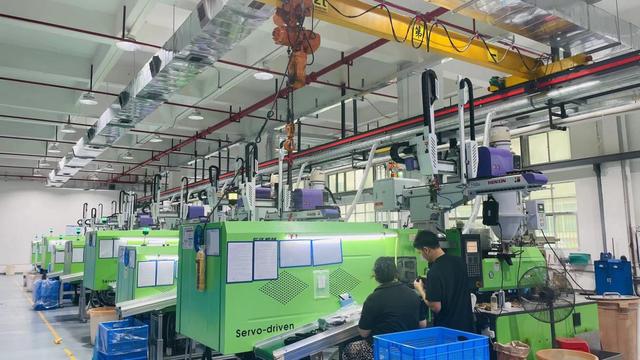
We provide full-spectrum cosmetic and structural customization. From custom injection mold designs and color matching to silk-screened logos and bespoke carrying cases, your brand identity is maintained across all components.
We can integrate timing light functionality with hand-held OBD2 engine analyzers, digital automotive oscilloscopes, or multi-function engine diagnostic stations. This minimizes the footprint of specialized workshop tooling.
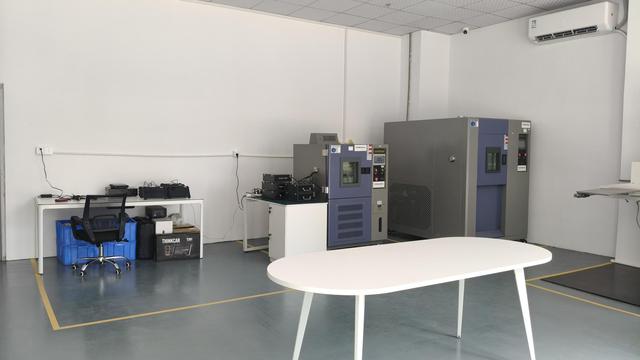
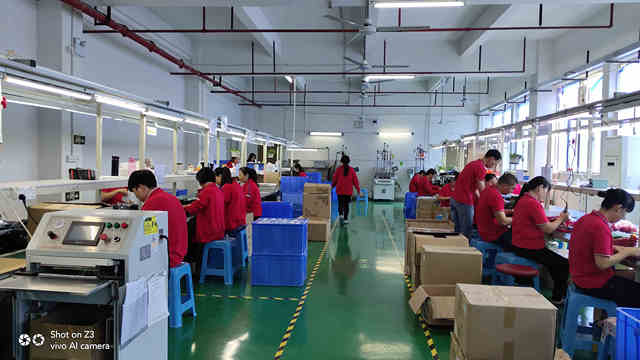
Each unit undergoes multiple inspection checkpoints, including high-voltage isolation checks, timing accuracy calibration against reference digital wave generators, and mechanical impact drops to verify chassis durability.
For procurement managers detailing technical request sheets (RFQs), below is the standardized customization matrix offered across our timing light tool production runs:
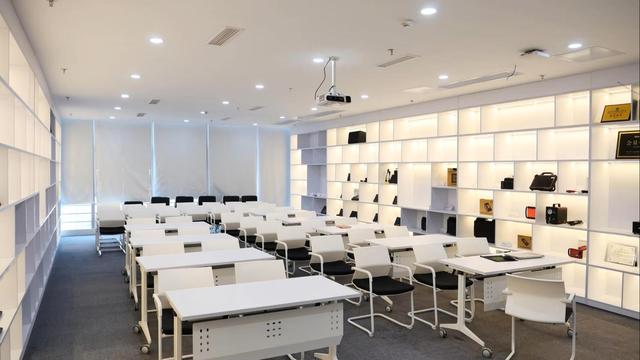
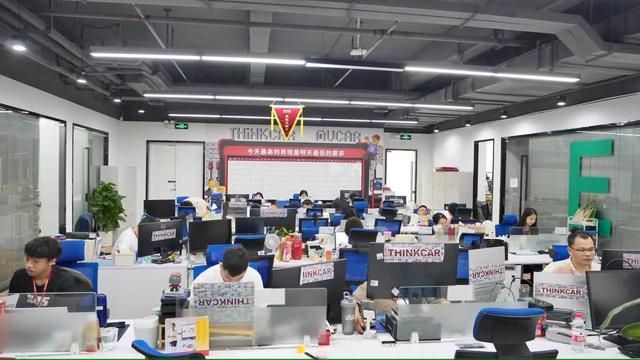
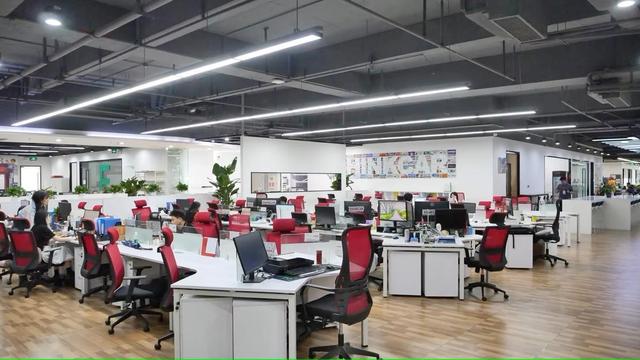
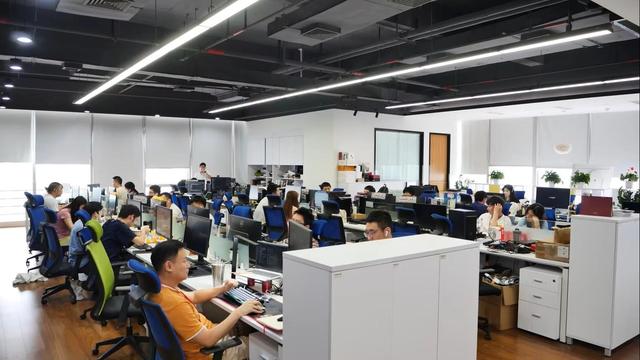
Shenzhen Kore Auto Co., Ltd. is a professional China automotive diagnostic tools manufacturer specializing in the development, production, and global supply of advanced vehicle diagnostic solutions for the automotive aftermarket industry. With extensive experience in automotive electronics and diagnostic technology, Kore Auto is committed to delivering intelligent, reliable, and high-performance diagnostic equipment to customers worldwide.
Our comprehensive product portfolio includes automotive diagnostic scanners, OBD diagnostic tools, ECU programming equipment, TPMS diagnostic systems, ADAS calibration equipment, battery testing devices, vehicle inspection systems, automotive oscilloscopes, remote diagnostic platforms, and customized diagnostic solutions. These products are widely used by automotive repair workshops, dealerships, fleet operators, vehicle inspection centers, and maintenance service providers.
Driven by innovation, Shenzhen Kore Auto continuously invests in research and development to keep pace with the rapidly evolving automotive industry, including electric and connected vehicles. Our experienced engineering team develops cutting-edge diagnostic technologies featuring comprehensive vehicle coverage, fast data processing, intelligent fault analysis, wireless connectivity, and user-friendly software interfaces.
Quality and reliability are fundamental to our success. Every product is manufactured under strict quality control standards and undergoes rigorous testing procedures to ensure stable performance, accuracy, and durability in demanding workshop environments. We also provide flexible OEM and ODM services, helping customers develop customized automotive diagnostic products tailored to specific market requirements.
Serving customers throughout Europe, North America, South America, Asia, the Middle East, and Africa, Shenzhen Kore Auto Co., Ltd. has established long-term partnerships with distributors, automotive service providers, and industry professionals worldwide.
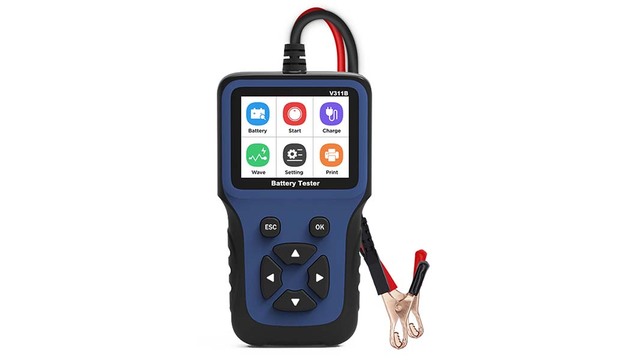
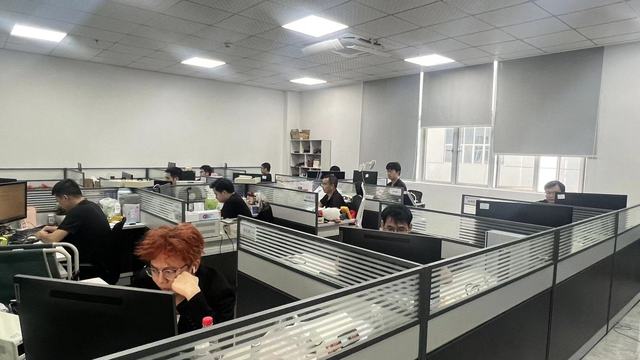
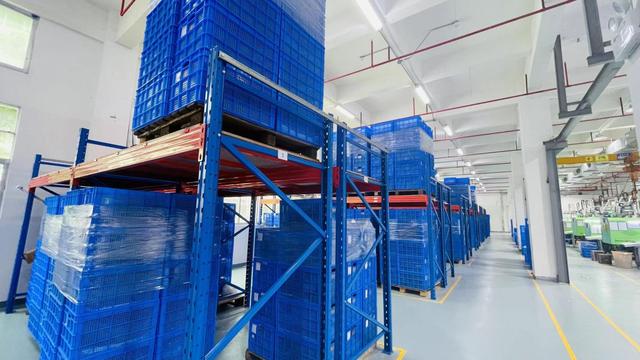
As vehicle propulsion systems evolve, engine diagnostics are undergoing a parallel transformation. The traditional timing light is expanding its role, adapting to serve hybrid powertrains and electric vehicle (EV) rotary configurations.
Hybrid powertrains require precise synchronization between the ICE and the electric motor-generator. In these systems, internal combustion timing must align with the rotor position sensor (resolver) of the traction motor. Next-generation diagnostic setups feature timing lights that connect with high-frequency oscilloscopes and diagnostic tablets to display real-time mechanical-to-electrical phase angles.
To improve safety and convenience in the workshop, we are developing wireless signal systems. By replacing long analog cables with low-latency 2.4 GHz wireless transceivers, technicians can trigger timing light pulses directly from a remote inductive sender. This eliminates the risk of cables tangling with spinning radiator fans or hot exhaust manifolds.
Modern workshops expose tools to harsh chemicals, drop hazards, and extreme temperatures. Our housing designs feature over-molded thermoplastic elastomers (TPE) and polycarbonate blends. These materials provide drop protection up to 2 meters onto concrete and resist degradation from motor oil, brake fluid, and engine degreasers.
Answers to common engineering and sourcing questions regarding custom timing lights and diagnostic instruments.
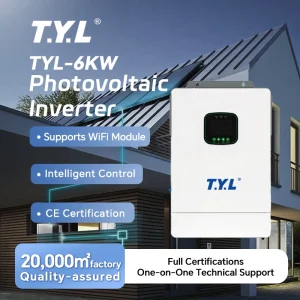
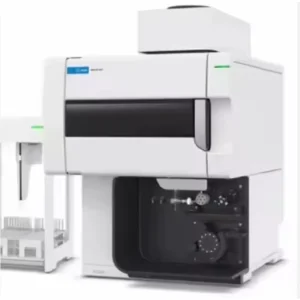
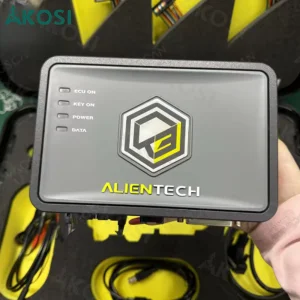
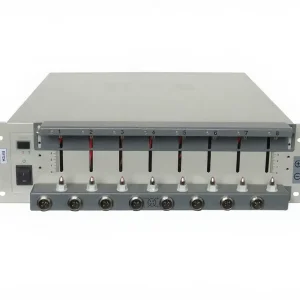
Professional-grade solar inverters, laboratory battery testing equipment, spectrometer units, and specialized ECU chip tuners.
 Kore Auto