High-precision vehicle communication analyzers, scanner systems, and heavy-duty diagnostic tools built to international safety standards.
Decoding physical layers, transceiver signals, and industrial bus network challenges.
Modern vehicle networks rely heavily on the Controller Area Network (CAN) to transmit data packets between electronic control units (ECUs). Serving as the system's neural network, the CAN Bus architecture maintains operational integrity across various functions, including high-speed powertrain dynamics, chassis positioning, battery telemetry, and passenger cabin climate systems. The CAN Bus analyzer operates at the physical layer, converting high and low differential voltage signals (CAN_H and CAN_L) into readable hex data frames, enabling engineers to inspect traffic, isolate electrical faults, and trace frame errors in real-time.
In highly electrified systems, standard CAN has evolved into CAN FD (Flexible Data-Rate). While legacy CAN 2.0B limits payload capacities to 8 bytes per frame at speeds of up to 1 Mbps, CAN FD handles payloads up to 64 bytes at speeds reaching 5 to 8 Mbps. This expansion helps prevent network bus congestion from ADAS radar systems, safety cameras, and high-voltage battery management systems. As a result, selecting an industrial-grade CAN Bus analyzer requires careful verification of its microcontrollers, transceivers, and optical isolation barriers to ensure stability when handling dense, high-speed data streams.
Features embedded buffers to prevent packet loss during bursts of high-speed CAN FD communications, keeping data capture complete and accurate.
Provides galvanic isolation to shield connected computers and testing equipment from high-voltage spikes common in EV battery testing environments.
Supports direct decoding of OBD-II, J1939, CANopen, and UDS protocols, helping convert raw hex frames into readable diagnostic data.
How sectors from European heavy machinery to North American commercial fleets leverage CAN tools.
The global demand for reliable CAN Bus analyzers is growing rapidly, driven by the expansion of electric vehicles (EVs), automated factories, and smart agriculture. In Europe, strict carbon reduction goals and advanced automotive engineering make CAN FD tools essential for designing low-emission systems. Engineers use these tools to monitor battery cell temperatures, charge cycles, and motor control units, ensuring systems comply with ISO 26262 functional safety standards.
In North America, fleet operators rely on heavy-duty J1939-based CAN diagnostic tools to maintain semi-trucks, agricultural combines, and construction equipment. Minimizing fleet downtime requires real-time diagnostic systems that monitor engine wear, exhaust levels, and transmission health. In the Asia-Pacific region, rapidly growing EV production lines use automated testing stations. These stations integrate multi-channel USB-to-CAN converters to perform end-of-line tests on battery packs, verifying communication performance before vehicles leave the factory.
A Leading China Automotive Diagnostic Tools Manufacturer & Development Center
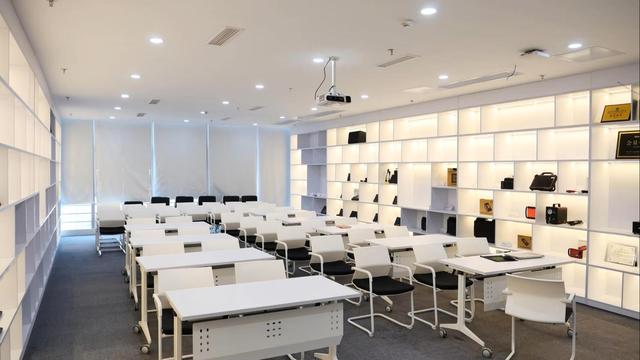
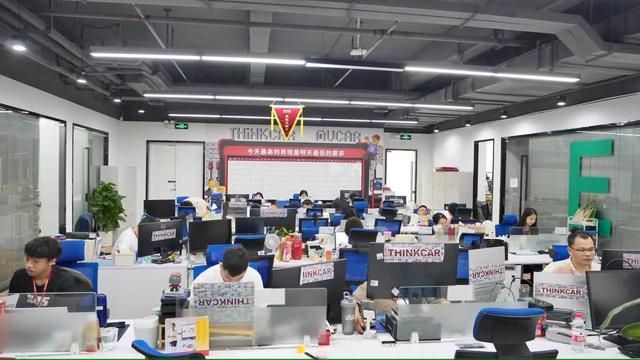
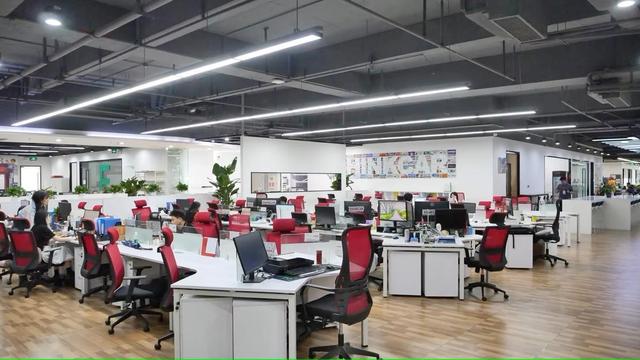
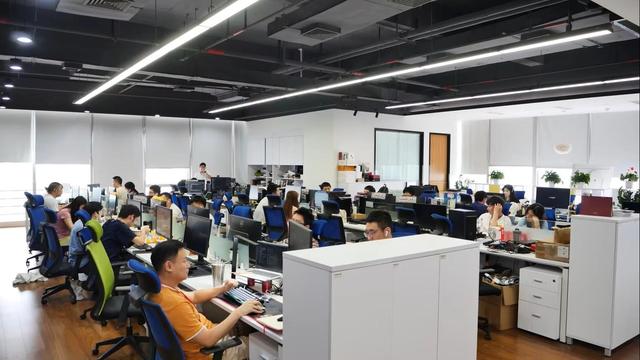
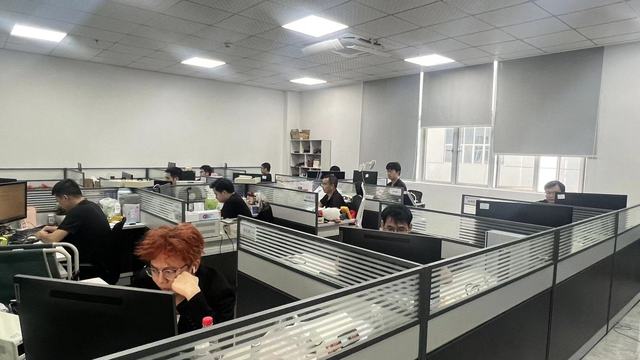
Shenzhen Kore Auto Co., Ltd. is a professional China automotive diagnostic tools manufacturer specializing in the development, production, and global supply of advanced vehicle diagnostic solutions for the automotive aftermarket industry. With extensive experience in automotive electronics and diagnostic technology, Kore Auto is committed to delivering intelligent, reliable, and high-performance diagnostic equipment to customers worldwide.
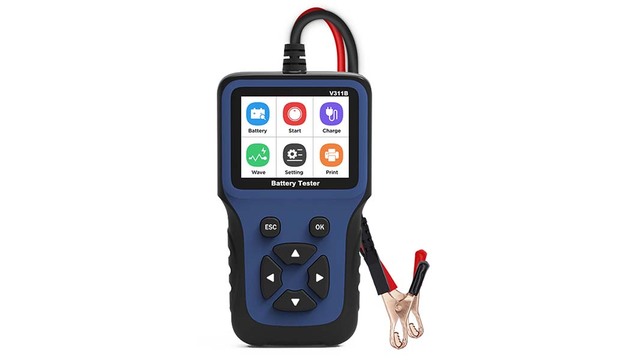
Our comprehensive product portfolio includes automotive diagnostic scanners, OBD diagnostic tools, ECU programming equipment, TPMS diagnostic systems, ADAS calibration equipment, battery testing devices, vehicle inspection systems, automotive oscilloscopes, remote diagnostic platforms, and customized diagnostic solutions. These products are widely used by automotive repair workshops, dealerships, fleet operators, vehicle inspection centers, and maintenance service providers.
Driven by innovation, Shenzhen Kore Auto continuously invests in research and development to keep pace with the rapidly evolving automotive industry, including electric and connected vehicles. Our experienced engineering team develops cutting-edge diagnostic technologies featuring comprehensive vehicle coverage, fast data processing, intelligent fault analysis, wireless connectivity, and user-friendly software interfaces.
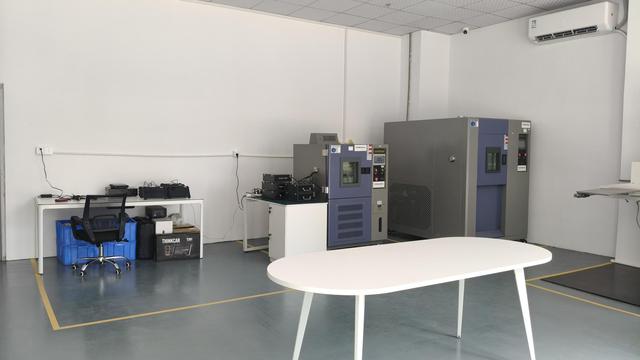
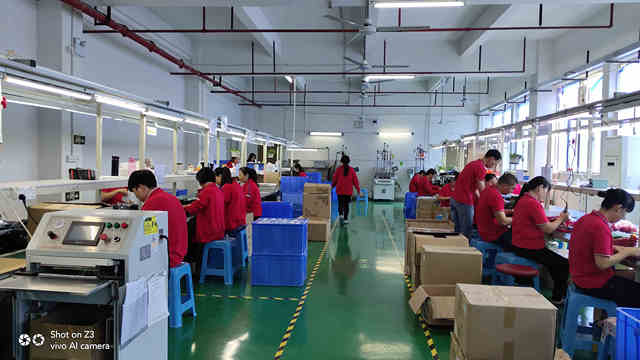
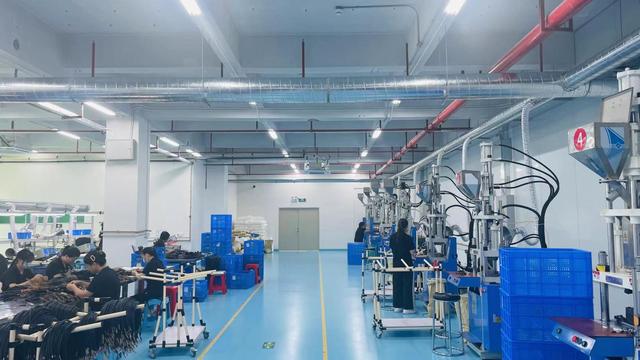
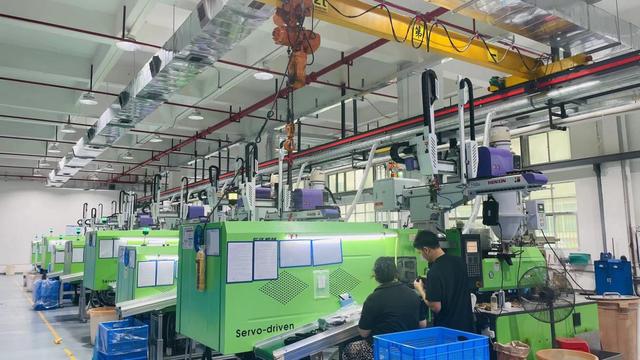
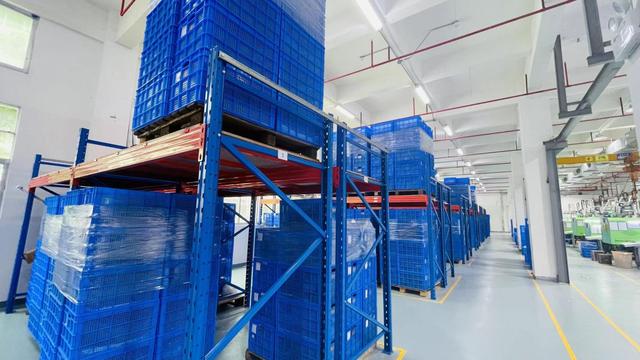
Quality and reliability are fundamental to our success. Every product is manufactured under strict quality control standards and undergoes rigorous testing procedures to ensure stable performance, accuracy, and durability in demanding workshop environments. We also provide flexible OEM and ODM services, helping customers develop customized automotive diagnostic products tailored to specific market requirements.
Serving customers throughout Europe, North America, South America, Asia, the Middle East, and Africa, Shenzhen Kore Auto Co., Ltd. has established long-term partnerships with distributors, automotive service providers, and industry professionals worldwide.
Why manufacturing in Shenzhen delivers rapid product iterations and reliable cost advantages.
Working with a China-based factory like Shenzhen Kore Auto Co., Ltd. provides distinct advantages in production speed, component sourcing, and cost efficiency. Shenzhen's electronics ecosystem enables fast access to microcontrollers, transceivers (such as NXP and TI), and multi-layer PCBs, reducing typical R&D cycles from months to weeks. This rapid sourcing allows engineering teams to build prototypes, complete verification tests, and release final products much faster than regional competitors.
In addition, scale economies enable advanced quality control practices at every stage of production. From automatic optical inspection (AOI) to high-low temperature thermal cycling and electromagnetic compatibility (EMC) testing, each diagnostic unit undergoes rigorous verification to perform reliably in harsh workshop conditions. Partnering with a domestic supplier also opens access to tailored OEM/ODM options, allowing businesses to customize software interfaces, modify housing designs, or add specialized industrial protocols to fit their local markets.
Real-world implementations of diagnostic tools in modern energy systems, heavy industry, and electric vehicles.
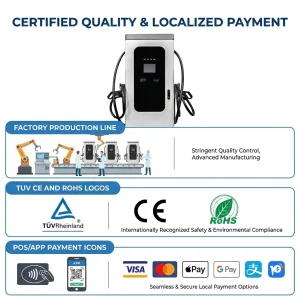
Integrating and deploying high-speed 120kW DC charging stations requires real-time diagnostic checks. Technicians use bus analyzers to monitor the CAN communication loop between the charger control unit and the Electric Vehicle Communication Controller (EVCC), helping identify handshake faults, voltage target mismatches, or system response delays.
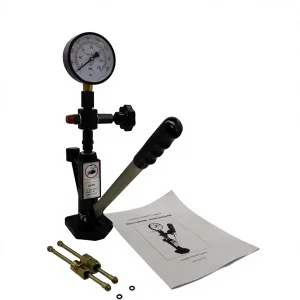
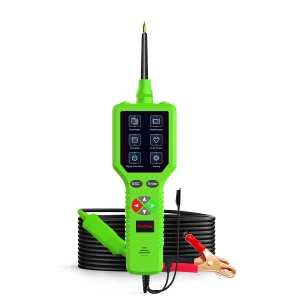
Using tools like the S60H Engine Analyzer alongside professional OBD scanners enables diagnostic teams to analyze and calibrate diesel fuel injectors. Technicians can read fuel rail pressures, injector activation times, and cylinder performance to quickly isolate mechanical wear or sensor drift.
During the manufacturing of lithium battery packs, testers run charge-discharge cycles to evaluate capacity. Dedicated CAN analyzers monitor cell voltages and temperature readings from the Battery Management System (BMS), ensuring the pack responds correctly to safety cut-offs and balancing commands.
Preparing for next-generation network standards and advanced remote diagnostics.
As vehicle architectures become more complex, communication networks are shifting toward higher speeds and larger payloads. While CAN FD is now standard in new vehicles, the industry is moving toward CAN XL and Automotive Ethernet (100BASE-T1 / 1000BASE-T1). CAN XL bridges the gap between CAN FD and high-speed Ethernet, supporting data lengths up to 2048 bytes per frame while maintaining backward compatibility. Diagnostic tools must adapt, incorporating hardware platforms that process these multi-protocol environments simultaneously.
Another major trend is the integration of wireless cloud diagnostics. Instead of tethering a scanner via physical USB or OBD cables, workshops use Bluetooth 5.0 and Wi-Fi-enabled interfaces. These tools stream raw CAN data directly to secure cloud systems, allowing off-site master technicians to run advanced diagnostic passes. This connected ecosystem helps repair centers resolve complex faults faster by using remote expertise and live database decodes.
Key technical criteria for global sourcing agents and procurement managers.
When selecting a supplier for diagnostic interfaces or CAN analyzers, procurement managers should evaluate several technical criteria to ensure long-term compatibility and product reliability:
Expert answers on CAN bus operations, frame decoding, and interface setup.
CAN 2.0 is limited to an 8-byte payload and a maximum data rate of 1 Mbps. CAN FD (Flexible Data-rate) supports payloads up to 64 bytes and dynamic data-phase speeds up to 5-8 Mbps, reducing network bus delays in modern electronics.
Galvanic isolation uses electrical barriers (such as optocouplers) to protect the analyzer and connected computer from high-voltage spikes, ground loops, or noise common on heavy-duty vehicles or EV battery lines.
A Database CAN (DBC) file defines how raw binary frame data translates into physical values, such as engine RPM or temperatures, allowing engineers to view real-world telemetry instead of hex codes.
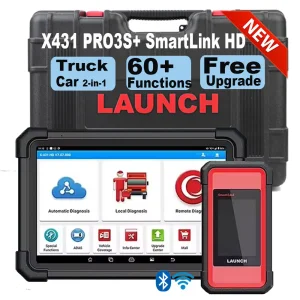
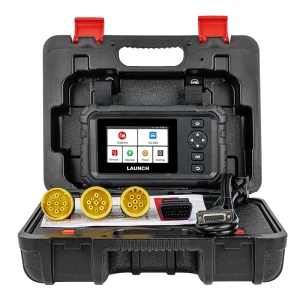
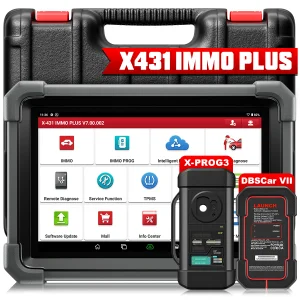
Yes. Many analyzers and diagnostic tools, including the Launch and CRP systems, fully support J1939 decoding, which is standard for heavy commercial trucks and off-highway machinery.
An "Error Passive" state occurs when a controller detects too many transmission or reception errors, forcing it to send passive error flags to avoid disrupting overall bus traffic.
Yes. Shenzhen Kore Auto Co., Ltd. provides OEM/ODM services, allowing customers to customize diagnostic tools, enclosure branding, API configurations, and protocol integrations.
Yes, a standard CAN network requires a 120-ohm termination resistor at each end of the main bus line to prevent signal reflections and ensure clean communications.
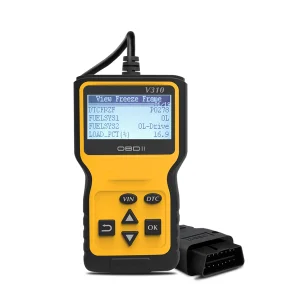
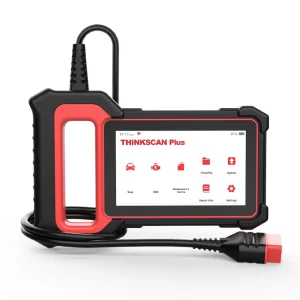
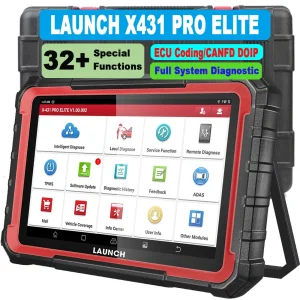
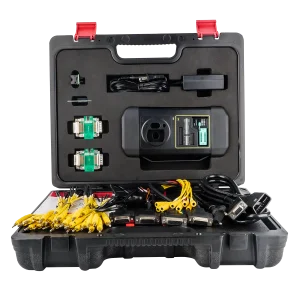
Professional diagnostic devices, ECU programmers, and battery testing systems for workshops.
 Kore Auto