Deploying industrial-grade automotive scanning systems, battery maintenance components, and comprehensive ECU programming interfaces.
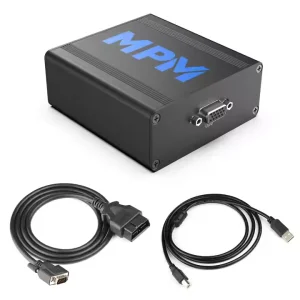
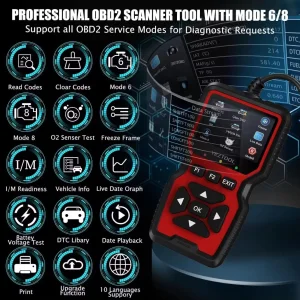
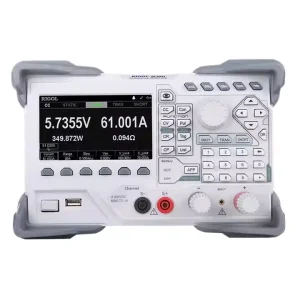
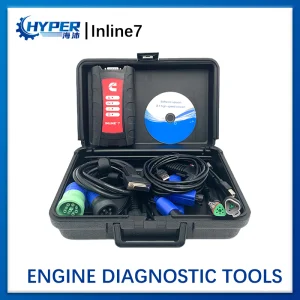
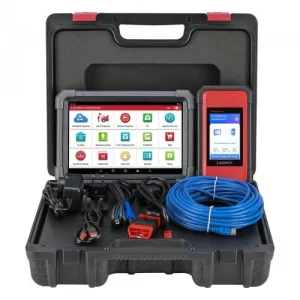
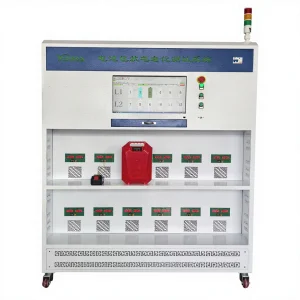
The commercial transportation, logistics, and construction industries are undergoing a massive technological shift. Modern diesel engines are no longer simple mechanical structures; they are controlled by complex electronic control units (ECUs) managing emissions, common rail fuel pressures, variable geometry turbochargers, and complex exhaust aftertreatment systems.
Regulatory bodies worldwide—such as the EPA in the United States, Euro VI standards in Europe, and China VI emissions standards—have enforced ultra-low threshold detection for heavy-duty commercial vehicles. Standard OBD (On-Board Diagnostics) systems are no longer sufficient. Operators require diesel diagnostic tools that can communicate deeply with SCR (Selective Catalytic Reduction) systems, DPF (Diesel Particulate Filter) units, and exhaust sensors. Advanced fault diagnosis is now critical for maintaining regulatory compliance and avoiding severe fines or operational downtime.
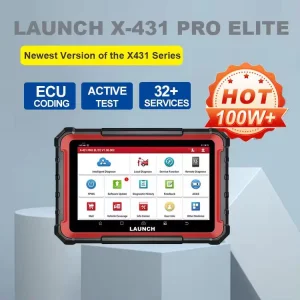
The modern fleet management paradigm is shifting from reactive troubleshooting to predictive maintenance. Integrated vehicle telematics units leverage wireless standard interfaces (Bluetooth, Wi-Fi, and 5G) to continuously stream critical ECU parameters to cloud services. Industrial suppliers in China are increasingly integrating Remote VCI (Vehicle Communication Interface) technology. Tools like the Smartlink C allow technicians located hundreds of miles away to execute advanced bidirectional actions and diagnostic programming via secured cloud connections.
Traditional diesel electronics used heavy-duty communication standards like SAE J1939 and J1708, which run at relatively low transmission speeds (250kbps to 500kbps). The adoption of modern driver-assist systems (ADAS) and hybrid drivetrains has caused data bandwidth requirements to surge. Industry 4.0 manufacturing focuses on advanced protocol architectures, such as CAN-FD (Flexible Data-Rate) and DoIP (Diagnostics over Internet Protocol), allowing flash programming and rapid data retrieval over 100Mbps Ethernet links.
As governments globally push for decarbonization, commercial medium-duty and heavy-duty vehicles are adopting hybrid energy systems and full EV battery platforms. The scope of a modern diesel diagnostic tool has grown to encompass battery bank balancing, DC-DC converter diagnostics, and motor controller troubleshooting. Factories must supply hybrid diagnostic setups that can verify cells under load and run discharge analysis down to micro-volt levels.
China’s dominance in the global automotive diagnostic tool supply chain is not merely a matter of lower labor costs. It is driven by complete industrial integration, strict quality control standards, and rapid prototyping capabilities.
Shenzhen and the Pearl River Delta act as the hub for global electronics manufacturing. A diagnostic tool factory has immediate access to PCB fabricators, high-speed Surface Mount Technology (SMT) assembly houses, plastic injection molders, and semiconductor packagers all within a 50-kilometer radius. This geographic clustering reduces prototype development timelines from months to days.
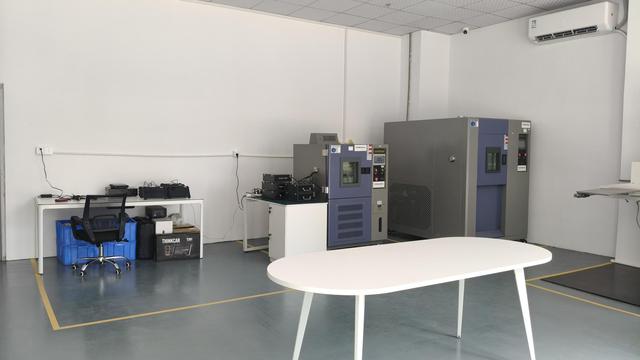
To meet the high reliability standards of automotive workshops, leading Chinese manufacturers deploy rigorous automated validation. Every diagnostic scanner or ECU programming interface undergoes automatic optical inspections (AOI), high-temperature aging chambers, drop tests, ESD (electrostatic discharge) safety reviews, and complete vehicle-in-the-loop simulation runs.
China’s manufacturers provide flexible manufacturing lines tailored for specific markets. From white-labeling diagnostic software interfaces to designing custom heavy-duty OBD rugged shells, factories can modify hardware layouts, add custom diagnostic protocols, and implement multi-lingual localization support to match specific distributor requirements.
Shenzhen Kore Auto Co., Ltd. is a professional China automotive diagnostic tools manufacturer specializing in the development, production, and global supply of advanced vehicle diagnostic solutions for the automotive aftermarket industry. With extensive experience in automotive electronics and diagnostic technology, Kore Auto is committed to delivering intelligent, reliable, and high-performance diagnostic equipment to customers worldwide.
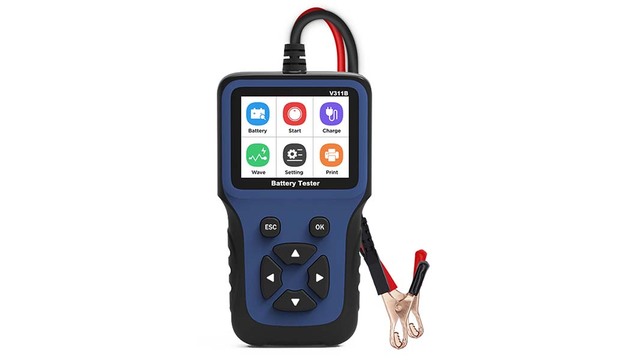
Our comprehensive product portfolio includes automotive diagnostic scanners, OBD diagnostic tools, ECU programming equipment, TPMS diagnostic systems, ADAS calibration equipment, battery testing devices, vehicle inspection systems, automotive oscilloscopes, remote diagnostic platforms, and customized diagnostic solutions. These products are widely used by automotive repair workshops, dealerships, fleet operators, vehicle inspection centers, and maintenance service providers.
Driven by innovation, Shenzhen Kore Auto continuously invests in research and development to keep pace with the rapidly evolving automotive industry, including electric and connected vehicles. Our experienced engineering team develops cutting-edge diagnostic technologies featuring comprehensive vehicle coverage, fast data processing, intelligent fault analysis, wireless connectivity, and user-friendly software interfaces.
Quality and reliability are fundamental to our success. Every product is manufactured under strict quality control standards and undergoes rigorous testing procedures to ensure stable performance, accuracy, and durability in demanding workshop environments. We also provide flexible OEM and ODM services, helping customers develop customized automotive diagnostic products tailored to specific market requirements.
Serving customers throughout Europe, North America, South America, Asia, the Middle East, and Africa, Shenzhen Kore Auto Co., Ltd. has established long-term partnerships with distributors, automotive service providers, and industry professionals worldwide.
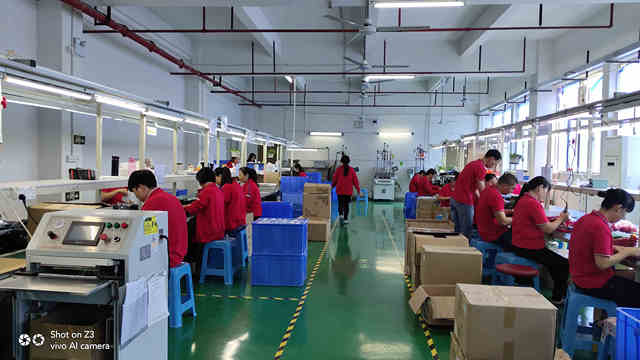
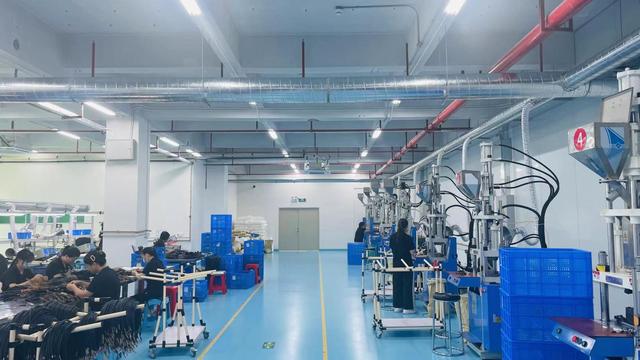
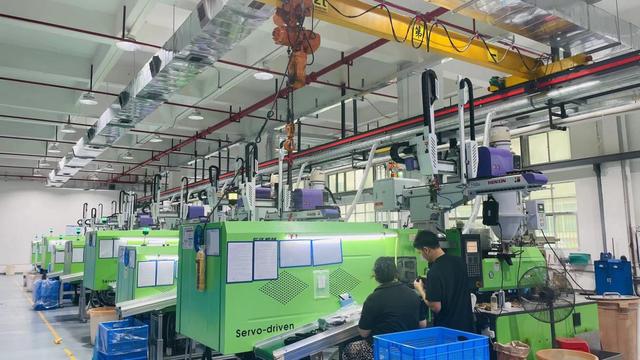
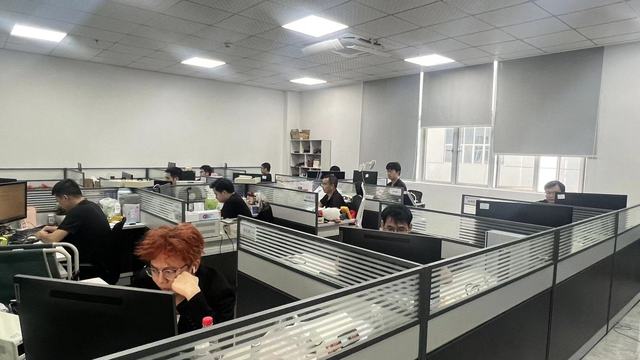
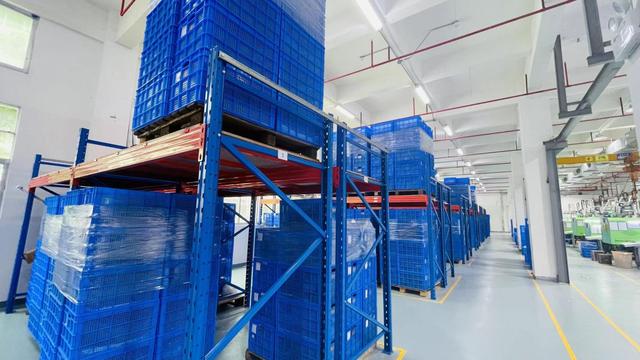
Authentic views from our precision SMT assembly floors, product engineering labs, and final assembly lines.

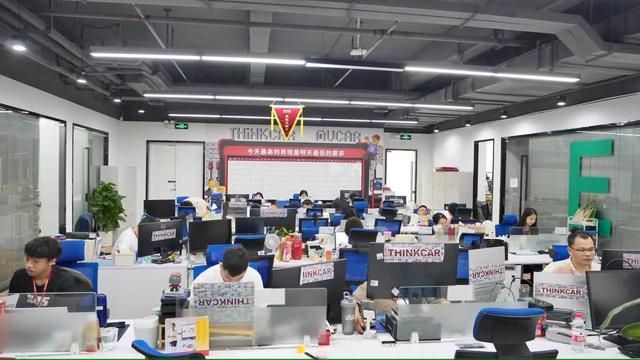


Heavy-duty diesel scanning equipment serves various functions across multiple fields. Understanding these specific application scenarios ensures operations select tools with appropriate software extensions and structural specifications.
For major transport fleets, vehicle downtime leads to direct losses in logistics revenue. Handheld and wireless diesel scanners allow depot technicians to run fast diagnostic checks when a truck returns to base.
Excavators, combine harvesters, and diesel generators operate in harsh environments. Diagnostic tools used in these sectors require ruggedized, impact-resistant enclosures and specialized non-standard connector configurations.
Commercial vessels and industrial power backups rely on massive diesel drivetrains. Specialized diagnostic equipment helps marine engineers communicate with complex industrial engines directly inside propulsion bays.
For enterprise purchasing departments, understanding the firmware protocols supported by diagnostic platforms is essential. Below is a comparative overview of current global diagnostic standards.
| Protocol Standard | Typical Application Sector | Physical Interface / Medium | Data Rate Capacity | Key Operational Use Case |
|---|---|---|---|---|
| SAE J1939 | Heavy-Duty Trucking, Buses, Agricultural | CAN Bus (High Speed) | 250 kbps - 500 kbps | Read engine RPM, coolant temperature, clean active DTCs |
| Diagnostics over IP (DoIP) | Next-Gen Passenger Cars & Heavy-Duty EVs | Ethernet (TCP/IP) | 100 Mbps | Fast firmware flashing, complete ECU re-programming |
| SAE J2534 Pass-Thru | All Automotive / Standard Dealership Tooling | USB / Bluetooth to VCI | Varies based on interface | Reflash manufacturer-specific calibration data |
| CAN-FD | Modern Commercial Light-to-Medium Duty | CAN-FD Controller | Up to 5 Mbps | Manage ADAS calibrations, sensor data fusion streams |
| ISO 14229 (UDS) | Global Automotive OEM Systems | CAN, K-Line, Ethernet | Variable | Unified system diagnostics, actuator tests, configuration |
Note: Modern multi-functional diagnostic tablets support combinations of these protocols to provide universal coverage for mixed fleet managers who operate both older heavy-duty trucks and new hybrid delivery vehicles.
Answering complex technical questions to assist fleet procurement managers and distribution channels in selecting the correct equipment.
Standard automotive scanners primarily target passenger cars running OBD-II protocols over standard 12V architectures. Heavy-duty diesel diagnostic systems are designed for 24V vehicle electronics. They support dedicated commercial vehicle protocols, such as SAE J1939 and J1708, and feature specialized connectors (e.g., Deutsch 6-pin and 9-pin adapters) to interface with heavy truck systems.
Leading manufacturers like Shenzhen Kore Auto invest in dedicated engineering teams who continuously reverse-engineer, test, and update protocol databases. By partnering with international workshops and obtaining OEM license structures, they build extensive look-up databases containing thousands of DTCs and vehicle profiles for global brands such as Cummins, Scania, Volvo, and Isuzu.
Our OEM/ODM capabilities are highly flexible. Distributors can choose to customize outer rubber casing designs, integrate their brand logo into the startup boot animation, custom-build specific wiring harness adapters, or program customized software suites containing only the diagnostics required for their target market.
The Diesel Particulate Filter (DPF) collects soot from diesel combustion. When it becomes full, the engine enters a degraded power mode to protect components. A diagnostic tool with bidirectional DPF regeneration commands allows technicians to run a forced burn-off sequence, clearing the filter and restoring engine performance without removing the physical unit.
Yes. Every diagnostic product comes with a standard manufacturer warranty and access to our technical support team. We provide regular software updates to maintain coverage for new vehicle models and protocols, along with diagnostic training materials for distributors.
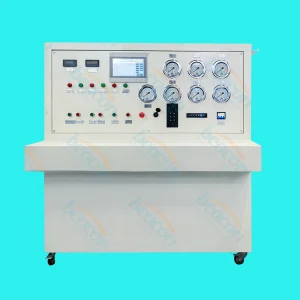
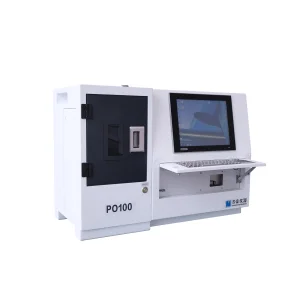
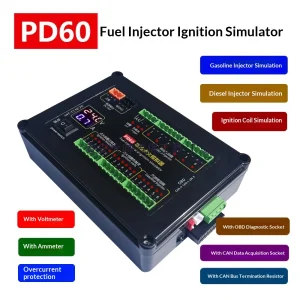
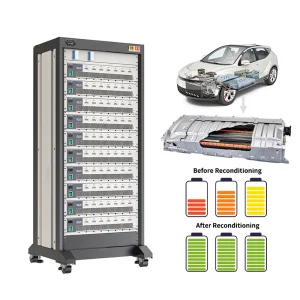
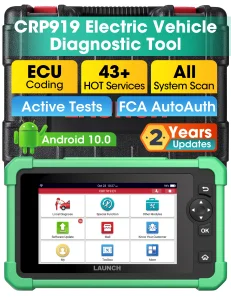
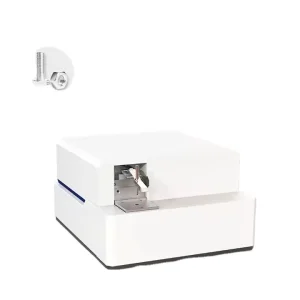
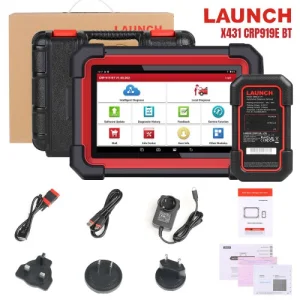
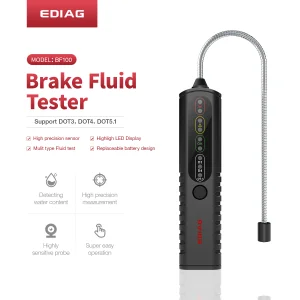
Explore specialized testing benches, new energy EV battery balance analyzers, oil spectrometers, and diagnostic systems.
 Kore Auto