High-performance mechanical calibration instruments and intelligent diagnostic tools for complex automotive suspension systems.
Exploring the macroeconomic dynamics, safety regulations, and manufacturing changes governing automotive damping performance verification.
The global automotive suspension system market is experiencing an unprecedented evolution. Driven by safety standards, vehicle dynamics enhancement, and the rapid shift towards electric vehicles (EVs), the requirement for precise, high-durability shock absorber testers has reached a critical bottleneck. Shock absorbers, or dampers, are directly responsible for vehicle stability, braking efficiency, tire-road contact, and passenger comfort. Consequently, their testing parameters are governed by strict international guidelines (such as UNECE, SAE, and Chinese GB standards) to prevent catastrophic mechanical failure.
Historically, damper testing was localized to manual end-of-stroke resistance measurements. In today's digital manufacturing ecosystem, it demands dynamic, high-frequency, multi-axial test benches. The industrial landscape has shifted toward high-accuracy systems capable of simulating complex road profile inputs. As vehicle components must last longer under varied environmental conditions, automotive test equipment manufacturers have expanded testing mechanisms to analyze damping force curves, temperature dependency, gas leakage, and noise-vibration-harshness (NVH) features.
"The dynamic loads experienced by electric vehicles due to heavy battery packs demand suspension systems that operate under high load parameters. This has elevated shock absorber validation from standard safety procedures to an essential R&D requirement."
Globally, Chinese manufacturers have established a dominant position in the production of test benches and diagnostic machinery. Offering an optimal balance of advanced technology, rapid system customization (OEM/ODM), and robust supply chain integration, suppliers like Shenzhen Kore Auto Co., Ltd. bridge the gap between heavy industrial laboratory equipment and workshop diagnostics.
The technological convergence of mechanical simulation, automation, artificial intelligence, and remote diagnostics.
The progression from simple mechanical crank-driven testers to high-speed electro-hydraulic and direct-drive electromagnetic linear actuators. This transition allows testing engineers to run highly realistic random road profiles, reproducing high-frequency vibrations up to 100 Hz to evaluate structural responses and damping limits.
Leveraging deep learning algorithms to match measured PV (Pressure-Velocity) loop diagrams against predefined master envelopes. System software automatically detects internal valve leaks, fluid aeration, micro-cracks, and seal degradation without necessitating complete mechanical disassembly of the shock absorber unit.
Integrating telemetry architectures to stream real-time calibration and test metrics to secure cloud servers. Diagnostic engineers can benchmark local performance data against multi-terminal historical parameters, enabling predictive maintenance schedules and instantaneous compliance certification across multiple repair yards.
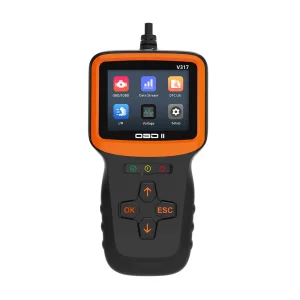
As electric vehicles feature variable damping (semi-active/active suspension systems controlled by ECUs), modern test benches interface directly with OBD2 platforms. Technicians run synchronized diagnostics to assess physical damper decay alongside electronic solenoid functionality and sensor feedback parameters.
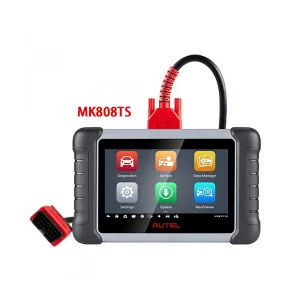
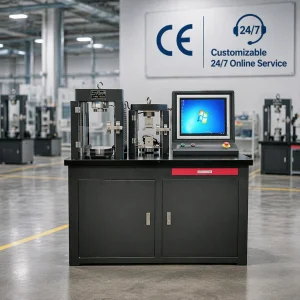
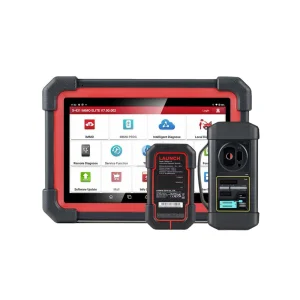
Looking toward the 2030 horizon, the market demands complete structural integration. The convergence of hardware testers (such as the 300KN Compression and Bending Resistance Automatic Transmission) and automotive diagnostic systems (like the Launch X431 or Autel MaxiCOM) will allow service centers to manage vehicle diagnostics, ADAS alignments, and mechanical suspension tests within a unified, digital ecosystem.
How distinct commercial entities deploy specialized shock absorber testers to enforce reliability standards.
During vehicle assembly, end-of-line (EOL) testing is vital. High-speed, heavy-capacity shock absorber testers verify that every installed strut aligns with the strict force-velocity curves specified by vehicle designers. Automated reports are linked to the vehicle's VIN (Vehicle Identification Number) for traceability and future warranty reference.
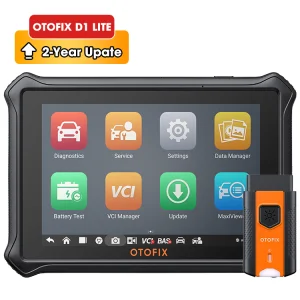
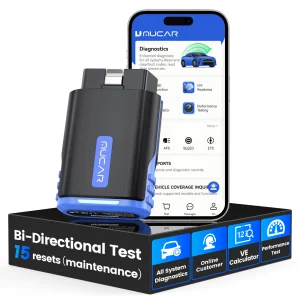
Multi-brand maintenance workshops deploy compact, drive-over suspension test platforms. These testers analyze individual axle load shifts, dynamic spring rates, and damping damping factors within seconds. Linking these testers to tools like the OTOFIX D1 LITE or MUCAR DriverScan allows workshops to present vehicle owners with comprehensive mechanical and electronic diagnostic reports.
In construction and agricultural sectors, heavy vehicles operate on irregular, rough terrain. Testing systems like the Diagnostic Tool for Yanmar Excavator help diagnose electronic systems, while physical compression benches evaluate the load-bearing integrity of cabin mounts and hydraulic stroke systems, minimizing operational downtime.
Macro Solution Integration Case: A commercial logistics company operates a fleet of heavy-duty trailer units. By combining structural compression test benches (with IP55 rating and ±0.5% accuracy) with onboard diesel adapters (such as the INLINE7 Data Link Adapter), fleet managers reduce catastrophic suspension failures on highways by 42%, extending tire life cycles by keeping optimal vertical load distribution.
China's premier developer and exporter of automotive diagnostic, inspection, and calibration systems.
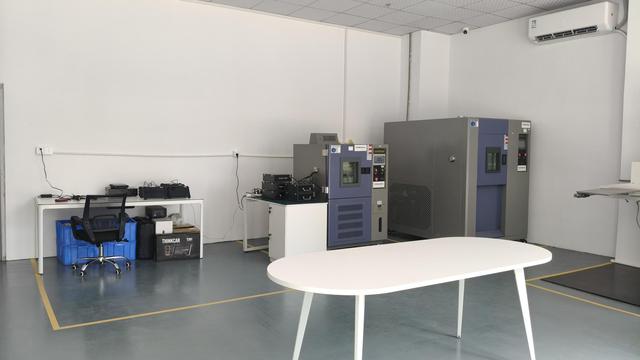
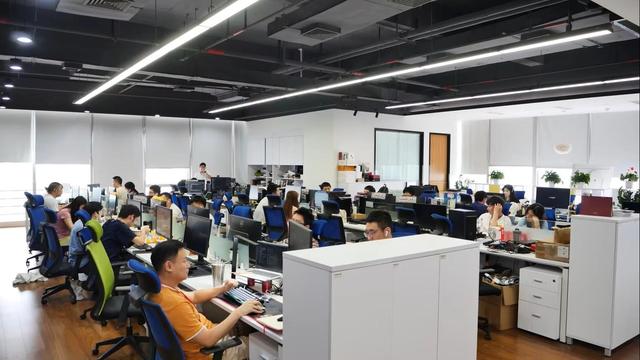
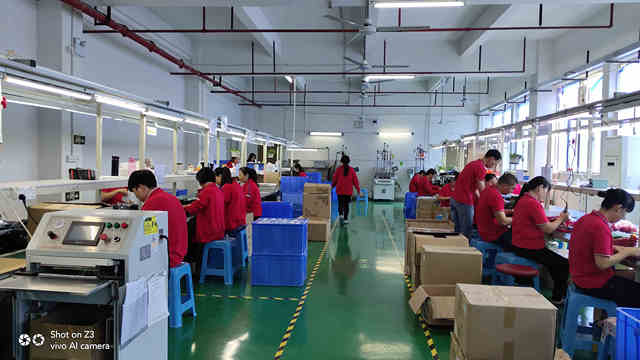
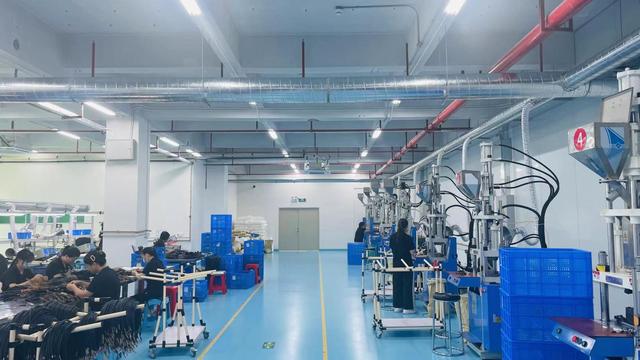
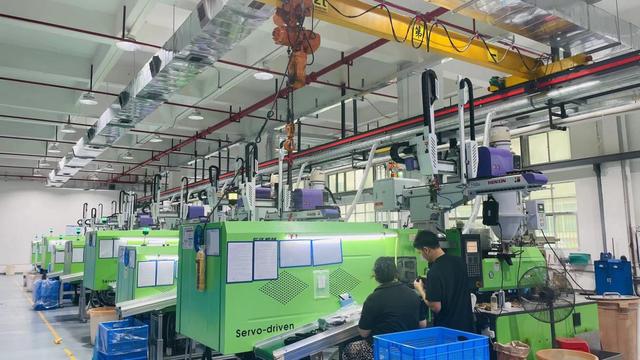
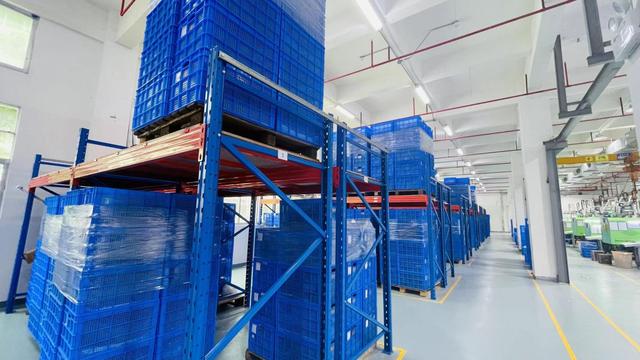
Shenzhen Kore Auto Co., Ltd. is a professional China automotive diagnostic tools manufacturer specializing in the development, production, and global supply of advanced vehicle diagnostic solutions for the automotive aftermarket industry. With extensive experience in automotive electronics and diagnostic technology, Kore Auto is committed to delivering intelligent, reliable, and high-performance diagnostic equipment to customers worldwide.
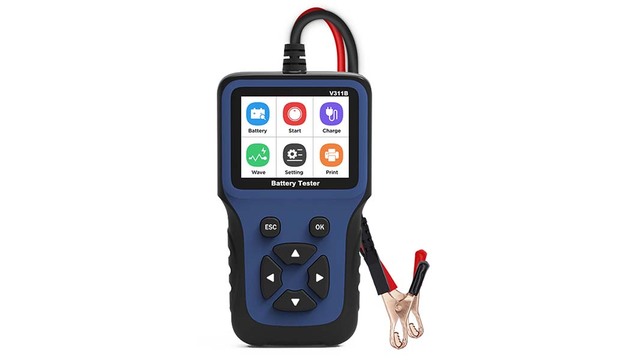
Our comprehensive product portfolio includes automotive diagnostic scanners, OBD diagnostic tools, ECU programming equipment, TPMS diagnostic systems, ADAS calibration equipment, battery testing devices, vehicle inspection systems, automotive oscilloscopes, remote diagnostic platforms, and customized diagnostic solutions. These products are widely used by automotive repair workshops, dealerships, fleet operators, vehicle inspection centers, and maintenance service providers.
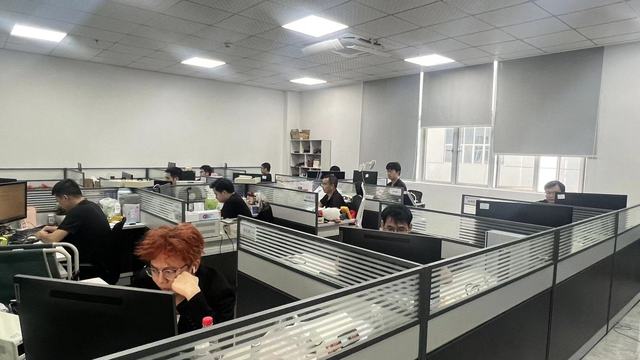
Driven by innovation, Shenzhen Kore Auto continuously invests in research and development to keep pace with the rapidly evolving automotive industry, including electric and connected vehicles. Our experienced engineering team develops cutting-edge diagnostic technologies featuring comprehensive vehicle coverage, fast data processing, intelligent fault analysis, wireless connectivity, and user-friendly software interfaces.
Quality and reliability are fundamental to our success. Every product is manufactured under strict quality control standards and undergoes rigorous testing procedures to ensure stable performance, accuracy, and durability in demanding workshop environments. We also provide flexible OEM and ODM services, helping customers develop customized automotive diagnostic products tailored to specific market requirements.
Serving customers throughout Europe, North America, South America, Asia, the Middle East, and Africa, Shenzhen Kore Auto Co., Ltd. has established long-term partnerships with distributors, automotive service providers, and industry professionals worldwide.



Addressing essential queries concerning shock absorber performance, testing apparatus selection, and integration capabilities.
Static suspension tests evaluate load-bearing metrics and geometric height variables under stationary vehicle loads. In contrast, a dynamic shock absorber test applies active mechanical stroke force at variable frequencies (typically 0.5 to 50 Hz or higher) to simulate road surface profiles. Dynamic testing maps the complete force-displacement and force-velocity curves of the internal piston, providing insights into structural wear and system damping efficiency.
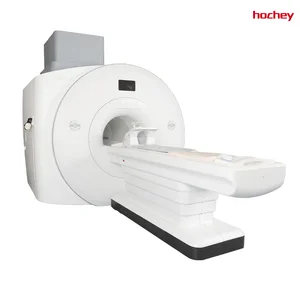
Our 300KN Compression and Bending Resistance automatic transmission systems feature an accuracy level of ±0.5% and IP55 dust/moisture protection, ideal for harsh production and lab settings. It is utilized to assess the structural boundaries of suspension mounts, shock absorber casings, and heavy-duty spring platforms under maximum load parameters, preventing deformational failures during vehicle operation.
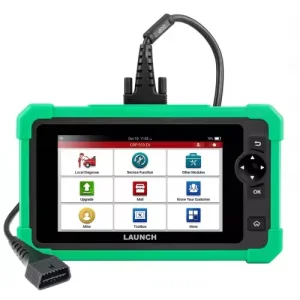
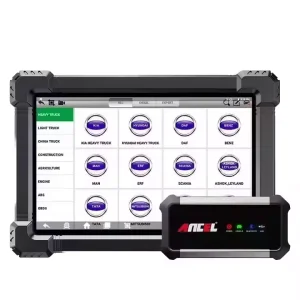
Modern electronic suspension systems (like Continuous Damping Control or Magnetic Ride Control) are managed by the vehicle's ECU. Advanced diagnostic platforms like the Launch X431, Autel MaxiCOM, and OTOFIX tools interface directly with these controller modules. They scan for sensor calibration errors, diagnostic trouble codes (DTCs), solenoid anomalies, and calibration metrics, which helps complete the mechanical diagnoses provided by dynamic shock absorber testers.
Industrial testing facilities, repair centers, and EOL factory environments generate significant ambient dust, metal particles, and moisture. An IP55 rating guarantees that the internal electrical systems, high-precision hydraulic control valves, and data acquisition units are protected against micro-particle contamination and splashing water, securing long-term calibration consistency and device durability.
Yes, we provide flexible OEM and ODM services. We assist clients globally in designing customized diagnostic systems, firmware architectures, hardware casings, and user-friendly software interfaces tailored specifically to their regional vehicle configurations and industrial safety benchmarks.
High-performance mechanical calibration instruments and intelligent diagnostic tools for complex automotive suspension systems.
 Kore Auto