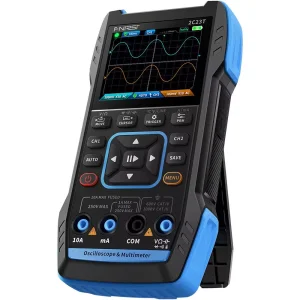
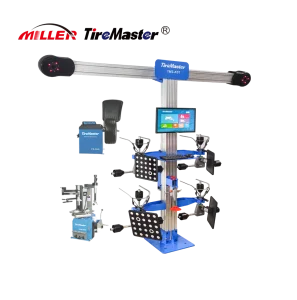
Explore our elite selection of automotive diagnostic platforms, emission systems, safety inspection tools, and tire pressure management systems.
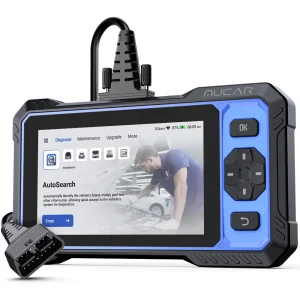
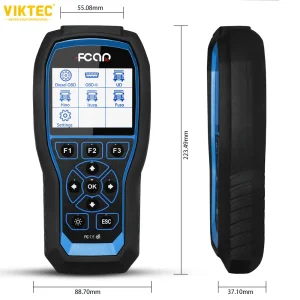
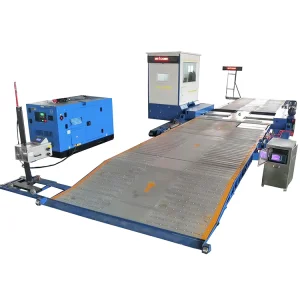
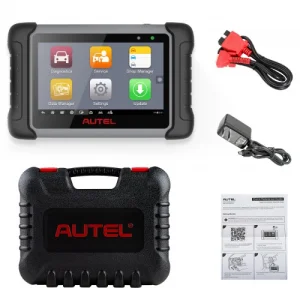
Strategic insights into the engineering, security, and market dynamics of SRS diagnostics in modern automotive ecosystems.
The Supplemental Restraint System (SRS) diagnostics market is shifting from static OBD-II trouble-code reading to dynamic, real-time, sensor-fusion analysis. As vehicles progress toward Level 3 and Level 4 autonomous driving, airbag systems are becoming more complex. They now include intelligent multi-stage deployments, adaptive pressure chambers, side curtain arrays, and pedestrian safety active hoods. Consequently, the tools used to inspect these safety features must evolve as well.
Modern airbag diagnostic systems are no longer standalone readers. Instead, they are deeply integrated into the car’s central gateway, communicating via high-speed communication standards like CAN FD and DoIP (Diagnostics over Internet Protocol). The primary focus of modern diagnostics is resolving configuration mismatches, updating ECU firmware, and performing real-time calibration of Occupant Classification Systems (OCS). This ensures the vehicle can distinguish between an empty seat, a child seat, and an adult occupant to prevent accidental deployments.
International procurement managers look for several key attributes when sourcing diagnostic equipment: reliable hardware, scalable software architectures, and multi-protocol compatibility. High-volume buyers—such as commercial fleets, workshop franchises, and regional automotive tool distributors—prefer suppliers that offer comprehensive software subscriptions, OEM-level bi-directional controls, and rugged industrial hardware.
As supply chain requirements tighten, B2B buyers increasingly need partners that offer modular product customization (OEM/ODM). Purchasing agents require tools that can read and clear occupant-detection sensors, diagnose pretensioner resistance, and clear crash data (hard codes) from SRS modules following collision repairs. Finding a single manufacturer capable of delivering these advanced functions alongside standard OBD-II features is a major advantage for global sourcing departments.
A modern repair workshop needs more than basic code readers to handle modern complex vehicles. Today's workshops require complete diagnostic ecosystems. A comprehensive solution connects the initial vehicle inspection to tire pressure monitoring (TPMS), emission testing, battery analysis, and ADAS calibration. When a vehicle undergoes collision repair, the technicians must verify the entire safety network: the lane departure warning cameras, the radar systems, the airbag sensors, and the seatbelt pre-tensioners.
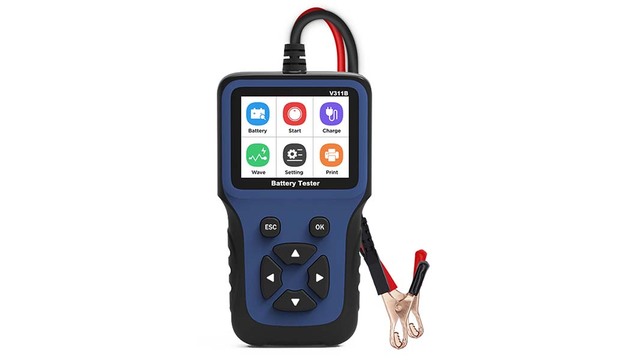
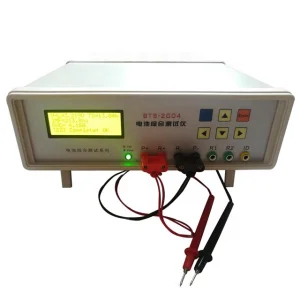
Developing a connected workflow that integrates automotive oscilloscopes, OBD-II scanners, smart multimeters, and battery testers allows workshops to improve efficiency and minimize diagnostic errors. Modern vehicle networks rely on clean, stable power during diagnostic operations; therefore, using advanced battery checkers and stable programming power supplies is critical. This systematic approach ensures that restoring an airbag ECU after a crash does not compromise other linked safety systems.
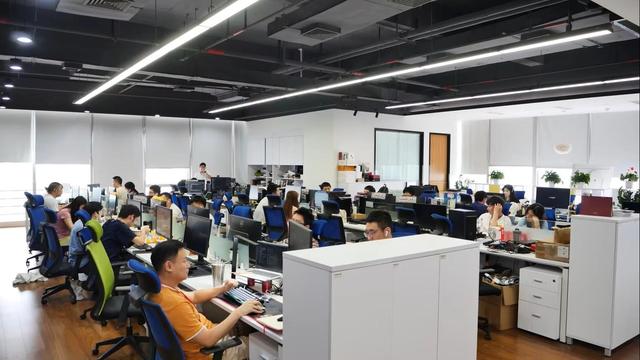
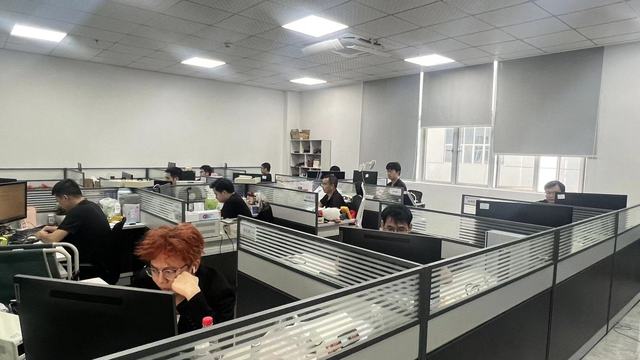
Shenzhen Kore Auto Co., Ltd. is a professional China automotive diagnostic tools manufacturer specializing in the development, production, and global supply of advanced vehicle diagnostic solutions for the automotive aftermarket industry. With extensive experience in automotive electronics and diagnostic technology, Kore Auto is committed to delivering intelligent, reliable, and high-performance diagnostic equipment to customers worldwide.
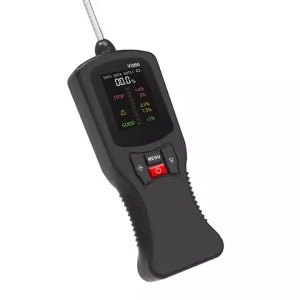
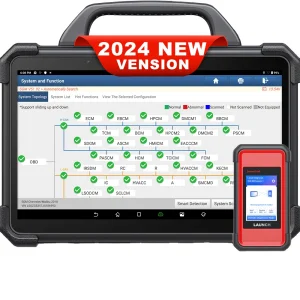
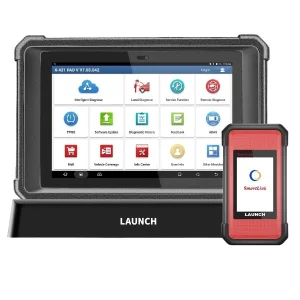
Our comprehensive product portfolio includes automotive diagnostic scanners, OBD diagnostic tools, ECU programming equipment, TPMS diagnostic systems, ADAS calibration equipment, battery testing devices, vehicle inspection systems, automotive oscilloscopes, remote diagnostic platforms, and customized diagnostic solutions. These products are widely used by automotive repair workshops, dealerships, fleet operators, vehicle inspection centers, and maintenance service providers.
Driven by innovation, Shenzhen Kore Auto continuously invests in research and development to keep pace with the rapidly evolving automotive industry, including electric and connected vehicles. Our experienced engineering team develops cutting-edge diagnostic technologies featuring comprehensive vehicle coverage, fast data processing, intelligent fault analysis, wireless connectivity, and user-friendly software interfaces.
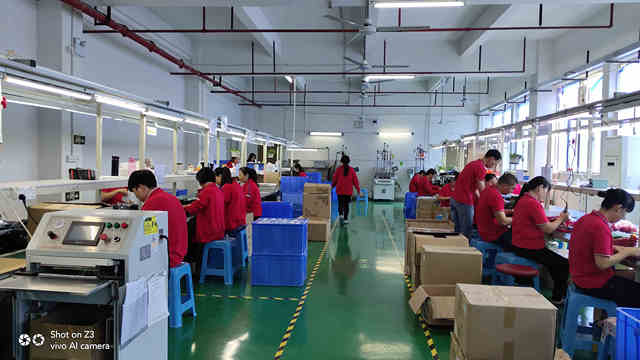
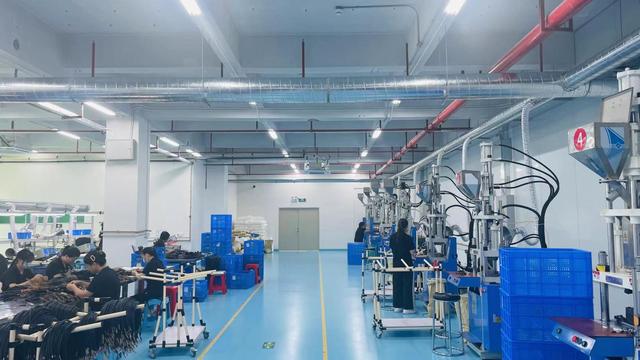
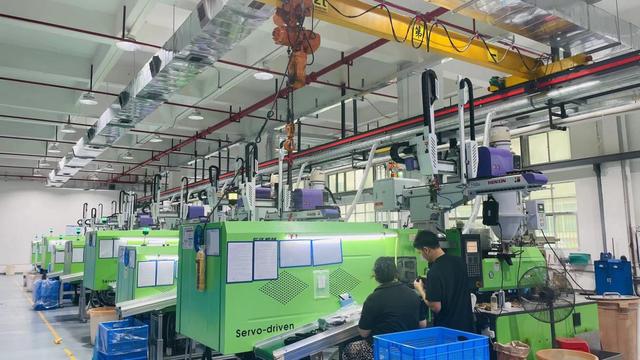
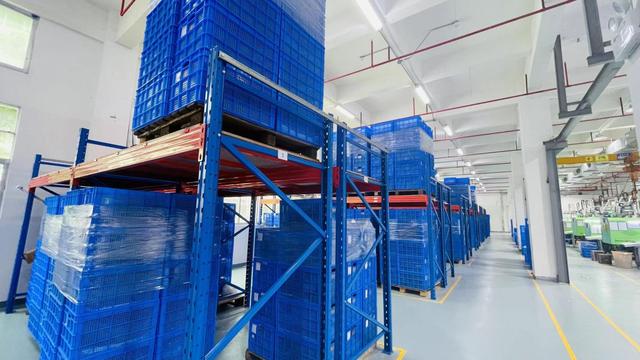
Quality and reliability are fundamental to our success. Every product is manufactured under strict quality control standards and undergoes rigorous testing procedures to ensure stable performance, accuracy, and durability in demanding workshop environments. We also provide flexible OEM and ODM services, helping customers develop customized automotive diagnostic products tailored to specific market requirements.
Serving customers throughout Europe, North America, South America, Asia, the Middle East, and Africa, Shenzhen Kore Auto Co., Ltd. has established long-term partnerships with distributors, automotive service providers, and industry professionals worldwide.
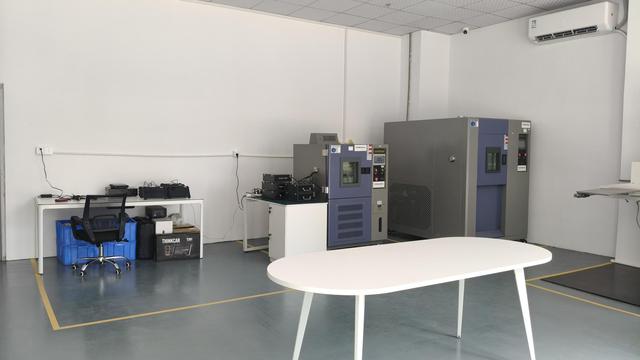

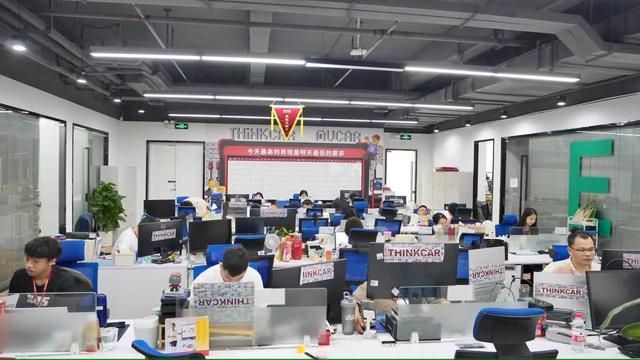

Compliance is a critical requirement in the automotive safety sector. Airbag diagnostic systems must conform to international automotive guidelines, including the European CE mark, FCC Part 15 regulations, and RoHS environmental requirements. The diagnostic software must align with SAE J1979 and ISO 14229 (UDS) standards to ensure stable communication across diverse vehicle architectures.
Furthermore, localizing user interfaces is essential for successful global deployments. Language translation goes beyond simple vocabulary swaps; it requires translating complex technical fault codes, diagnostic repair steps, and component locations into regional automotive terminology. By offering multi-language systems along with localized customer support, manufacturers help independent workshops perform safety-critical SRS calibrations quickly and accurately.
The future of safety diagnostics lies in remote services, predictive data models, and specialized support for electric vehicle platforms. Kore Auto is currently building a diagnostic framework designed to meet these future requirements.
Integrating high-speed protocols into all basic diagnostics, enabling workshops to read large datasets and multi-megabyte flash updates in seconds.
Deploying cloud-based diagnostic engines that compare active error codes against millions of repair logs to suggest the most likely root cause.
Developing specialized modules to manage high-voltage pyro-fuses (active safety switches that disconnect the EV battery pack instantly during a collision).
Discover specialized tools for bi-directional scanning, remote ECU coding, battery pack testing, and ADAS alignment.
 Kore Auto