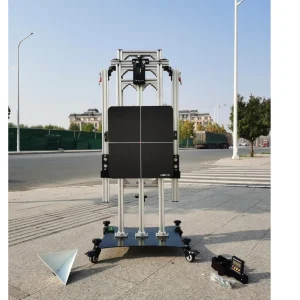
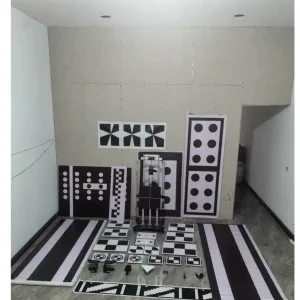
Pre-configured diagnostic kits engineered to satisfy stringent OEM calibration procedures across domestic and import platforms throughout Wayne and Oakland counties.
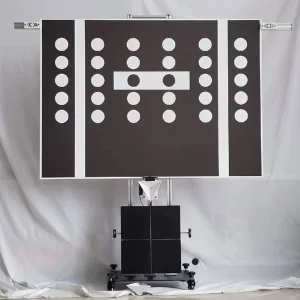
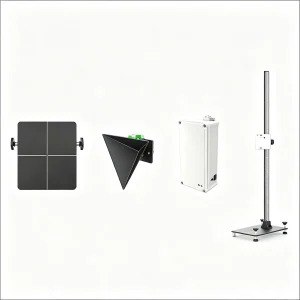
Detroit, Michigan, holds a historic legacy as the heart of global automotive production. Today, this industrial center is undergoing a profound structural evolution. With the emergence of CASE (Connected, Autonomous, Shared, and Electric) vehicles, traditional powertrain design has expanded to encompass advanced sensing and sensor fusion systems. Advanced Driver Assistance Systems (ADAS) incorporating LiDAR, radar, cameras, and ultrasonic networks are now standard configurations in passenger vehicles, commercial heavy trucks, and public transit fleets. As a result, the demand for high-precision, calibration targets and laser-aligned calibration systems has grown exponentially across the Detroit metropolitan area.
Whether in collision center networks in Troy, automotive design facilities in Dearborn, or fleet maintenance depots in Warren, professional repair technicians require absolute confidence when recalibrating forward-facing safety cameras, blind-spot monitoring systems, and adaptive cruise control units. This trend is driven not only by rapid technological updates but also by insurance frameworks, OEM diagnostic mandates, and passenger vehicle safety standards.
Sub-millimeter calibration offsets to preserve crucial lane-keep assist alignment and vehicle safety.
Fully compliant with ECE/UN safety frameworks, IIHS guidelines, and OEM diagnostic protocols.
Rugged, drop-tested structural steel frames designed for busy, fast-paced vehicle repair facilities.
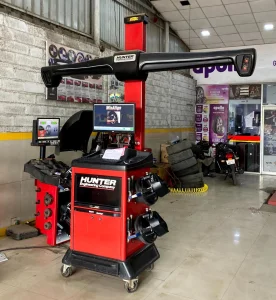
Integrative solutions linking 3D wheel alignment, chassis geometry scanning, and radar array reflector targets for precise diagnostic output.
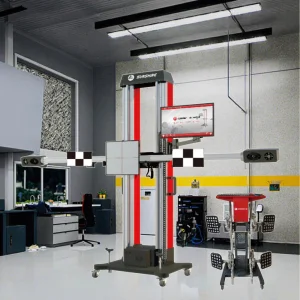
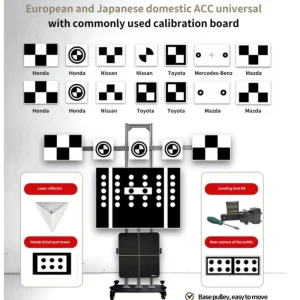
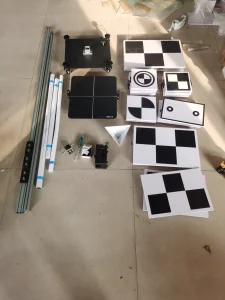
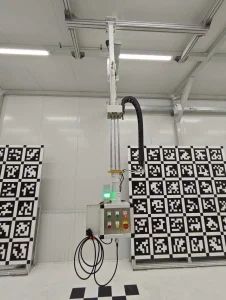
Understanding the distinction between static and dynamic calibration is crucial for high-quality collision repair, fleet management, and liability control. Different OEMs demand specific calibration environments. Static calibration requires physical target patterns, corner reflectors, and laser alignment tools, which must be set up within precise distance, height, and angle parameters in a controlled environment. Dynamic calibration requires driving the vehicle under specific conditions on public highways while connected to a diagnostic scanner.
At our factory, we design and produce equipment to satisfy both requirements. Our ADAS toolkits offer flexible frame adaptations for workshop spaces, ensuring that whether you are performing a static alignment on a level floor or prepping a vehicle for road-based dynamic initialization, our systems provide the necessary vehicle interface and precise targets.
Key challenges in the field include floor slope tolerances, target lighting consistency, and background interference. In Detroit workshops, where winter salt and fluctuating temperatures can impact shop equipment, the robust steel constructions and rust-inhibited coatings of our alignment fixtures guarantee longevity and accuracy.
Ensures correct centering relative to the rear thrust angle rather than simple mechanical tracking.
Covers European, Asian, and American brands with regular OTA software target updates.
Highly resistant to vibrations and deflection, preserving calibration integrity during operations.
Enables workshops to expand target systems incrementally, reducing initial capital investment costs.
As modern passenger vehicles transition from basic safety systems to high-level automated features, workshop tooling must keep pace.
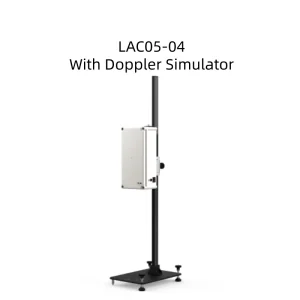
Integrating radar alignment systems that operate efficiently within high frequencies (up to 77-81GHz). This ensures modern blind-spot systems and cross-traffic detection modules are calibrated correctly after rear quarter-panel collision repairs.
Replacing traditional plumb bobs and string lines with digital laser distance finders and automatic leveling structures. This reduces technician setup times from forty-five minutes down to under ten minutes, minimizing errors.
Generating digital post-calibration reports showing target placement, initial sensor misalignment angles, and final calibrated parameters. These secure PDF files can be uploaded directly to insurance systems to prove the vehicle is safe to return to the road.
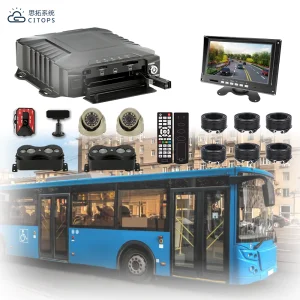
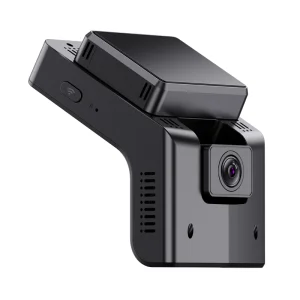
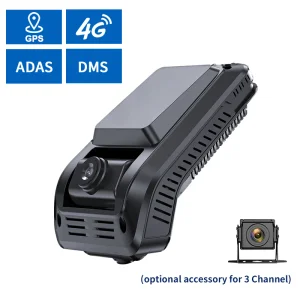
Full suite of radar targets, 3D wheel aligners, commercial fleet dashcams, and mobile calibration panels.
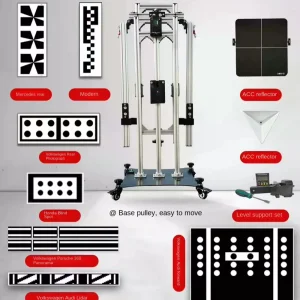
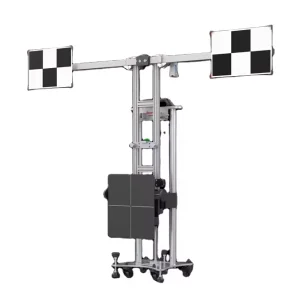
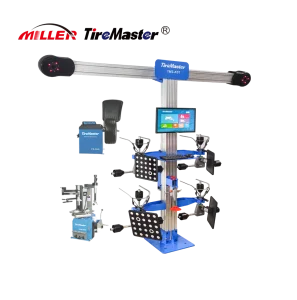
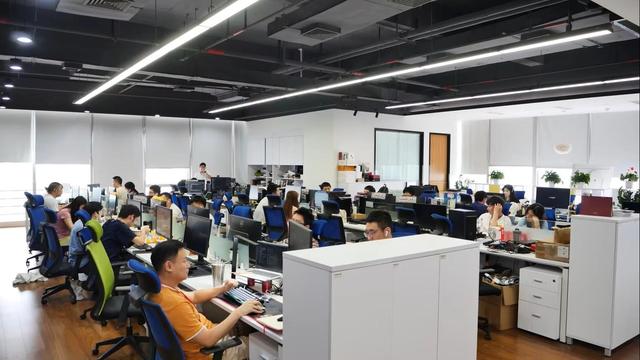
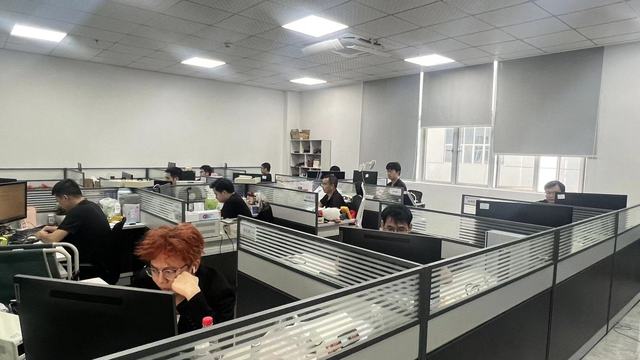
Shenzhen Kore Auto Co., Ltd. is a professional automotive diagnostic tools manufacturer specializing in the development, production, and global supply of advanced vehicle diagnostic solutions for the automotive aftermarket industry. With extensive experience in automotive electronics and diagnostic technology, Kore Auto is committed to delivering intelligent, reliable, and high-performance diagnostic equipment to customers worldwide.
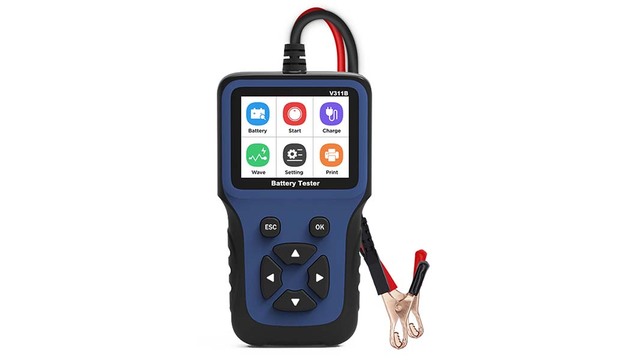
Our comprehensive product portfolio includes automotive diagnostic scanners, OBD diagnostic tools, ECU programming equipment, TPMS diagnostic systems, ADAS calibration equipment, battery testing devices, vehicle inspection systems, automotive oscilloscopes, remote diagnostic platforms, and customized diagnostic solutions. These products are widely used by automotive repair workshops, dealerships, fleet operators, vehicle inspection centers, and maintenance service providers.
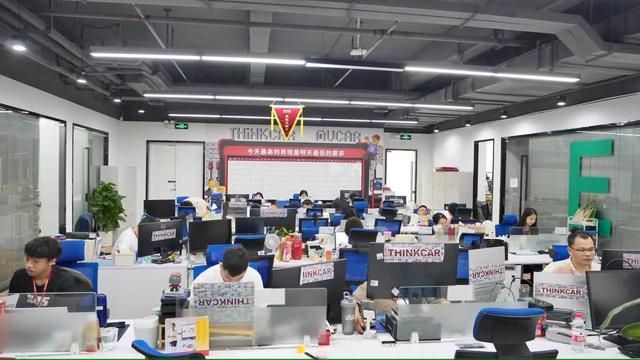
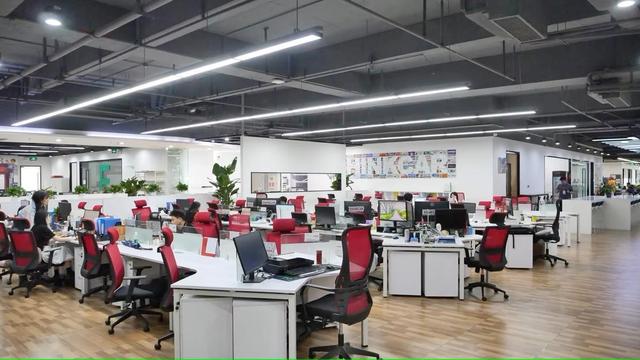
Driven by innovation, Shenzhen Kore Auto continuously invests in research and development to keep pace with the rapidly evolving automotive industry, including electric and connected vehicles. Our experienced engineering team develops cutting-edge diagnostic technologies featuring comprehensive vehicle coverage, fast data processing, intelligent fault analysis, wireless connectivity, and user-friendly software interfaces.
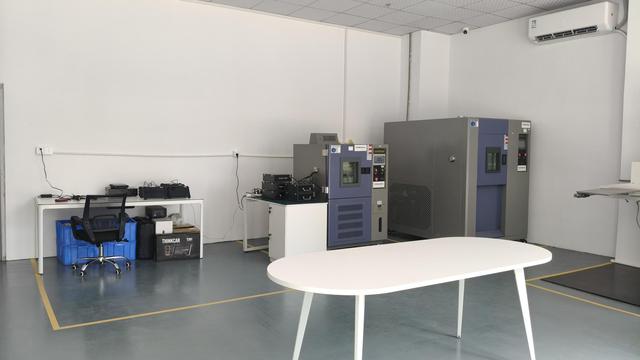
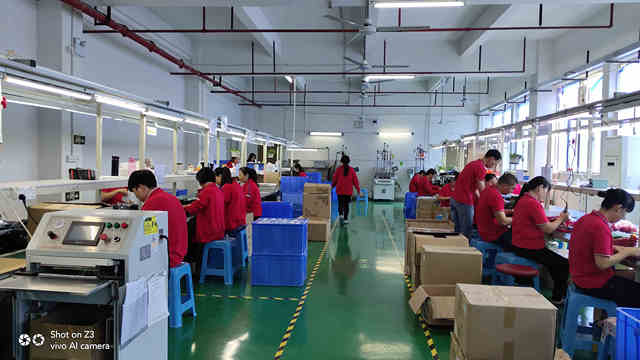
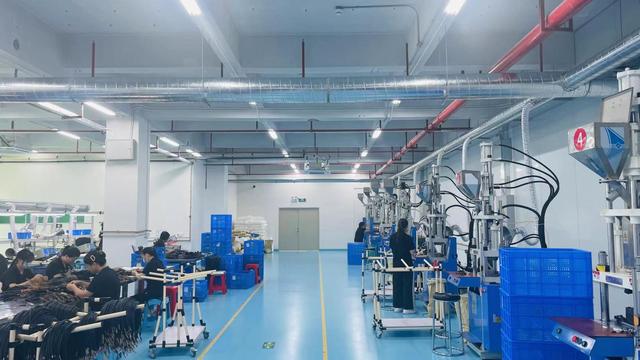
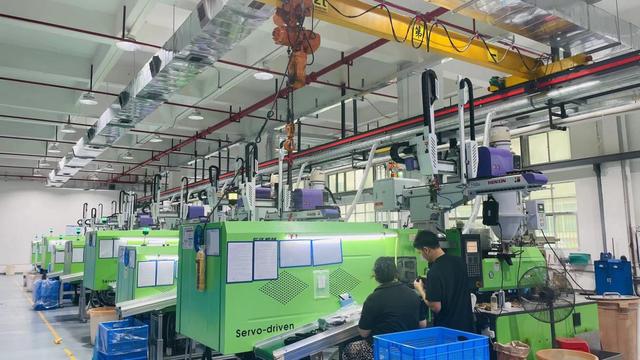
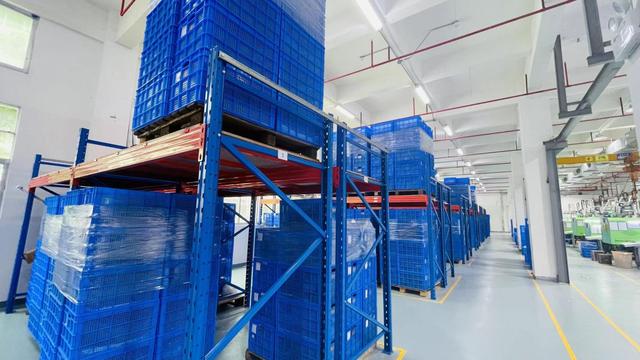
Quality and reliability are fundamental to our success. Every product is manufactured under strict quality control standards and undergoes rigorous testing procedures to ensure stable performance, accuracy, and durability in demanding workshop environments. We also provide flexible OEM and ODM services, helping customers develop customized automotive diagnostic products tailored to specific market requirements.
Serving customers throughout Europe, North America, South America, Asia, the Middle East, and Africa, Shenzhen Kore Auto Co., Ltd. has established long-term partnerships with distributors, automotive service providers, and industry professionals worldwide.
Expert technical answers regarding calibration environments, system compatibility, and compliance standards.
Connect with our expert engineering team to select the right ADAS calibration fixtures, radar corner reflectors, and 3D wheel alignment packages for your business.
Send Inquiry Now Kore Auto