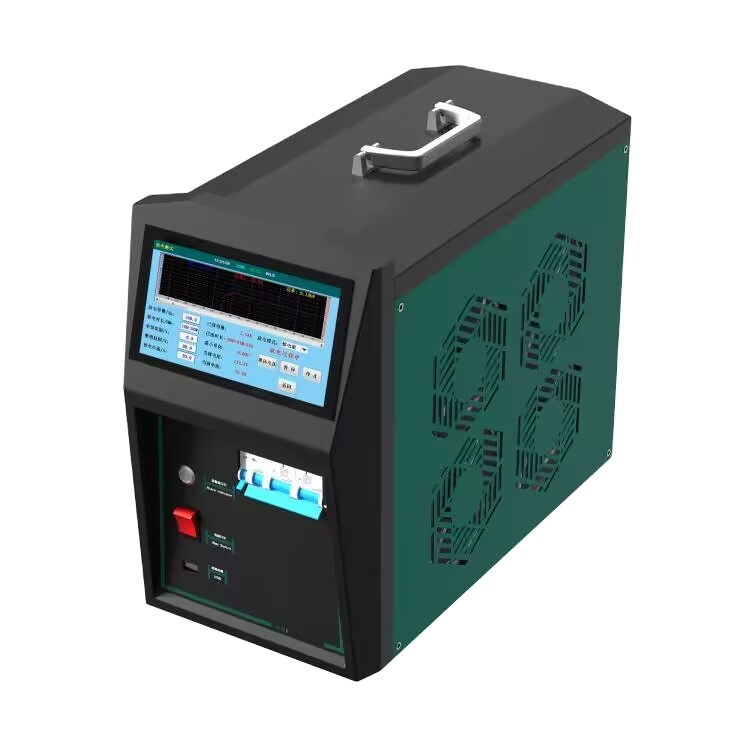
Battery Discharge Tester 10-60V 200A

Product Description

Product Description
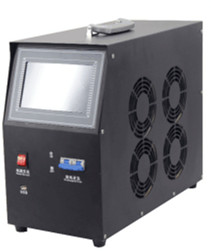
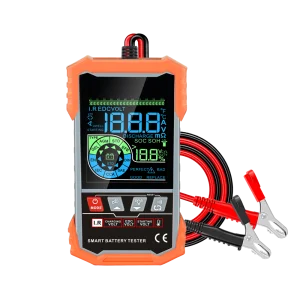
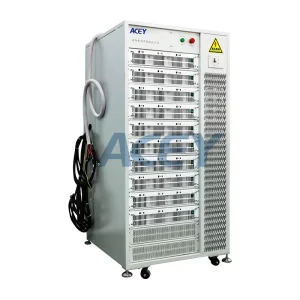
The instrument is specially designed for checking discharge test, capacity test, battery routine maintenance, engineering acceptance and other dc power load capacity test.
Intelligent Discharge Management
The power consumption part of the instrument adopts a new PTC ceramic resistor as the discharge load, completely avoiding red heat phenomenon, safe and reliable pollution-free. The whole machine is controlled by microprocessor, liquid crystal display, and English menu. Novel design, small size, light weight, easy to move. After setting various discharge parameters, the whole process of constant discharge is completed automatically. Fully realize intelligence, which making the whole discharge process safer.
The portable and intelligent professional design of the instrument series makes discharge test simple and easy, greatly reduces the labor intensity of professional maintenance personnel, and also improves the scientificity and intelligence of discharge test.
Specification
Applicable battery Lead-acid battery
Output voltage DC10-60V
Output current 0-200A
Operating mode Used independently or with a constant-current module
Protection performance Input terminal overvoltage protection, prompts on the LCD;
Reverse polarity protection, buzzer alarm;
Overcurrent protection, prompts on the LCD;
85℃ overheat protection, prompts on the LCD, buzzer alarm.
Single battery voltage acquisition The 433RF wireless module supports a communication distance longer than 100 m and monitoring for single battery voltages of 2V, 4V, 6V and 12V. If the total voltage is not beyond the set value, each battery pack will have an unlimited single battery quantity and can monitor one to sixteen RF wireless monitoring modules at the same time. One RF wireless monitoring module can monitor 12 single batteries at the same time.
Control accuracy Discharge current: ≤±1%; battery pack’s terminal voltage: ≤ ±0.5%; single battery voltage: ≤±0.1%
Communication with the host PC RS485 interface
Data storage capacity 2Gbit FLASH
Operating conditions
Cooling Forced air cooling
Temperature Operating temperature: -5~50℃; storage temperature: -40~70℃
Humidity Relative humidity: 0~90% (40±2℃)
Altitude Rated altitude: 4,000 m
Noise ≤60dB
Operating power supply
Voltage Single-phase three-wire system: 220V AC (–20%~+30%); frequency: 45~65Hz;
Withstand voltage test Input--casing: 2200Vdc 1min
Input--output: 2200Vdc 1min
Output--casing: 700Vdc 1min
Safety Compliance line with EN610950
Wiring
AC output Male socket in line with the applicable national standard, applicable to 1~1.5mm2 cable
DC output 25mm2 cable quick plug (red: positive; black: negative)
Customer Visit and Reviews
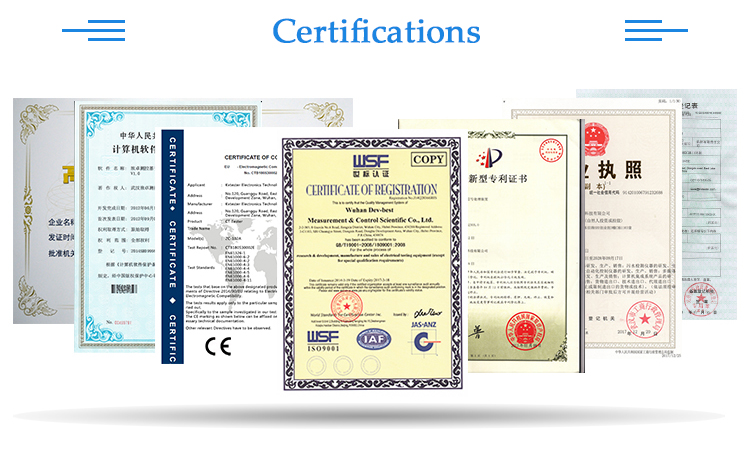
Certifications
FAQ Overview
Frequently Asked Questions

What is the primary function of this battery discharge tester?

This instrument is designed for checking discharge test, capacity test, battery routine maintenance, engineering acceptance, and other DC power load capacity tests.

What kind of discharge load does the tester use?

It adopts a new PTC ceramic resistor as the discharge load, which completely avoids the red heat phenomenon, making the entire test process safe, reliable, and pollution-free.

Which battery types are compatible with this equipment?

It is designed for Lead-acid batteries, operating within a DC output voltage range of 10V to 60V and a current range of 0 to 200A.

How does the single battery voltage acquisition work?

It utilizes a 433RF wireless module that supports a communication distance of over 100 meters. It monitors single battery voltages of 2V, 4V, 6V, and 12V, allowing concurrent monitoring of multiple RF modules without quantity limits on battery packs.

What built-in safety protections are featured?

The tester includes input terminal overvoltage protection, reverse polarity protection (with buzzer alarm), overcurrent protection, and 85℃ overheat protection (with LCD prompt and buzzer alarm).

What is the cooling mechanism of the instrument?

The instrument uses a forced air cooling system to maintain safe working temperatures (ranging from -5 to 50℃) under rated conditions.

Related Products