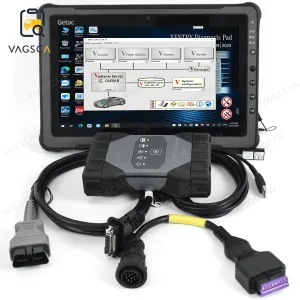
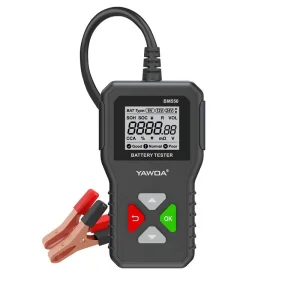
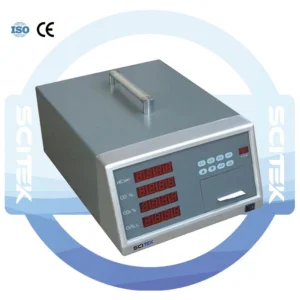
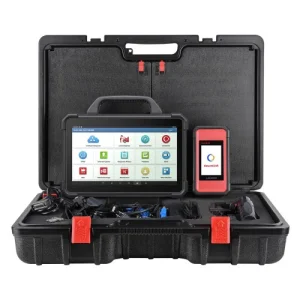
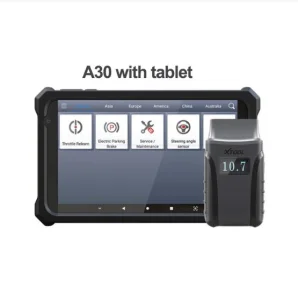
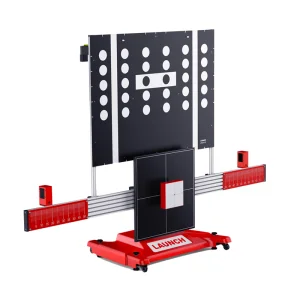
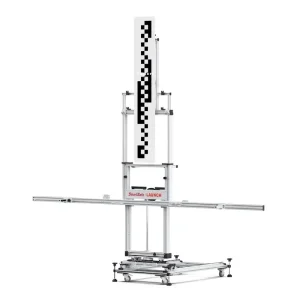
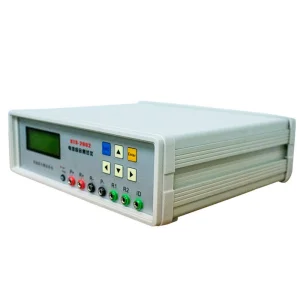
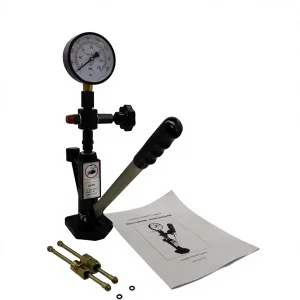
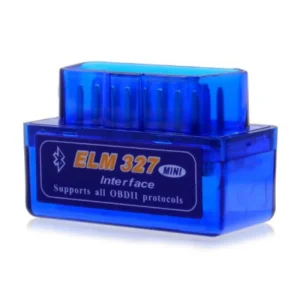
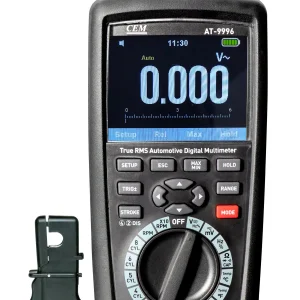
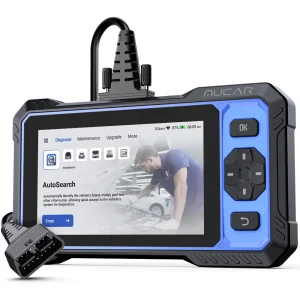
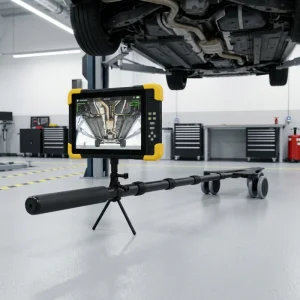
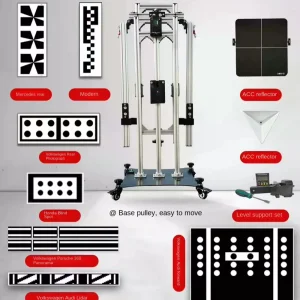
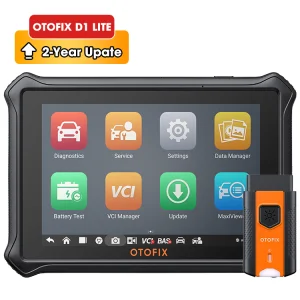
Explore our flagship diagnostic platforms, ADAS mobile calibration structures, and high-precision testing configurations engineered to optimize workshop output.
An in-depth analysis of advanced optoelectronic geometry, thrust line principles, and dynamic vehicle safety.
In the globalized automotive aftermarket, wheel alignment has evolved from a basic mechanical maintenance task to an exact science dictated by vehicle dynamics, ADAS integration, and energy efficiency. At the core of this evolution lies the Laser Wheel Alignment Tool, a device designed to measure and correct complex chassis angles, including camber, caster, toe, and thrust angle. Improper geometric calibration contributes to rapid treadwear, decreased range in Electric Vehicles (EVs), steering system strain, and structural safety liabilities. As vehicles incorporate higher levels of automated control, structural alignment tolerance margins have shrunk from degrees to fractions of a minute of an arc.
A laser wheel alignment tool operates on the principle of optical projection. It uses semiconductor laser diodes to project coherent light beams across the vehicle's structural grid. This grid is established by clamping calibrated target structures to the wheel rims. By utilizing the linear projection properties of laser beams, service engineers can visually map and measure deviations between the mechanical axes of the wheels and the vehicle's geometric centerline.
Historically, basic optical tools relied on simple light-beam reflection. Modern equipment integrates advanced laser alignment techniques with digital microprocessors, transforming raw light readings into real-time diagnostics. Understanding the core parameters calculated by these devices is critical for automotive service stations aiming to provide OE-spec calibrations:
The tilt of the wheels relative to the vertical axis, viewed from the front. Laser indicators establish whether the wheels incline outward (positive) or inward (negative), critical for distributing load forces evenly across the tread footprint during cornering.
The angle of the steering axis when viewed from the side. Correct caster ensures optimal self-centering torque in the steering wheel and high-speed directional stability, balancing driver effort with control response.
The direction the tires point relative to the vehicle's longitudinal centerline when viewed from above. Accurate toe adjustment, measured to within a fraction of a millimeter, eliminates tire scrubbing and lateral drag.
Analyzing key efficiency indicators, mechanical accuracy thresholds, and product lifetime dynamics.
Tracing the transition from classical physical line lasers to smart, multi-spectral digital alignment matrices.
The automotive industry is in the midst of a technological transition. Laser wheel alignment tools are shifting from mechanical and analog configurations toward cloud-integrated, software-driven diagnostic ecosystems. Manufacturers are responding to these changes by defining clear development pathways for future equipment design:
1. Digital-Optical Sensor Integration: Classic laser systems use manual measurement scales. Next-generation tools replace these scales with digital optical receptors, like high-speed CMOS sensor matrices. The laser beam acts as a reference line while the camera capture system tracks displacements automatically. This hybrid approach eliminates operator reading errors and accelerates alignment processes.
2. Wavelength Diversification (Green vs. Red Laser): Industrial laser tools traditionally relied on red laser diodes (650nm wavelength). However, red lasers can be difficult to see in bright workshop environments or under direct sunlight. Manufacturers are increasingly switching to high-visibility green laser diodes (520nm wavelength). Although green laser systems require more complex thermal management and consume more power, they provide clearer alignment lines on varied shop surfaces.
3. ADAS Sensor Co-Calibration: Modern wheel alignment is no longer isolated to mechanical tire angles. Advanced Driver Assistance Systems (ADAS)—including Lane Keep Assist (LKA) and Adaptive Cruise Control (ACC)—rely on steering angle sensors (SAS) and rear-axle thrust angles to navigate. If a vehicle's mechanical alignment is modified without calibrating its ADAS cameras and radar targets, safety systems can malfunction. Future laser alignment systems are designed to simultaneously calibrate chassis geometry and target reflectors, linking physical alignment directly to system electronics.
Discover the production clusters, quality control standards, and logistics frameworks behind China's leading exporters.
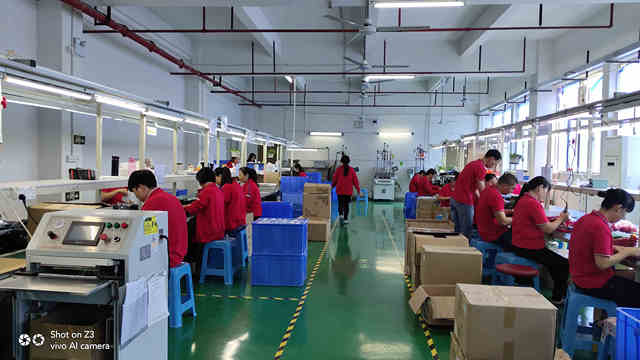
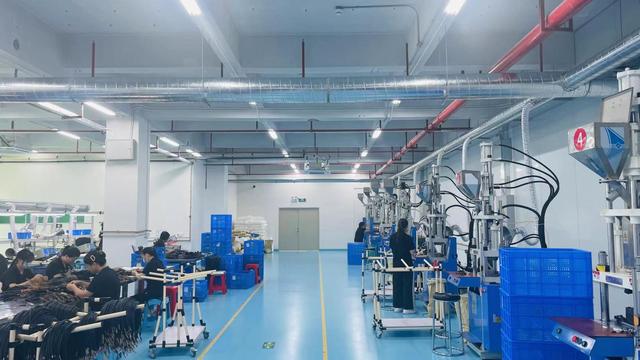
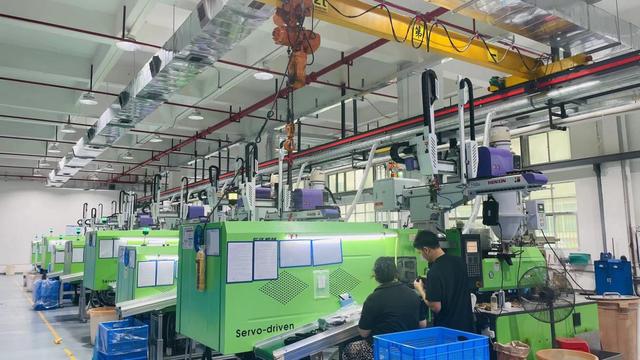
China has become a leading exporter of laser wheel alignment tools and automotive diagnostic systems. This position is supported by deep vertical integration in manufacturing, localized component clusters, and specialized industrial facilities. Shenzhen and the surrounding Pearl River Delta area serve as key centers for these operations. Here, access to electronic component suppliers, optical lens manufacturers, precision casting facilities, and software development teams enables fast prototyping and consistent production.
For global importers and distributors, sourcing from Chinese manufacturers like Shenzhen Kore Auto Co., Ltd. offers significant advantages. High-volume component sourcing and automated assembly lines help stabilize production costs without compromising technical standards. Localized supply chains allow manufacturers to source raw materials, design custom PCBs, construct optoelectronic housings, and run quality checks all within a single region.
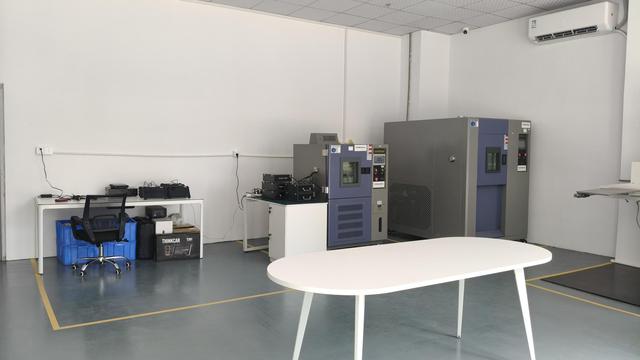
To maintain reliability for export markets, top suppliers use rigorous testing procedures, including:
Testing the laser diode's focal point and output consistency using computerized optical target sensors. This ensures the laser line remains crisp and accurate over distances up to 20 meters.
Exposing mechanical frames and calibration targets to simulated drop impacts and continuous vibration, verifying that instruments retain accuracy after transport and daily workshop use.
Operating target components across a temperature spectrum of -20°C to 60°C to guarantee laser wavelength stability and housing integrity in varied climates.
How alignment tools perform across urban passenger car stations, remote fleet hubs, and specialized commercial depots.
Laser wheel alignment systems are used in diverse operating conditions worldwide, requiring adaptable hardware and software solutions:
In urban passenger car repair workshops, space-efficient, mobile laser alignment units allow garages with limited bay areas to perform alignment tasks without installing large, permanent camera towers. Technicians can set up the laser scales on a standard two-post lift, run the diagnostic sequence, and clear the bay for other service work.
For commercial vehicle and truck fleet depots, heavy-duty alignment requires rugged systems that can accommodate multi-axle configurations. Laser alignment systems are ideal for long-wheelbase applications, as the laser line remains clear over long spans. This allows operators to align the front steering axle and rear drive axles relative to the chassis frame, helping reduce tire wear and fuel consumption for long-haul trucks.
In high-volume tire retail centers, service speed is critical. Integrated laser alignment devices with digital sensors provide quick pre-check readouts. This allows service writers to inspect a vehicle's alignment within minutes of arrival and present a clear diagnostic report to the customer.
Navigating global standards, optical safety certifications, and warranty frameworks for import assurance.
Importing diagnostic equipment requires compliance with regional safety, electromagnetic, and metrological standards. High-quality laser wheel alignment exporters ensure their products meet international requirements, including CE, FCC, and RoHS certifications. Laser systems must comply with IEC 60825-1 safety standards, classifying alignment lasers under safe Class 1 or Class 2 limits. This guarantees the lasers are safe for operators during normal workshop use.
Post-purchase technical support is also essential. Top-tier manufacturers back their products with robust support frameworks:
Cloud-Based Database Updates: Providing annual updates for international vehicle specifications database files, ensuring technicians have access to correct alignment values for new models.
Remote Diagnostic Interfaces: Equipping systems with web-connected interfaces so factory technicians can troubleshoot diagnostic software and calibrate hardware remotely.
On-Site Calibration Training: Providing detailed training manuals, video tutorials, and technical support to help distributors run local calibration and repair centers.
A professional Chinese manufacturer and exporter specializing in automotive diagnostic systems and workshop calibration equipment.
Shenzhen Kore Auto Co., Ltd. is a professional China automotive diagnostic tools manufacturer specializing in the development, production, and global supply of advanced vehicle diagnostic solutions for the automotive aftermarket industry. With extensive experience in automotive electronics and diagnostic technology, Kore Auto is committed to delivering intelligent, reliable, and high-performance diagnostic equipment to customers worldwide.
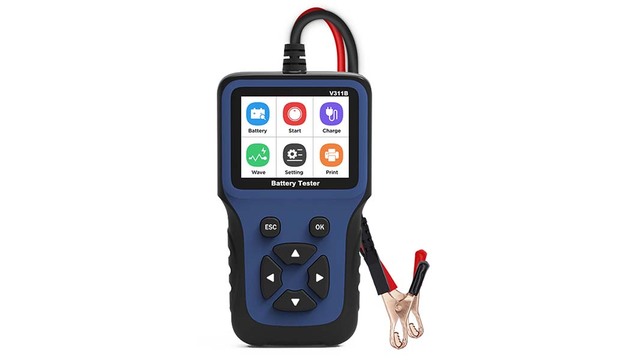
Our comprehensive product portfolio includes automotive diagnostic scanners, OBD diagnostic tools, ECU programming equipment, TPMS diagnostic systems, ADAS calibration equipment, battery testing devices, vehicle inspection systems, automotive oscilloscopes, remote diagnostic platforms, and customized diagnostic solutions. These products are widely used by automotive repair workshops, dealerships, fleet operators, vehicle inspection centers, and maintenance service providers.
Driven by innovation, Shenzhen Kore Auto continuously invests in research and development to keep pace with the rapidly evolving automotive industry, including electric and connected vehicles. Our experienced engineering team develops cutting-edge diagnostic technologies featuring comprehensive vehicle coverage, fast data processing, intelligent fault analysis, wireless connectivity, and user-friendly software interfaces.
Quality and reliability are fundamental to our success. Every product is manufactured under strict quality control standards and undergoes rigorous testing procedures to ensure stable performance, accuracy, and durability in demanding workshop environments. We also provide flexible OEM and ODM services, helping customers develop customized automotive diagnostic products tailored to specific market requirements.
Serving customers throughout Europe, North America, South America, Asia, the Middle East, and Africa, Shenzhen Kore Auto Co., Ltd. has established long-term partnerships with distributors, automotive service providers, and industry professionals worldwide.






Expert answers to common questions regarding laser wheel alignment tools, calibration processes, and system configurations.
Explore our industrial-grade diagnostic tools, exhaust analyzers, and heavy-vehicle calibration systems.
 Kore Auto