Direct supply from leading specialized facilities - engineered for precise circuit analysis, battery systems diagnostics, and overall fleet inspection management.
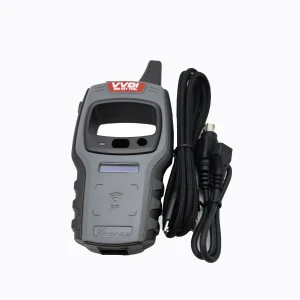
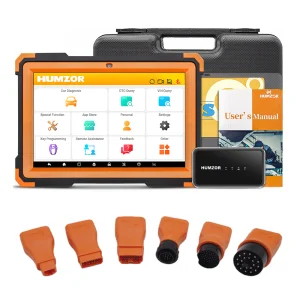
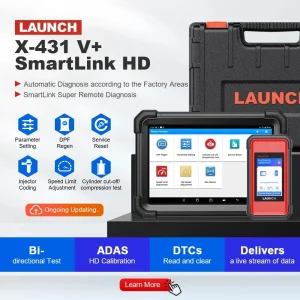
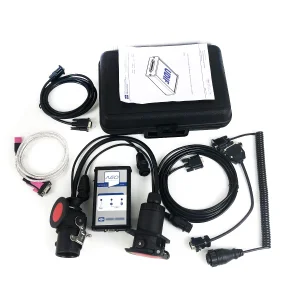
In modern automotive engineering and repair industries, diagnostic test instruments act as the eyes and ears of technicians. Historically, classic test lamps with tungsten incandescent filaments dominated workshops. However, as vehicle architecture transitioned to sophisticated control modules, CAN-bus networks, and delicate micro-electronics, the traditional test light posed a massive hazard. Incandescent bulbs draw significant current, which can accidentally trigger sensitive automotive relays, deploy airbags, or completely destroy delicate Integrated Circuits (ICs) inside Engine Control Units (ECUs).
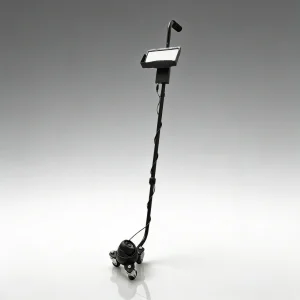
This risk catalyzed the development of the modern high-impedance LED test light. Unlike its predecessors, an LED-based logic circuit tester limits the current flow to mere microamps. This high-impedance safety mechanism prevents electrical backfeeding. As China establishes itself as the main powerhouse for high-accuracy electronic components, Shenzhen and adjacent industrial zones have emerged as the leading manufacturing nodes for top-tier LED circuit testers, logic probes, and comprehensive diagnostic systems.
“Industry Standard Integration: The shift toward 48-Volt architecture in mild hybrids (MHEVs) and high-voltage platforms in Electric Vehicles (EVs) mandates diagnostic logic probes capable of reading distinct voltage thresholds without causing signal distortion.”
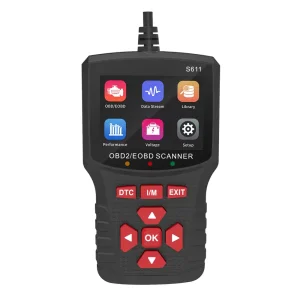
Understanding the diagnostic workflow of vehicle electronics requires analyzing the technology roadmap that spans from basic polarity indicators to sophisticated OBD2 engine scanner protocols. Modern LED test lights incorporate bidirectional LED arrays that instantly change color to represent positive (+) or ground (-) connections. More advanced versions feature integrated digital displays reporting real-time voltage measurements.
When validating logic systems or testing sensor communication lines (such as crankshaft sensors or fuel injector pulse signals), standard multimeters are often too slow to register fast voltage transitions. High-speed LED probes, on the other hand, provide immediate visual pulse responses. This real-time analysis makes them indispensable for diagnosing complex electrical systems, allowing technicians to quickly pinpoint faults in communication networks.
Safeguards internal ECU circuits by limiting active probe currents, preventing accidental deployment of airbags or damaging CMOS computer control nodes.
Support for 12V automotive systems, 24V commercial vehicle systems, and advanced high-voltage systems utilized in modern hybrid and electric drivetrains.
Capable of monitoring fast pulse-width modulated control loops, allowing real-time inspection of active solenoids and complex multiplex bus communications.
High Impedance Safe
Operational Range
Input Resistance
Global Export Markets
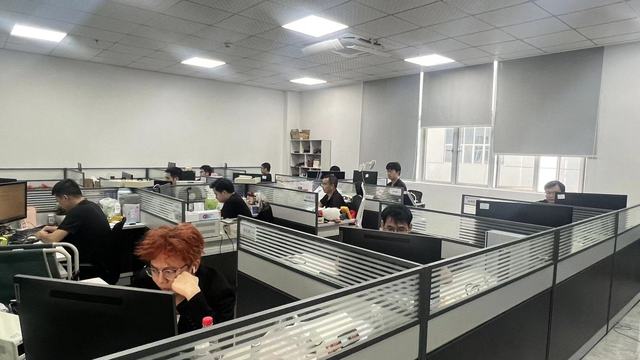
Shenzhen Kore Auto Co., Ltd. stands as a premier automotive diagnostic tools manufacturer. We specialize in the R&D, production, and global distribution of next-generation diagnostic equipment for the automotive aftermarket. With extensive experience in automotive electronics and instrumentation engineering, Kore Auto delivers intelligent, high-performance tools engineered for workshops, fleet operators, and diagnostic specialists worldwide.
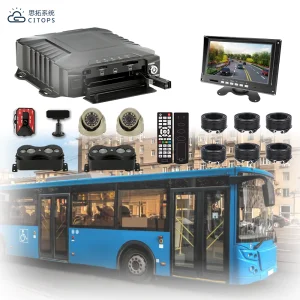
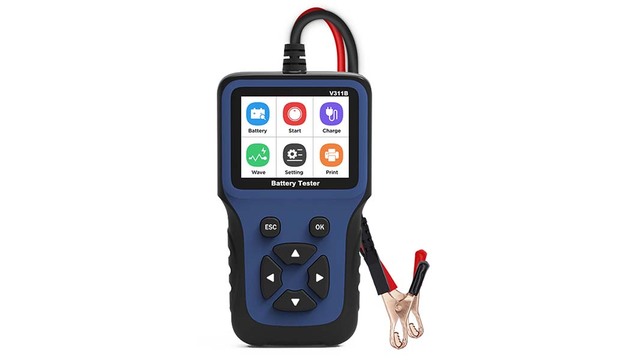
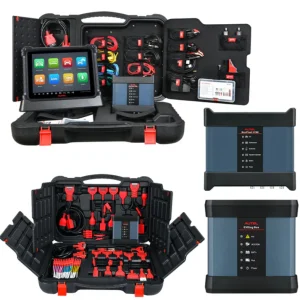
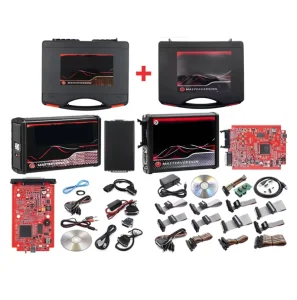
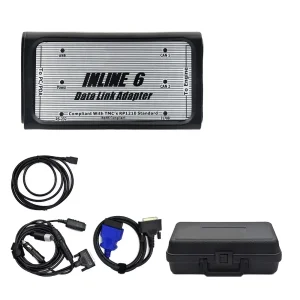
Our comprehensive portfolio features advanced diagnostic scanners, OBD tools, ECU programming devices, TPMS diagnostic systems, ADAS calibration platforms, battery analysis equipment, vehicle inspection devices, and customized diagnostic software solutions. To meet the demands of global workshops, our products are engineered to provide maximum coverage, fast processing speeds, and stable interfaces across diverse environments.
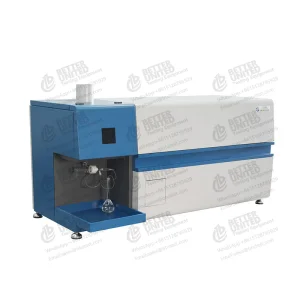
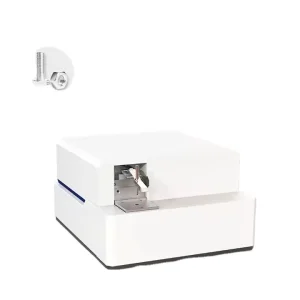
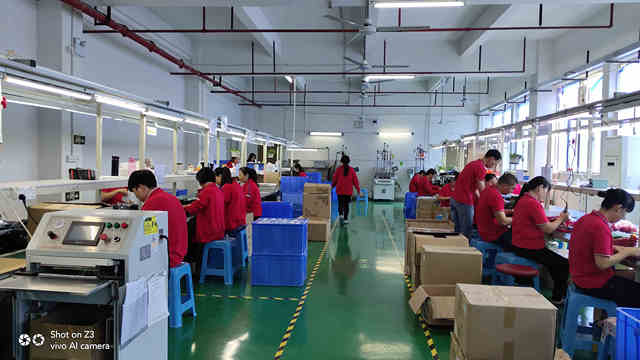
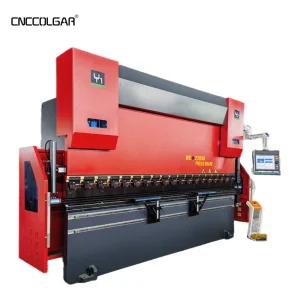
“Strategic Production Quality: By utilizing advanced fabrication machinery like CNC press brakes for precise hardware enclosures and Optical Emission Spectrometers for composition analysis, Kore Auto maintains strict consistency in both device construction and material selection.”
As modern vehicle systems embrace electrification and connectivity, our engineering division continuously researches new paradigms in EV battery analysis, ADAS calibration, and heavy-duty commercial diagnostics. Serving distributors in Europe, the Americas, Asia-Pacific, and Africa, we leverage structured logistics pipelines and flexible OEM/ODM systems to deliver customized equipment suited to regional regulatory specifications.
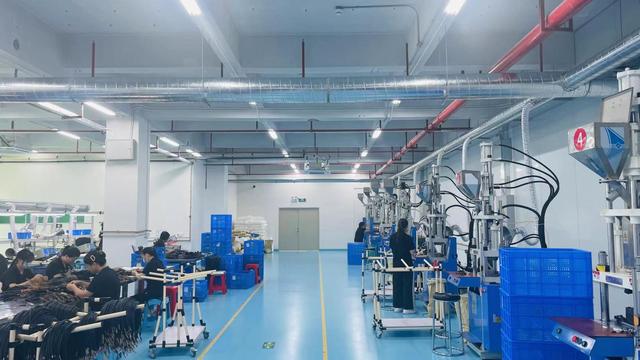
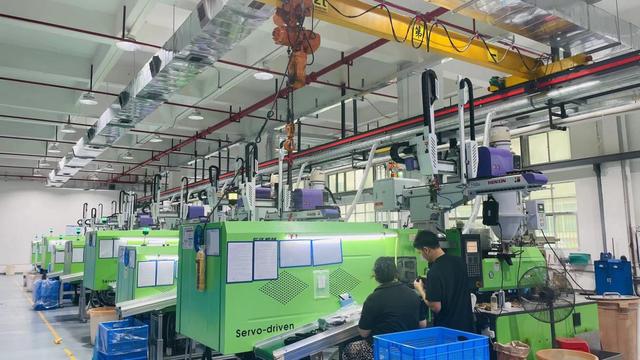
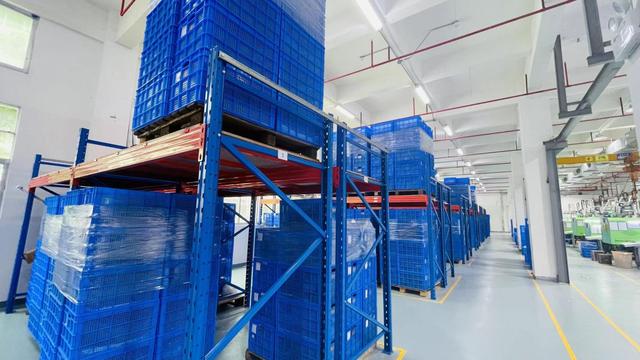
Every piece of diagnostic gear, from complex ECU tuning interfaces to heavy-duty chassis scanner housings, is built to withstand high-volume workshop use. Our production floors combine precision engineering with high-capacity sheet metal machinery (such as 220T CNC bending press brakes) to produce durable housings, while utilizing high-accuracy spectrometers to inspect materials and alloys, ensuring maximum durability.
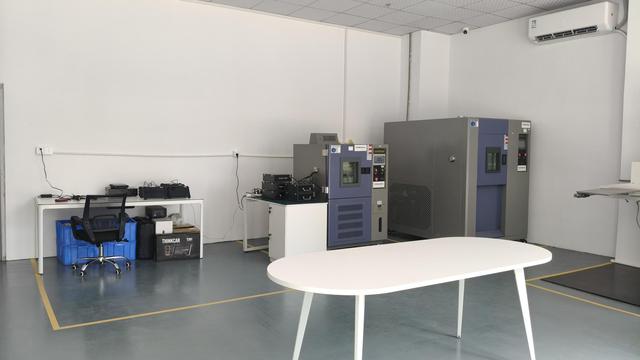
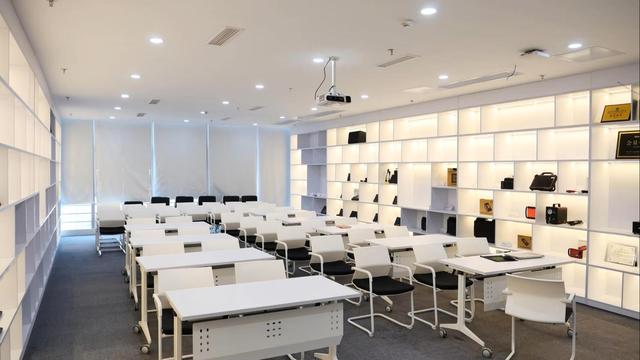
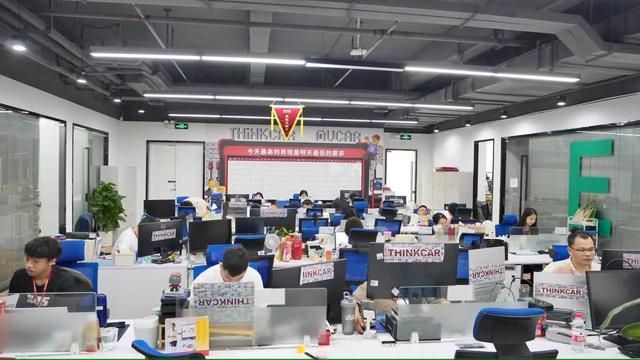


Get professional advice on automotive diagnostics, electrical circuit analysis, and equipment selection.
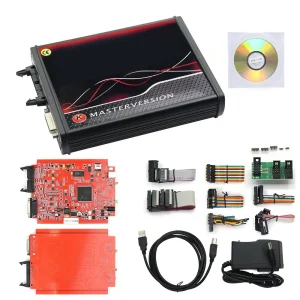
Professional calibration, tuning, and scanning interfaces for custom workshop tasks and heavy-duty vehicles.
 Kore Auto