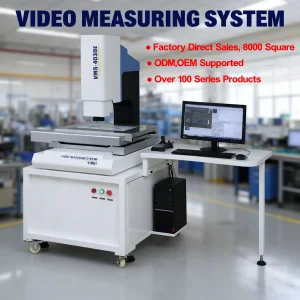
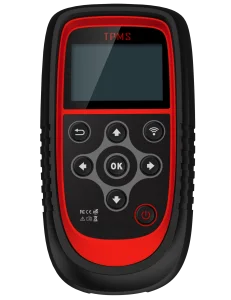
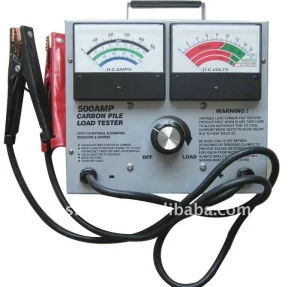
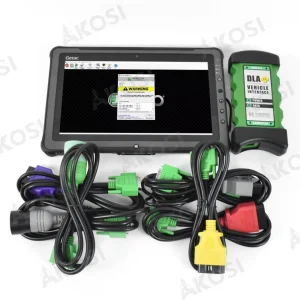
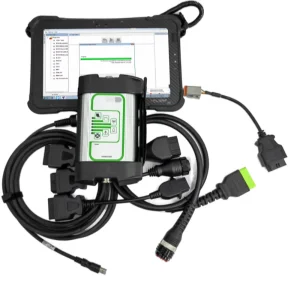
Explore our premium selection of dynamic calibration platforms, multi-system ECU programming interfaces, and high-performance workshop diagnostic devices.
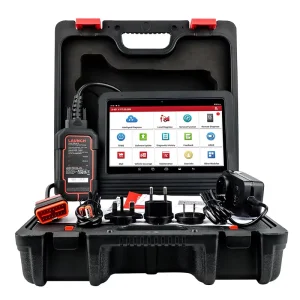
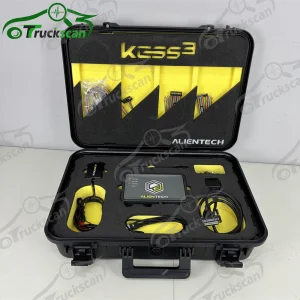
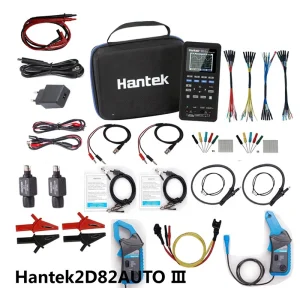
The global automotive ecosystem is undergoing a profound paradigm shift driven by digital networking, software-defined platforms, and high-frequency communication pathways. Volkswagen Audi Group (VAG)—encompassing Audi, Volkswagen, Seat, Skoda, Porsche, and Bentley—stands at the cutting edge of this revolution. Modern VAG vehicles are no longer simple mechanical structures; they are decentralized clusters of high-performance Electronic Control Units (ECUs) communicating via sophisticated network matrices.
Historically, diagnostics for VAG models depended on the physical K-Line (ISO 9141) protocol and early implementations of CAN bus networks (ISO 11898). These networks operated on relatively narrow bandwidths, suitable for reading fundamental fault codes (DTCs) and running localized adaptations. However, with the introduction of modern architectures like the MQB, MEB (Modular Electric Drive Toolkit), and PPE (Premium Platform Electric), the system demands have scaled exponentially. High-capacity vehicle systems now require the integration of UDS (Unified Diagnostic Services - ISO 14229), DoIP (Diagnostics over Internet Protocol - ISO 13400), and CAN-FD (CAN with Flexible Data-Rate).
Unlock access to secure diagnostic environments. Professional VAG diagnostic devices must incorporate real-time online SFD (Schutz Fahrzeug Diagnose) bypass systems to allow active ECU adaptations, coding, and parameter adjustments on modern MQB-evo platforms.
DoIP (ISO 13400) enables ethernet-based diagnostic data routing at transfer rates of up to 100 Mbps. This framework is essential for processing massive flash file payloads, running comprehensive vehicle reflashing operations, and servicing modern infotainment modules.
Extending payload fields from 8 to 64 bytes and upgrading data-phase transmission rates to 5 Mbps, CAN-FD guarantees zero latency for real-time sensor feedback, control unit synchronization, and safety-critical calibration sequences.
International diagnostic device distributors, brand owners, and fleet managers require hardware platforms that satisfy multiple criteria: absolute system stability, comprehensive module coverage, fast updates, and cost-effective unit pricing. As an authorized development manufacturer and global exporter, Shenzhen Kore Auto Co., Ltd. addresses these primary commercial concerns.
| Buyer Category | Primary Technical Sourcing Requirement | Kore Auto Custom Solutions & Implementations |
|---|---|---|
| Professional Distributors & Wholesalers | Extended protocol support (J2534 PassThru, RP1210), software licensing models, custom branding (OEM/ODM). | Flexible API and hardware integration options, dual firmware architectures, customized branding, and custom PCB packaging. |
| Automotive Workshop Franchises | Fast and responsive software updates, multi-system capabilities (ADAS, TPMS, key programming), rugged cases. | Integrated OTA update infrastructures, complete diagnostic tool combinations with drop-resistant, IP65-certified enclosures. |
| Commercial Fleet Operators | Heavy-duty compatibility, diagnostic reporting portals, real-time remote support interfaces. | Specialized 24V adapters, comprehensive cloud-connected diagnostic systems, and real-time remote control protocols. |
Meeting these high-level specifications demands a close integration between engineering design, hardware component sourcing, and manufacturing quality controls. High-precision OBD2 interfaces must run on high-performance dual-core processors, using high-reliability transceiver ICs from premium suppliers to prevent communication drops during critical ECU re-flashing procedures.
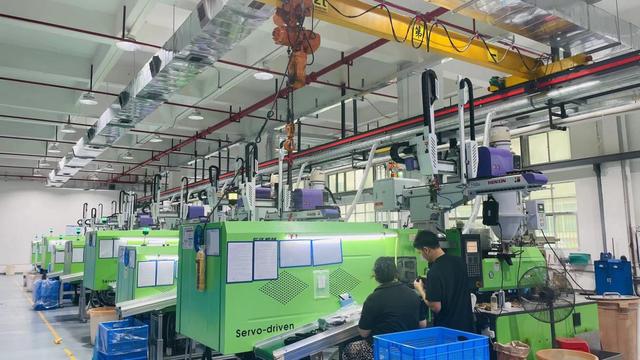
Shenzhen Kore Auto Co., Ltd. leverages the advanced electronic supply chain infrastructure of Shenzhen to build a state-of-the-art diagnostic equipment manufacturing facility. Operating under modern Industry 4.0 models, our factory guarantees complete vertical integration from original schematic design and PCB layouts to component pick-and-place, plastic injection molding, firmware flashing, and multi-stage testing.
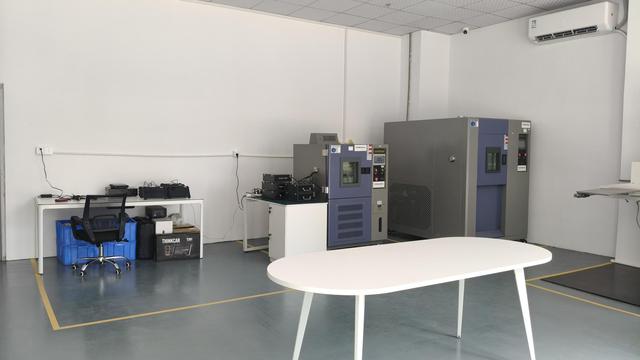
Our production facilities employ high-precision automated SMT (Surface Mount Technology) assembly lines and SPI (Solder Paste Inspection) devices to guarantee component placement accuracy down to microscopic levels. Each manufactured VAG Diagnostic interface undergoes rigorous burn-in tests, climate exposure analysis (ranging from -20°C to +70°C), and automated RF parameter calibrations to ensure wireless connectivity components (Bluetooth 5.0, Wi-Fi 2.4/5GHz) operate flawlessly in industrial environments.
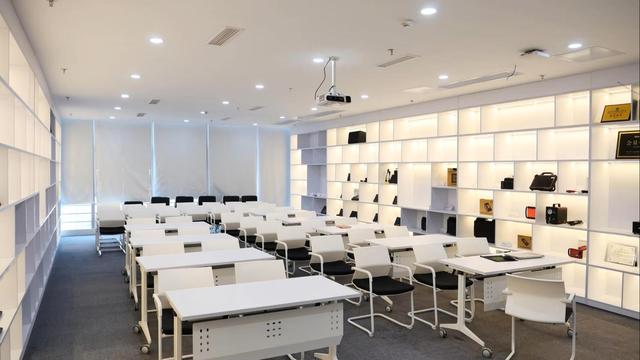
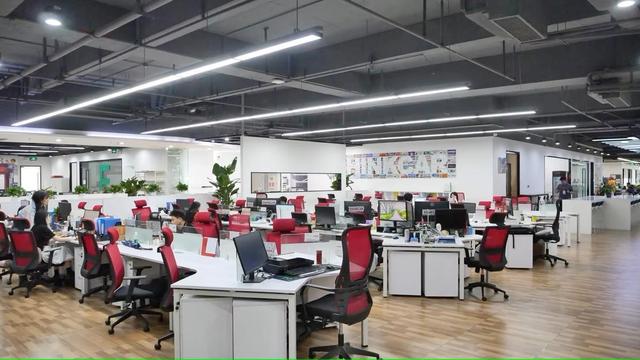
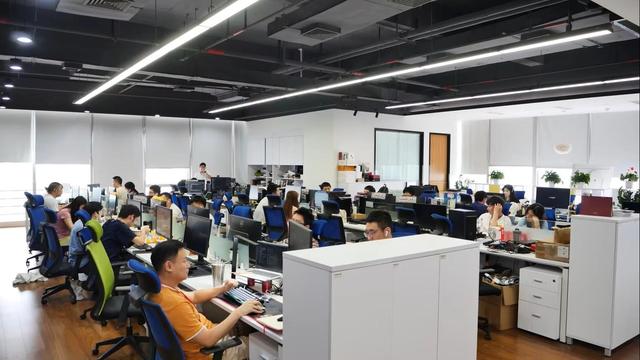
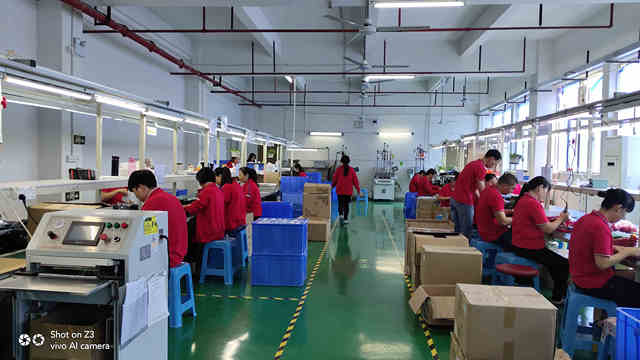
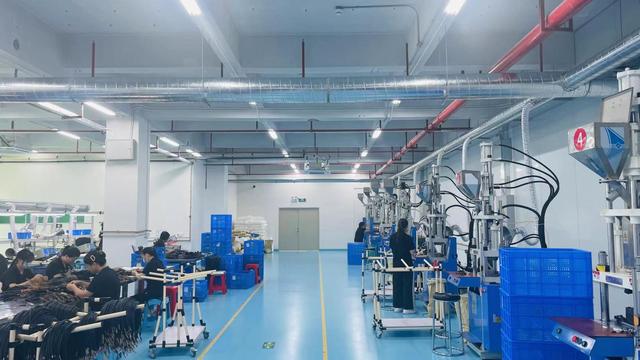
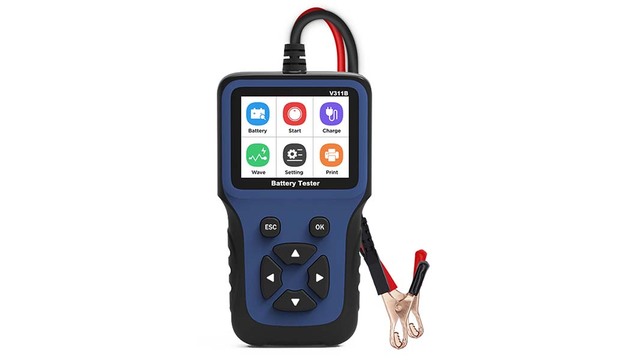
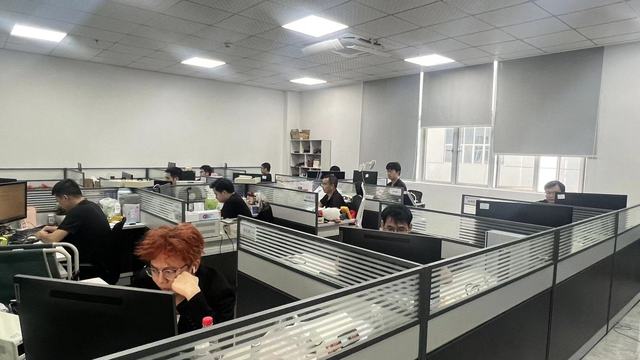
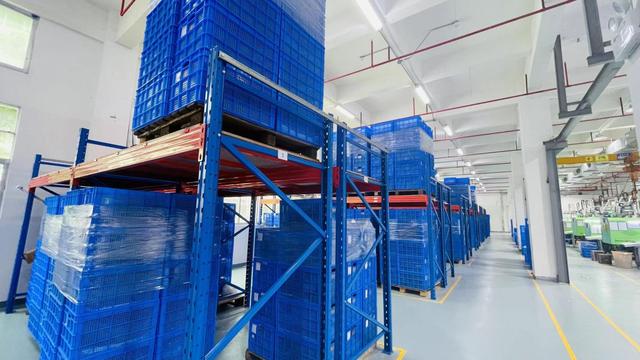
The photos below display our real manufacturing processes, showing our assembly lines, component warehouse, functional testing setups, and packaging environments.
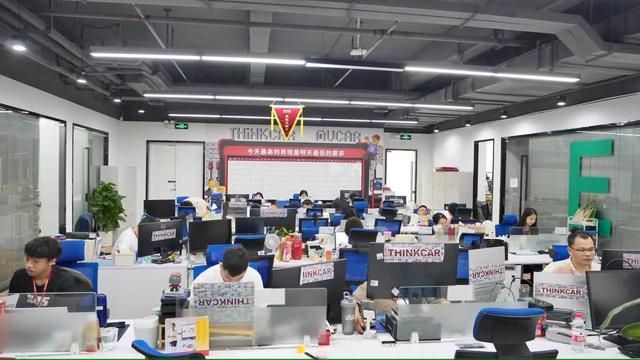
Shenzhen Kore Auto Co., Ltd. is a professional China automotive diagnostic tools manufacturer specializing in the development, production, and global supply of advanced vehicle diagnostic solutions for the automotive aftermarket industry. With extensive experience in automotive electronics and diagnostic technology, Kore Auto is committed to delivering intelligent, reliable, and high-performance diagnostic equipment to customers worldwide.
Our comprehensive product portfolio includes automotive diagnostic scanners, OBD diagnostic tools, ECU programming equipment, TPMS diagnostic systems, ADAS calibration equipment, battery testing devices, vehicle inspection systems, automotive oscilloscopes, remote diagnostic platforms, and customized diagnostic solutions. These products are widely used by automotive repair workshops, dealerships, fleet operators, vehicle inspection centers, and maintenance service providers.
Driven by innovation, Shenzhen Kore Auto continuously invests in research and development to keep pace with the rapidly evolving automotive industry, including electric and connected vehicles. Our experienced engineering team develops cutting-edge diagnostic technologies featuring comprehensive vehicle coverage, fast data processing, intelligent fault analysis, wireless connectivity, and user-friendly software interfaces.
Quality and reliability are fundamental to our success. Every product is manufactured under strict quality control standards and undergoes rigorous testing procedures to ensure stable performance, accuracy, and durability in demanding workshop environments. We also provide flexible OEM and ODM services, helping customers develop customized automotive diagnostic products tailored to specific market requirements.
Serving customers throughout Europe, North America, South America, Asia, the Middle East, and Africa, Shenzhen Kore Auto Co., Ltd. has established long-term partnerships with distributors, automotive service providers, and industry professionals worldwide.
See how Kore Auto diagnostic systems address day-to-day challenges faced by workshop mechanics and diagnostic specialists globally.
Scenario: A tuning shop in Germany is performing flash tuning on a VAG EA888 Gen4 ECU via Bench Mode.
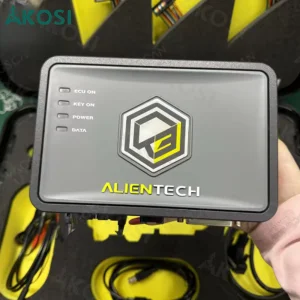
Solution: The technician connects the Kore Auto ECU programming unit via J2534 protocol. The device provides stable power protection and secure key unlocking, allowing direct reading and writing of the EEPROM and Flash memories without opening the physical housing of the ECU.
Scenario: A collision repair workshop in Texas needs to recalibrate the forward radar and lane-keep camera array on a damaged Audi Q8.
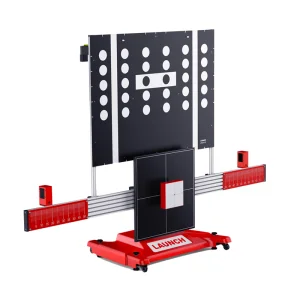
Solution: Using the Kore Auto ADAS Calibration target frame along with our advanced diagnostic tablet, the system provides step-by-step physical alignment guides, dynamic calibration driving setups, and generates a compliance report for the insurer.
Scenario: A tire maintenance center in Sydney needs to program replacement tire valves and diagnose a faulty tire pressure sensor warning on a VW Touareg.
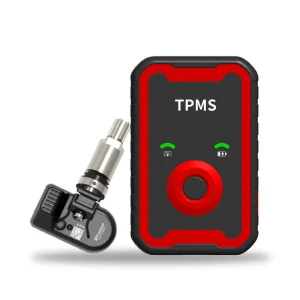
Solution: The technician utilizes the handheld Kore Auto TPMS scanner to wake up the sensor, extract ID information, program a new universal 433MHz sensor in seconds, and execute the OBD learning process to turn off the warning light.
Detailed explanations regarding technical operations, protocols, hardware features, and OEM/ODM procurement policies.
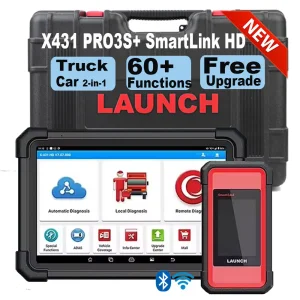
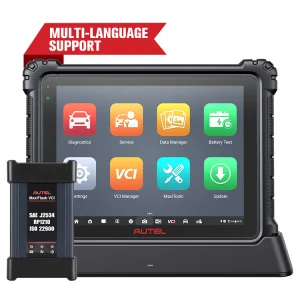
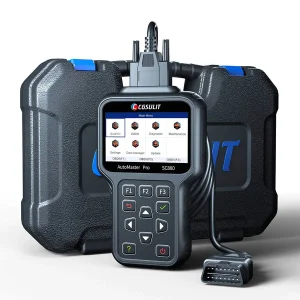
Discover our comprehensive range of specialized calibration devices, TPMS programmers, and multi-brand diagnostic interfaces.
 Kore Auto