Explore our leading professional automotive solutions manufactured to strict quality controls. Engineered for high performance in testing, diagnostics, and continuous road service operations.
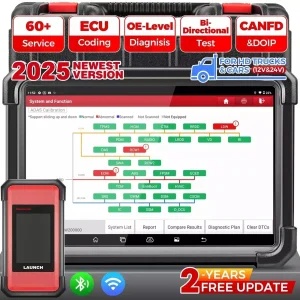
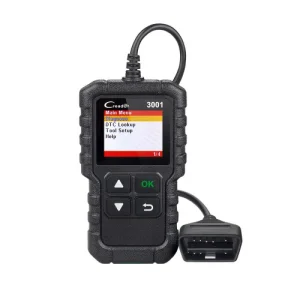
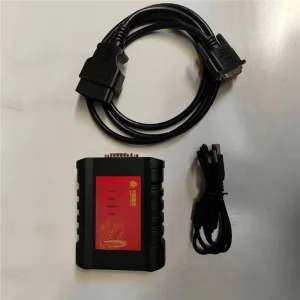
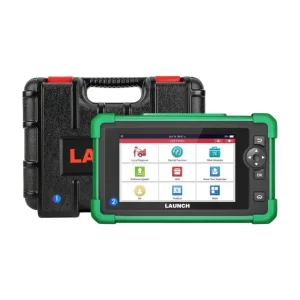
Shenzhen Kore Auto Co., Ltd. is a professional China automotive diagnostic tools manufacturer specializing in the development, production, and global supply of advanced vehicle solutions.
Shenzhen Kore Auto Co., Ltd. is a professional China automotive diagnostic tools manufacturer specializing in the development, production, and global supply of advanced vehicle diagnostic solutions for the automotive aftermarket industry. With extensive experience in automotive electronics and diagnostic technology, Kore Auto is committed to delivering intelligent, reliable, and high-performance diagnostic equipment to customers worldwide.
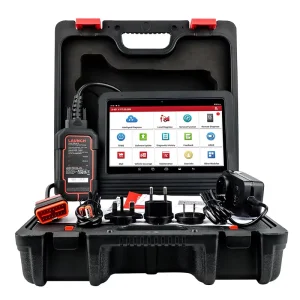
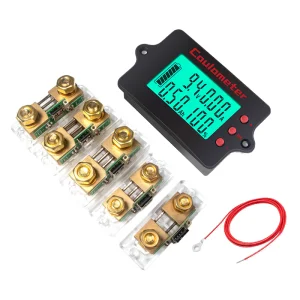
Our comprehensive product portfolio includes automotive diagnostic scanners, OBD diagnostic tools, ECU programming equipment, TPMS diagnostic systems, ADAS calibration equipment, battery testing devices, vehicle inspection systems, automotive oscilloscopes, remote diagnostic platforms, and customized diagnostic solutions. These products are widely used by automotive repair workshops, dealerships, fleet operators, vehicle inspection centers, and maintenance service providers.
Driven by innovation, Shenzhen Kore Auto continuously invests in research and development to keep pace with the rapidly evolving automotive industry, including electric and connected vehicles. Our experienced engineering team develops cutting-edge diagnostic technologies featuring comprehensive vehicle coverage, fast data processing, intelligent fault analysis, wireless connectivity, and user-friendly software interfaces.
Quality and reliability are fundamental to our success. Every product is manufactured under strict quality control standards and undergoes rigorous testing procedures to ensure stable performance, accuracy, and durability in demanding workshop environments. We also provide flexible OEM and ODM services, helping customers develop customized automotive diagnostic products tailored to specific market requirements. Serving customers throughout Europe, North America, South America, Asia, the Middle East, and Africa, Shenzhen Kore Auto Co., Ltd. has established long-term partnerships with distributors, automotive service providers, and industry professionals worldwide.
Understanding user intent and application-specific parameters is vital when partnering with a custom OEM portable jump starter factory.
Automobile manufacturers and shipping ports require robust, heavy-duty jump starters that can operate repeatedly under extreme workloads. Port handling services require systems that can withstand harsh maritime salt spray and wide temperature swings while safely jumping depleted transit vehicle batteries.
For heavy transport logistics, municipal transit, and mining vehicles, traditional consumer grade powerbanks will not suffice. Enterprise buyers prioritize custom jump starter factories capable of delivering 24V switching capabilities, supercapacitor durability, and customized peak currents exceeding 4000A to turn over heavy-duty diesel engines.
Rental car agencies and emergency roadside operators need highly durable, drop-tested casings. Custom branding, long shelf-life internal batteries, advanced safety diagnostics, and physical anti-spark connections protect their operations and personnel from accident hazards.
Transitioning from consumer-grade novelty products to reliable, industrial-grade power solutions.
The global portable jump starter supply chain has historically suffered from component fragmentation, exaggerated performance claims (such as bloated peak current specifications), and variable cell quality. Professional enterprise operations require transparency, accurate test data, and engineering solutions designed to tackle specific regional challenges:
Low-temperature environments severely degrade battery discharge rates. Standard lithium cobalt oxide (LiCoO2) battery cells degrade below 0°C. High-performance factories combat this by using customized Lithium Iron Phosphate (LiFePO4) or specialized high-rate polymer cells equipped with integrated thermal pre-heating jackets. This guarantees high-current discharge capabilities even down to temperatures of -20°C to -40°C.
Short-circuits, reverse-polarity connection, over-voltage, and thermal runaways present safety risks to fleet technicians. Modern OEM factories integrate intelligent Microcontroller Units (MCUs) directly into the jumping clamp assemblies and mainboard circuitry. This setup monitors impedance in real-time, preventing voltage output until a proper connection is recognized.
For operations demanding rapid recovery cycles without grid charging dependencies, modern manufacturers combine battery storage cells with ultra-capacitors. The capacitors collect trace energy from a depleted vehicle battery and release it instantly to support cranking, reducing physical strain on the primary lithium pack and extending overall equipment life.
Understanding the engineering standards behind advanced custom portable jump starter systems.
Integration of automotive-grade A-class pouch cells with discharge ratings exceeding 60C. Every cell batch undergoes intensive cycle testing and thermal scanning before pack assembly.
Micro-engineered safety systems tracking cell balancing, surface temperatures, and over-current scenarios. Prevents failure before current spikes can compromise device structural integrity.
Utilizing high-grade ABS+PC impact-resistant plastics with TPU overmolds to achieve true shockproofing. Designed to survive drops onto workshop concrete and resist oil contamination.
Developing Bluetooth and GPS-connected hardware enabling fleet managers to track jump starter charge levels, locations, and physical health stats remotely.
Navigating varying regional regulations is essential for enterprise supply chains and distribution networks.
Custom OEM manufacturing is not just about raw power; it is about local legal compliance. Importing battery-based products requires strict adherence to safety certifications. Without proper documentation, shipments risk customs seizures and distributors face liability concerns:
Critical procurement insights for procurement managers and engineering teams.
Step inside our state-of-the-art facilities featuring automated component insertion, cleanroom packaging, and high-rate battery aging test rooms.
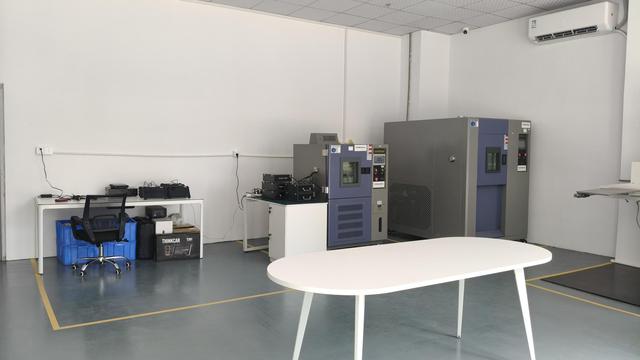
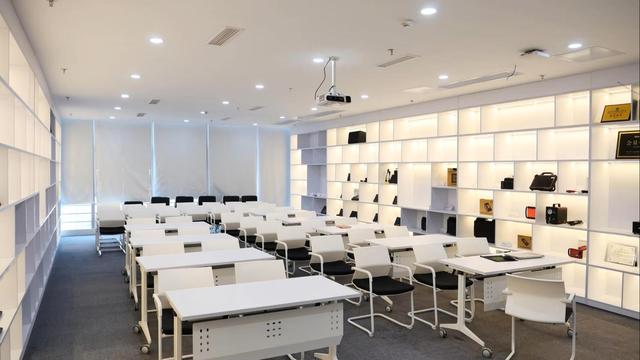
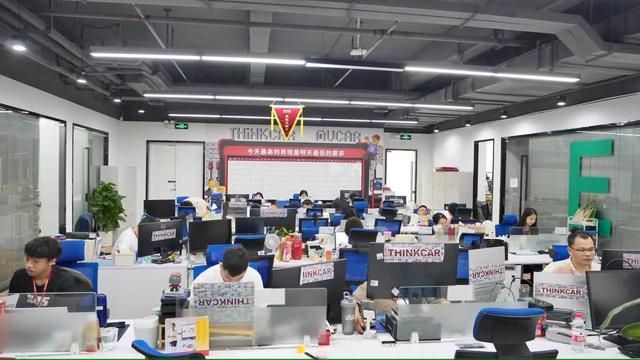
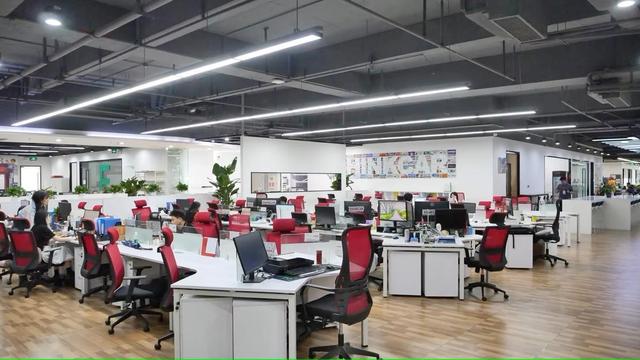
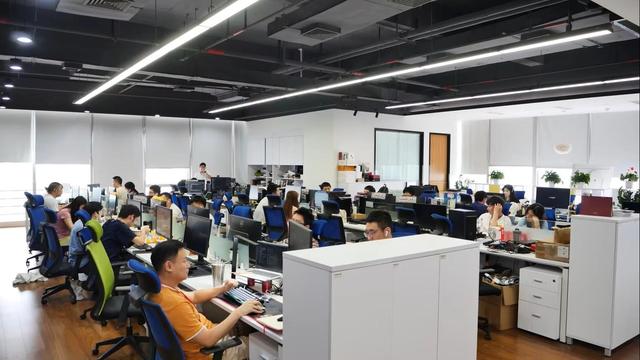
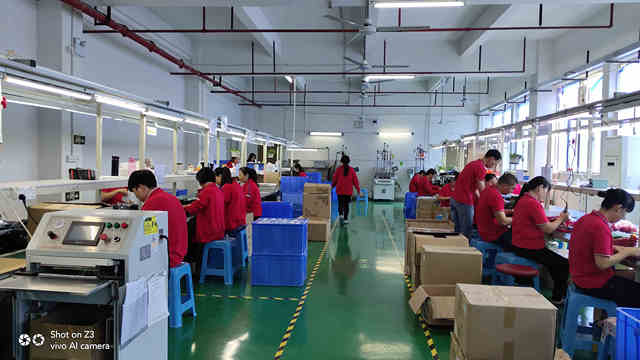
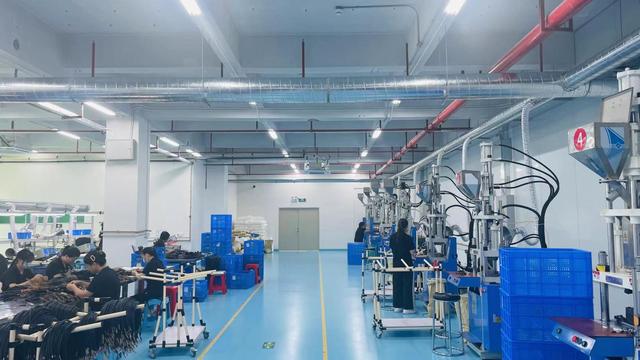
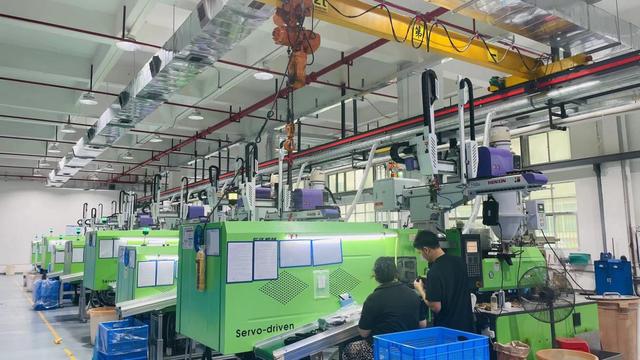
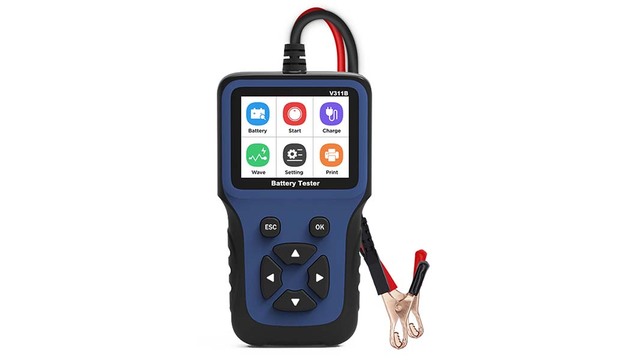
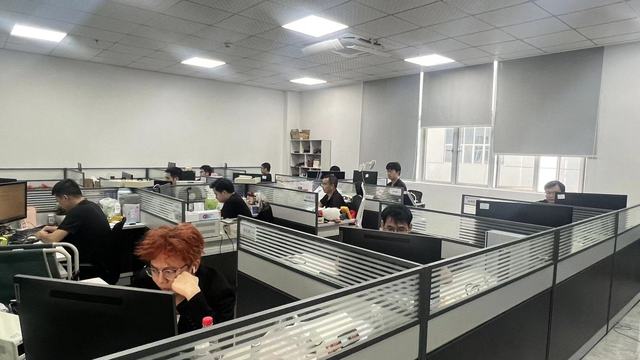
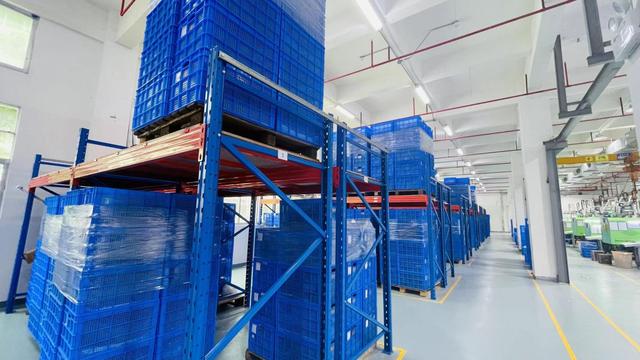
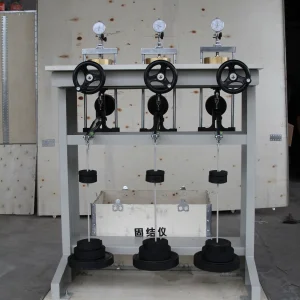
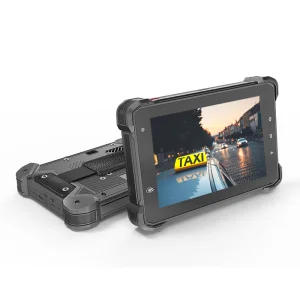
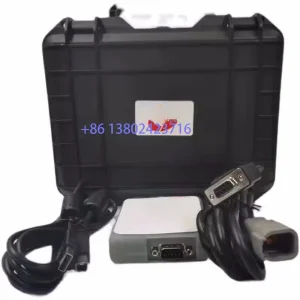
Enhance your automotive workshops and industrial projects with our high-grade testing equipment, hybrid power components, and data-logging solutions.
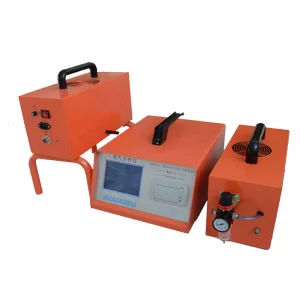
 Kore Auto