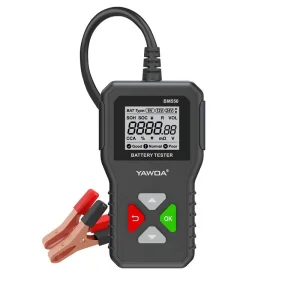
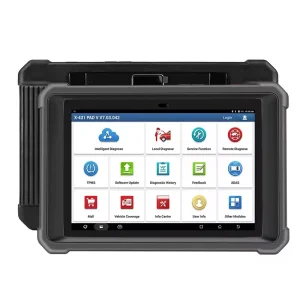
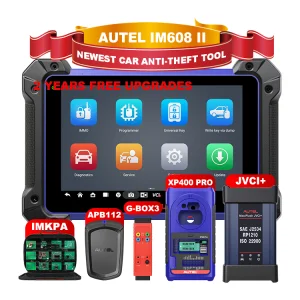
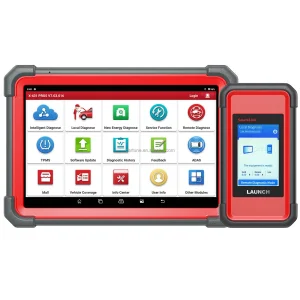
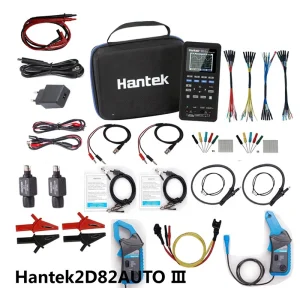
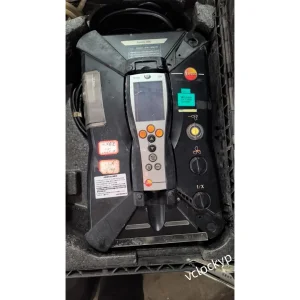
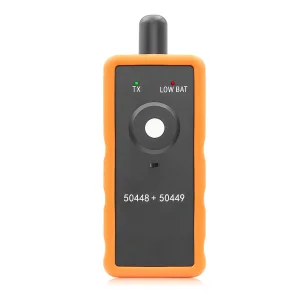
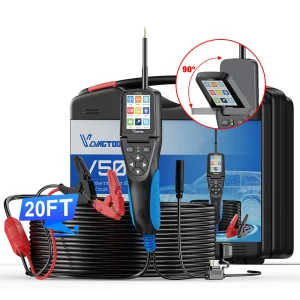
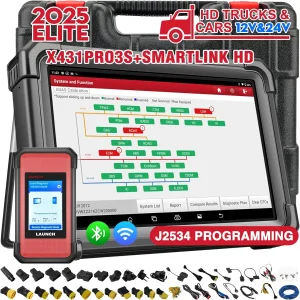
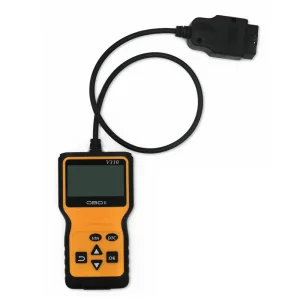
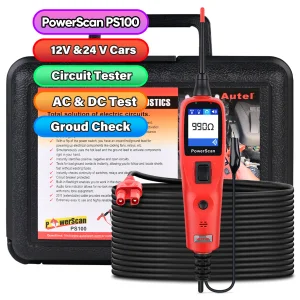
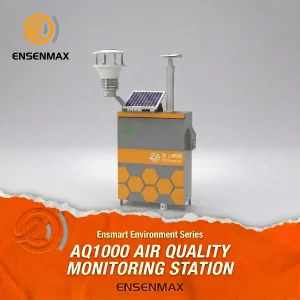
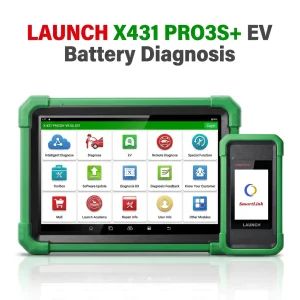
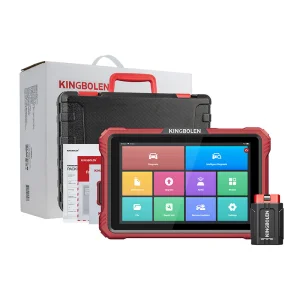
Explore our high-precision electronic diagnostic controllers, battery analyzers, and professional-grade multi-protocol tablet scanners.
The convergence of Advanced Driver Assistance Systems (ADAS), regenerative braking in Electric Vehicles (EVs), and drive-by-wire technologies has elevated the critical role of brake diagnostic systems globally.
Modern vehicle safety depends heavily on Electronic Stability Control (ESC), Anti-lock Braking Systems (ABS), and Electronic Parking Brakes (EPB). Standard fault-code readers no longer suffice for safety-critical maintenance. Modern garages and fleet operators need tools capable of direct valve actuation, system bleeding, and real-time pressure sensor calibration.
Global brands and hardware importers face strict regional compliance and localized workshop needs. By offering custom OBD2 communication protocols, unique casing designs, and branded diagnostic UI, our OEM/ODM partnership model helps clients build brand equity and secure regional distribution rights.
Next-generation automotive diagnostic systems require unified communication architecture. Systems must support old K-Line links alongside modern CAN-FD and DoIP (Diagnostic over IP) interfaces. This allows service technicians to bridge legacy ICE technology with modern high-voltage EV platforms.
Technical Insight: Complete brake bleeding procedures require active bidirectional control. The diagnostic system must cycle ABS solenoid valves and run the internal pump to purge trapped air. This operation is impossible without professional, direct ECU communication protocols integrated into the diagnostic hardware.
Shenzhen Kore Auto Co., Ltd. is a professional automotive diagnostic tools manufacturer specializing in the development, production, and global supply of advanced vehicle diagnostic solutions for the automotive aftermarket industry.
Driven by innovation, Shenzhen Kore Auto continuously invests in R&D to keep pace with the rapidly evolving automotive industry, including electric and connected vehicles. Our experienced engineering team develops cutting-edge diagnostic technologies featuring comprehensive vehicle coverage, fast data processing, intelligent fault analysis, wireless connectivity, and user-friendly software interfaces.
Quality and reliability are fundamental to our success. Every product is manufactured under strict quality control standards and undergoes rigorous testing procedures to ensure stable performance, accuracy, and durability in demanding workshop environments. We also provide flexible OEM and ODM services, helping customers develop customized automotive diagnostic products tailored to specific market requirements.
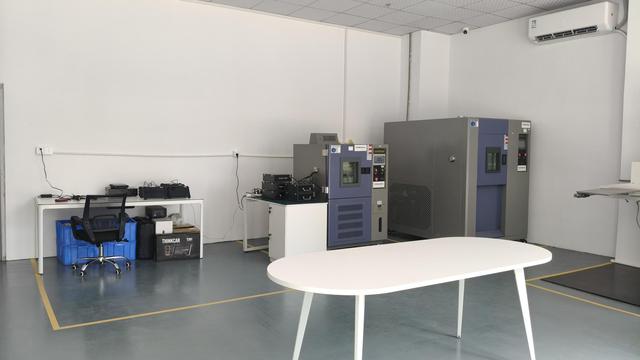
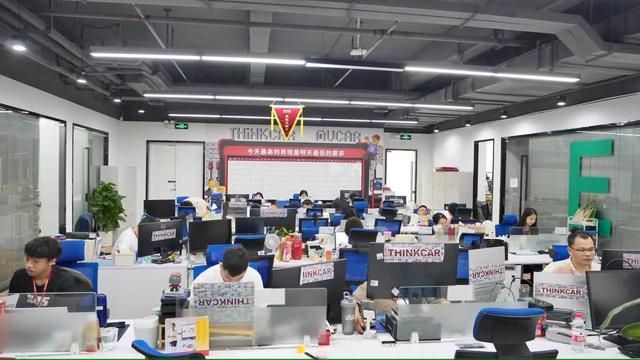
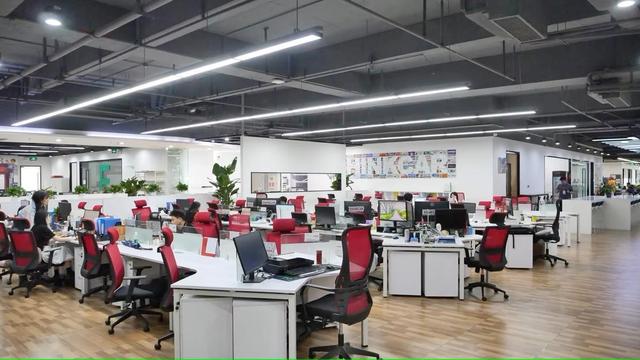
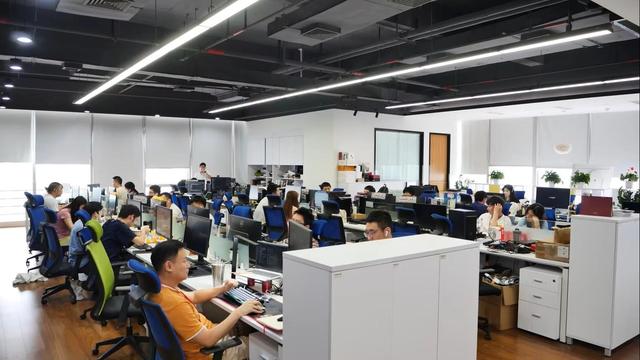
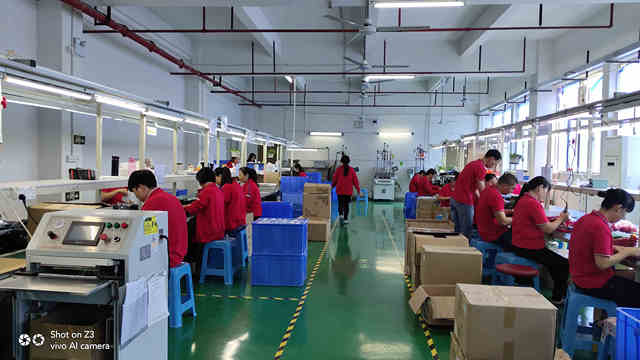
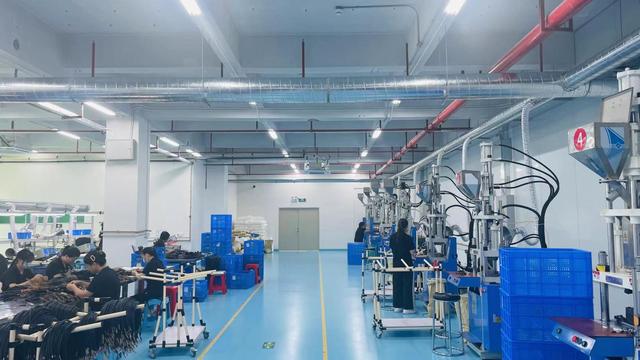
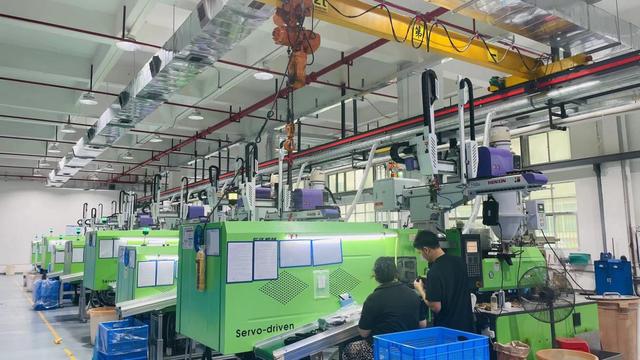
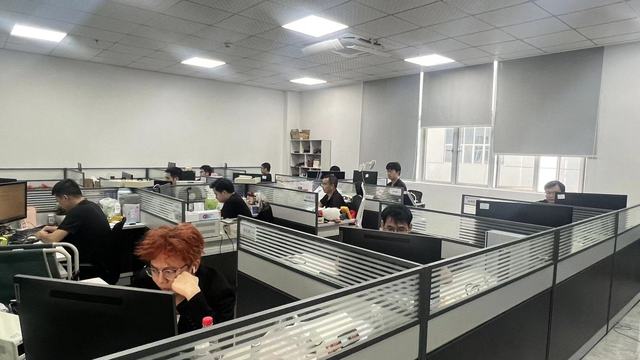
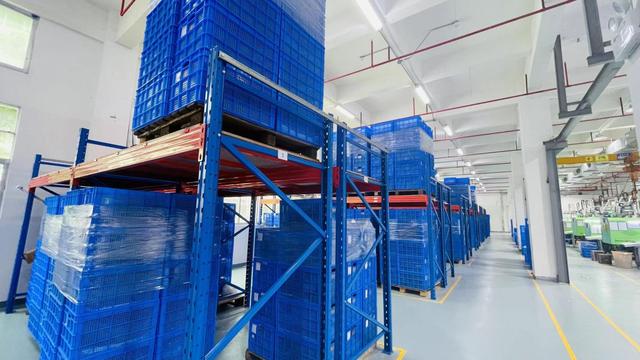
A tour of our manufacturing processes, including automatic SMT lines, final assembly, structural testing, and quality control.

As modern braking technology evolves from hydraulic pressure loops to intelligent, drive-by-wire electronic systems, diagnostic instrumentation must keep pace.
Standard CAN networks have reached their bandwidth limits. Our newer diagnostic interfaces feature CAN-FD (Flexible Data-rate) and DoIP protocols. This allows technicians to perform high-speed diagnostic routines and complete ECU reprogramming on complex, multi-layered vehicle networks.
Automobile manufacturers have introduced secure gateways to protect internal vehicle controls from unauthorized access. Our tools feature integrated license handshakes for FCA, Renault, and other major OEMs, enabling technicians to clear codes, reset EPB calipers, and calibrate steering angle sensors without diagnostic lockouts.
Electric vehicle diagnostics require co-managing friction braking systems and motor-generator deceleration profiles. Our ongoing technical roadmap ensures immediate access to hybrid and EV power control modules for safe bleeding, sensor adaptation, and torque blending configuration.
We configure firmware and hardware platforms to comply with regional diagnostic frameworks, providing global clients with certified, reliable operation.
Firmware translations extend beyond simple vocabulary swaps. Our engineering teams review technical terms to ensure translations match standard diagnostic vocabulary in Spanish, German, French, Italian, Russian, and Arabic.
All exported diagnostic tablets and interfaces carry full international compliance markers, including CE, FCC, RoHS, and WEEE. This ensures smooth customs clearance and compliant distribution across North American and European markets.
We work with regional technical representatives to resolve unique local system anomalies, provide diagnostic patches, and update vehicle database files via remote OTA update cycles.
Direct insights on technical applications, hardware integration, and the procurement details that support global distribution networks.
Electronic Parking Brake (EPB) systems rely on integrated electric motors to clamp the brake pads against the brake discs. Standard mechanical tools cannot retract these calipers without damaging the motor. An electronic diagnostic tool is required to communicate with the ECU and command the caliper to move into service mode. This allows technicians to change the brake pads safely and calibrate the system afterwards.
Our customization services cover both hardware and software. For hardware, we can custom-mold casings, print brand logos, and build custom connector pinouts. For software, we can customize UI themes, integrate proprietary vehicle databases, and support custom security handshakes. This enables importers and distributors to launch localized, proprietary solutions in their target markets.
Our manufacturing plants use a multi-step quality control process. We run automatic optical inspection (AOI) on all PCB components, perform specialized aging tests under varying temperatures, and run simulation checks on the physical OBD interfaces. Every batch is certified to meet CE, FCC, and RoHS standards before final shipping packaging is approved.
Modern vehicles process massive volumes of sensor and system data. Standard CAN networks are too slow to transmit complex diagnostic data from multiple subsystems at once. CAN-FD provides higher bandwidth and faster data rates, while DoIP (Diagnostic over IP) enables fast data transmission over Ethernet channels. These protocols are essential for scanning modern vehicles and performing safe ECU calibrations without connection timeouts.
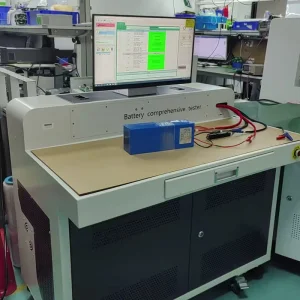
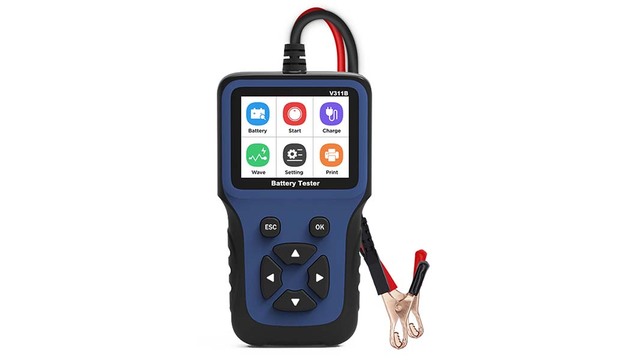
Our comprehensive portfolio includes advanced circuit probes, emissions analyzers, EV battery pack testers, and heavy-duty truck diagnostics.
 Kore Auto