Explore our core engineering catalog featuring advanced vehicle diagnostic platforms, OBD scanner tools, and immobilizer program hardware.
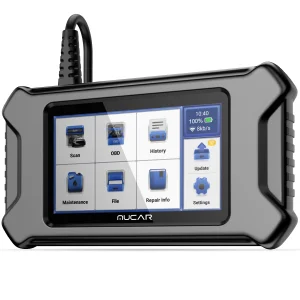
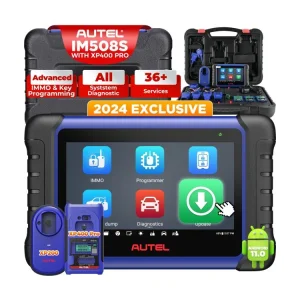
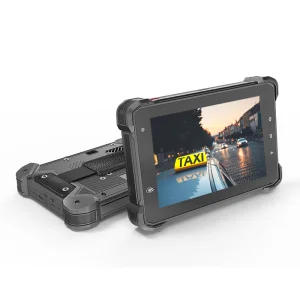
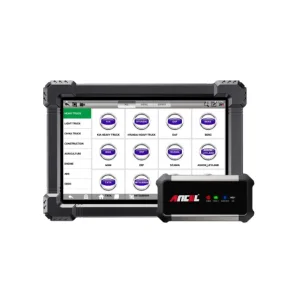
The global automotive security and diagnostic equipment market is undergoing a rapid, structural transformation. In the modern automotive ecosystem, vehicles are no longer merely mechanical machines; they are complex networks of Electronic Control Units (ECUs) communicating via high-speed data buses. Among these, the immobilizer and vehicle anti-theft systems represent one of the most critical sectors for aftermarket security specialists, fleet managers, and locksmith enterprises.
To program keys effectively in today’s landscape, standard OBDII generic diagnostics are insufficient. Locksmiths and repair facilities require advanced OEM/ODM Key Programming Tools capable of reading EEPROM data, computing security PIN codes, writing transponders directly, and performing dealer-level key matching. As automotive giants continue to update anti-theft protocols (such as Volkswagen's MQB/MLB platforms, BMW's FEM/BDC/CAS architectures, and Mercedes-Benz's FBS3/FBS4 schemes), tool developers must continuously update firmware and diagnostic protocols to support these high-security networks.
This technological escalation has driven global demand for reliable suppliers who can offer continuous protocol updates, hardware compatibility, and flexible customization (OEM/ODM). Modern distributors and procurement groups seek long-term partners capable of delivering custom hardware shells, localized application software, and high-quality mainboard components that withstand the daily rigors of dynamic workshop environments.
Capable of parsing dynamic challenge-response key protocols, cloning transponders, and calculating rolling codes across various vehicle makes.
Direct component-level programming to bypass OBD constraints when dealing with complex, "all-keys-lost" scenarios on high-end vehicles.
Utilizes ultra-fast cloud computing servers to resolve PIN codes and encryption matrices, saving technicians significant local processing time.
Shenzhen, China, has established itself as the global hub for electronic product design, hardware prototyping, and mass-scale system manufacturing. As the home to a highly integrated electronics supply chain, Shenzhen allows key programming tool manufacturers to rapidly iterate on designs, test chips, and deploy products ahead of global competitors. The absolute efficiency of China-based production facilities rests on three distinct pillars:
Unmatched Supply Chain Density: From microcontroller units (MCUs) to high-precision connectors, multilayer PCBs, and touch LCD panels, every component needed to manufacture a rugged, workshop-grade key programmer is sourced within a 50-kilometer radius. This proximity reduces development cycles from years to months, allowing manufacturers to integrate the latest vehicle communication protocols (like CAN-FD and DoIP) into retail-ready devices at a fraction of the cost of Western competitors.
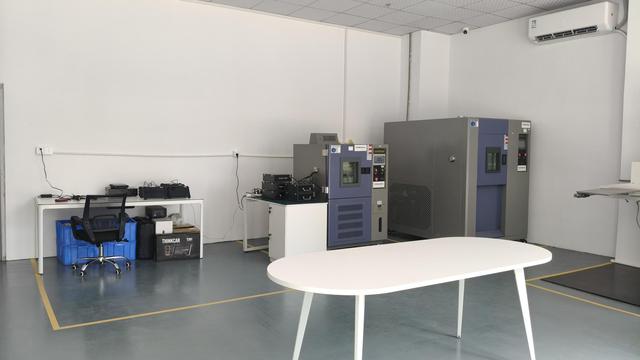
Advanced Quality Verification & Compliance: Operating a factory in Shenzhen requires adherence to robust international standards. Leading facilities maintain ISO9001 quality systems and subject every batch of key programmers to rigorous environment chamber testing, high/low-temperature aging, electrostatic discharge (ESD) mitigation, and continuous OBD connection socket cycling. This meticulous process ensures that technicians operating tools in severe winter conditions in Northern Europe or extreme desert heat in the Middle East experience zero physical and structural tool failures.
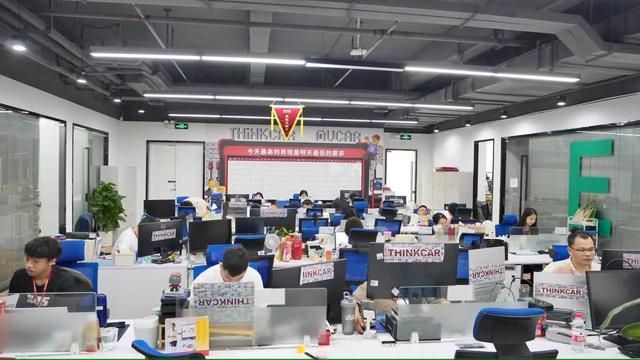
Agile R&D and Prototyping: The ability to write low-level hardware drivers, reverse-engineer proprietary vehicle bus lines, and design user interfaces in multiple languages requires specialized, multidisciplinary software and hardware engineers. Shenzhen hosts one of the largest concentrations of automotive software engineering talent globally, enabling rapid firmware updates that keep devices relevant in the face of constantly evolving vehicle security mechanisms.
A trusted China automotive diagnostic tools manufacturer delivering robust global diagnostic hardware.
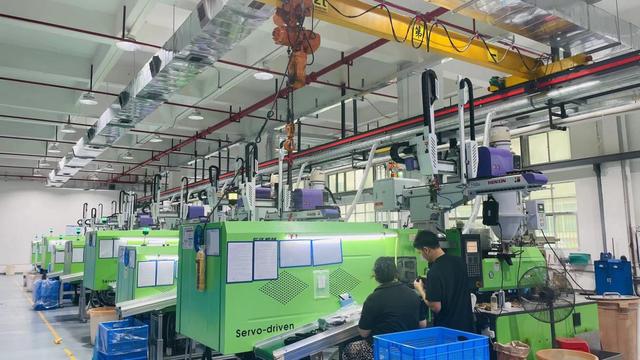
Shenzhen Kore Auto Co., Ltd. is a professional China automotive diagnostic tools manufacturer specializing in the development, production, and global supply of advanced vehicle diagnostic solutions for the automotive aftermarket industry. With extensive experience in automotive electronics and diagnostic technology, Kore Auto is committed to delivering intelligent, reliable, and high-performance diagnostic equipment to customers worldwide.
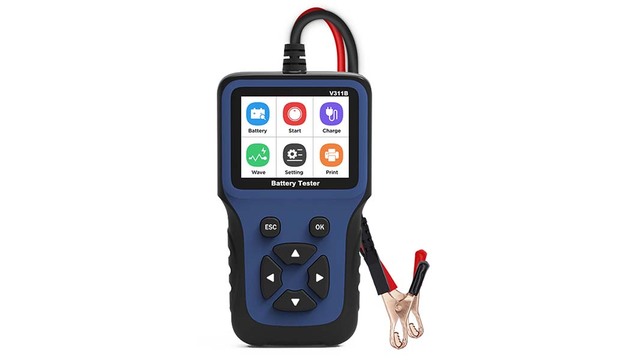
Our comprehensive product portfolio includes automotive diagnostic scanners, OBD diagnostic tools, ECU programming equipment, TPMS diagnostic systems, ADAS calibration equipment, battery testing devices, vehicle inspection systems, automotive oscilloscopes, remote diagnostic platforms, and customized diagnostic solutions. These products are widely used by automotive repair workshops, dealerships, fleet operators, vehicle inspection centers, and maintenance service providers.
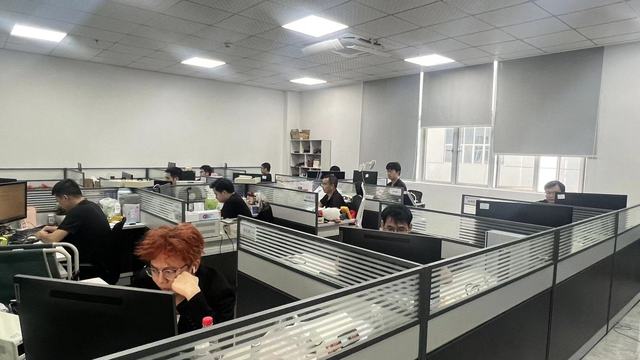
Driven by innovation, Shenzhen Kore Auto continuously invests in research and development to keep pace with the rapidly evolving automotive industry, including electric and connected vehicles. Our experienced engineering team develops cutting-edge diagnostic technologies featuring comprehensive vehicle coverage, fast data processing, intelligent fault analysis, wireless connectivity, and user-friendly software interfaces.
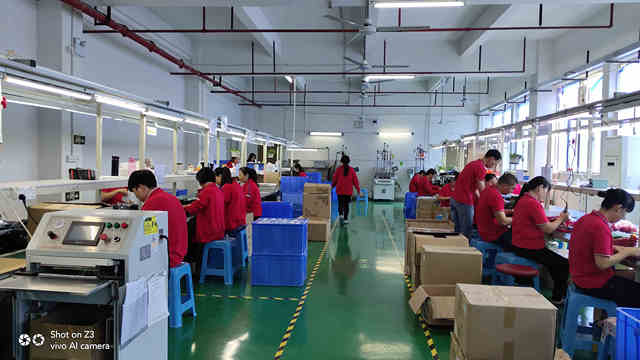
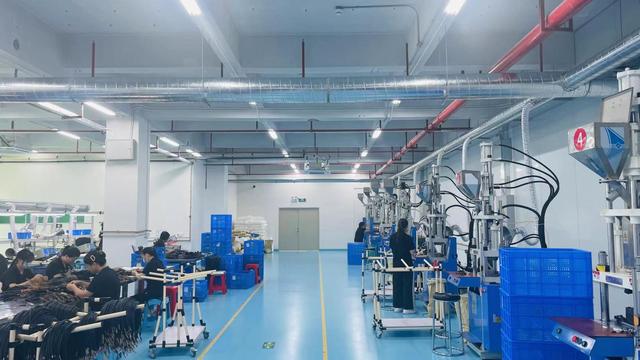
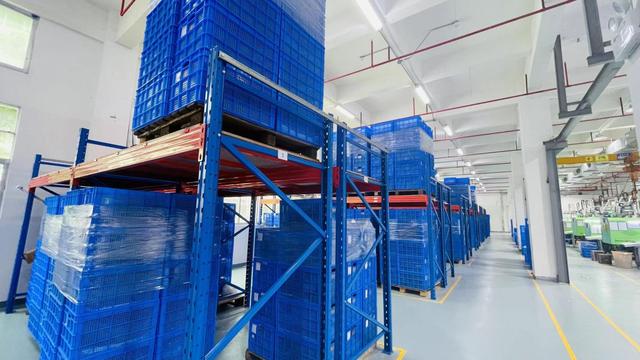
Quality and reliability are fundamental to our success. Every product is manufactured under strict quality control standards and undergoes rigorous testing procedures to ensure stable performance, accuracy, and durability in demanding workshop environments. We also provide flexible OEM and ODM services, helping customers develop customized automotive diagnostic products tailored to specific market requirements. Serving customers throughout Europe, North America, South America, Asia, the Middle East, and Africa, Shenzhen Kore Auto Co., Ltd. has established long-term partnerships with distributors, automotive service providers, and industry professionals worldwide.



A key programming or diagnostic tool's true utility is tested under real-world, unpredictable scenarios. To deliver unmatched Information Gain for global buyers, we analyze three specialized scenarios where custom OEM/ODM solutions become indispensable:
Scenario A: Emergency Locksmithing in Extreme Environments
Locksmiths frequently encounter vehicles stranded in remote locations, sub-zero winters, or hyper-humid coastal ports. Standard devices with consumer-grade batteries fail when temperatures drop below freezing, or their capacitive touchscreens fail when exposed to moisture. A ruggedized OEM/ODM tool built with an IP67 rating, an operating window from -20°C to 60°C, and physical shortcut buttons alongside the touch interface ensures uninterrupted system access. Additionally, the device requires offline transponder database storage because cellular connection is rarely reliable on distant roadsides.
Scenario B: Commercial Fleet Operators and Heavy-Duty DPF Maintenance
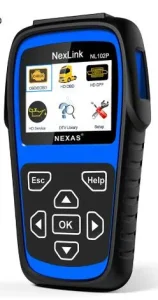
Freight lines and mining companies operate complex transport vehicles that incur thousands of dollars in losses for every hour of downtime. Standard car diagnostic readers are incompatible with heavy-duty diesel engines. Using dedicated heavy-duty truck scanners—such as the Nexas NL102P or ANCEL X7 HD—allows fleet operators to instantly perform DPF Regeneration, monitor oil pressure sensors, and perform battery analysis. Custom firmware allows fleet companies to lock down the interface, ensuring drivers can only run pre-defined safety checklists without tampering with ECU parameters.
Scenario C: Transitioning to High-Voltage Electric Vehicle (EV) Systems
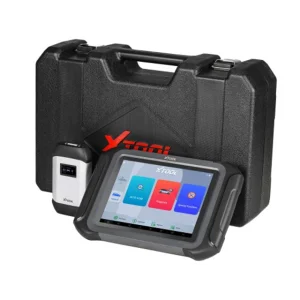
The rise of EV fleets (Tesla, BYD, and other platforms) introduces high-voltage battery architecture that presents severe electrocution risks to untrained mechanics. Traditional scanners lack the safety protocol logic and battery diagnostic maps required to manage these cars. Advanced units like the XTOOL D9EV allow technicians to isolate the high-voltage battery pack, diagnose cells safely, and check insulation resistance before physical intervention occurs, safeguarding both the vehicle's electrical system and the technician's life.
As we head towards the next decade, the technological trajectory of key programming and vehicle diagnosis is shifting toward three core trends:
2. remote Diagnostic Platforms (RDP): Rather than sending an expert to a remote location, tools equipped with J2534 pass-thru and web interfaces allow master technicians located thousands of miles away to diagnose, flash, and program a new key for a vehicle via an internet-connected OBD dongle. This democratizes expert repair knowledge and cuts down service travel costs.
3. Advanced ADAS and Sensor Calibration Integration: Replacing a windshield or repairing a fender bender now involves recalibrating forward-facing cameras, radar, and proximity sensors. Future diagnostic tools must integrate key programming, ECU tuning, and ADAS calibration routines into a single platform to maximize workshop productivity and guarantee all security systems are synced after key or part replacement.
Precision testing instruments and vehicle systems monitoring modules engineered for global distribution.
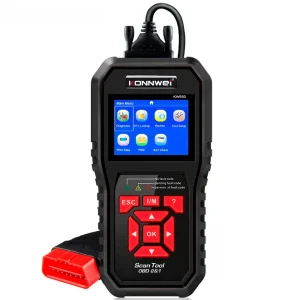

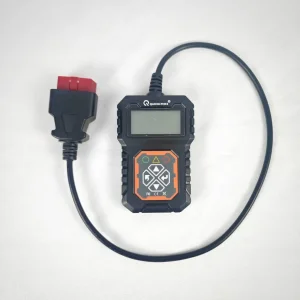
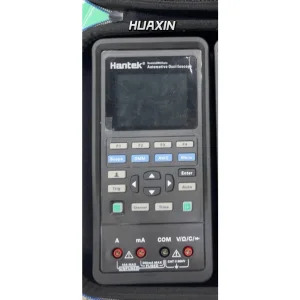
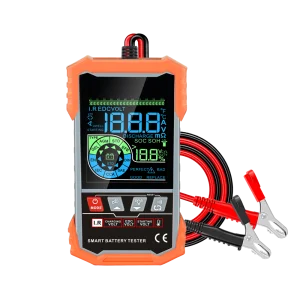
In-depth technical answers addressing security protocols, product development, and global logistics for trade buyers.
 Kore Auto