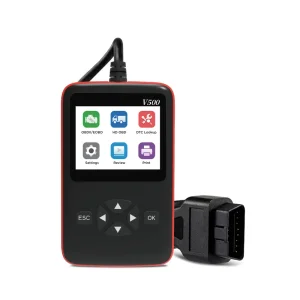
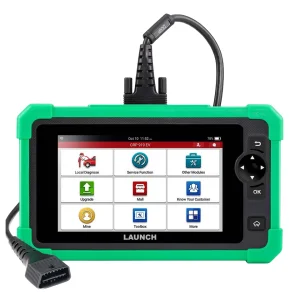
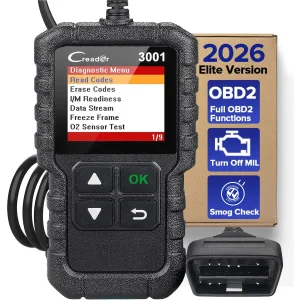
Explore our selection of smart measurement tools, power management systems, and vehicle inspection modules designed for modern operations.

Precision is the cornerstone of modern thermodynamic management. In automotive air conditioning, commercial refrigeration, and environmental cooling systems, R134a (1,1,1,2-Tetrafluoroethane) remains one of the most widely utilized hydrofluorocarbon (HFC) refrigerants. Charging systems with the correct weight of refrigerant is critical; undercharging results in decreased cooling capacity, high evaporator operating temperatures, and potential compressor damage due to lack of returned lubricant. Overcharging can lead to liquid slugging of the compressor, excessively high head pressures, and elevated power consumption. Precision digital R134a refrigerant scales are, therefore, a mandatory requirement for certified technicians globally.
China's manufacturing sector has evolved from generic component assembling to the global epicenter for precision electronic measurement tools. Advanced manufacturing facilities in industrial hubs like Shenzhen specialize in producing digital refrigerant scales featuring high capacity, fine resolution, and integration with modern wireless standard platforms. These technologies are developed in response to demanding regulatory directives, such as the EPA Section 608 compliance in the United States and the F-Gas Regulation in Europe, which mandate strict accountability for refrigerant mass transfer during servicing, recovery, and recharging procedures.
When sourcing digital scales for global industrial distribution networks, identifying core electro-mechanical parameters is vital. The table below delineates the comparative structural specifications of various industrial digital refrigerant scale models manufactured within China's specialized electronic clusters.
| Performance Specification | Standard Workshop Model | Heavy-Duty Industrial Model | IoT Smart Solenoid-Controlled Model |
|---|---|---|---|
| Load Capacity Range | 0 - 50 kg (110 lbs) | 0 - 100 kg (220 lbs) | 0 - 150 kg (330 lbs) |
| Measurement Resolution | ±5g / 0.1 oz | ±10g / 0.2 oz | ±2g / 0.05 oz |
| Overload Protection | 120% of maximum rating | 150% of maximum rating | 180% of maximum rating |
| Connectivity & Protocol | Wired Coiled Cord / LCD | Bluetooth 5.0 (BLE) / Mobile App | Wireless RF / WiFi Direct / cloud API |
| Flow Control Mechanisms | Manual valve tracking | Audible weight threshold alarms | Integrated High-Pressure Solenoid Shut-off Valve |
| Power Management | 9V Block Alkaline Battery | 4 x AA Alkaline (80+ hours life) | Rechargeable Lithium-ion (USB-C Fast Charge) |
China's manufacturing ecosystems provide a convergence of mechanical precision, high-efficiency electrical engineering, and rapid prototyping capabilities.
China's industrial zones boast access to advanced micro-machining ecosystems, producing highly stable strain gauges and load cells. These sensors undergo thermal cycling and precise geometric calibration to ensure negligible hysteresis, allowing the scale to register fractional changes in refrigerant mass despite heavy industrial wear.
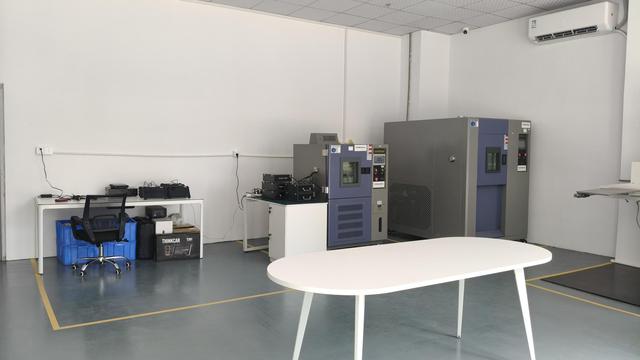
Top China factories implement testing environments to secure certifications required in North American and European markets. This includes CE, RoHS, WEEE, FCC Part 15, and compliance protocols matching NIST (National Institute of Standards and Technology) standards to ensure end-user confidence.
Factories offer extensive customization protocols. Global automotive tool brands and HVAC supply houses can customize structural designs, modify target firmware, adapt scale resolution steps, integrate specific communication protocols, and apply brand labeling without heavy overhead expenses.
Modern pressure-temperature controls, combined with legislative mandates to phase down high Global Warming Potential (GWP) gases, are reshaping tool design. Key advancements in this sector include:
Although optimized for R134a, modern scales must accommodate a shift toward transition fluids such as R1234yf, R410a, R32, and natural hydrocarbon refrigerants like R290. Advanced factories ensure materials—especially scale platforms, gaskets, and solenoid seals—are chemically inert to varied oil families (PAG, POE) and are intrinsically safe (explosion-proof design spark protection) for mildly flammable A2L or highly flammable A3 gases.
Sourcing agencies prefer smart systems with solenoid valves over basic weighing platforms. A technician enters the targeted recharge weight on a digital keypad or mobile app. The integrated system opens the valve to permit refrigerant flow and closes it instantly once the precise target weight is registered. This process minimizes gas venting and operator error.
Modern scales transmit weight, temperature, and tracking metrics to centralized workshop management software. Bluetooth-enabled scales log each cylinder transaction to document recovery amounts and simplify environmental reporting. This connectivity supports fleet management and helps businesses comply with strict carbon tracking regulations.
Precision refrigerant measurement is key across several core sectors:
By integrating advanced electronic analysis with physical servicing equipment, Shenzhen Kore Auto Co., Ltd. provides robust diagnostic and maintenance platforms for international markets.
Shenzhen Kore Auto Co., Ltd. is a professional China automotive diagnostic tools manufacturer specializing in the development, production, and global supply of advanced vehicle diagnostic solutions for the automotive aftermarket industry. With extensive experience in automotive electronics and diagnostic technology, Kore Auto is committed to delivering intelligent, reliable, and high-performance diagnostic equipment to customers worldwide.
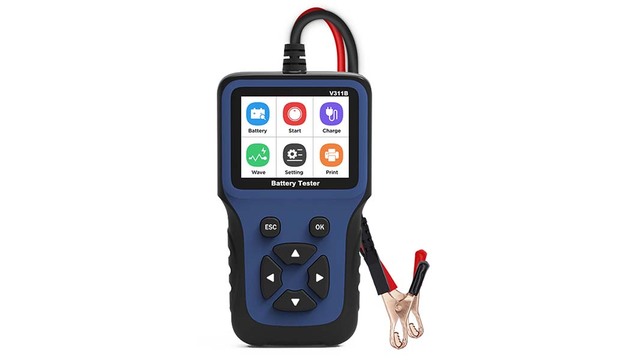
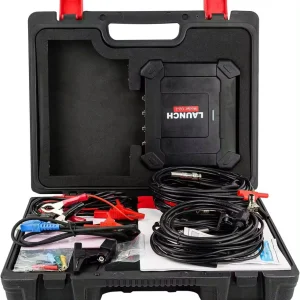
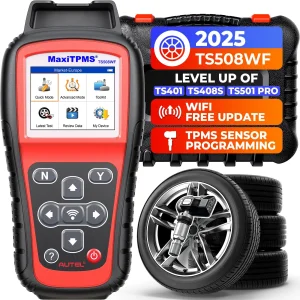
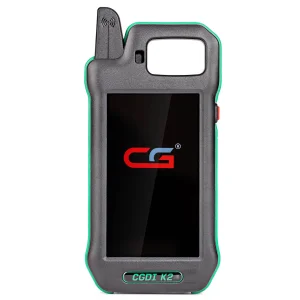
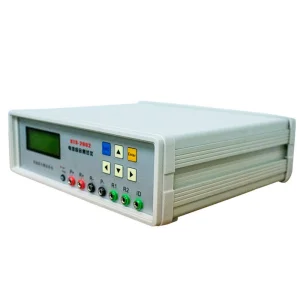
Our comprehensive product portfolio includes automotive diagnostic scanners, OBD diagnostic tools, ECU programming equipment, TPMS diagnostic systems, ADAS calibration equipment, battery testing devices, vehicle inspection systems, automotive oscilloscopes, remote diagnostic platforms, and customized diagnostic solutions. These products are widely used by automotive repair workshops, dealerships, fleet operators, vehicle inspection centers, and maintenance service providers.
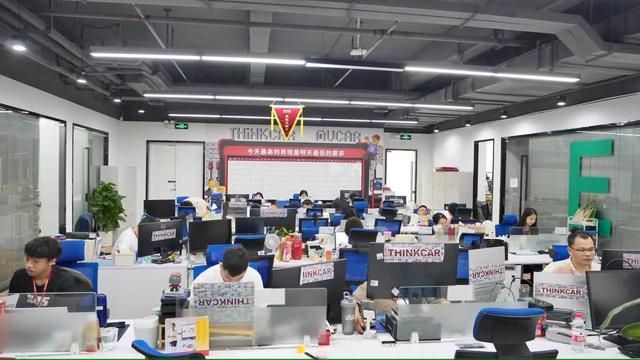
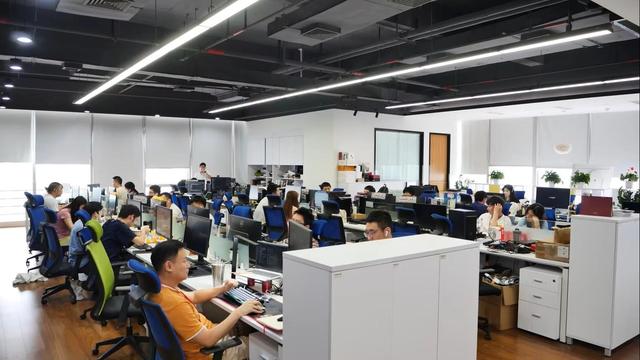
Driven by innovation, Shenzhen Kore Auto continuously invests in research and development to keep pace with the rapidly evolving automotive industry, including electric and connected vehicles. Our experienced engineering team develops cutting-edge diagnostic technologies featuring comprehensive vehicle coverage, fast data processing, intelligent fault analysis, wireless connectivity, and user-friendly software interfaces.
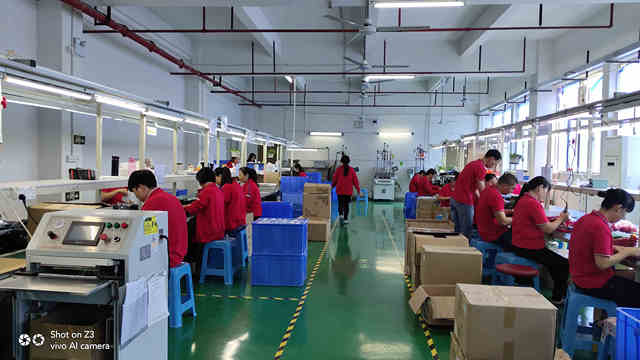
Quality and reliability are fundamental to our success. Every product is manufactured under strict quality control standards and undergoes rigorous testing procedures to ensure stable performance, accuracy, and durability in demanding workshop environments. We also provide flexible OEM and ODM services, helping customers develop customized automotive diagnostic products tailored to specific market requirements.
Serving customers throughout Europe, North America, South America, Asia, the Middle East, and Africa, Shenzhen Kore Auto Co., Ltd. has established long-term partnerships with distributors, automotive service providers, and industry professionals worldwide.
Take an inside look at our advanced manufacturing lines, quality control testing environments, and electronic calibration centers.


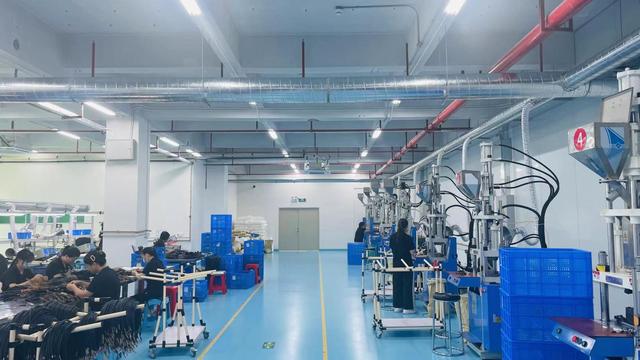
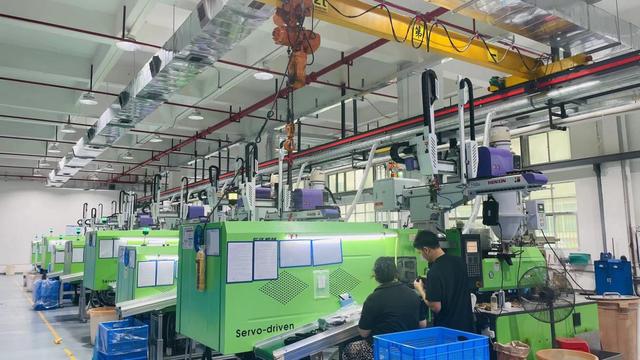
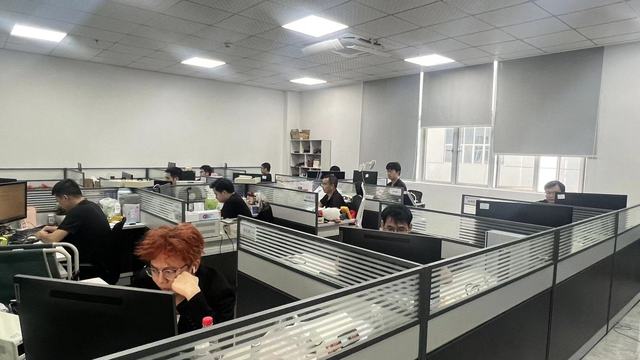
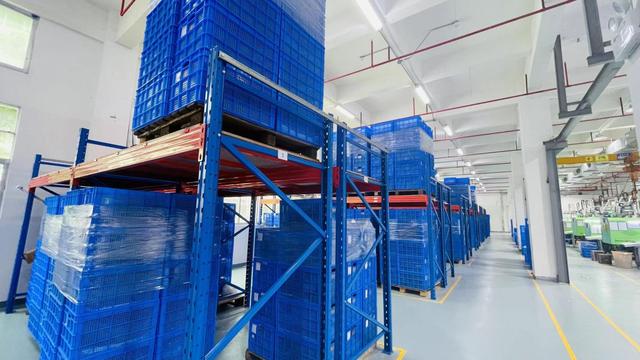
For international purchasing officers and industrial distributors, establishing a reliable supply chain requires careful evaluation of production standards.
Ensure your factory supplier provides a Certificate of Calibration traceable to international standards (such as NIST or equivalent ISO/IEC 17025 accredited labs). Scales must maintain consistent performance over long periods, with drift rates within ±0.02% of the total capacity per year.
Refrigerant cylinders are frequently dropped onto scale platforms during fast-paced workshop tasks. Platforms built with heavy-duty cast aluminum structures, non-slip rubber pads, and thick-walled plastic enclosures provide the necessary mechanical protection for long-term use.
Outdoor services expose scales to dust, rain, and spilled lubricants. Sourcing models with an IP65 protection rating safeguards the internal load cell and electronics from moisture and dirt, preventing premature failure in the field.
Answers to common questions regarding technical features, calibration, and procurement options for digital scales.
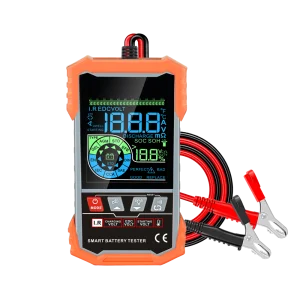
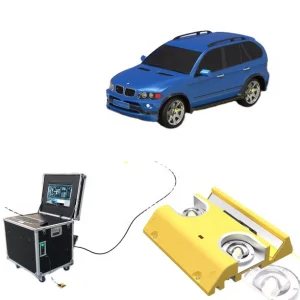
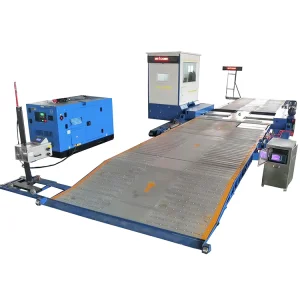
Discover our range of advanced oscilloscopes, battery management platforms, and vehicle scanners designed to support modern workshop requirements.
 Kore Auto