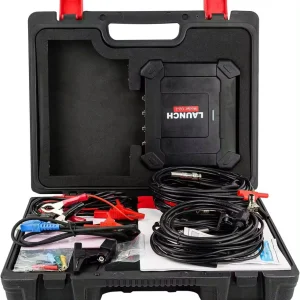
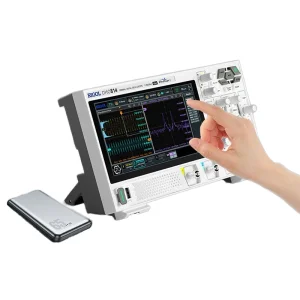
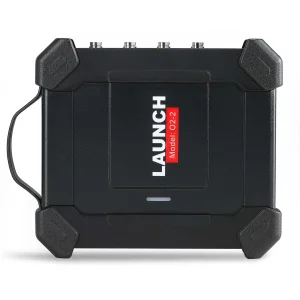
Highly sensitive oscilloscopes configured for the rigorous requirements of Northern California's tech-forward automotive repair & fleet management environments.
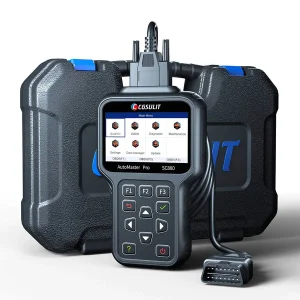
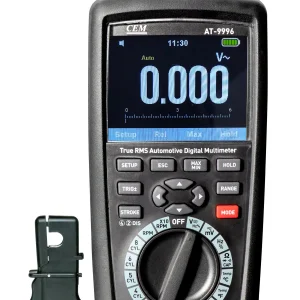
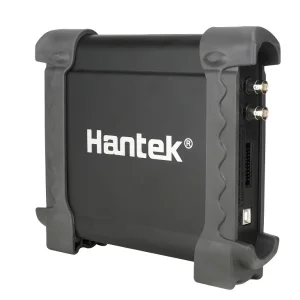
San Francisco, Silicon Valley, and the broader Bay Area stand at the global epicenter of transportation electrification and autonomous vehicle (AV) deployment. As local fleets transition from internal combustion engines (ICE) to sophisticated electric vehicle (EV) architectures and level-4 autonomous driving systems, the diagnostic paradigms have shifted fundamentally.
Standard OBD-II code readers are no longer sufficient to troubleshoot transient network glitches, high-speed CAN FD communications, LIN protocol mismatches, or the micro-second signal drops within complex LiDAR/Radar sensor arrays. Today’s automotive technicians in San Francisco require high-bandwidth, high-sampling-rate oscilloscopes to visualize signal integrity directly at the physical layer.
Our tailored diagnostic solutions enable engineers and master technicians to diagnose EV motor control units (MCUs), battery management system (BMS) logic boards, and autonomous sensor telemetry. By mapping real-time waveforms, local repair facilities drastically reduce vehicle diagnostic times, avoiding costly guesswork on expensive controller modules.
Engineered to meet international industrial standards and optimized for Bay Area advanced engineering teams.
Modern vehicles contain dozens of Electronic Control Units (ECUs) exchanging data millions of times per second. When a communication fault occurs, the typical diagnostic workflow involves reading diagnostic trouble codes (DTCs). However, a DTC like "U0100 - Lost Communication with ECM" only identifies the symptom, not the root cause. The failure could stem from electromagnetic interference (EMI), a damaged connector pin, a short-circuit, or signal attenuation caused by incorrect wiring impedance.
By employing an automotive digital storage oscilloscope (DSO), technicians transition from simple code-reading to real-time physical layer inspection. They can monitor key diagnostic metrics:
As vehicle automation climbs to Level 3 and Level 4, the bandwidth of traditional CAN buses (up to 1 Mbps) becomes a bottleneck. The industry has rapidly pivoted to CAN FD (Flexible Data-rate, up to 5 Mbps) and Automotive Ethernet (100BASE-T1/1000BASE-T1). Standard diagnostic tools lack the resolution to monitor these high-frequency channels.
Our automotive oscilloscopes feature dedicated, high-speed input channels with specialized digital filtering. This ensures that high-speed communication signals are displayed without attenuation, allowing technicians to verify eye diagrams, signal rise times, and bus termination values with absolute precision.
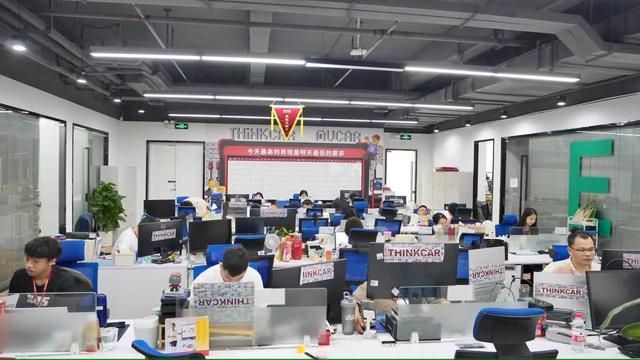
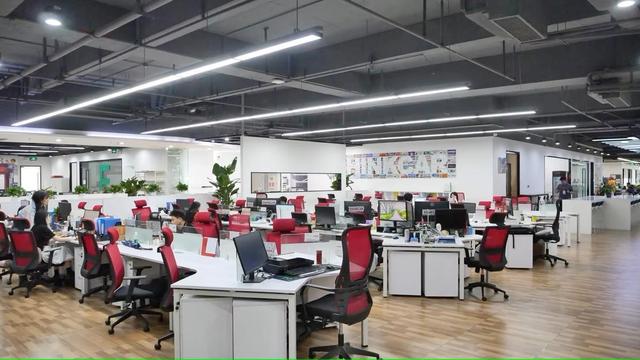
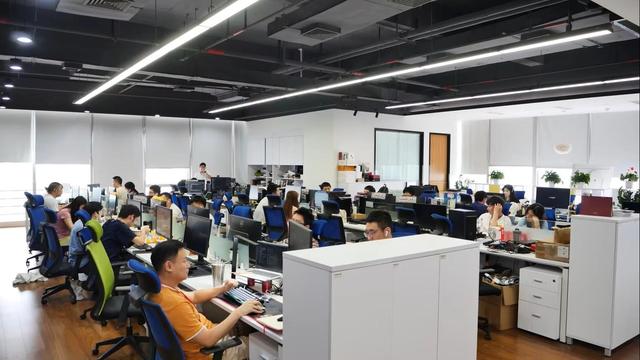
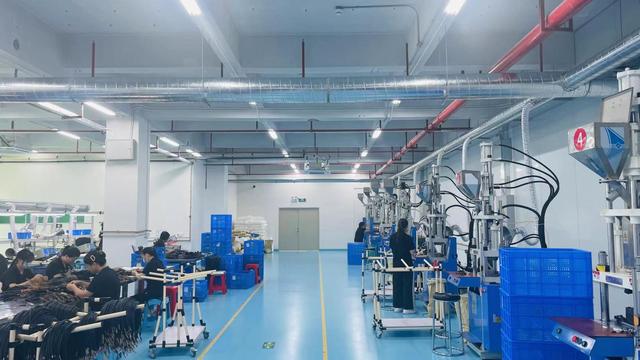
Shenzhen Kore Auto Co., Ltd. is a professional China automotive diagnostic tools manufacturer specializing in the development, production, and global supply of advanced vehicle diagnostic solutions for the automotive aftermarket industry. With extensive experience in automotive electronics and diagnostic technology, Kore Auto is committed to delivering intelligent, reliable, and high-performance diagnostic equipment to customers worldwide.
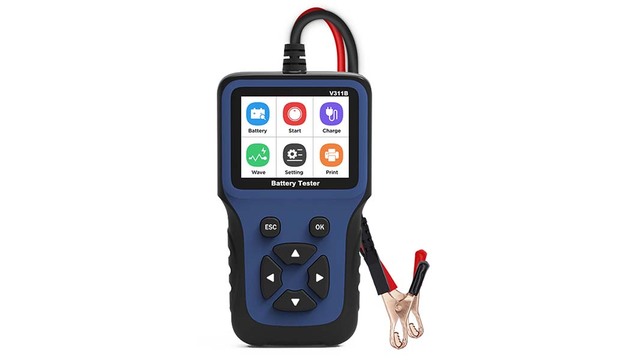
Our comprehensive product portfolio includes automotive diagnostic scanners, OBD diagnostic tools, ECU programming equipment, TPMS diagnostic systems, ADAS calibration equipment, battery testing devices, vehicle inspection systems, automotive oscilloscopes, remote diagnostic platforms, and customized diagnostic solutions. These products are widely used by automotive repair workshops, dealerships, fleet operators, vehicle inspection centers, and maintenance service providers.
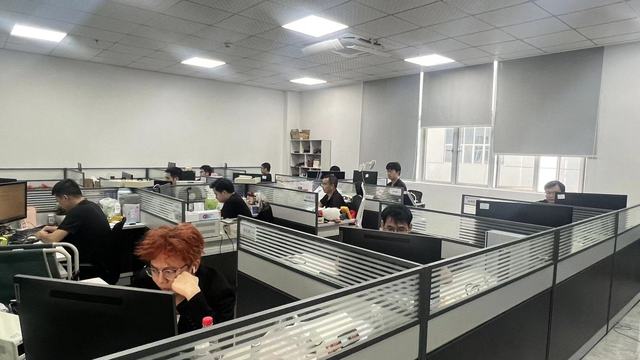
Driven by innovation, Shenzhen Kore Auto continuously invests in research and development to keep pace with the rapidly evolving automotive industry, including electric and connected vehicles. Our experienced engineering team develops cutting-edge diagnostic technologies featuring comprehensive vehicle coverage, fast data processing, intelligent fault analysis, wireless connectivity, and user-friendly software interfaces.
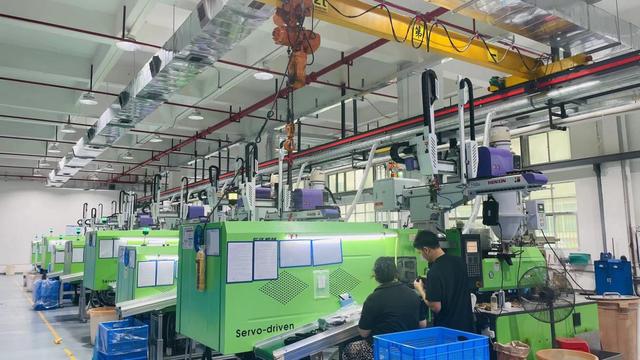
By leveraging our strategic headquarters in Shenzhen, China's Silicon Valley, we enjoy immediate access to top-tier semiconductor components, advanced manufacturing facilities, and rapid R&D iteration cycles. This geographical advantage allows us to deliver high-specification automotive oscilloscopes to the San Francisco market at a fraction of the cost of legacy domestic brands, without compromising on component quality or measurement accuracy.
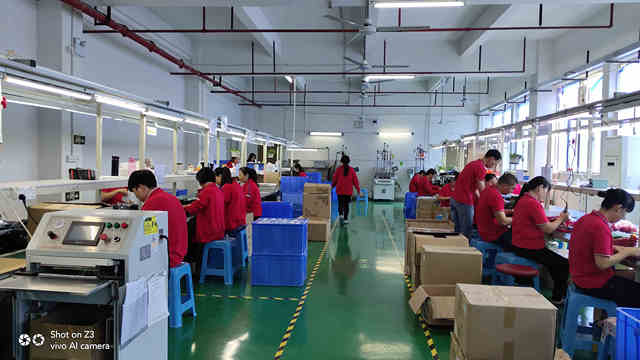
All products undergo strict QA testing—ranging from vibration resistance to thermal profiling—to guarantee stable operation in tough garage environments. Additionally, our direct relationship with shipping lanes to the Port of Oakland ensures reliable lead times and predictable logistics for large-scale enterprise rollouts.
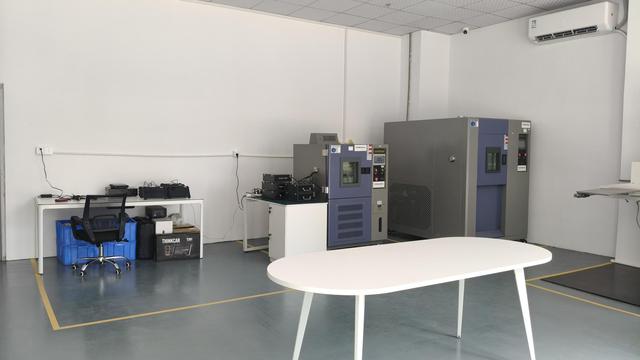
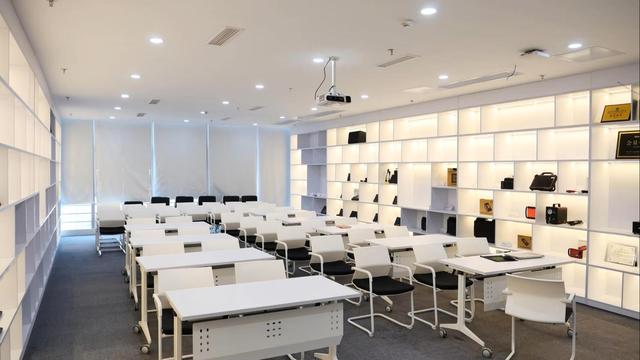
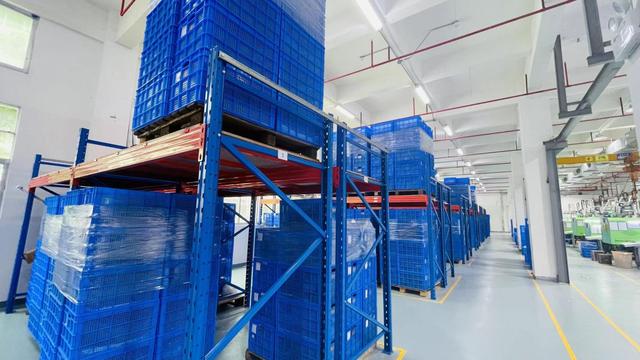
Understanding the unique regulatory ecosystem of Northern California, from CARB emissions to BAR shop safety guidelines.
California BAR (Bureau of Automotive Repair) requires absolute accuracy during emission diagnostic inspections. Our oscilloscopes assist in verification of primary and secondary ignition performance, O2 sensor responses, and EVAP solenoid duty cycles, ensuring alignment with CARB requirements.
Every diagnostic scanner and oscilloscope manufactured by Kore Auto conforms to strict EMI/EMC compliance guidelines. We ensure our devices do not radiate destructive radio frequencies or suffer from external noise interference in crowded repair environments.
We extend comprehensive warranties, real-time remote engineering assistance, and software updates to our distribution partners in North America. We minimize downtime by facilitating rapid hardware replacements from local logistics hubs.
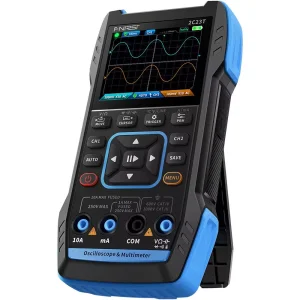
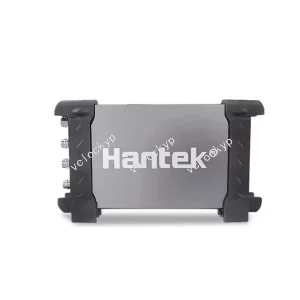
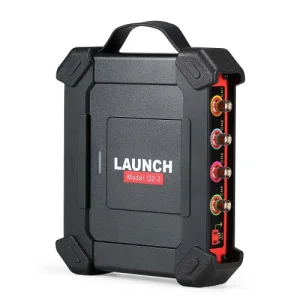
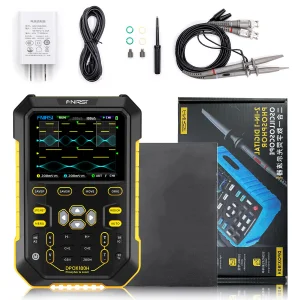
Select from our extensive product portfolio, featuring dual-channel, four-channel, and tablet-integrated oscilloscopes built for rugged garage use.
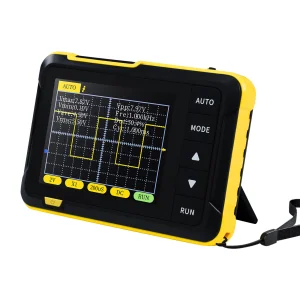
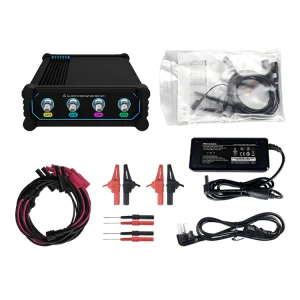
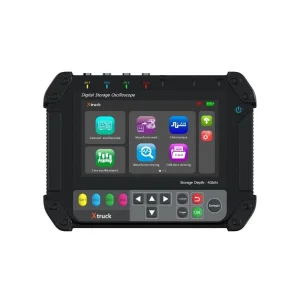
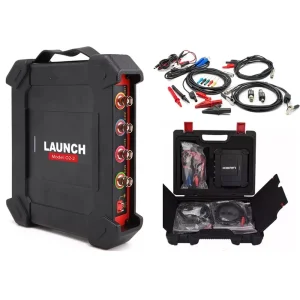
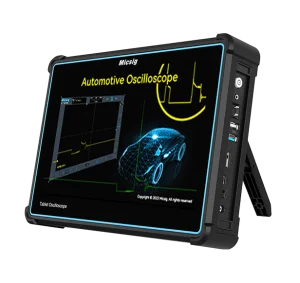
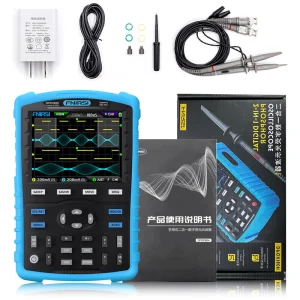
Find expert answers to common queries regarding specifications, application limits, and regional compliance.
An OBD2 scanner relies on the onboard computer to detect and log errors, which are often reported late or fail to capture transient anomalies. A 4-channel oscilloscope allows technicians to probe raw copper connections directly, displaying exact voltage over time. This enables live timing analysis of sensor-to-sensor synchronization (e.g., crank/cam correlation) and isolation of intermittent network dropouts on the physical bus lines before they trigger a DTC.
Yes. CAN FD features variable bit rates up to 5 Mbps (or higher under specific industrial implementations), which is significantly faster than standard CAN (1 Mbps). To diagnostic troubleshooting on CAN FD networks, an oscilloscope needs a bandwidth of at least 100 MHz and a high sampling rate to accurately render edge transitions without distortion. Low-bandwidth scopes will smooth out the waveforms, making it impossible to diagnose impedance issues or bus reflections.
We maintain strict adherence to ISO 9001 quality systems. Every oscilloscope is assembled in our ESD-safe cleanrooms in Shenzhen and subjected to high-temperature burn-in tests, physical vibration simulations, and firmware integrity scans. This ensures they survive the rugged conditions of high-volume automotive repair shops and mobile diagnostics across California.
Standard oscilloscope inputs and probes are typically limited to low voltages. To diagnose traction inverter gate drives, DC-DC converter signals, or high-voltage lines, technicians must use certified active high-voltage differential probes (such as those rated for CAT III 1000V or CAT IV 600V). Never connect standard ground clips directly to high-voltage chassis potentials as it can damage the instrument and pose a lethal shock hazard.
For wholesale orders, air cargo shipping from Shenzhen to San Francisco International Airport (SFO) typically takes 5 to 7 business days, including customs clearance. Bulk ocean freight shipments routed to the Port of Oakland have an average transit time of 18 to 25 days depending on carrier schedules and port congestion.
Whether you are an independent shop specializing in hybrid vehicles, an EV fleet administrator, or an electronics equipment distributor, our engineers are ready to build a customized hardware package for your business.
 Kore Auto