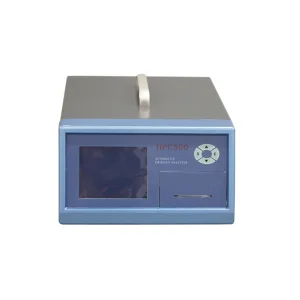
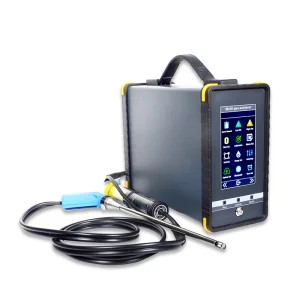
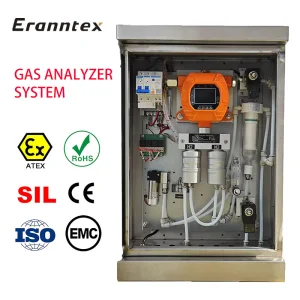
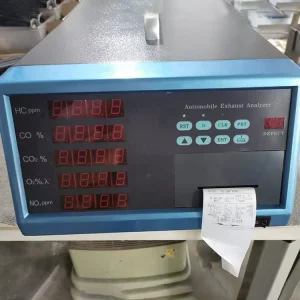
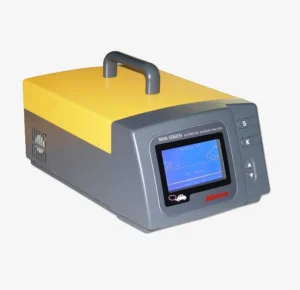
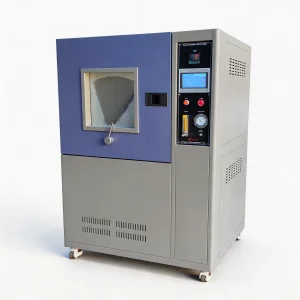
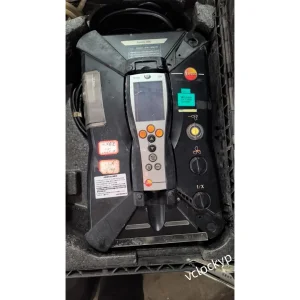
Flagship instrumentation engineered for harsh Middle Eastern climates and strict SASO standards.
Under the visionary leadership of Saudi Vision 2030 and the ambitious directives of the Saudi Green Initiative (SGI), the Kingdom of Saudi Arabia is undergoing a historic ecological transformation. Governed strictly by the National Center for Environmental Compliance (NCEC), the regulatory environment has transitioned from voluntary alignment to rigorous enforcement of industrial and automotive emission limits. These laws are designed to reduce carbon emissions by more than 278 million tons per annum (mtpa) and implement state-of-the-art technological infrastructures in major commercial zones, municipal centers, and manufacturing corridors.
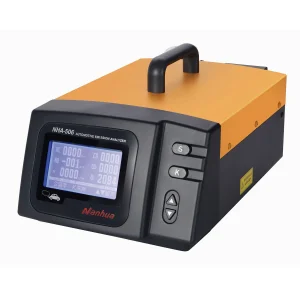
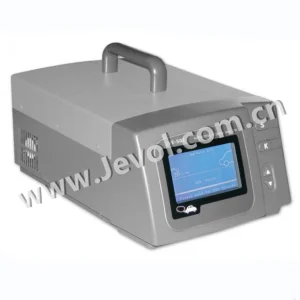
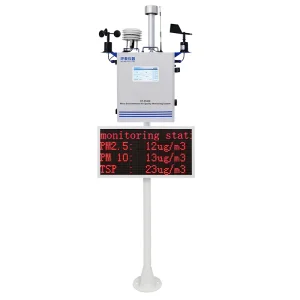
Industrial sectors operating in key regions such as Jubail Industrial City, Yanbu Industrial City, Riyadh, and Jeddah are now mandated to deploy automated, high-precision Continuous Emission Monitoring Systems (CEMS). These systems track critical pollutants, including sulfur dioxide (SO₂), nitrogen oxides (NOx), particulate matter (PM2.5/PM10), and carbon monoxide (CO). Simultaneously, the Saudi Ministry of Interior and SASO (Saudi Standards, Metrology and Quality Organization) have updated the rules for Motor Vehicle Periodic Inspection (MVPI), mandating advanced, digital automotive exhaust gas analyzers to guarantee heavy-duty diesel and passenger petrol vehicles comply with Euro 5 and Euro 6 emission standards.
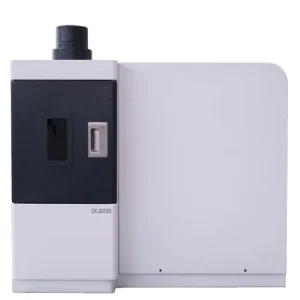
The global emission testing equipment market is experiencing exponential growth, driven by aggressive decarbonization campaigns and strict compliance protocols. Currently, the market is shifting from periodic manual inspection to real-time, cloud-connected data monitoring. This trend is characterized by the adoption of optical gas spectrometers, non-dispersive infrared (NDIR) detection, and high-frequency flame ionization detectors (FID) that can feed data directly to regulatory databases.
Global systems demand integrated IoT models that feed data directly to regulatory bodies. This reduces manual manipulation and streamlines compliance certifications.
Equipment deployed in Saudi deserts requires IP5X and IP6X ratings. Heavy-duty sand filters protect delicate optics from fine silica particles.
Businesses minimize operational downtime by using dual-purpose analyzers that perform both preventative maintenance and legal emissions reporting.
Locally, Saudi Arabia’s unique climatic conditions present distinct challenges. Instruments must operate reliably in ambient temperatures exceeding 50°C and survive intense sandstorms. Consequently, there is an increasing demand for domestic distributors and reliable overseas exporters that provide tropicalized, ruggedized variations of standard emission instruments. Systems that lack built-in active cooling elements or multi-stage dust filtration quickly suffer calibration drift and sensor failure, highlighting the importance of robust manufacturing standards.
To successfully integrate emission detection instruments within the Saudi industrial framework, equipment exporters must target specific industrial nodes and commercial workflows:
"Localization is not just about translating software interfaces to Arabic; it is about engineering hardware to withstand the physical realities of the Arabian Desert, ensuring reliable operations without frequent field visits."
The emission monitoring sector is transitioning toward predictive analytics. By merging sensor arrays with Artificial Intelligence (AI) algorithms, modern installations can forecast emissions profiles based on combustion loads and fuel qualities. Key technological milestones include:
For large-scale Saudi manufacturing and municipal enterprises, single-instrument solutions are rarely sufficient. We offer comprehensive, integrated packages that include engineering design, SASO-compliance verification, and field integration:
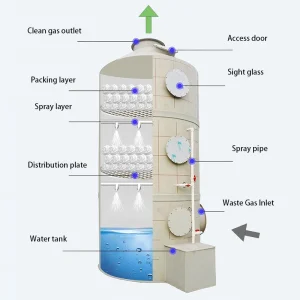
These turnkey packages combine wet scrubber gas systems, continuous dust collectors, and online multi-gas analytical cabinets. They allow operators to treat exhaust streams before releasing them into the atmosphere, ensuring compliance with NCEC guidelines.
Essential answers for procurement officers and environmental compliance managers in Saudi Arabia.
Explore our full line of gas analyzers, oil spectrometers, and environmental test chambers.
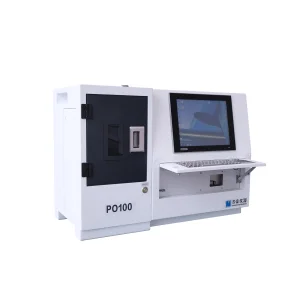
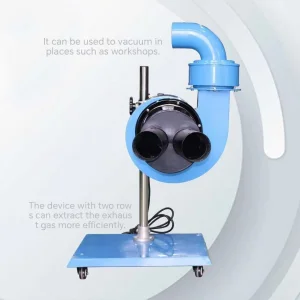
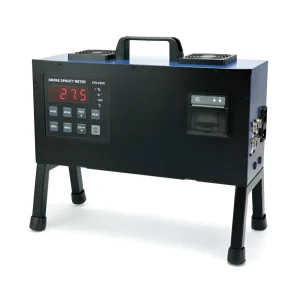
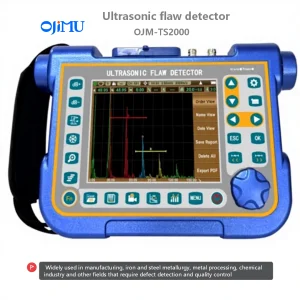
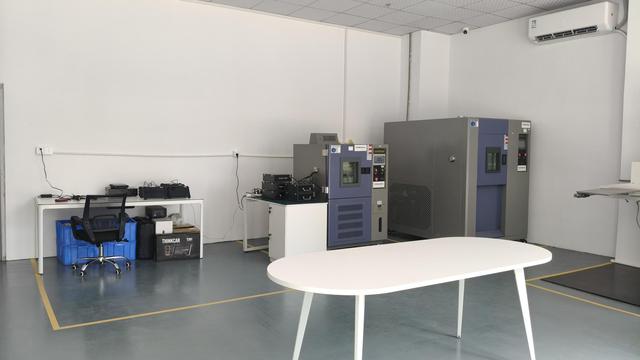
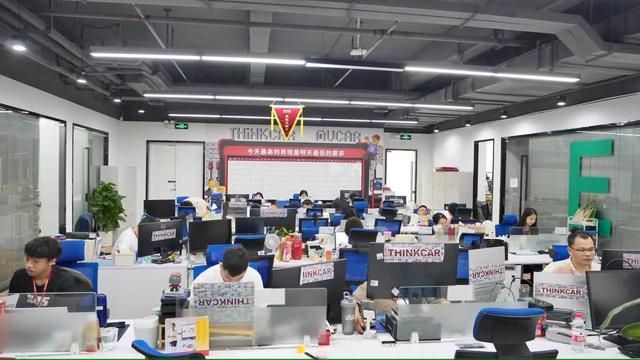
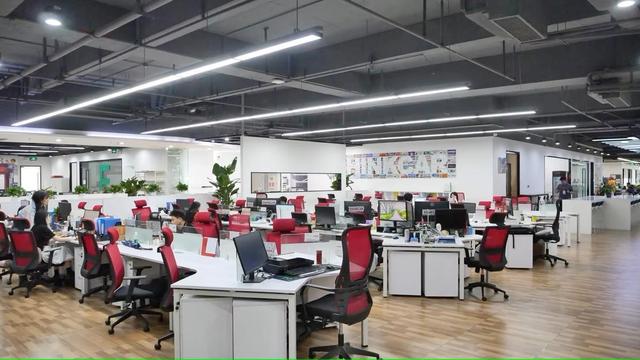
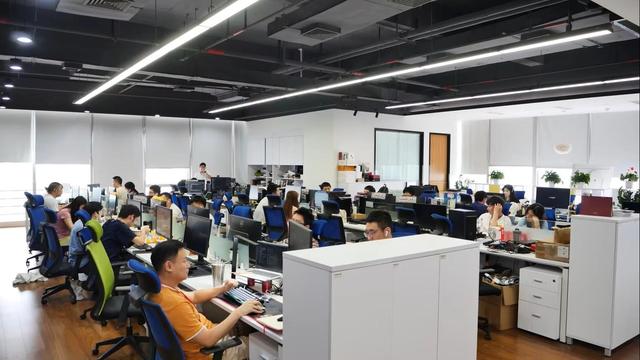
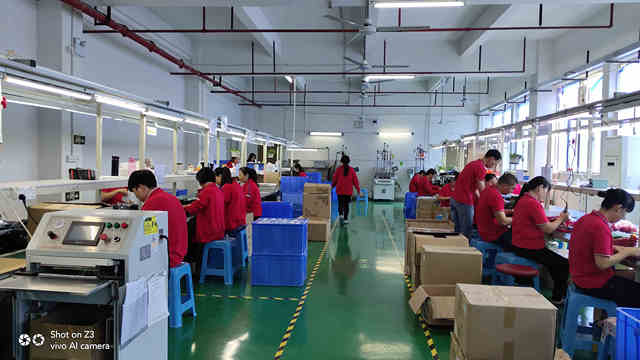
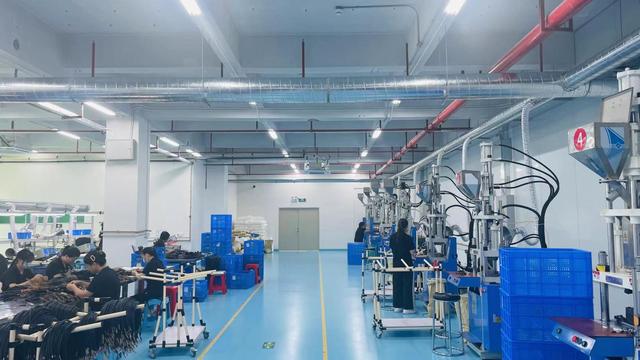
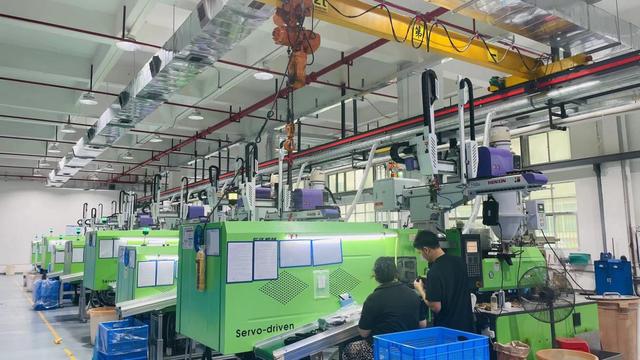
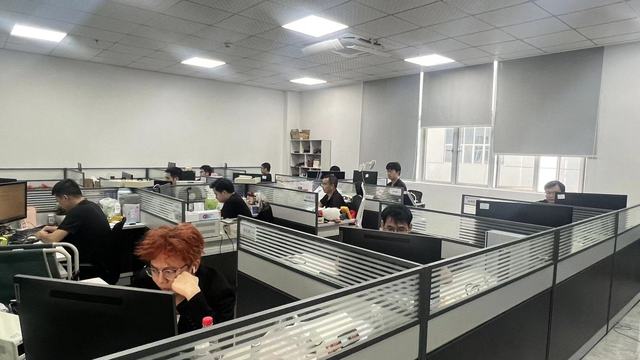
Shenzhen Kore Auto Co., Ltd. is a leading global manufacturer specializing in advanced vehicle diagnostic systems, environmental test chambers, and industrial emission analyzers. Serving the automotive aftermarket, marine sectors, and heavy manufacturing industries, Kore Auto delivers cutting-edge technology tailored to the high-temperature and sandy conditions of the Middle East, particularly the Kingdom of Saudi Arabia.
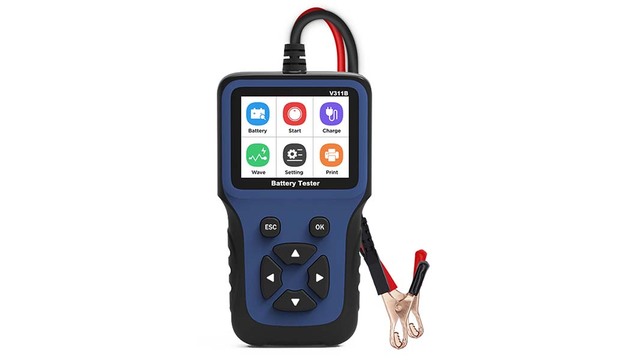
Our comprehensive catalog spans automotive diagnostic scanners, OBD tools, ECU programming devices, TPMS diagnostic systems, ADAS calibration stations, battery test units, and customized industrial emission sensors. Our experienced R&D team continuously refines our analytical products, integrating smart features like real-time data processing, IoT connectivity, and user-friendly multi-language interfaces that fully support Arabic localization.
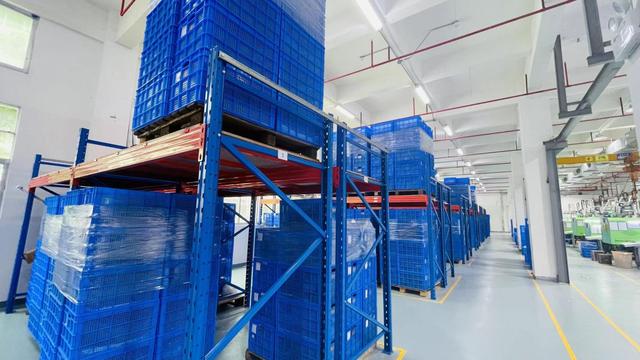
Quality and precision are the cornerstones of Kore Auto. Each instrument is manufactured in state-of-the-art facilities, meeting strict international standards including ISO 9001, CE, and RoHS. We offer customized OEM/ODM services, enabling Saudi industrial clients and regional distributors to tailor hardware enclosures, software protocols, and mounting accessories to meet specific local requirements.

Get in touch with our engineering team today to receive a personalized quote, SASO certification consultation, or detailed technical datasheets.
 Kore Auto