High-performance OBD2 diagnostic systems and link adapters engineered to meet strict Australian regulatory and operational environments.
An in-depth whitepaper analysis of powertrain diagnostic technologies across mining, heavy logistics, and automotive sectors.
Australia’s industrial infrastructure presents a unique set of geographic and operational challenges. With expansive overland freight networks spanning thousands of kilometers, intensive remote mining operations in Western Australia and Queensland, and highly urbanized passenger vehicle hubs, the necessity for robust powertrain performance is absolute. Transmission diagnostic equipment has evolved from basic fault code readouts to complex telemetry-driven diagnostic ecosystems capable of monitoring thermal parameters, torsional vibrations, and hydraulic fluid breakdown in real-time.
In the heavy industrial sector—particularly mining and resource extraction—equipment downtime carries astronomical costs. Large-scale haul trucks, wheel loaders, and heavy excavators utilize sophisticated multi-stage automatic or powershift transmissions that operate under severe duty cycles. A single unexpected transmission failure in an Outback mining site can interrupt supply chains and lead to hundreds of thousands of dollars in lost productivity. Consequently, tier-one operations are shifting their workflows from reactive maintenance to predictive transmission diagnostics, necessitating high-fidelity physical testing benches and advanced OBD2/SAE J1939 communication interfaces.
Furthermore, Australia's harsh environmental conditions—ranging from high ambient temperatures reaching above 45°C to fine silica dust penetration—demand diagnostic equipment built with extreme structural durability. Commercial fleet operators and rebuild workshops require robust diagnostic platforms capable of performing under heavy thermal pressure while offering seamless integration with local and global network infrastructures.
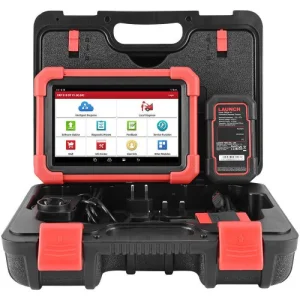
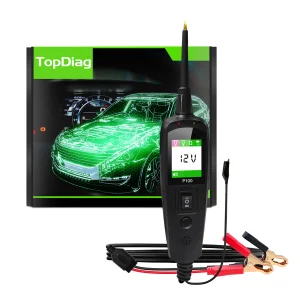
Advanced diagnostic adapters and materials testing equipment optimized for critical fleet engineering operations.
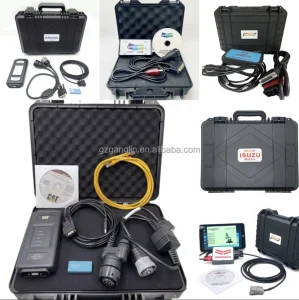
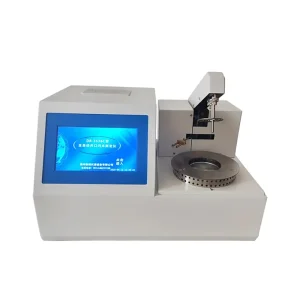
Analyzing the shift toward high-speed automation, digital-twin modeling, and dynamic load testing.
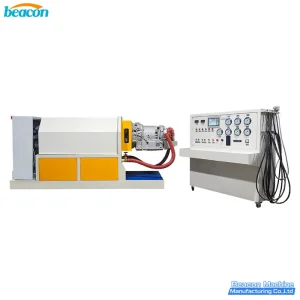
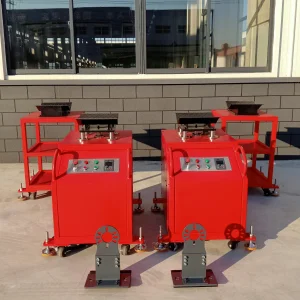
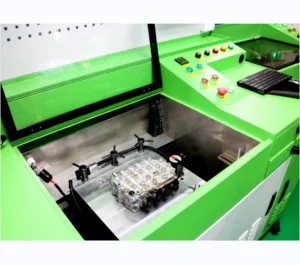
Modern workshops are transitioning from manual pressure gauges to computerized test benches that automatically cycle transmissions through dynamic shift profiles, validating mechanical tolerances and pressure transitions seamlessly.
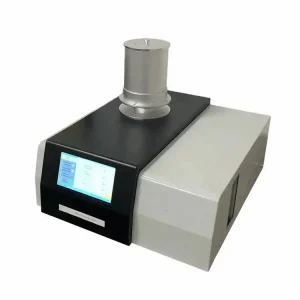
Integrating differential scanning calorimeters and closed-cup flashpoint analyzers helps detect microscopic gear particles, oil oxidation levels, and volatile contaminants, allowing mechanics to prevent failure before it starts.
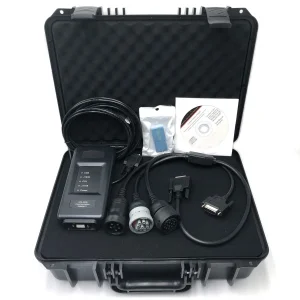
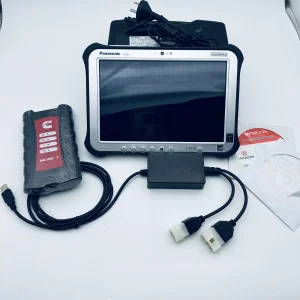
Support for dual CAN channels, SAE J1939, J1708, and DoIP ensures diagnostic tools communicate accurately with TCMs across diverse equipment, from earthmovers to passenger vehicles.
As modern vehicle transmissions become increasingly integrated with electronic control systems, diagnostic equipment must perform tasks beyond simple error logging. Sophisticated diagnostic protocols require direct write access to the transmission control module (TCM) for solenoid calibration, adaptation resets, and firmware flashes. In the Australian mining and heavy transport context, a mismatch in shift adaptation can result in erratic shifting, excessive thermal generation, and accelerated clutch wear. This highlights the absolute necessity of purchasing OE-level, bi-directional diagnostic adapters and physical test benches built on reliable electronic platforms.
Managing large, diverse fleets across extensive logistics networks requires standardized, scalable diagnostics. In Australia, a standard fleet profile often includes a mix of European, American, and Asian prime movers alongside heavy off-highway equipment from manufacturers like Caterpillar, Komatsu, and Volvo. This operational environment poses a major hurdle: software fragmentation. Historically, maintenance shops were forced to purchase separate, proprietary diagnostic tools for each equipment brand, resulting in high licensing fees, disjointed training programs, and slow repair workflows.
To overcome this fragmentation, modern diagnostic architectures utilize universal communication interfaces (VCIs) coupled with multi-protocol database platforms. These systems enable technicians to run diagnostic tests on a wide range of platforms—from CAT mining trucks operating under J1939 protocols to light commercial vehicles using standard OBD2 communication—using a single interface. Implementing these universal solutions streamlines workflow pipelines, lowers tooling expenses, and ensures that maintenance procedures are uniform across all maintenance depots.
For diagnostic equipment to operate effectively within Australia, compliance with local electromagnetic compatibility (EMC) regulations and industrial safety standards is mandatory. The Regulatory Compliance Mark (RCM) indicates that electrical equipment complies with Australian Communications and Media Authority (ACMA) requirements. Without this certification, importation and operation of high-power test benches or electronic adapters can expose companies to substantial regulatory liabilities.
In addition, thermal safety and environmental precautions are critical when testing automatic transmission fluids (ATF). Under heavy testing conditions, test benches generate high thermal profiles. Employing tools like automated closed-cup flashpoint analyzers helps guarantee that the flashpoints of testing fluids and lubricants comply with strict safety parameters, minimizing fire risks in workshops. Furthermore, diagnostic systems must operate reliably under Australia’s local voltage configurations (230V/50Hz single-phase or 415V/50Hz three-phase systems for large industrial test benches), requiring specialized components and engineering adjustments during the design phase.
The transmission repair industry is transitioning toward fully digital, telemetry-linked diagnostic ecosystems. By utilizing cloud-connected edge processing devices, diagnostic software can continuously feed transmission operating parameters—such as oil temperature variations, lock-up clutch engagement speeds, and hydraulic line pressures—to cloud databases. This data is then analyzed by machine learning models to detect microscopic deviations from optimal performance baselines.
This predictive workflow enables fleets to schedule component overhauls during planned maintenance windows, avoiding sudden in-service failures on remote highways. Over the next decade, transmission diagnostics will increasingly rely on real-time simulation benches integrated with artificial intelligence. This setup will simulate simulated loads on rebuilt transmissions to confirm their operational health before they are shipped back to remote operations, ensuring maximum performance from day one.
Answers to technical and regulatory questions concerning transmission diagnostics in Australia.
The Regulatory Compliance Mark (RCM) is essential for validating compliance with local Australian safety and electromagnetic compatibility (EMC) regulations. As a premier manufacturer, Shenzhen Kore Auto Co., Ltd. ensures that diagnostic equipment destined for Australia complies with these parameters, mitigating risk and ensuring compliance for local operators.
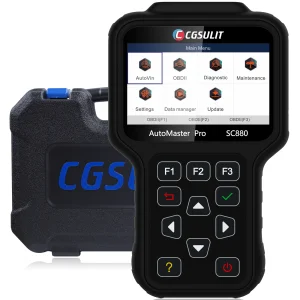
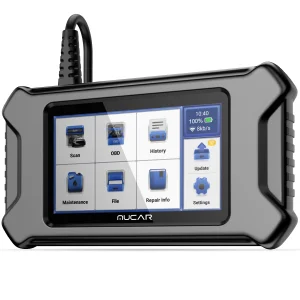
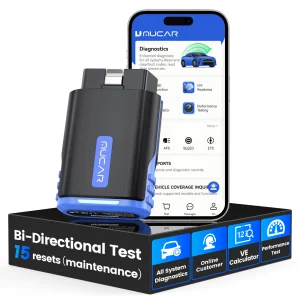
Yes. Equipment such as the MUCAR and CGSULIT systems support bi-directional controls, allowing technicians to read, reset, and re-learn transmission adaptation values. This is essential after fluid services, valve body replacements, or mechanical overhauls to prevent early clutch degradation.
Our heavy-duty diagnostic systems support the SAE J1939, J1708, and CAN-bus protocols. These are the primary communication standards utilized by major manufacturers like Caterpillar, Komatsu, Volvo, and Cummins, allowing technicians to pull real-time engine and drivetrain telemetry in harsh field environments.
Closed-cup flashpoint analyzers are critical for evaluating automatic transmission fluid (ATF) degradation. In high-load or high-heat environments, ATF can break down, reducing its flashpoint and compromising its lubrication properties. Monitoring fluid health helps workshops determine the exact wear characteristics of internal transmission components.
Yes, our systems feature internet connectivity, enabling cloud-based software updates and remote diagnostics. This allows remote maintenance teams in locations like the Pilbara to receive the latest vehicle databases and expert remote technical support directly on their diagnostic equipment.
Your Trusted Global Partner for Advanced Automotive & Transmission Diagnostics.
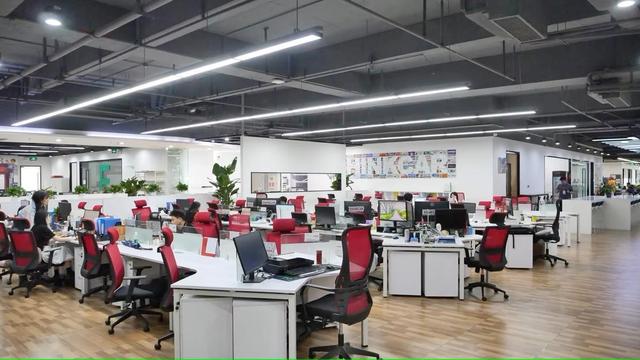
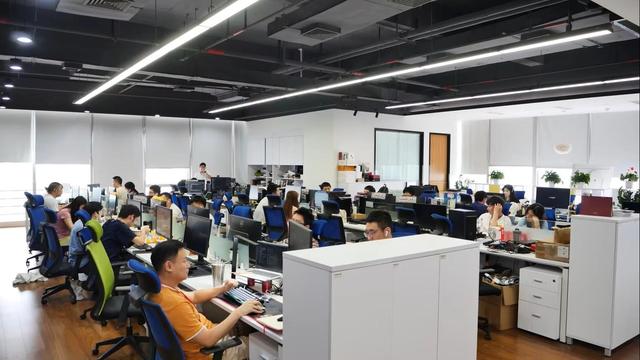
Shenzhen Kore Auto Co., Ltd. is a professional China automotive diagnostic tools manufacturer specializing in the development, production, and global supply of advanced vehicle diagnostic solutions for the automotive aftermarket industry. With extensive experience in automotive electronics and diagnostic technology, Kore Auto is committed to delivering intelligent, reliable, and high-performance diagnostic equipment to customers worldwide.
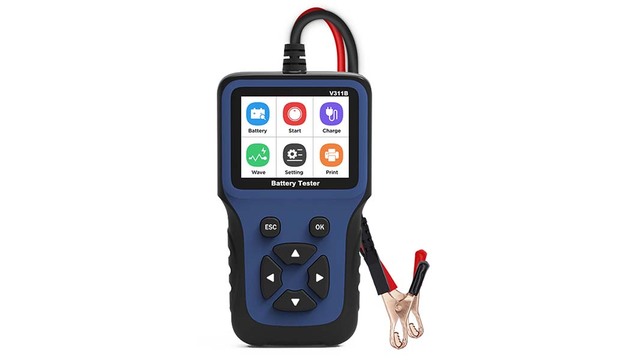
Our comprehensive product portfolio includes automotive diagnostic scanners, OBD diagnostic tools, ECU programming equipment, TPMS diagnostic systems, ADAS calibration equipment, battery testing devices, vehicle inspection systems, automotive oscilloscopes, remote diagnostic platforms, and customized diagnostic solutions. These products are widely used by automotive repair workshops, dealerships, fleet operators, vehicle inspection centers, and maintenance service providers.
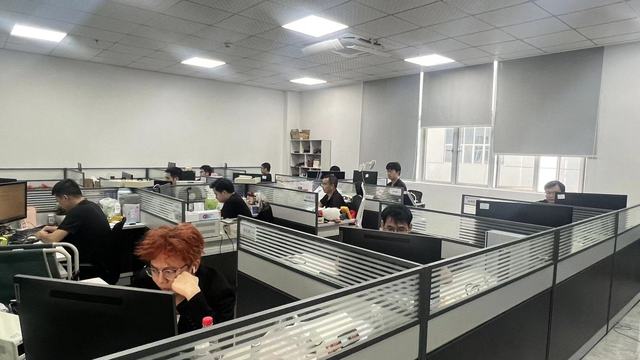
Driven by innovation, Shenzhen Kore Auto continuously invests in research and development to keep pace with the rapidly evolving automotive industry, including electric and connected vehicles. Our experienced engineering team develops cutting-edge diagnostic technologies featuring comprehensive vehicle coverage, fast data processing, intelligent fault analysis, wireless connectivity, and user-friendly software interfaces.
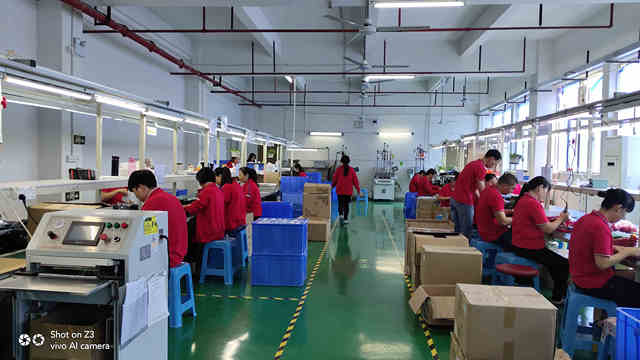
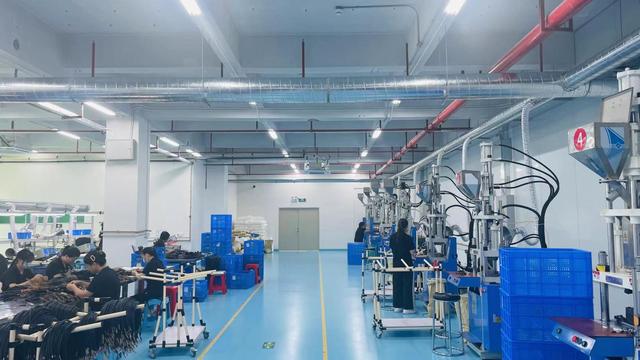
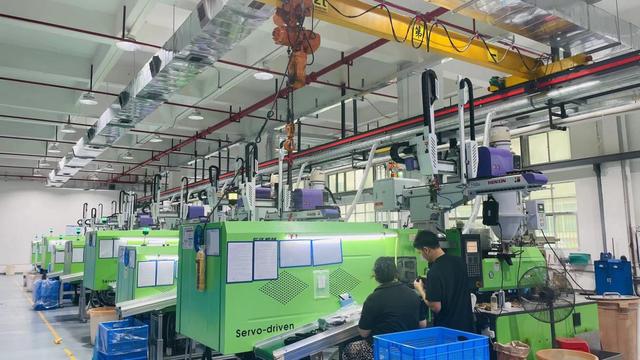
Quality and reliability are fundamental to our success. Every product is manufactured under strict quality control standards and undergoes rigorous testing procedures to ensure stable performance, accuracy, and durability in demanding workshop environments. We also provide flexible OEM and ODM services, helping customers develop customized automotive diagnostic products tailored to specific market requirements.
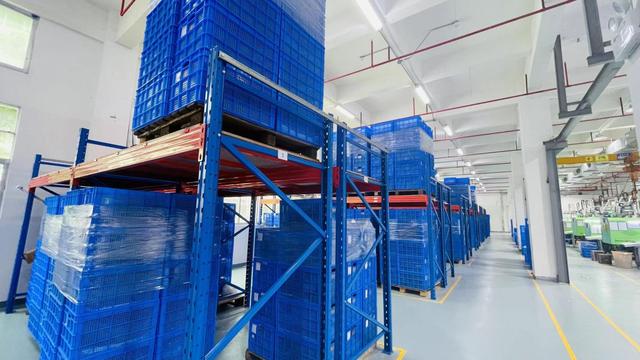
Serving customers throughout Europe, North America, South America, Asia, the Middle East, and Africa, Shenzhen Kore Auto Co., Ltd. has established long-term partnerships with distributors, automotive service providers, and industry professionals worldwide.
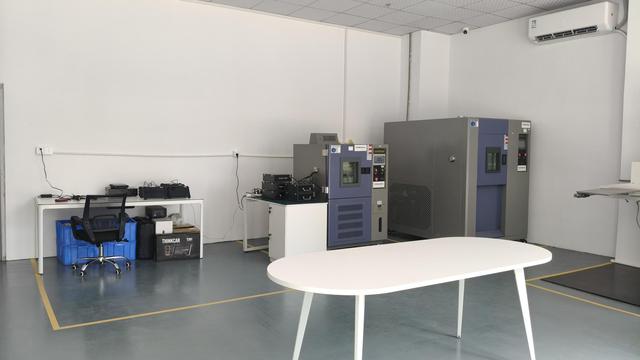

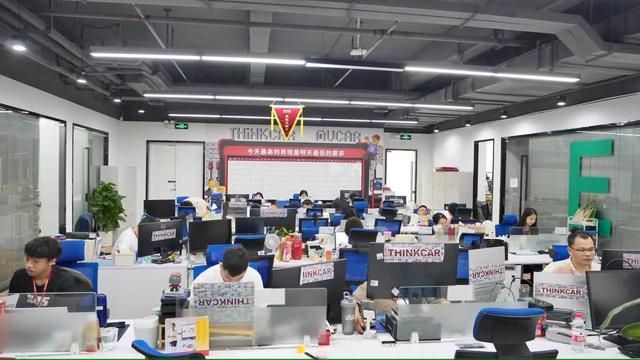
Get in touch with our team today to discuss bespoke diagnostic solutions, high-precision test benches, and compliance requirements for the Australian market.
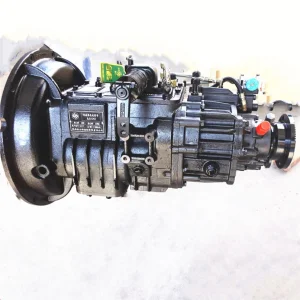
Send Inquiry NowFull suite of physical test benches, valve body analyzers, and high-precision diagnostic diagnostic kits.
 Kore Auto