Oil analysis kits have transitioned from simple extraction tubes to sophisticated, hermetically sealed containment mechanisms. Today's industrial procurement standards demand heavy-duty polyethylene bottles, custom labels with quick-response (QR) scanning integration, and specialized vacuum extraction pumps designed to secure fluid media without cross-contamination. Utilizing dynamic molecular sealing prevents particulate intrusion down to 2 microns, ensuring the integrity of fluid diagnostics.
Analyzing lubricating oil acts as an early warning system for mechanical failure. Highly specified fluid testing identifies wear metals (such as Iron, Copper, and Lead), soot levels, acid numbers (TAN), base numbers (TBN), moisture content, and viscosity variations. As heavy machinery and vehicle drivetrains operate under harsher, high-temperature profiles, establishing a baseline with premium oil analysis kits is vital to circumventing catastrophic failure.
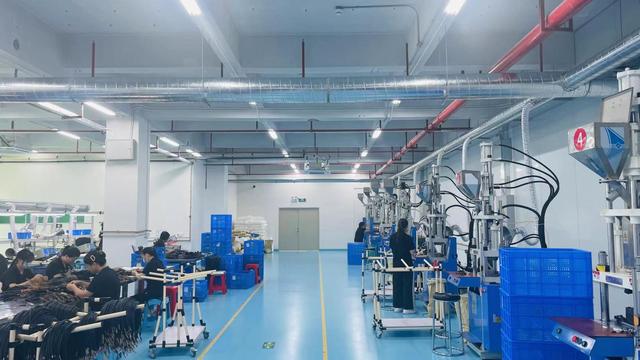
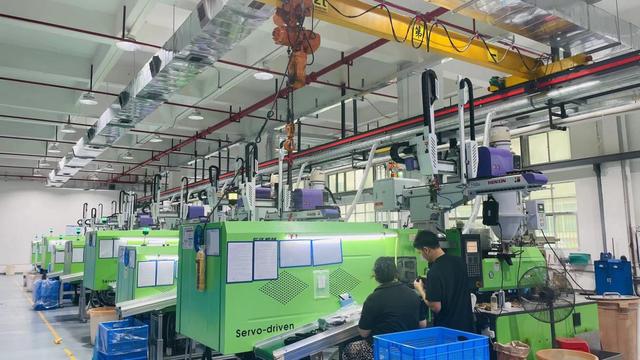
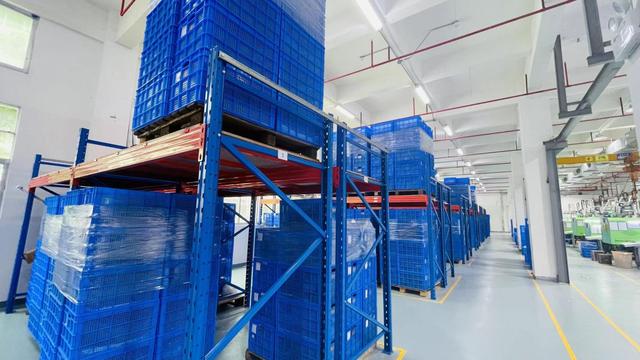
Global enterprises sourcing wholesale oil analysis kits focus heavily on batch consistency, reliable sealing mechanisms, chemical compatibility with various hydrocarbons, and swift export procedures. Manufacturers in China, utilizing state-of-the-art injection molding facilities and rigorous quality control protocols, offer substantial price efficiency alongside premium material grades that withstand high-pressure fluid extractions.
For procurement officers in major fleet operations, maritime shipping, mining industries, and wind power generation companies, the challenge extends beyond finding basic laboratory accessories. It centers on establishing a streamlined, integrated chain of diagnostic operations. Oil analysis kits must seamlessly connect field technicians with remote diagnostics software, lab information management systems (LIMS), and fleet scheduling interfaces.
By integrating predictive fluid metrics into standard diagnostic platforms, service managers gain immediate access to engine oil viscosity trends, metal accumulation tables, and moisture measurements. This workflow optimizes maintenance cycles, reducing premature oil disposal and minimizing carbon footprints. Through custom branding, barcode tracing, and optimized packaging, our clients manage thousands of operating units with localized, precise, and standardized physical sampling assets.
Industrial fluid sampling requires compliance with severe international standards to prevent testing variables. Cleanliness levels must correspond with ISO 3722, verifying that the sampling containers do not introduce particles that skew spectroscopic measurements. Our components are manufactured under cleanroom environments using Ultra-High-Density Polyethylene (HDPE), resisting degradation from corrosive oil byproducts, high temperatures, and chemical acids.
Whether testing under ASTM D5185 (Inductively Coupled Plasma Atomic Emission Spectrometry for wear metals) or ASTM D445 (Kinematic Viscosity measurements), the structural stability of the sample container is key. Any plastic degradation or chemical leaching from the kit's components can invalidate spectrometer metrics, resulting in costly testing errors and incorrect maintenance schedules. Our raw materials undergo strict chemical testing to guarantee Zero Interaction with typical hydrocarbon formulations, synthetic lubricants, ester-based fluids, or diesel fuels.
| Component | Specification / Standard |
| Sampling Bottle Capacity | 60ml, 100ml, 120ml (HDPE / PET) |
| Cap Protection | Inner cone lining with tamper-evident ring |
| Extraction Tubing | Super-flexible, low-density polyethylene (LDPE) |
| Cleanliness Certification | ISO 3722 Certified Clean Containers |
| Shipping Media | Heavy-duty mailer tubes (IATA Compliant) |
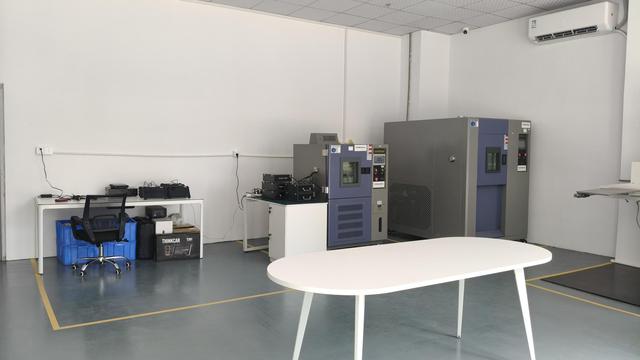
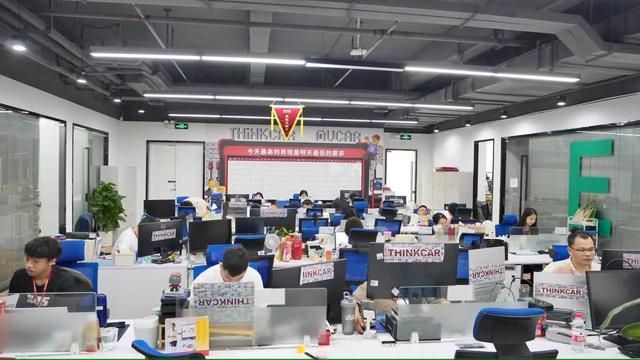
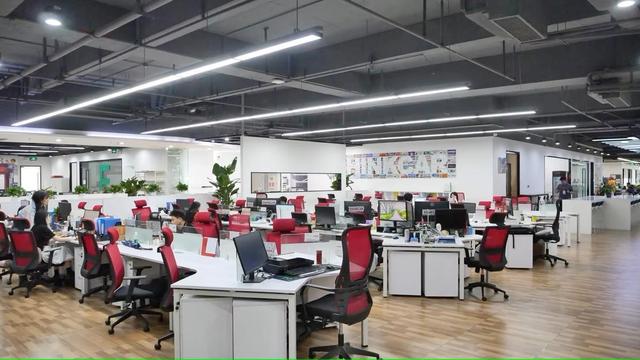
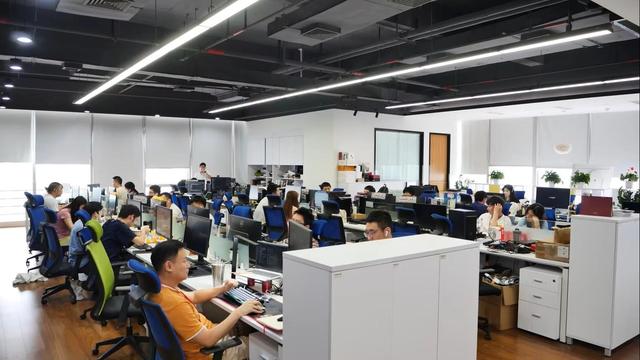
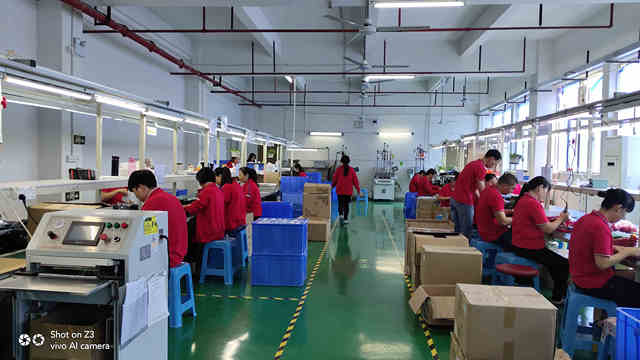
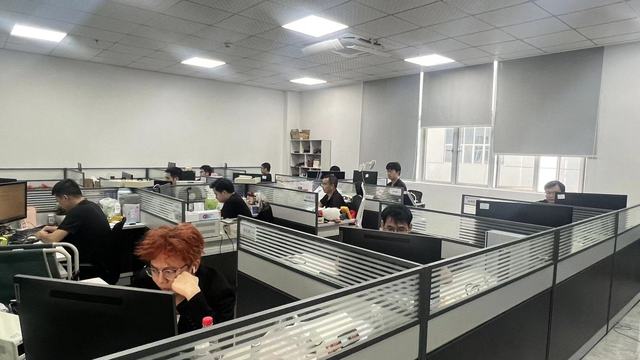
Shenzhen Kore Auto Co., Ltd. is a professional China automotive diagnostic tools manufacturer specializing in the development, production, and global supply of advanced vehicle diagnostic solutions for the automotive aftermarket industry. With extensive experience in automotive electronics and diagnostic technology, Kore Auto is committed to delivering intelligent, reliable, and high-performance diagnostic equipment to customers worldwide.
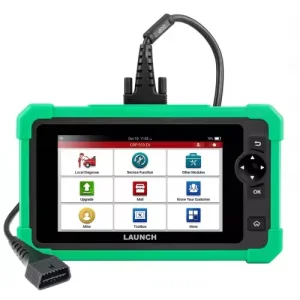
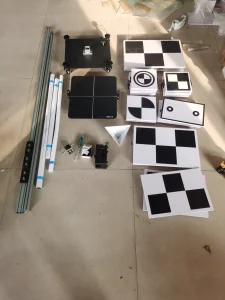
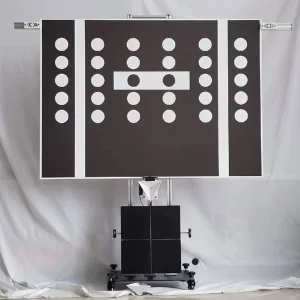
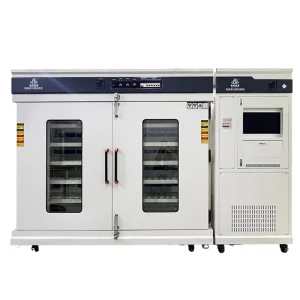
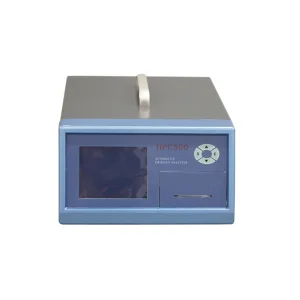
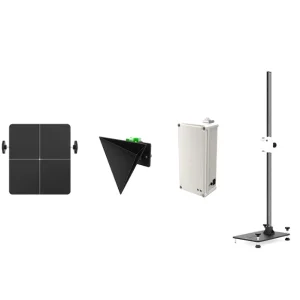
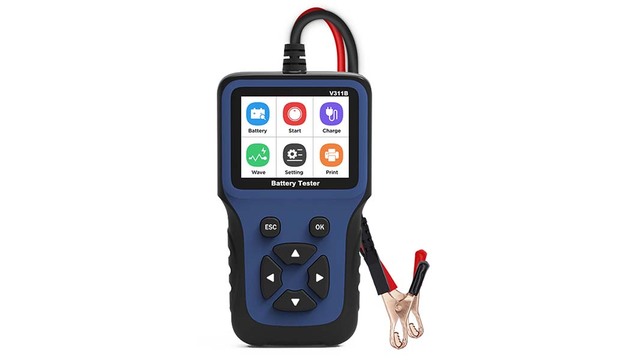
Our comprehensive product portfolio includes automotive diagnostic scanners, OBD diagnostic tools, ECU programming equipment, TPMS diagnostic systems, ADAS calibration equipment, battery testing devices, vehicle inspection systems, automotive oscilloscopes, remote diagnostic platforms, and customized diagnostic solutions. These products are widely used by automotive repair workshops, dealerships, fleet operators, vehicle inspection centers, and maintenance service providers.
Driven by innovation, Shenzhen Kore Auto continuously invests in research and development to keep pace with the rapidly evolving automotive industry, including electric and connected vehicles. Our experienced engineering team develops cutting-edge diagnostic technologies featuring comprehensive vehicle coverage, fast data processing, intelligent fault analysis, wireless connectivity, and user-friendly software interfaces.
Quality and reliability are fundamental to our success. Every product is manufactured under strict quality control standards and undergoes rigorous testing procedures to ensure stable performance, accuracy, and durability in demanding workshop environments. We also provide flexible OEM and ODM services, helping customers develop customized automotive diagnostic products tailored to specific market requirements.
Serving customers throughout Europe, North America, South America, Asia, the Middle East, and Africa, Shenzhen Kore Auto Co., Ltd. has established long-term partnerships with distributors, automotive service providers, and industry professionals worldwide.

As the automotive and heavy machinery industries pivot toward electrification and intelligent monitoring, the requirements for fluid and battery analysis are converging. Traditional chemical wear analysis is scaling into real-time, sensor-driven telemetry. Our technical research and development roadmap focuses on bridging physical sampling with digital intelligence:
Implementing passive ultra-high-frequency (UHF) RFID tags directly into the plastic mold of sampling bottles. This prevents manual data entry errors, matching the physical oil sample with the vehicle's telemetry profile instantly upon scanning at any LIMS lab globally.
New energy vehicles require specialized cooling fluids with extremely low electrical conductivity. Our research team is developing specific analysis kits targeting dielectric fluid integrity, checking for glycol-water degradation, and identifying sub-visible metal particulates in EV drivetrains.
Seamless connection between physical diagnostic tools and chemical fluid laboratories. Technicians can execute standard scan tool routines alongside oil health evaluations, consolidating data points into a single predictive maintenance dashboard.
Our premium wholesale oil analysis kits are manufactured using high-density polyethylene (HDPE) or high-clarity polyethylene terephthalate (PET). Both plastics are chemically inert, ensuring they do not react with hydrocarbon-based lubricants, synthetic fluids, or fuel residues. Our extraction tubes are made from medical-grade low-density polyethylene (LDPE).
Yes, our manufacturing methods and container geometries are designed to meet standard clean-sampling guidelines. They comply with ISO 3722 and support laboratory procedures such as ICP-AES wear metals testing (ASTM D5185) and viscosity analyses (ASTM D445) without contributing foreign microparticles or organic plasticizer residues.
We offer comprehensive customization services, including custom bottle volumes (60ml to 150ml), unique label designs with QR/barcodes, bespoke mailing packages, specified tube lengths, and custom pump fittings. We also integrate custom branding for international testing labs and vehicle distributor networks.
While diagnostic scanners assess the battery management system (BMS) and electrical sensors, fluid analysis checks the health of gears, transmission fluids, and dielectric coolants. Utilizing both methodologies provides a complete predictive overview of new energy and hybrid vehicles.
Standard white-label kits have flexible MOQs starting at 1,000 units. For fully customized branding, proprietary molds, or custom chemical preservation agents, the MOQ typically begins at 5,000 units, backed by high production capacities to support fast lead times.
 Kore Auto