Explore our high-precision emission analyzers, comprehensive battery testing setups, and professional diagnostic scanners engineered for workshops, inspection facilities, and global industrial operators.
As the international community accelerates toward decarbonization and stringent environmental policies, the automotive aftermarket and vehicle inspection industries face unprecedented regulatory challenges. Regulatory frameworks such as the European Union's Euro 6d/Euro 7 standards, the United States Environmental Protection Agency (EPA) Tier 3 guidelines, and China VI emission regulations have dramatically lowered the allowable thresholds for automotive pollutants.
Modern emissions testing is no longer restricted to basic tailpipe measurements of carbon monoxide (CO) and hydrocarbons (HC). Today’s regulatory regimes mandate the precise monitoring of nitrogen oxides (NOx), particulate matter (PM), particulate number (PN), and carbon dioxide (CO2). Consequently, fleet operators, automotive workshops, testing organizations, and governmental enforcement agencies require state-of-the-art diagnostic platforms.
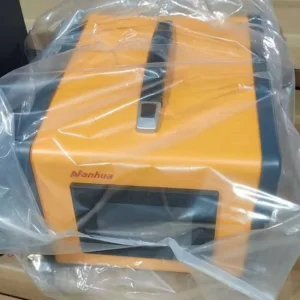
To meet these mandates, specialized technologies like Non-Dispersive Infrared (NDIR) spectroscopy for gas molecules, Flame Ionization Detection (FID) for hydrocarbons, and advanced optical opacimeters (such as the NANHUA NHT-6 Diesel Engine Exhaust Emission Gas Analyzer) have become indispensable tools for modern vehicle testing.
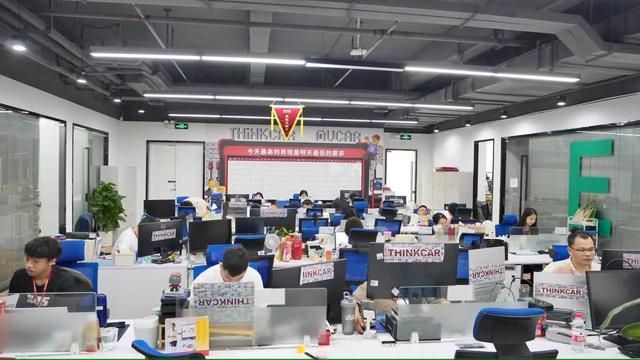
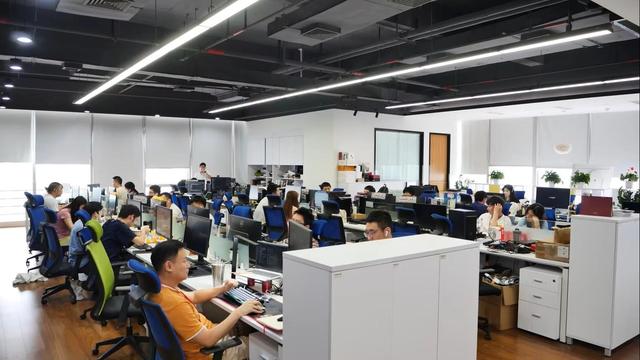
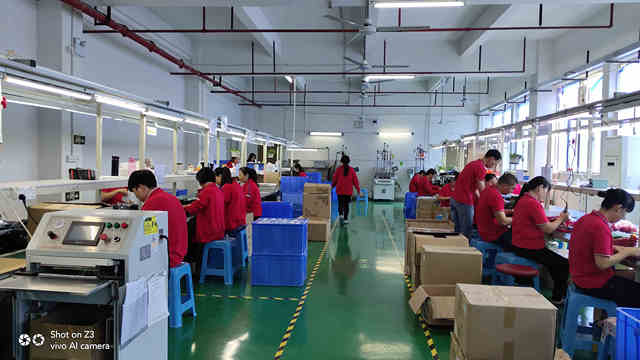
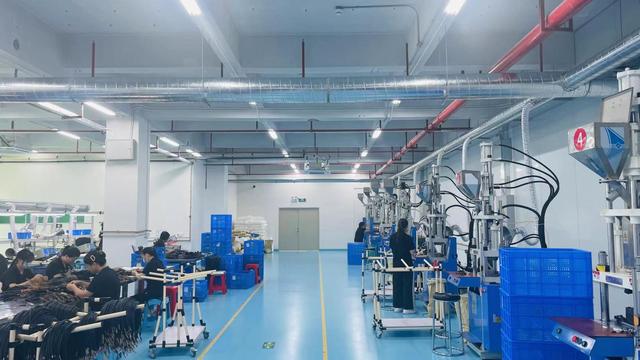
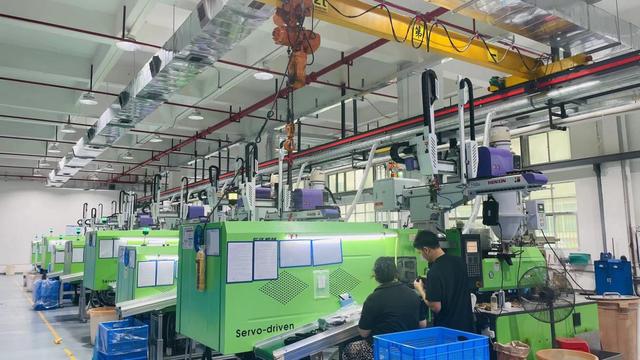
Shenzhen Kore Auto Co., Ltd. is a leading China-based manufacturer specializing in automotive diagnostic tools, high-performance emissions analysis solutions, and diagnostic hardware. Backed by years of expertise in automotive electronics, Kore Auto is dedicated to developing intelligent, reliable, and high-precision testing equipment tailored for global distributors, workshops, and inspection agencies.
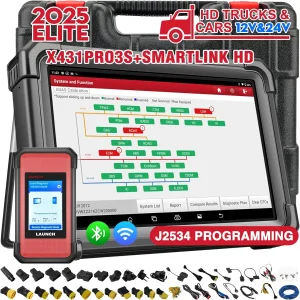
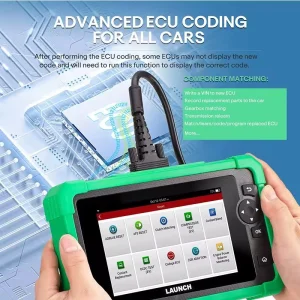
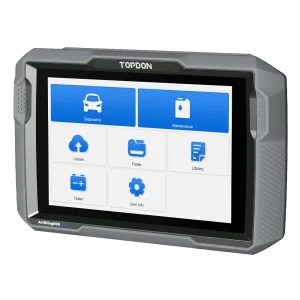
Our comprehensive product engineering covers the entire automotive ecosystem. This includes vehicle diagnostic scanners (e.g., Launch X431 PRO3s+ and X431 CRP919X BT), ECU programming systems, advanced driver assistance system (ADAS) calibration platforms, high-voltage battery pack testers for electric vehicles (EVs), and professional-grade exhaust gas analyzers.
Driven by continuous R&D investment, our engineers develop cutting-edge diagnostic solutions with broad vehicle coverage, fast data processing speeds, and robust wireless connectivity. In addition to our standard catalog, we offer flexible OEM and ODM services, helping global brands establish proprietary product lines engineered to meet localized market regulations.
Utilizes multi-wavelength non-dispersive infrared sensors for real-time, simultaneous detection of CO, CO2, and HC molecules with high baseline stability.
Features temperature-compensated, high-sensitivity electro-chemical sensors designed to accurately quantify NOx concentrations under variable tailpipe conditions.
Implements transient response opacity testing for diesel particulate emissions, meeting OIML Class I and ISO 11614 engineering requirements.
B2B buyers—ranging from national automotive workshop networks to governmental vehicle testing centers—evaluate several critical criteria when sourcing emission analyzers and diagnostic hardware from China:
A. Regulatory Certifications: Compliance with international standards is vital. Global equipment must align with OIML R99 Class 00/0/I specifications, as well as CE, FCC, and RoHS certifications.
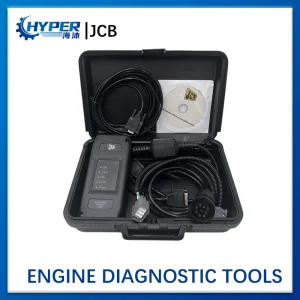
B. Interoperability and OBD-II Integration: Modern vehicle emission testing requires seamless integration with the vehicle’s On-Board Diagnostics system (OBD-II) to monitor oxygen sensor telemetry, catalyst efficiency, and engine diagnostic trouble codes (DTCs). Combining emission analyzers with advanced scanners like the QQr Q06 Engine Fault Code Reader or the heavy-duty Launch X431 PRO3s+ allows workshops to quickly pinpoint the root causes of emission failures.
C. Low Maintenance & Baseline Stability: Exhaust gas is inherently harsh, containing soot, moisture, and corrosive compounds. Reliable analyzers require built-in multi-stage filtration, automatic condensation purge valves, and auto-zeroing functions to protect internal optics and sensors, reducing downtime and calibration overhead.
Automotive emissions are directly linked to engine combustion, fuel metering, and exhaust aftertreatment systems. A vehicle that fails an emission test cannot be repaired by looking at tailpipe numbers alone; technicians must analyze the underlying powertrain control systems.
Integrating specialized diagnostics with emission testing creates a highly efficient workflow:
As the global automotive market transitions toward battery electric vehicles (BEVs) and plug-in hybrid electric vehicles (PHEVs), traditional emission testing centers are evolving into comprehensive safety and high-voltage diagnostic hubs.
Shenzhen Kore Auto is at the forefront of this shift, offering dedicated test and measurement equipment for new energy vehicles:
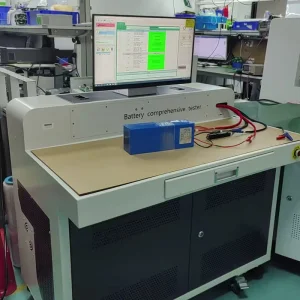
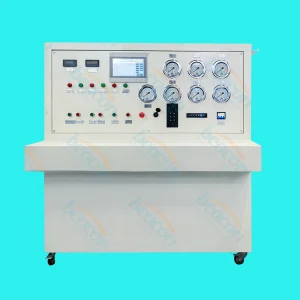
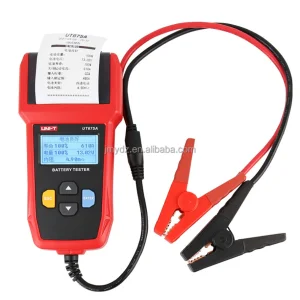
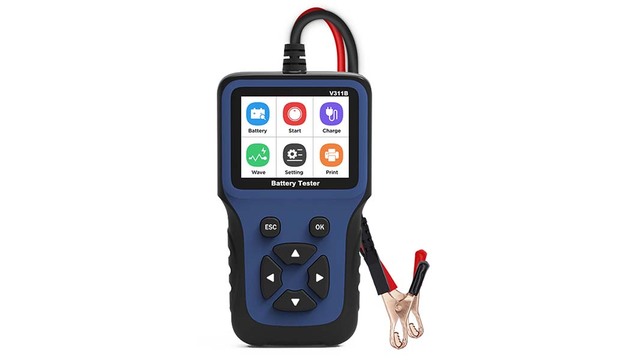
State-of-Health (SoH) Battery Diagnostics: Systems like the 84V 10A 60A Battery Pack Comprehensive Tester provide precise capacity, internal resistance, and thermal performance testing for EV battery modules.
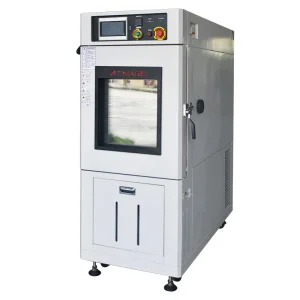
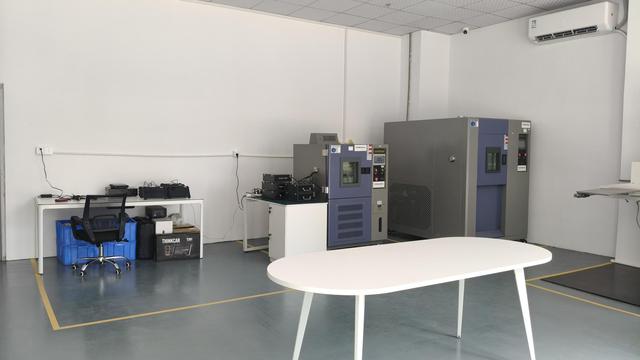
Environmental Stress Testing: Industrial equipment, such as our Laboratory Rapid Temperature Change Equipment, simulates extreme environmental shifts to test battery safety, integrity, and thermal runaway thresholds under rigorous conditions.
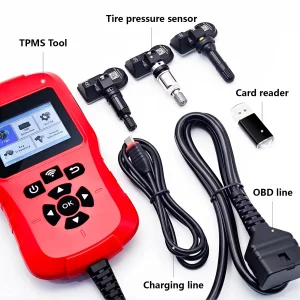
EV OBD-II Systems: Specialist scanners, including the 2026 Launch Crp919 EV OBD2 Scanner, are built to decode complex CAN-bus telemetry from high-voltage battery management systems (BMS), electric motors, and power inverters, ensuring hybrid vehicles operate at peak efficiency with minimum emissions.
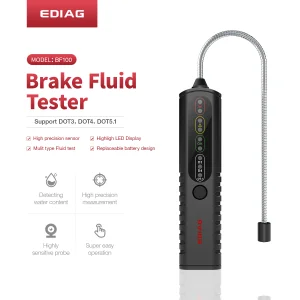
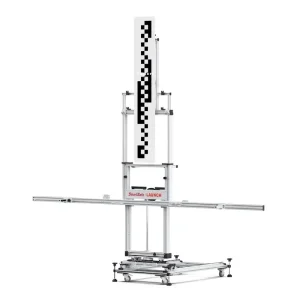
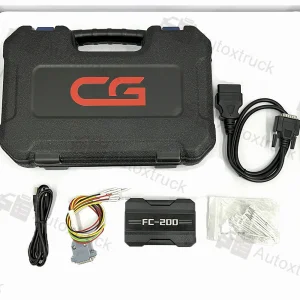
Explore our complete range of battery testers, advanced ECU programmers, specialized industrial brake fluid testers, and ADAS calibration rigs designed to maximize service efficiency.
The vehicle inspection industry is undergoing a digital transformation driven by the Internet of Things (IoT) and cloud-based analytics. Traditional testing methods are evolving toward continuous monitoring systems:
1. Over-the-Air (OTA) and Remote Diagnostics: By integrating real-time telemetry with cloud databases, transport authorities can remotely assess vehicle emissions while vehicles are in transit. Combining advanced OBD-II gateways with remote scanners allows fleet managers to detect failing catalytic converters or high particulate output in real time, preventing roadside compliance violations.
2. AI-Driven Predictive Maintenance: Machine learning algorithms can analyze historical sensor data from thousands of vehicles to identify trends that lead to high emissions. This predictive approach enables workshops to recommend proactive maintenance (such as diesel particulate filter (DPF) regeneration or fuel injector cleaning) before a vehicle fails its official inspection.
Frequently asked technical and commercial questions about vehicle emission testing equipment, standards compliance, and global purchasing procedures.
Most standard automotive exhaust gas analyzers measure Carbon Monoxide (CO), Carbon Dioxide (CO2), Hydrocarbons (HC), and Oxygen (O2). Advanced five-gas analyzers also measure Nitrogen Oxides (NOx), while specialized opacimeters are used to determine smoke density and particulate matter (PM/PN) in diesel exhaust.
Our OBD diagnostic tools, such as the Launch X431 series and QQr code readers, retrieve real-time engine parameters (such as fuel trim, oxygen sensor voltage, misfire counts, and catalytic converter temperatures). Combining this data with exhaust gas measurements allows technicians to quickly trace emission failures back to specific engine malfunctions.
Our emission diagnostic systems are engineered to meet international precision guidelines, including ISO 11614, OIML R99 Class 0/I, and CE specifications. This ensures high-accuracy testing that complies with global vehicle inspection regulations.
Yes, Shenzhen Kore Auto Co., Ltd. provides full OEM/ODM services. We can customize analyzer software, OBD diagnostic interfaces, and outer casings, as well as adapt communication protocols to meet the specific certification and language requirements of your local market.


 Kore Auto