Leading hardware solutions exported worldwide for automotive, heavy equipment, and electric vehicles.
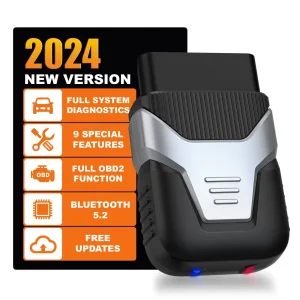
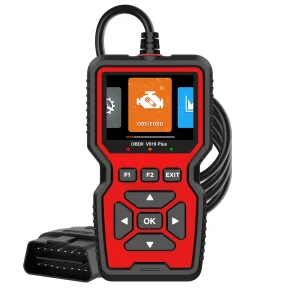
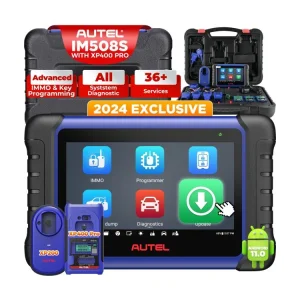
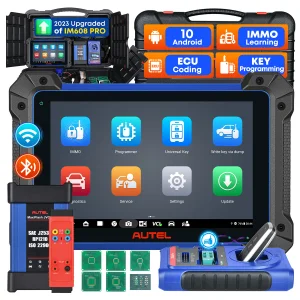
Analyzing key structural factors that drive procurement for multinational automotive service networks.
With connected vehicle components increasingly prone to cyber threats, enterprise procurement insists on secure gateway authentication, end-to-end encryption, and compliance with the UNECE cybersecurity frameworks.
Modern passenger and commercial cars rely heavily on CAN-FD, DoIP (Diagnostics over IP), and older K-Line legacy protocols. Adapters must handle mixed topology buses cleanly to prevent communication lag or packet drop.
New Energy Vehicles require direct BMS interface tools to measure cell degradation, cell-balancing telemetry, and thermal properties. Traditional OBD solutions are insufficient without EV-specific upgrades.
Enterprise diagnostics procurement has moved far beyond simple handheld code readers. Industry leaders seek integrated solutions that enable remote fleet monitoring, real-time diagnostic reporting, and predictive maintenance capabilities. When scaling operations across continents, factors such as hardware longevity, software API integration, and cloud-to-device synchronization time become critical performance indicators (KPIs).
Furthermore, remote diagnostics enable companies to drastically reduce down-time for transit fleets. By analyzing parameter IDs (PIDs) dynamically over cellular links, centralized monitoring hubs can proactively flag components close to thermal or physical limits, saving thousands of dollars in emergency breakdown fees and towing services.
How cloud architecture and hardware interfaces bridge the gap between regional service bays and remote engineers.
A true remote diagnostic ecosystem brings together five separate elements: the vehicle OBD-II interface (DoIP or CAN-FD VCI), the physical communications link (5G/LTE or local Wi-Fi), the cloud routing server, the remote expert software workstation, and the OEM central server database. Global exporters must supply equipment that is highly adaptable across these layers.
For workshops, this means using pass-through devices that adhere strictly to the SAE J2534 standard. This standard permits independent repair facilities to reflash ECUs using manufacturer-developed software without having to acquire highly expensive OEM-specific hardware interfaces.
The progression of remote diagnosis systems towards edge AI and fully automated prognostics.
Basic read/clear functionality of Diagnostic Trouble Codes via wireline connections. High dependency on local physical workshops and localized databases.
Adoption of internet-based protocol stacks allowing remote programming. Enabling expert workshops to assist rural stations via encrypted remote desktops.
Direct measurement of complex ADAS system tolerances and high-voltage EV battery degradation metrics using dedicated physical testing kits and high-bandwidth interfaces.
On-board predictive analytics using machine learning models deployed directly on VCI adapters. Analyzing real-time raw CAN data to identify electrical faults before a warning light illuminates.
Market growth metrics, regional adoption trends, and international manufacturing distribution.
The global remote vehicle diagnostics market is expected to cross USD 45 Billion by 2030, driven by the expansion of electric logistics fleets, public transit digitization, and strict vehicle emission test compliance guidelines in Europe, North America, and parts of Asia. Industry participants who export high-quality diagnostic platforms must balance low hardware latency with heavy-duty construction to survive harsh industrial floor environments.
Ensuring cross-border compliance, cybersecurity protocols, and localization of hardware/software interfaces.
Exporting high-technology diagnostic devices to regions like North America or the European Union requires absolute compliance with local laws. This includes CE directives, FCC Part 15 standards, and EU RoHS guidelines to limit toxic substances. From a software perspective, compliance with the General Data Protection Regulation (GDPR) is paramount when capturing and storing Vehicle Identification Numbers (VIN) or GPS-tagged telemetry logs.
Exporters must also establish resilient localized cloud servers to comply with regional data residency guidelines. Shenzhen Kore Auto guarantees that vehicle data collected in local regions is routed securely through designated instances to ensure fast, compliant, and reliable processing.
A professional global exporter of high-performance vehicle diagnostic scanners and maintenance ecosystems.
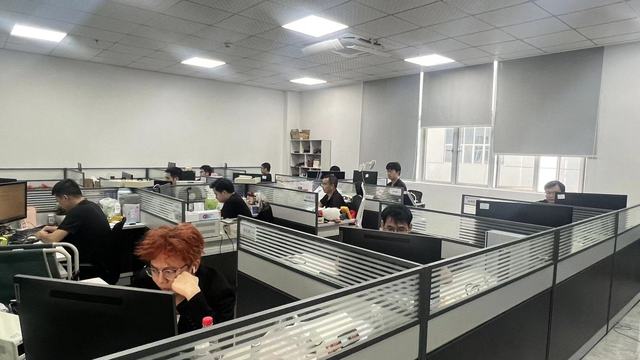
Shenzhen Kore Auto Co., Ltd. is a professional China automotive diagnostic tools manufacturer specializing in the development, production, and global supply of advanced vehicle diagnostic solutions for the automotive aftermarket industry. With extensive experience in automotive electronics and diagnostic technology, Kore Auto is committed to delivering intelligent, reliable, and high-performance diagnostic equipment to customers worldwide.
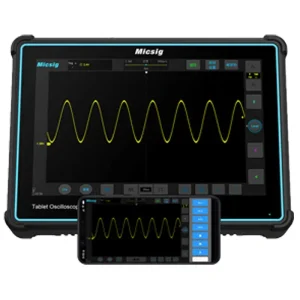
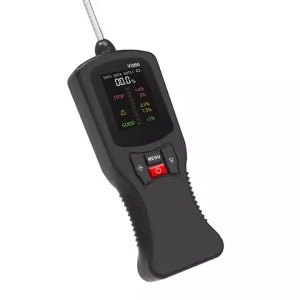
Our comprehensive product portfolio includes automotive diagnostic scanners, OBD diagnostic tools, ECU programming equipment, TPMS diagnostic systems, ADAS calibration equipment, battery testing devices, vehicle inspection systems, automotive oscilloscopes, remote diagnostic platforms, and customized diagnostic solutions. These products are widely used by automotive repair workshops, dealerships, fleet operators, vehicle inspection centers, and maintenance service providers.
Driven by innovation, Shenzhen Kore Auto continuously invests in research and development to keep pace with the rapidly evolving automotive industry, including electric and connected vehicles. Our experienced engineering team develops cutting-edge diagnostic technologies featuring comprehensive vehicle coverage, fast data processing, intelligent fault analysis, wireless connectivity, and user-friendly software interfaces.
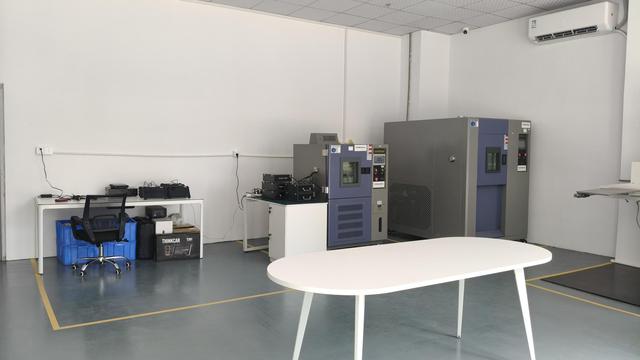
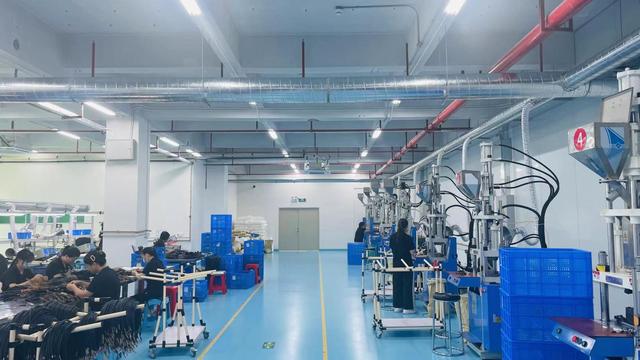
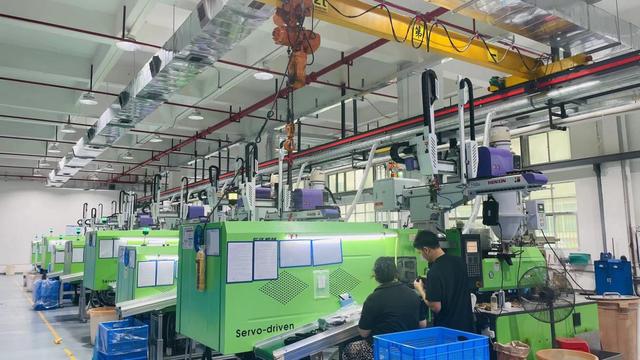
Quality and reliability are fundamental to our success. Every product is manufactured under strict quality control standards and undergoes rigorous testing procedures to ensure stable performance, accuracy, and durability in demanding workshop environments. We also provide flexible OEM and ODM services, helping customers develop customized automotive diagnostic products tailored to specific market requirements.
Serving customers throughout Europe, North America, South America, Asia, the Middle East, and Africa, Shenzhen Kore Auto Co., Ltd. has established long-term partnerships with distributors, automotive service providers, and industry professionals worldwide.





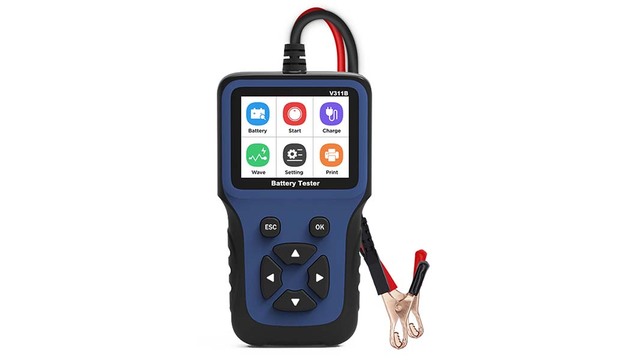

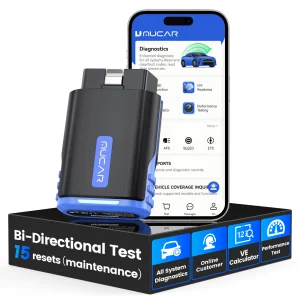
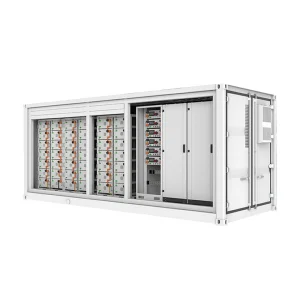
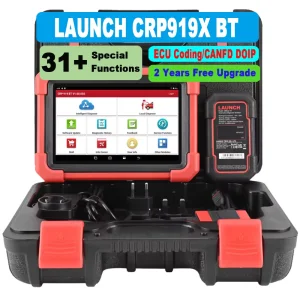
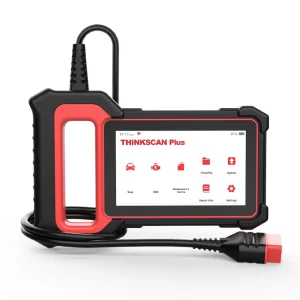
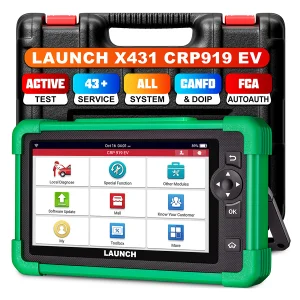
High-end oscilloscopes, specialized OBD adapters, and industrial energy solutions.
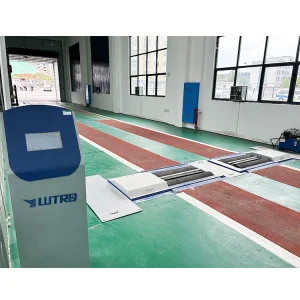
Answering key structural and engineering queries regarding the integration of remote diagnostic platforms.
 Kore Auto