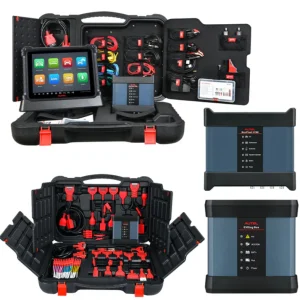
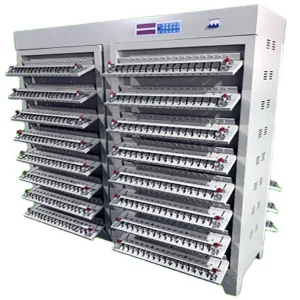
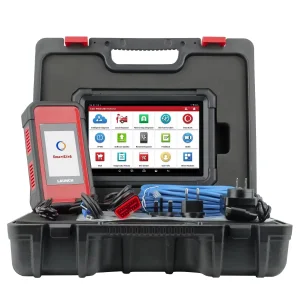
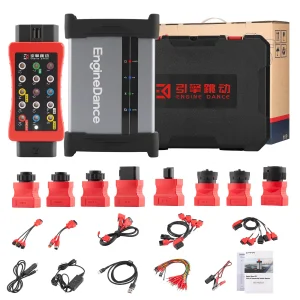
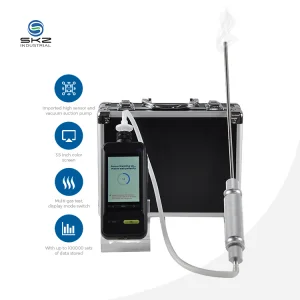
Analyzing global demand across EV manufacturing, energy storage integration, and modern power electronics validation.
As industries globally shift towards electrification, renewable energy integration, and smart grids, the demand for precision electronic load testers has expanded beyond laboratory research. Today, they serve as critical infrastructure in industrial scale quality assurance, battery pack grading, and automotive power electronics validation. A programmable electronic load simulates dynamic loads in real-time, allowing developers to verify whether power supplies, DC-to-DC converters, and fuel cells operate efficiently under extreme stress conditions.
From evaluating the transient recovery time of industrial switch-mode power supplies (SMPS) to executing high-rate discharge tests on lithium battery packs, modern diagnostic equipment requires uncompromising reliability. As global supply chains consolidate, engineering and sourcing directors seek exporters capable of delivering high-precision load simulation instruments that balance cost-efficiency with high durability.
Ensures stable testing margins by maintaining precise current or voltage thresholds independent of external fluctuations.
Enables accurate simulation of complex structural loads, ideal for testing motor starters, vehicle components, and dynamic systems.
Captures milli-second level anomalies in power supply output loops, preventing field failures in medical, automotive, and grid networks.
Discover how engineering teams deploy professional load test infrastructure across different geographic and industrial environments.
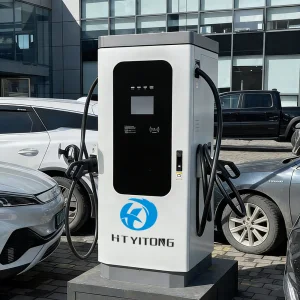
Used heavily in automotive gigafactories to perform hybrid pulse power characterization (HPPC) tests, mapping cell-level health, internal resistance, and state of health (SoH) profiles before battery pack integration.
Validates performance of commercial solar and wind power inverters. Simulates peak utility demands, determining the stress thresholds of battery energy storage systems (BESS) under volatile temperature shifts.
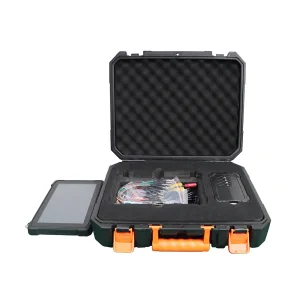
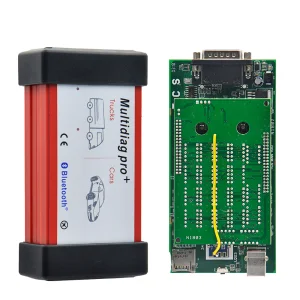
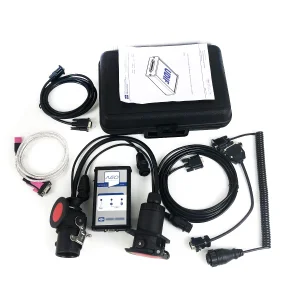
Pairs with specialized OBD2 diagnostic software platforms to gauge generator and alternator charging rates directly inside vehicle repair shops and inspection centers, optimizing troubleshooting workflows.
Ensures that airborne power systems maintain robust output margins. Supports sub-millisecond dynamic step loads to simulate standard aerospace bus voltages and emergency power transfers.
Assists electronic contract manufacturers (EMS) in verification at the end of production lines, ensuring every power supply brick or DC-DC regulator conforms to specifications before final shipping.
Validates localized 4G/5G backup power cabinets under real-world load conditions, verifying cell tower operations remain uninterrupted during primary electrical grid failures.
A strategic vision detailing the transition of load testing technology into energy-regenerative and AI-driven diagnostic ecosystems.
Traditional electronic load testers dissipate loaded energy as heat, requiring bulky fan systems and generating substantial carbon emissions. The future of testing is regenerative, where up to 95% of absorbed energy is inverted and fed back into the facility's local grid. This transition reduces electricity consumption and decreases heat production, lowering utility bills in long-cycle test centers.
Our upcoming platform architectures incorporate real-time dynamic impedance matching. Utilizing micro-second edge computing algorithms, the load dynamically alters its internal resistance to simulate real-world vehicle degradation. This helps diagnostic equipment pinpoint predictive maintenance windows before physical hardware failures emerge.
As factories move towards Industry 4.0, individual load units must coordinate. Through integrated IoT interfaces, engineers can program complex test matrices across hundreds of channels simultaneously from centralized cloud environments, collecting data to optimize battery pack grading curves automatically.
Leveraging raw material density, advanced vertical integration, and cluster logistics to deliver unparalleled global value.
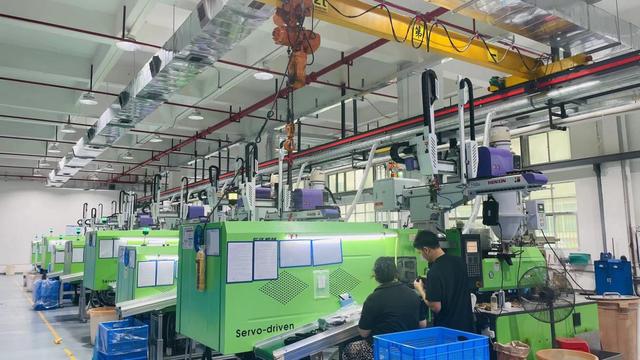
Situated in China's core electronics hubs, we benefit from immediate, cost-effective access to structural elements like microchips, advanced heat sinks, terminal blocks, and custom transformers. This dense supply network reduces lead times and keeps production prices stable, even amidst global raw material volatility.
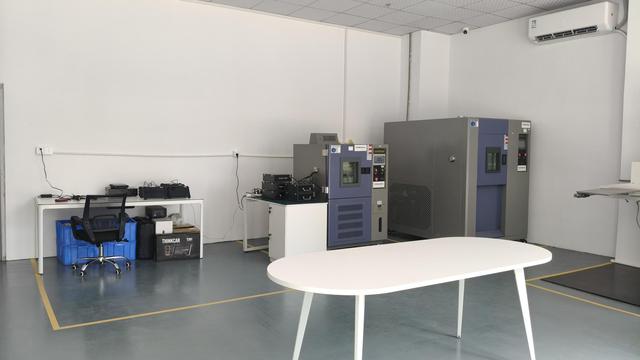
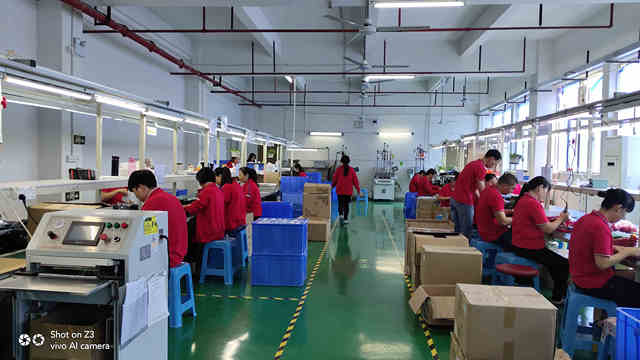
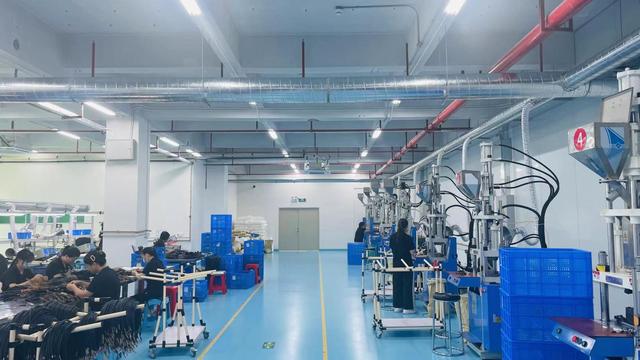
Precision calibration depends on the quality of board assembly. By deploying automated Surface Mount Technology (SMT) lines and Automated Optical Inspection (AOI) technology, we eliminate human errors, ensuring that internal boards maintain structural integrity over years of continuous load operation.
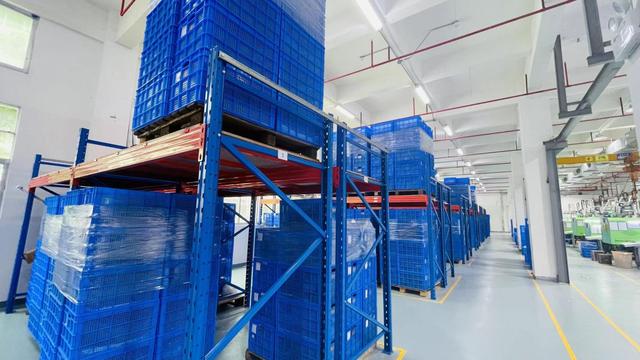
Whether processing low-volume engineering orders or high-volume wholesale requirements for international distributors, our facility scales dynamically. Each unit undergoes strict high-temperature burn-in tests and mechanical vibration simulation to guarantee durability upon delivery.
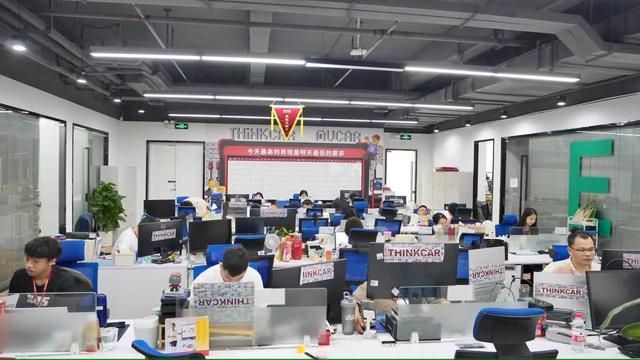
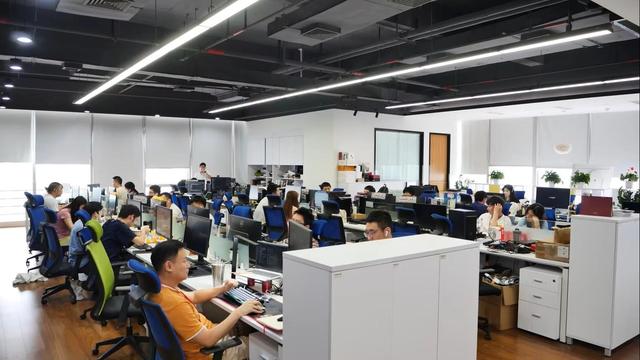
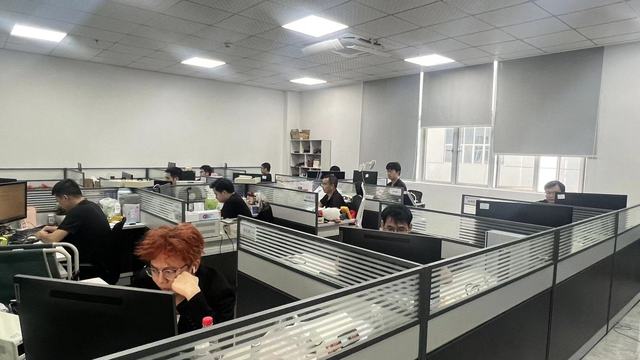
Shenzhen Kore Auto Co., Ltd. is a professional China automotive diagnostic tools manufacturer specializing in the development, production, and global supply of advanced vehicle diagnostic solutions for the automotive aftermarket industry. With extensive experience in automotive electronics and diagnostic technology, Kore Auto is committed to delivering intelligent, reliable, and high-performance diagnostic equipment to customers worldwide.
Driven by innovation, Shenzhen Kore Auto continuously invests in research and development to keep pace with the rapidly evolving automotive industry, including electric and connected vehicles. Our experienced engineering team develops cutting-edge diagnostic technologies featuring comprehensive vehicle coverage, fast data processing, intelligent fault analysis, wireless connectivity, and user-friendly software interfaces.
Quality and reliability are fundamental to our success. Every product is manufactured under strict quality control standards and undergoes rigorous testing procedures to ensure stable performance, accuracy, and durability in demanding workshop environments. We also provide flexible OEM and ODM services, helping customers develop customized automotive diagnostic products tailored to specific market requirements.
Serving customers throughout Europe, North America, South America, Asia, the Middle East, and Africa, Shenzhen Kore Auto Co., Ltd. has established long-term partnerships with distributors, automotive service providers, and industry professionals worldwide.


Ensuring compliance with localized safety and emissions regulations across international markets.
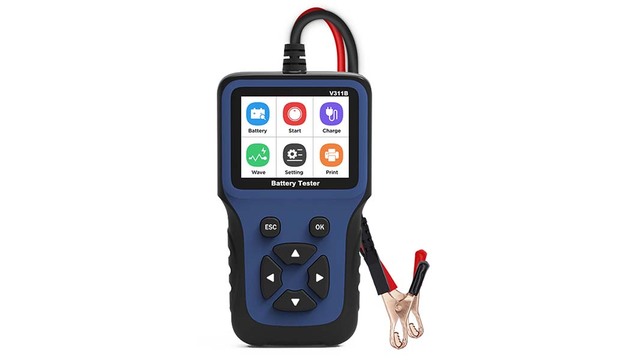
All exported electronic load testers and automotive scanners comply with European CE and North American FCC electromagnetic compatibility limits, ensuring safe operation near high-frequency industrial environments.
We configure diagnostic systems to adapt to localized line utility voltages, supporting input configurations from 110V 60Hz (US/Japan) to 220V/240V 50Hz (Europe/UK/Australia) out-of-the-box.
Distributors receive multilingual operations documentation, direct firmware configuration tools, and 24/7 online technical support to handle hardware integration queries quickly.
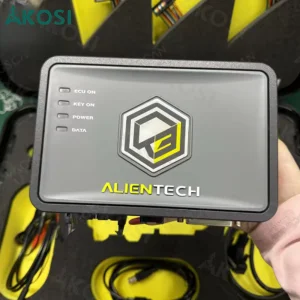
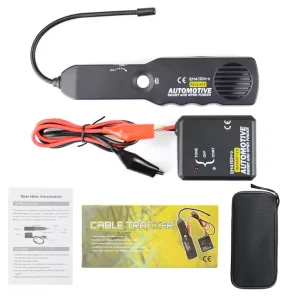
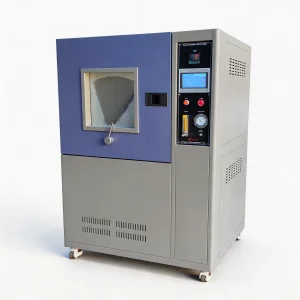
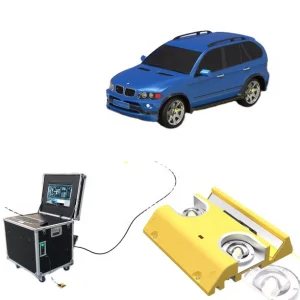
Providing expert technical answers to complex integration queries on electronic load testers and industrial diagnostics.
DC electronic load testers are utilized to evaluate DC power sources (e.g., lithium battery packs, solar arrays, and DC-DC converters). AC electronic load testers are designed to evaluate AC delivery mechanisms, simulating conditions such as lagging or leading power factors. This is critical for testing commercial uninterruptible power supplies (UPS), inverters, and utility generators.
Our programmable testers utilize intelligent protection circuits including Over-Temperature Protection (OTP), Over-Current Protection (OCP), Over-Power Protection (OPP), and Over-Voltage Protection (OVP). When a limit threshold is reached, the device shuts down the input stage within microseconds to prevent damage to internal MOSFET arrays.
Yes. Our equipment supports standard SCPI command protocols over RS232, USB, LAN, and GPIB. This enables engineers to easily build automated test scripts in LabVIEW, C#, or Python, facilitating integration into automated production validation lines.
For standard equipment batches, processing takes 2-3 weeks. Custom OEM designs—which may require specialized branding, modified software interfaces, or unique terminal designs—typically require 6-8 weeks from prototype sign-off to final export dispatch.
Connect with Shenzhen Kore Auto Co., Ltd. for technical specifications, product pricing details, or customized OEM/ODM design requests.
Contact Our Engineers Kore Auto