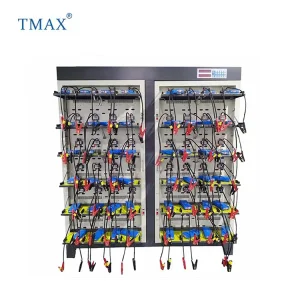
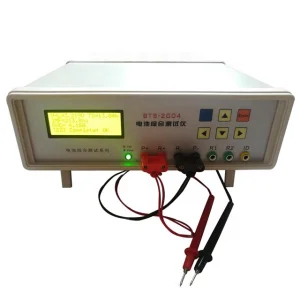
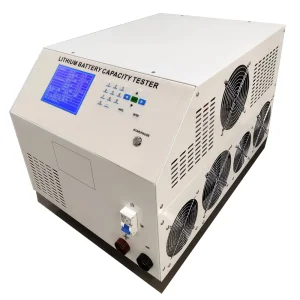
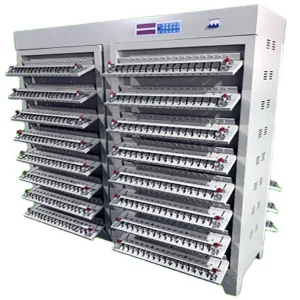
Industrial-grade testing interfaces built to withstand demanding local grid fluctuations and high-temperature shop floors.
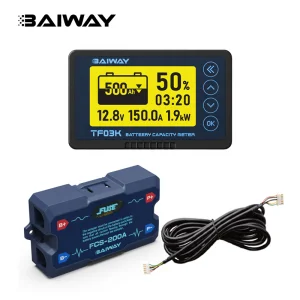
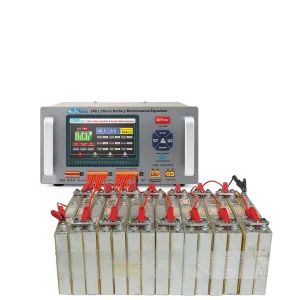
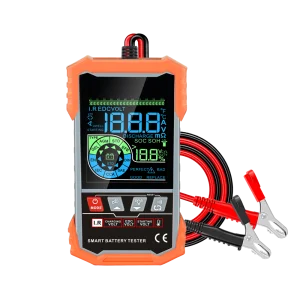
Monterrey, the capital of Nuevo León, has solidified its status as the premier industrial powerhouse of Latin America. Driven by aggressive nearshoring trends, the United States-Mexico-Canada Agreement (USMCA) rules of origin, and massive foreign direct investment—including planned gigafactories and extensive Tier-1 automotive expansions—the region is undergoing an unprecedented shift toward electrification.
For manufacturers of electric vehicles (EVs), energy storage systems (ESS), and industrial machinery, this rapid industrial transition presents a critical bottleneck: local validation, sorting, and diagnostics of advanced lithium-ion and LiFePO4 cells. To maintain strict line speeds and conform to NOM (Normas Oficiales Mexicanas) safety mandates, local plants require high-accuracy battery testing hardware that interfaces seamlessly with smart MES platforms.
"Nearshoring to Nuevo León is not merely about shifting geographic coordinates; it is about establishing robust quality control loops that mirror the highest safety expectations of the North American automotive grid."
Monterrey’s semi-arid, high-temperature environment introduces unique operational variables. Battery chemistries exposed to sustained ambient heat during transit or processing are vulnerable to accelerated aging and internal micro-shorts. Implementing robust multi-channel charge-discharge cycle systems, cell balancing, and regenerative discharge test apparatuses at the intake stage prevents downstream safety events.
Our solutions provide comprehensive cell sorting, resistance profiling (ACIR/DCIR), and environmental thermal modeling, giving local operations the exact physical insights needed to guarantee pack reliability before integration into vehicle assemblies or power grids.
Empowering quality engineers with repeatable diagnostics and high-throughput test configurations.
How Shenzhen Kore Auto's manufacturing capabilities guarantee continuous delivery, modular design, and robust global compliance.
Shenzhen Kore Auto Co., Ltd. is a professional China automotive diagnostic tools manufacturer specializing in the development, production, and global supply of advanced vehicle diagnostic solutions for the automotive aftermarket industry. With extensive experience in automotive electronics and diagnostic technology, Kore Auto is committed to delivering intelligent, reliable, and high-performance diagnostic equipment to customers worldwide.
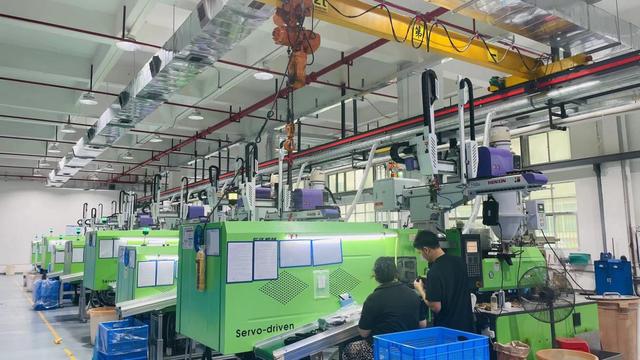
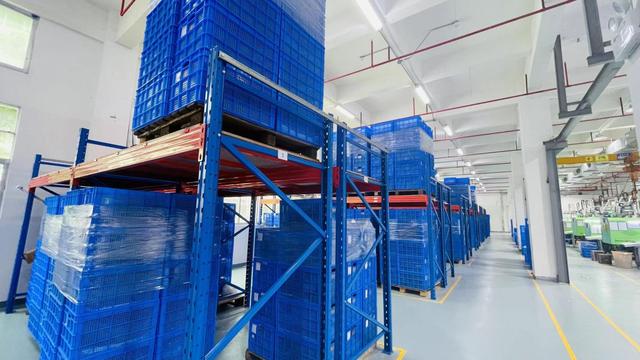
Our industrial footprint integrates advanced IoT control layers directly onto our production floors. By utilizing digital twin simulation systems and automated calibration rigs, we assure that every multi-channel tester leaving our facility operates under strict quality standards. This direct-from-source precision avoids middle-tier markups and delivers highly custom hardware modifications to Monterrey's growing industrial park infrastructure (including Apodaca, Santa Catarina, and Guadalupe districts).
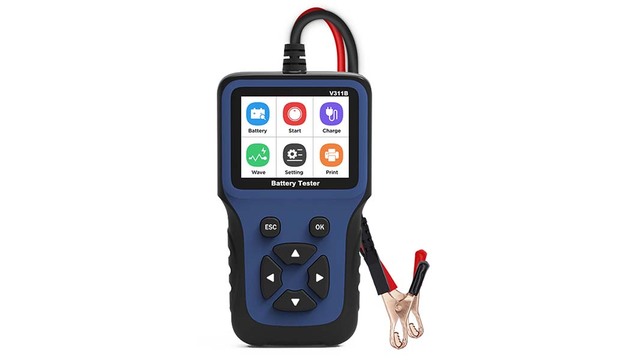
Our comprehensive product portfolio includes automotive diagnostic scanners, OBD diagnostic tools, ECU programming equipment, TPMS diagnostic systems, ADAS calibration equipment, battery testing devices, vehicle inspection systems, automotive oscilloscopes, remote diagnostic platforms, and customized diagnostic solutions. These products are widely used by automotive repair workshops, dealerships, fleet operators, vehicle inspection centers, and maintenance service providers.
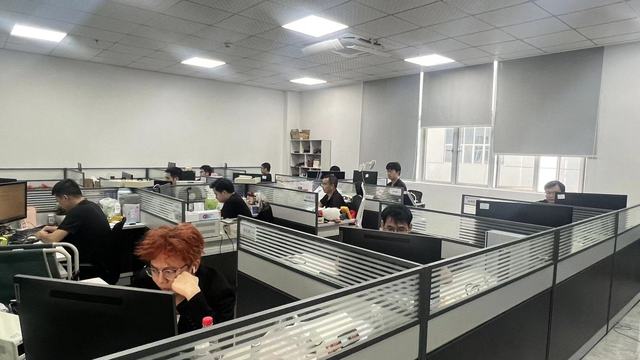
Driven by innovation, Shenzhen Kore Auto continuously invests in research and development to keep pace with the rapidly evolving automotive industry, including electric and connected vehicles. Our experienced engineering team develops cutting-edge diagnostic technologies featuring comprehensive vehicle coverage, fast data processing, intelligent fault analysis, wireless connectivity, and user-friendly software interfaces.

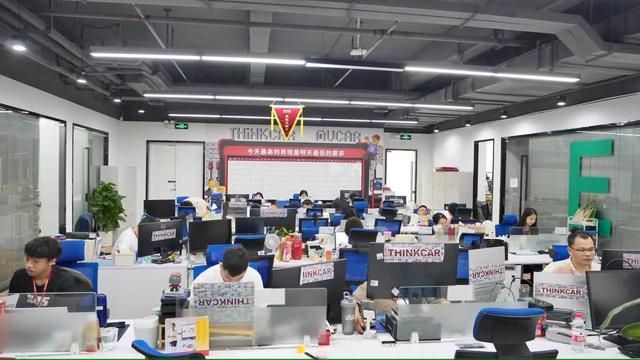

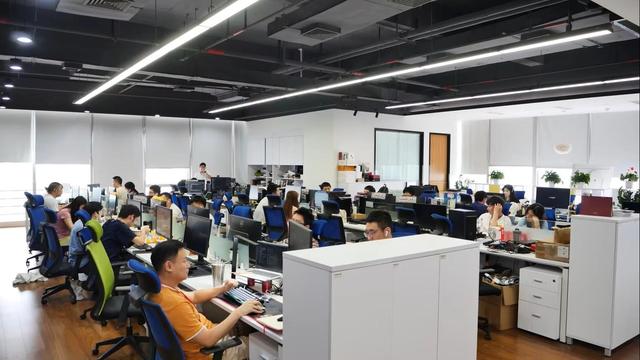
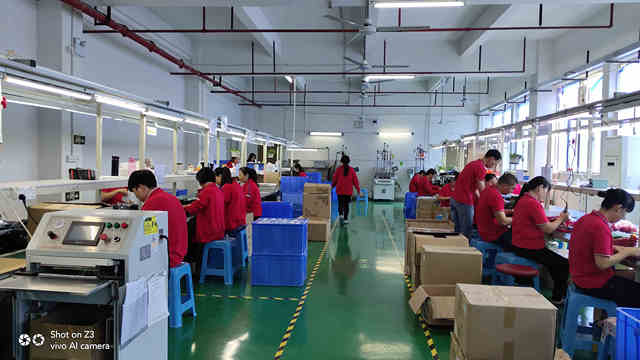
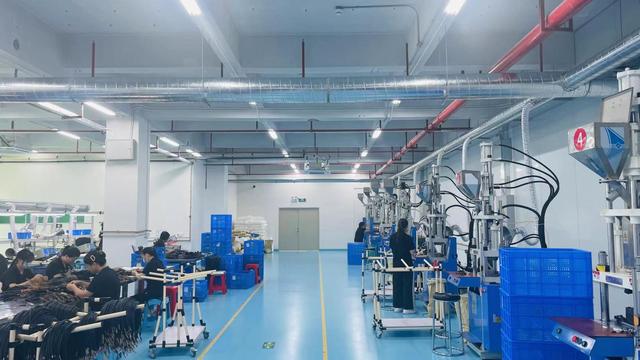
How Tier-1 suppliers and local automotive workshops utilize our testing hardware to achieve efficiency gains.
Cross-border haulage companies operating routes between Monterrey and Texas depend on rapid, reliable state-of-health (SoH) diagnostics to prevent on-road faults and optimize recharge-schedules.
Local pack rebuilders rely on our high-current balance testers (10A to 15A) to match capacities across multi-cell profiles, avoiding premature thermal shutoffs in local transit micro-mobility systems.
Large assembly houses leverage multi-channel regeneration systems to capture discharged energy from capacity tests and feed it back to the plant grid, cutting local operational utility expenses.
Field-proven hardware options for automated lines, diagnostic hubs, and testing laboratories.
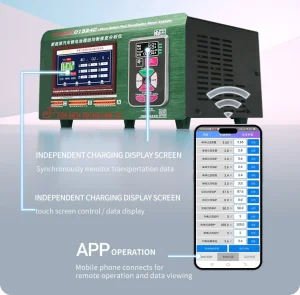
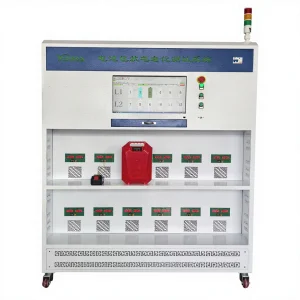
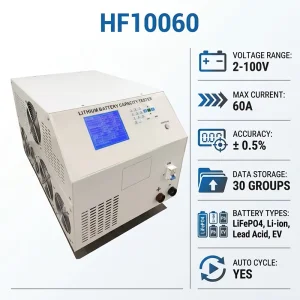
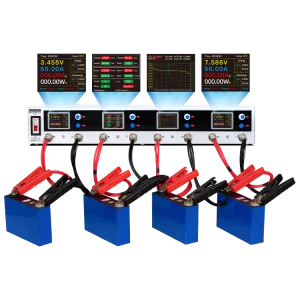
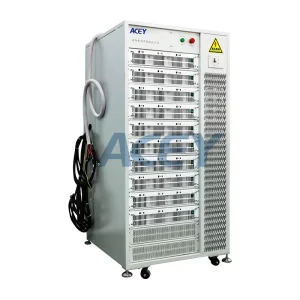
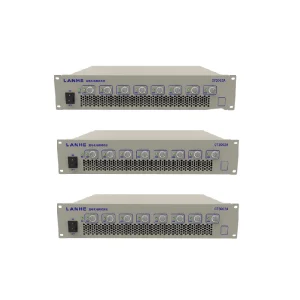
Heavy-duty environmental and electromagnetic diagnostic solutions.
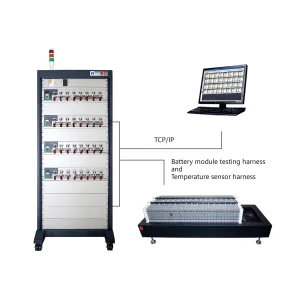
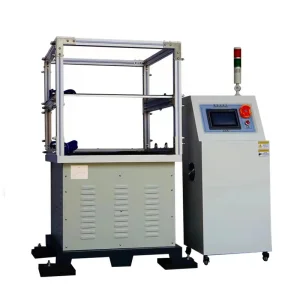
Expert answers mapping back to IEEE, UL, and standard automotive battery testing protocols.
Even slight capacity or internal resistance deviations among series-connected lithium cells will cause structural imbalances over charge cycles. If one cell hits its cut-off limit prematurely, the entire pack stops discharging. High-precision balancing systems (like our 2-24S 10A/15A modules) equalize these discrepancies, protecting overall pack lifespan and ensuring uniform thermal generation.
Traditional testing dissipates the energy generated during battery discharge as heat. Regenerative testing captures this discharge current, processes it via specialized high-efficiency inverters, and returns it to the plant grid or external storage banks. For high-volume factories in Monterrey, this process cuts electricity costs and limits HVAC loads on testing floors.
High ambient temperatures (often exceeding 40°C in Monterrey summers) accelerate chemical activity in lithium cells. This can mask underlying internal resistance issues and compromise testing accuracy. We build our equipment with active ventilation controls, heavy-duty heat-sinks, and external temperature probe networks to keep measurements consistent regardless of local facility conditions.
To qualify for tariff-free trade within North America, battery assemblies must demonstrate verifiable tracing and quality validation records. Our testers write diagnostic and validation files directly to regional MES databases. This enables automated pass/fail logging and helps Tier-1 suppliers maintain complete quality traceability.
Key validation variables include State of Health (SoH), State of Charge (SoC), Dynamic Internal Resistance (DCIR), capacity degradation curve modeling, and cell temperature response. Our diagnostic systems record these parameters dynamically, offering the data resolution required for predictive maintenance on heavy-duty EV fleets.
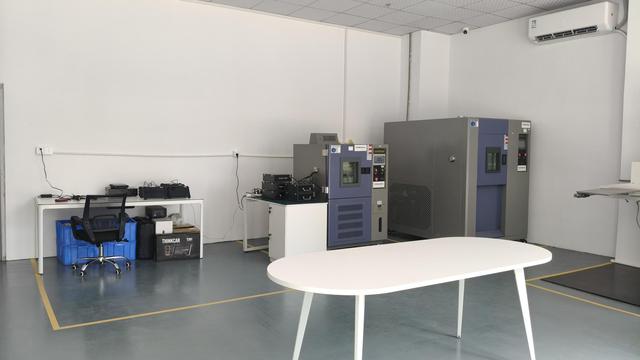
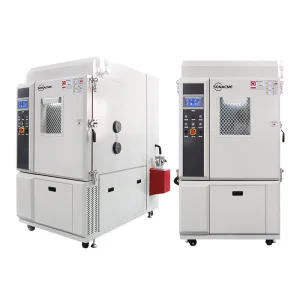
Every device we manufacture undergoes multi-phase stress testing in high-temperature aging chambers, along with automated calibration loops. This ensures stable operation during continuous high-throughput industrial duty cycles before any hardware is shipped to global customers.
In need of specific calibration setups, high-channel capacity diagnostics, or customized OEM/ODM builds? Get in touch with our applications team to receive a detailed technical quote.
Send Inquiry Now Kore Auto