 Kore Auto
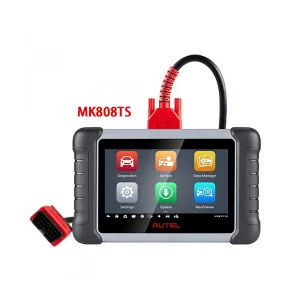
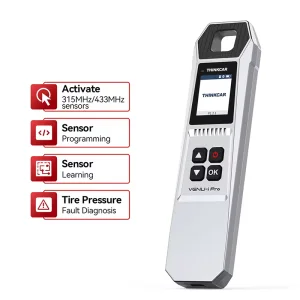
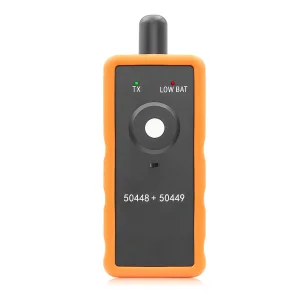
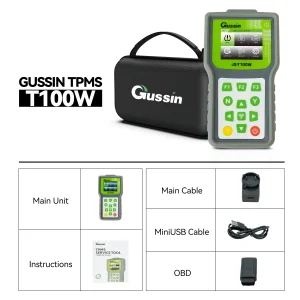
Western Australia, with Perth as its commercial heartbeat, represents one of the most demanding operational environments in the world. The geography is massive, stretching into remote mining zones like the Pilbara and Goldfields. Because of this, TPMS (Tire Pressure Monitoring System) diagnostic tools have transitioned from standard shop tools into mission-critical safety hardware. These tools are vital for maintaining heavy transport vehicles, high-capacity mining trucks, off-road support vehicles, and the massive regional transport networks that link WA with the rest of the continent.
Tires operating under extreme temperatures (often exceeding 45°C ambient in regional WA) experience rapid pressure fluctuation and compound stress. Over-inflated or under-inflated tires on heavy haulage road trains can result in catastrophic blowouts, leading to massive logistics delays, asset destruction, or fatal accidents. Robust TPMS sensors and professional diagnostic equipment are not optional; they are a compliance requirement under the strict Western Australian Work Health and Safety (WHS) laws.
Furthermore, Perth acts as the primary service and distribution node for global resource extraction giants. Companies operating these fleets require TPMS diagnostic platforms that can interface seamlessly with dual-frequency sensors (315 MHz and 433 MHz) and heavy-duty industrial wheel assemblies. From passenger vehicles in suburban Perth to multi-trailer road trains running on unsealed outback roads, the diversity of the local vehicle parc demands a flexible, comprehensive TPMS diagnostic solution.
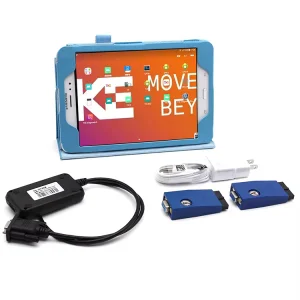
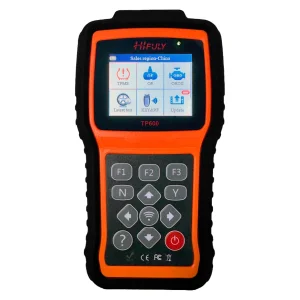
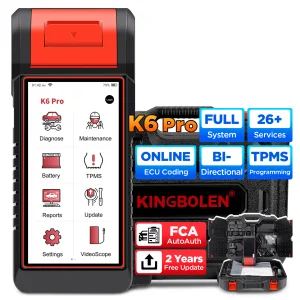
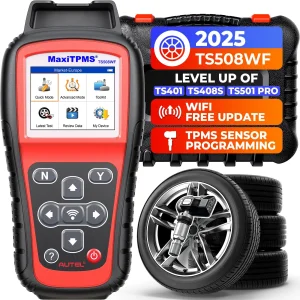
A crucial factor for procurement teams in Perth is ensuring that TPMS diagnostic tools are fully compatible with local spectrum regulations and vehicle manufacturing standards. Australia's automotive landscape is uniquely diverse, featuring a mix of vehicles imported from Japan, Europe, North America, and domestic utility builds. This creates complex protocol requirements.
Automotive TPMS systems globally communicate via Radio Frequency (RF). Historically, the 315 MHz band was widely used in Japanese and American domestic imports, while the 433.92 MHz band is standardized across European vehicles and locally assembled models. In Western Australia, a fleet manager might have a depot containing both European prime movers and Japanese light commercial trucks. A diagnostic tool must support dual-band concurrent operation to enable programming and activation without swap-outs.
| Parameters | 315 MHz Protocol | 433.92 MHz Protocol | Hybrid / BLE Standard |
|---|---|---|---|
| Primary Target Markets | North America, Japan, Parts of Asia | Europe, Australia, UK | Next-Gen Connected Fleets |
| Australian Regulatory Alignment | Approved (LIPD Class Licence) | Standard (AS/NZS 4268) | Compliant via Bluetooth Smart |
| Interference Resistance | Moderate | High (Short Pulse width) | Excellent (Frequency Hopping) |
| Typical Application in Perth | Grey import utilities, older builds | Standard passenger cars, heavy haulage | IoT fleet management, smart logistics |
Modern professional TPMS diagnostic devices resolve these issues by using software-defined radio (SDR) transceivers. These tools permit technicians to select the target frequency dynamically. They can trigger low-frequency (LF) 125 kHz wake-up signals to the sensor, wait for the UHF response on either 315 or 433 MHz, and display data including unique Sensor ID, pressure, temperature, and battery life within milliseconds.
Tire pressure sensors do not work in isolation. When a new sensor is fitted to a vehicle in Perth, the central ECU must be updated with the new ID. For many modern vehicles, this requires a physical OBD-II diagnostic connection. Tools that integrate both RF activation and OBD-II cable connectivity eliminate the need for complicated drive-cycle relearn procedures, saving workshops up to 45 minutes per vehicle serviced.
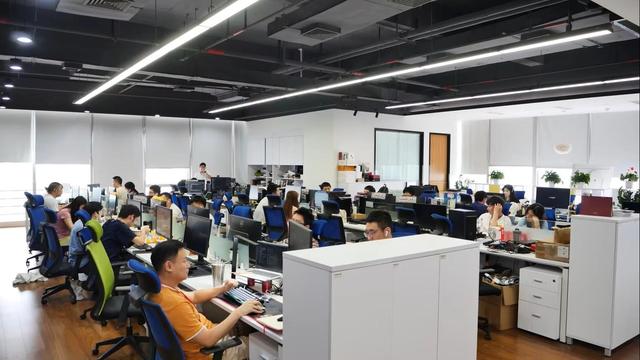
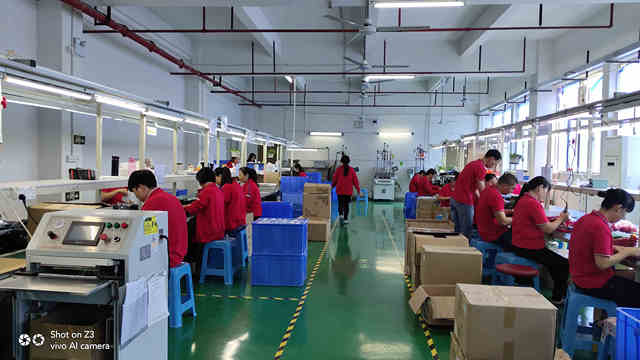
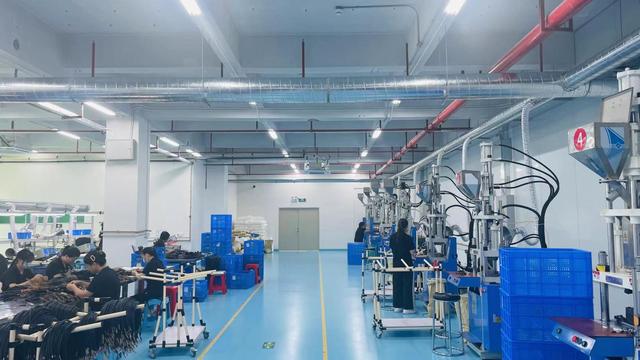
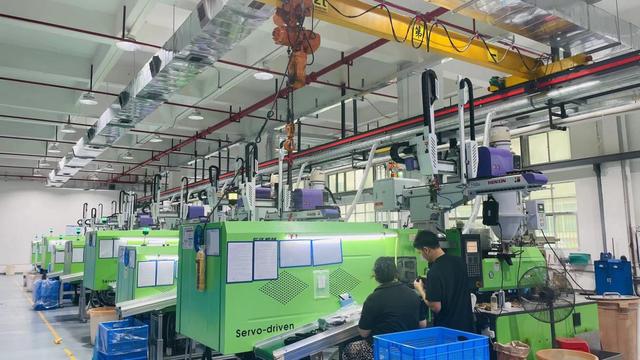
To understand the supply chain reliability of TPMS diagnostic tools in Perth, we look at the core of global manufacturing. Shenzhen Kore Auto Co., Ltd. represents the cutting edge of industrial development in automotive electronics. Acting as a major global supplier and manufacturing partner, Kore Auto bridges the gap between advanced R&D and field application in demanding environments like Western Australia.
Shenzhen Kore Auto Co., Ltd. is a professional China automotive diagnostic tools manufacturer specializing in the development, production, and global supply of advanced vehicle diagnostic solutions for the automotive aftermarket industry. With extensive experience in automotive electronics and diagnostic technology, Kore Auto is committed to delivering intelligent, reliable, and high-performance diagnostic equipment to customers worldwide.
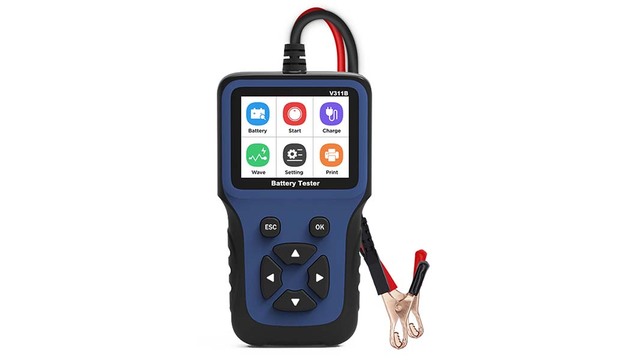
Our comprehensive product portfolio includes automotive diagnostic scanners, OBD diagnostic tools, ECU programming equipment, TPMS diagnostic systems, ADAS calibration equipment, battery testing devices, vehicle inspection systems, automotive oscilloscopes, remote diagnostic platforms, and customized diagnostic solutions. These products are widely used by automotive repair workshops, dealerships, fleet operators, vehicle inspection centers, and maintenance service providers.
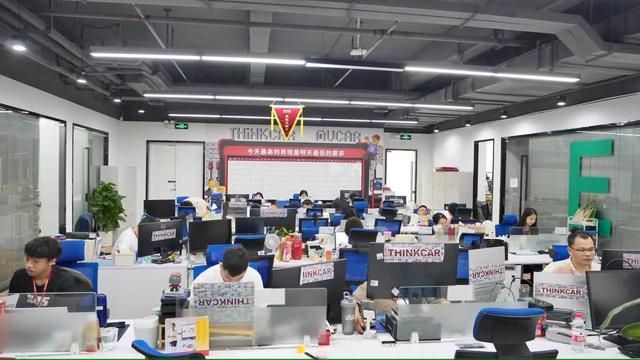
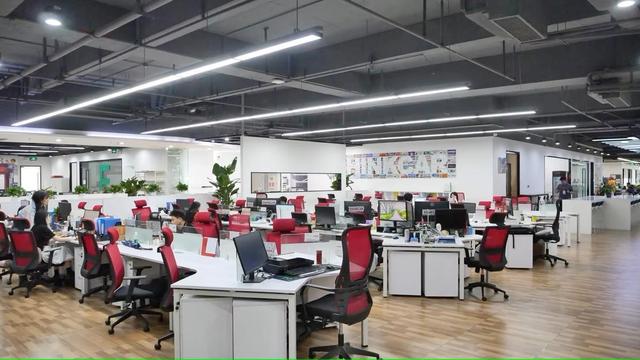
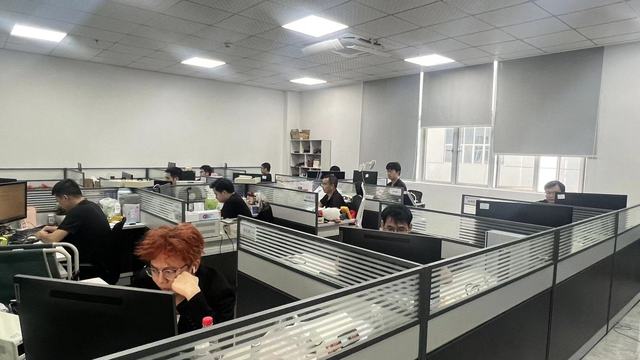
Driven by innovation, Shenzhen Kore Auto continuously invests in research and development to keep pace with the rapidly evolving automotive industry, including electric and connected vehicles. Our experienced engineering team develops cutting-edge diagnostic technologies featuring comprehensive vehicle coverage, fast data processing, intelligent fault analysis, wireless connectivity, and user-friendly software interfaces.
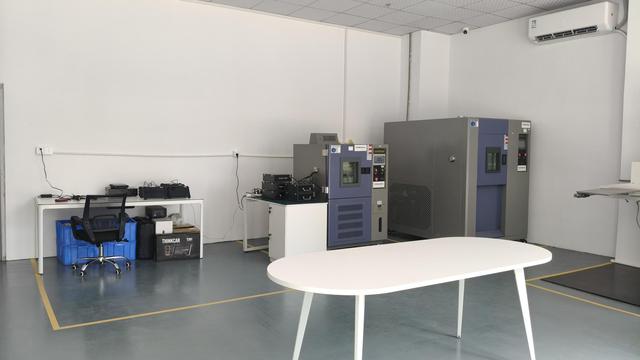
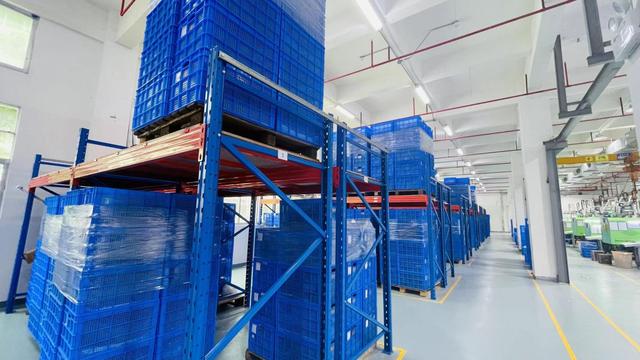
Quality and reliability are fundamental to our success. Every product is manufactured under strict quality control standards and undergoes rigorous testing procedures to ensure stable performance, accuracy, and durability in demanding workshop environments. We also provide flexible OEM and ODM services, helping customers develop customized automotive diagnostic products tailored to specific market requirements. Serving customers throughout Europe, North America, South America, Asia, the Middle East, and Africa, Shenzhen Kore Auto Co., Ltd. has established long-term partnerships with distributors, automotive service providers, and industry professionals worldwide.
As the global automotive market transitions toward electric vehicles (EVs) and autonomous fleets, TPMS technology is evolving quickly. In Perth, where transport operators run long-distance operations, the introduction of next-generation TPMS is bringing massive operational changes.
Tesla and several leading premium EV brands have shifted from legacy RF signals (315/433 MHz) to Bluetooth Low Energy (BLE) systems. This transition provides direct integration with the car's primary infotainment unit and allows over-the-air (OTA) updates. However, BLE TPMS requires diagnostic tools equipped with built-in BLE transceivers capable of establishing secure pairings and reading high-frequency sensor states. Sourcing partners must ensure that their factories produce tools designed to read these newer communication pathways.
Rather than simply checking pressure at scheduled service intervals, heavy fleets in Perth are looking for real-time diagnostic systems. These integrate directly with vehicle telematics systems. TPMS tools now feature Wi-Fi and Bluetooth linkages that sync test data to cloud platforms instantly. Technicians can complete a tire check and upload pressure values directly to the fleet's preventative maintenance database before the vehicle even leaves the bay.
We work directly with mining fleet operators, regional distributors, and workshop networks across Western Australia to supply custom branded, highly-calibrated equipment tailored to regional spec demands.
Connect with our R&D Team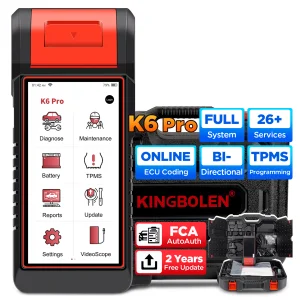
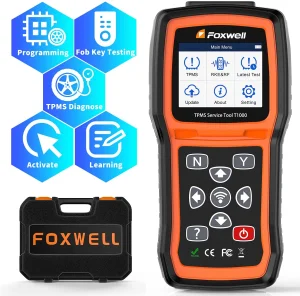
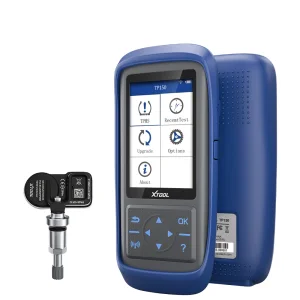
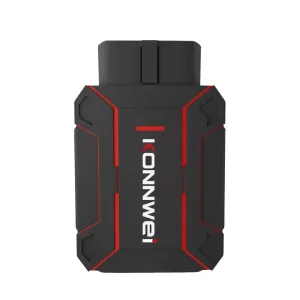
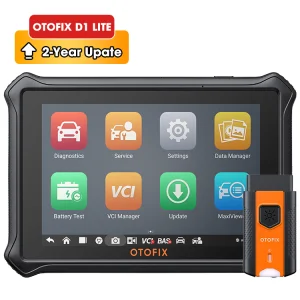
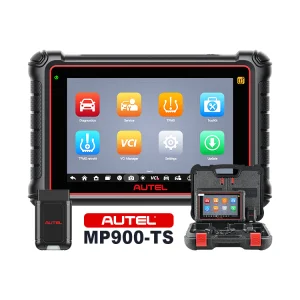
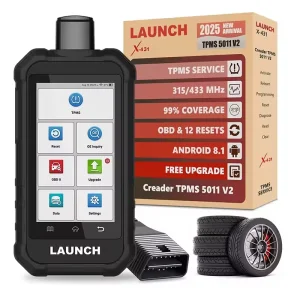
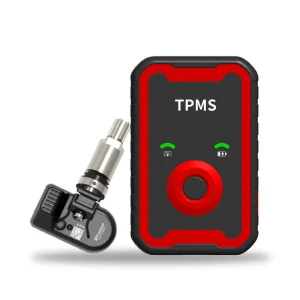
Australia utilizes the 433.92 MHz frequency band as standard for domestic market vehicles and standard imports. However, American grey imports and some legacy Asian models use 315 MHz. Sourcing a dual-frequency tool (supporting both 315 MHz and 433 MHz) is highly recommended for workshops operating in Perth to avoid equipment conflicts.
Sourcing directly from our specialized factory in Shenzhen allows distributors to bypass multiple middleman markups. This ensures access to custom OEM brand labels, customized software interfaces for the Australian vehicle database, and direct engineering-level support for bulk orders, which is critical for heavy mining vehicle upgrades.
Yes. Specialized industrial firmware versions are designed to read high-pressure heavy-duty sensors that operate up to 150 PSI or higher. Our engineering team can supply tailored diagnostic software databases loaded with OTR (Off-The-Road) vehicle protocols commonly used on Perth mining properties.
Our products comply with relevant global standards, including CE, FCC, RoHS, and can be certified under Australia's Regulatory Compliance Mark (RCM) requirements. This ensures safety, compatibility, and compliance with ACMA (Australian Communications and Media Authority) radio transmission limits.
Contact our technical sales team for comprehensive catalogs, customized bulk quotes, and local compliance standards documentation.
Send Inquiry Now