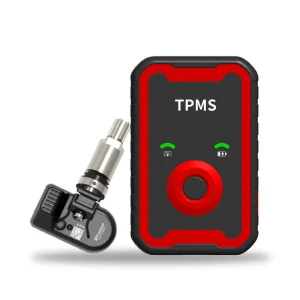
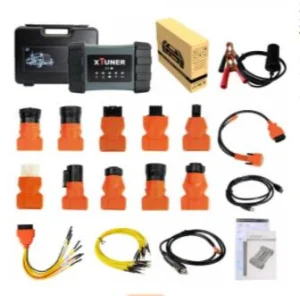
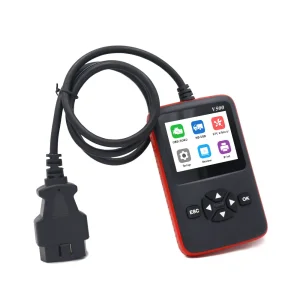
Explore our flagship industrial scan tools, diagnostic tablets, programming stations, and system testing equipment.
In modern automotive engineering and fleet maintenance, the cooling system is the first line of defense against catastrophic thermal failure. From conventional internal combustion engines (ICE) to the sophisticated thermal management architectures of Electric Vehicles (EVs) and Hybrid Electric Vehicles (HEVs), maintaining precise pressure bounds is critical. An undetected cooling system leak, pressure loss, or head gasket failure can quickly escalate into engine seizure, battery runaway, or total system shutdown.
This industrial whitepaper explores the critical importance of utilizing CE Certified Radiator Pressure Testers, evaluates the current state of global procurement, examines the production efficiencies of major manufacturing hubs, and highlights the technical developments driving next-generation cooling loop diagnostic tools.
The global market for automotive workshop diagnostics is experiencing rapid technical divergence. On one end, digital code scanners have integrated deeply into the repair process, identifying ECU faults and sensor anomalies. On the other end, structural, mechanical test systems—such as radiator pressure testers—remain indispensable. You cannot diagnose a hairline radiator crack, a faulty header tank cap, or a deteriorating hose clamp solely with an OBD2 scanner; physical pressure decay testing is required.
Industries worldwide (transit agencies, heavy-duty logistics fleets, agricultural equipment services, and commercial automotive workshops) rely on multi-vehicle radiator pressure testing kits. Sourcing these kits requires strict adherence to international quality benchmarks, specifically CE certification under the European Pressure Equipment Directive. Suppliers who conform to these directives ensure their testing manifolds, hand pumps, and adapters can handle sustained pressures of up to 35 PSI (2.5 Bar) without structural failure, guaranteeing operator safety and diagnostic precision.
CE Certification is not merely a bureaucratic stamp; it is a declaration of compliance with rigorous safety and performance guidelines. In pressure testing applications, failure of the tester itself can lead to pressurized coolant spraying at high temperatures (up to 120°C in real-world scenarios), presenting a severe safety hazard to technicians.
CE certification (governed by standards such as EN 13136 and related pressure gauge metrics) confirms that:
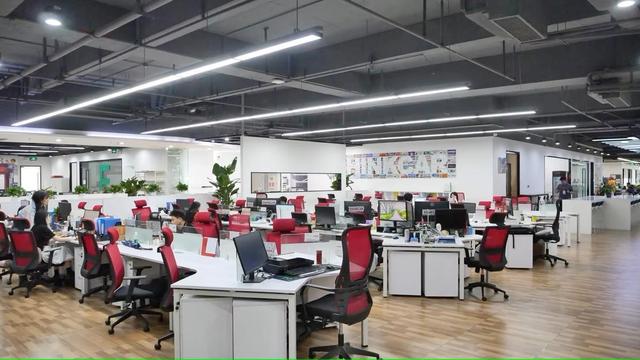
Shenzhen Kore Auto Co., Ltd. represents the cutting edge of manufacturing efficiency. By positioning production in Shenzhen, the silicon valley of automotive electronics and precision tooling hardware, Kore Auto leverages the world's most robust electronics and component supply chain. This concentration of raw material processors, CNC micro-machining centers, and high-precision calibrators translates into direct procurement advantages for our global clients.
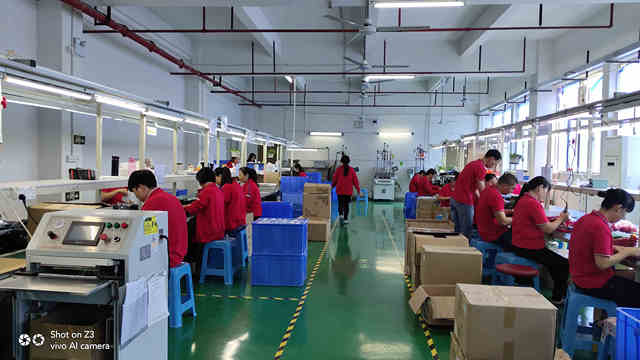
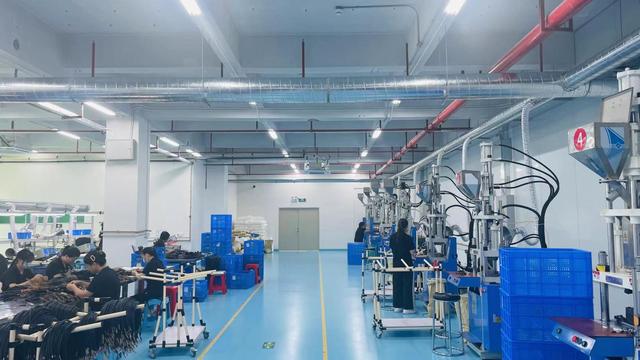
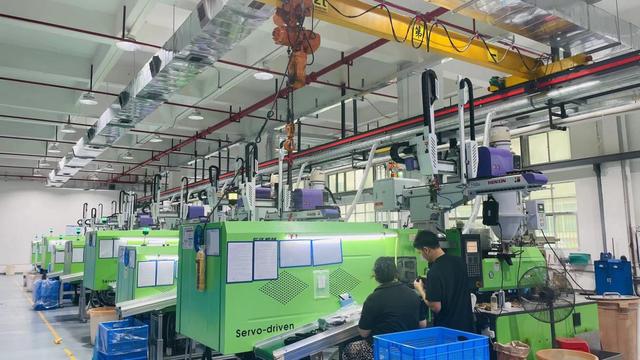
Our factory processes are structured around modern Lean Manufacturing systems. Rather than operating in isolated silos, Kore Auto utilizes vertical integration. We control everything from the development of customized composite materials for radiator testing adapters to the high-tolerance machining of aluminum test caps. This localized manufacturing agility allows us to adapt to newly released vehicle coolant tank designs within weeks, rather than years.
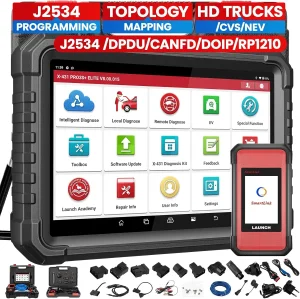
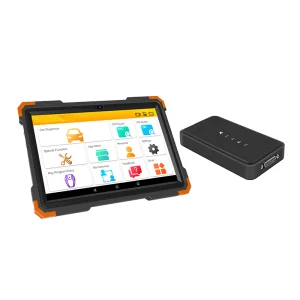
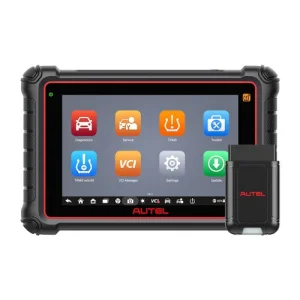
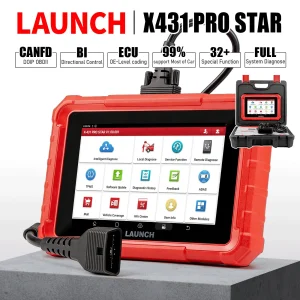
Furthermore, because our diagnostic division spans OBD2 scanners (such as the Launch X431 or Autel MaxiPRO families), ECU programmer tools, and ADAS alignment boards, we bring an integrated systems perspective to cooling diagnostics. Our design philosophy bridges the physical testing tool with the electronic workshop environment, helping automotive workshops build more productive workflows.
Automotive cooling system diagnostic requirements vary considerably by region, climate, and fleet profile. Here are the core application scenarios where CE Certified Radiator Pressure Testers are essential:
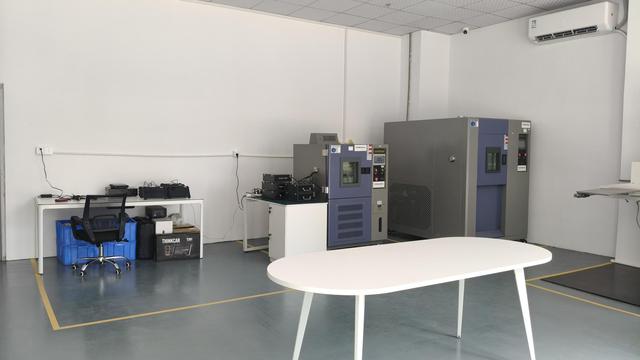
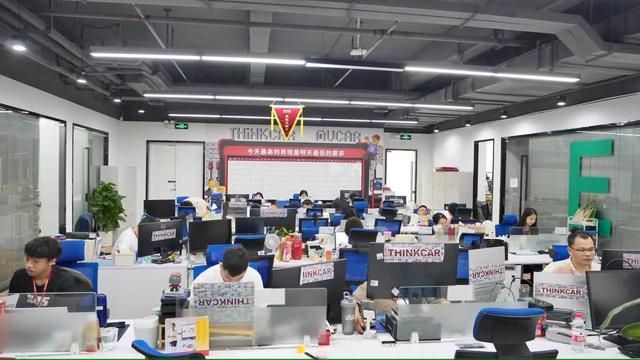
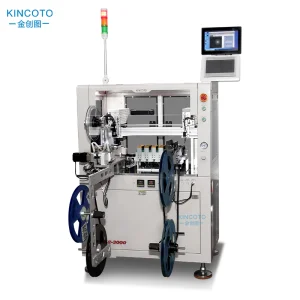
Inside Shenzhen Kore Auto Co., Ltd.'s manufacturing labs, where precision quality controls meet advanced diagnostic design.


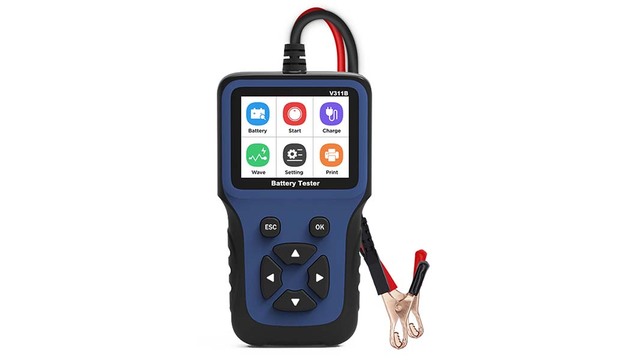
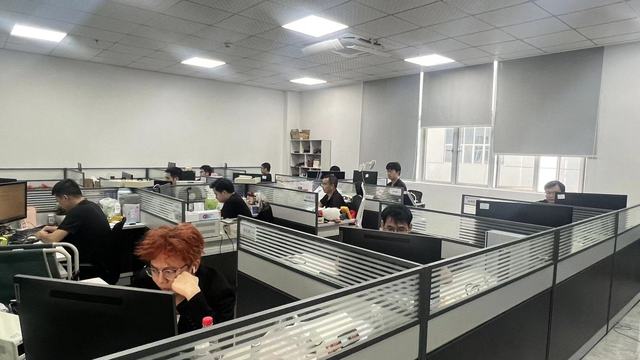
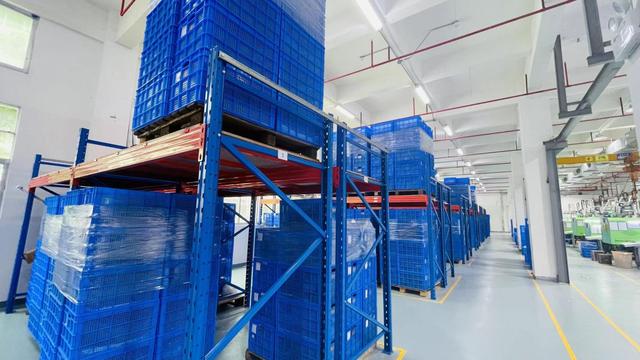
The radiator pressure testing sector is shifting from basic mechanical analog pumps to integrated digital systems. As automotive electronics become more sophisticated, several key innovations are emerging:
When sourcing CE Certified Radiator Pressure Testers from China, professional buyers should evaluate suppliers based on key quality and operations criteria:
Get answers to technical and operational questions about radiator pressure testers, compliance, and workshop integration.
Our complete line of diagnostic, programming, and workshop tools, serving automotive businesses worldwide.
 Kore Auto