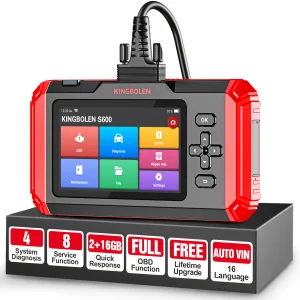
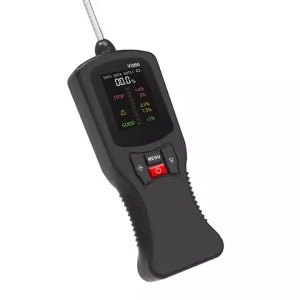
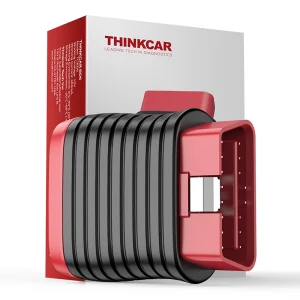
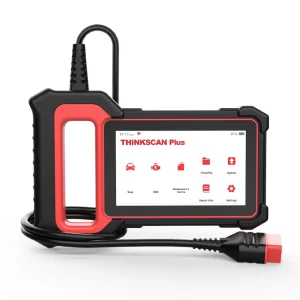
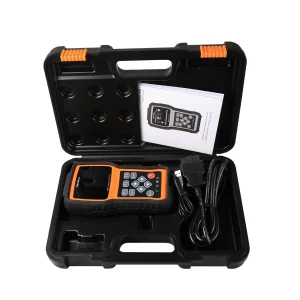
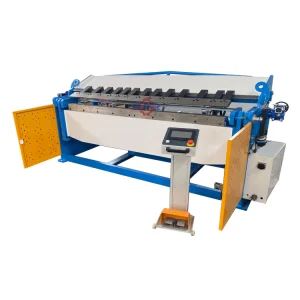
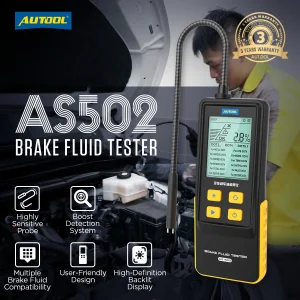
Explore our primary selection of certified brake system scanners and thermodynamic fluid detectors custom-configured for multi-brand workshops operating in the Jakarta Metropolitan Area (Jabodetabek), Surabaya, and regional logistics hubs.
As Southeast Asia’s largest economy, Indonesia’s automotive market is undergoing an unprecedented expansion. Backed by massive urbanization, infrastructure developments like the Trans-Java and Trans-Sumatra toll roads, and the rapid adoption of new energy vehicles (NEVs), vehicle complexity is skyrocketing. However, Indonesia's unique atmospheric conditions—marked by sustained ambient relative humidity of 70% to 95% and average daily temperatures hovering between 26°C and 34°C—pose severe challenges to hydraulic braking components and electronic control systems. High humidity accelerates moisture absorption in glycol-based brake fluids (DOT 3, DOT 4, and DOT 5.1), reducing the boiling point of the fluid and leading to dangerous vapor locks, especially in heavy traffic and during steep descents in regional areas like Puncak, West Java, or Batu, East Java.
Furthermore, commercial logistics networks running long-haul routes across the archipelago face extreme mechanical stress. Brake systems are subjected to constant stop-and-go cycles in dense urban environments (Jakarta, Surabaya, Medan), alongside high-payload highway cruising. To ensure public safety and minimize fleet downtime, local commercial fleet operators and independent repair garages require high-precision Brake System Diagnostic Tools that comply with international performance indicators and accommodate Indonesian operational realities.
Modern electronic brakes rely heavily on feedback loops between the electronic control unit (ECU), anti-lock braking systems (ABS), electronic stability control (ESC), and traction control systems (TCS). Diagnosing these complex loops is no longer possible with simple mechanical gauges. Technicians require intelligent scanners that can perform advanced bidirectional tests, clear specific Diagnostic Trouble Codes (DTCs), bleed the hydraulic lines without manual pressure errors, and recalibrate Electronic Parking Brakes (EPB) after pad replacement.
Globally, brake diagnostics have shifted from post-failure repairs to predictive maintenance cycles driven by smart automotive architectures. Globally recognized brands and technical standard organizations (such as SAE International, ISO, and Germany’s TÜV) emphasize that brake efficiency is the foremost metric of road safety. Consequently, advanced brake diagnostic tools must support multi-system diagnostics, displaying live sensor data from wheel speed sensors, master cylinder pressure sensors, steering angle sensors, and yaw rate sensors.
Brake fluid safety testing is based on the fluid's hygroscopic tendency. Over time, moisture ingress through flexible rubber hoses and seals degrades the dry boiling point to wet boiling point levels:
| Brake Fluid Grade | Dry Boiling Point (Min Standard) | Wet Boiling Point (3.7% H2O Limit) | Indonesian Critical Inspection Threshold |
|---|---|---|---|
| DOT 3 | 205°C (401°F) | 140°C (284°F) | Replace if water content > 2.5% |
| DOT 4 | 230°C (446°F) | 155°C (311°F) | Replace if water content > 3.0% |
| DOT 5.1 | 260°C (500°F) | 180°C (356°F) | Replace if water content > 3.2% |
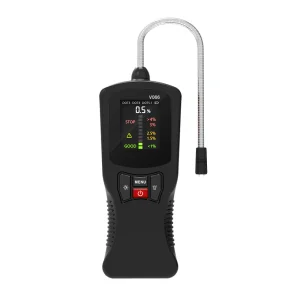
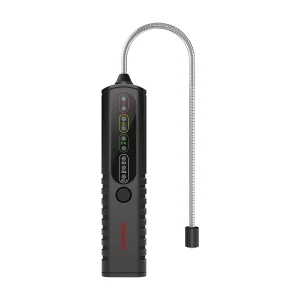
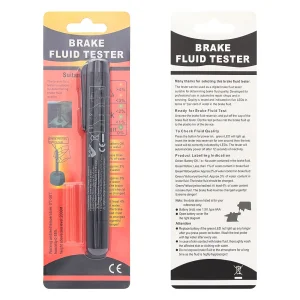
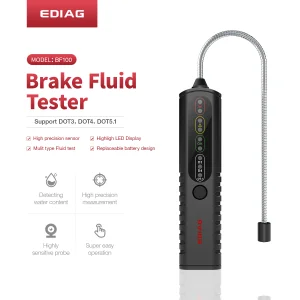
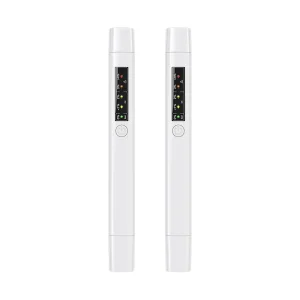
Our digital brake fluid tester pens (like the AS502 and BF100 series) measure the electrical conductivity of the fluid. Because water conducts electricity significantly better than glycol ethers, our tools interpret the conductivity levels and convert them into percentage values of water concentration. This provides instant, actionable warnings through 3-color LED displays, preventing catastrophic brake fade.
The practical deployment of diagnostic equipment differs substantially across Indonesia’s distinct commercial landscapes:
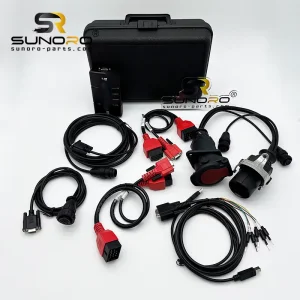
Commercial vehicle transporters carrying heavy consumer goods along the Trans-Java tollway rely on pneumatic (air) and electro-pneumatic brake systems. Our trailer brake scanner kits diagnose trailer brake controllers, ABS actuators, and electronic braking systems (TEBS), ensuring that large multi-axle freight vehicles maintain synchronous deceleration, preventing dangerous jackknifing.
Coal mining operations in East Kalimantan expose vehicle chassis to extreme dust, mud, and water. Diagnostic equipment used here must identify sensor corrosion and cabling breaks in the ABS and hill-descent control systems of off-road dump trucks. Our ruggedized handheld diagnostic scanners are built to withstand these harsh conditions, allowing site mechanics to perform fast field repairs.
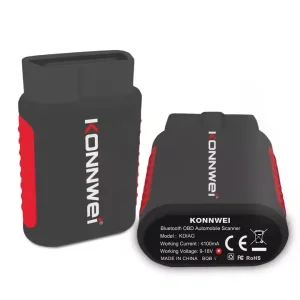
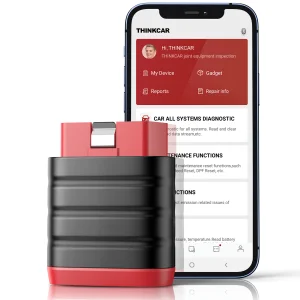
Urban ride-hailing services operate almost continuously in intense city traffic. For these fleets, preventive maintenance is key to minimizing down-time. Small, wireless OBD2 scanners like the Thinkdiag Mini or THINKCAR BD6 allow drivers and workshop coordinators to run quick system scans via their mobile phones, catching ABS and hydraulic issues before they lead to accidents.
Shenzhen Kore Auto Co., Ltd. has established a robust distribution and support framework tailored specifically to the Indonesian market. We understand that importing electronic diagnostic equipment into Indonesia involves navigating complex regulatory requirements, including SNI (Standar Nasional Indonesia) compliance, SDPPI certifications for wireless components, and custom duties processing.
To address these challenges, we work closely with registered importers and direct local distributors to offer streamlined logistics, custom-cleared DDP (Delivered Duty Paid) shipping options, and structured bulk supply agreements. Furthermore, our tools are loaded with multilingual firmware—featuring comprehensive English and Indonesian diagnostic terminologies—to ensure local mechanics can quickly and accurately interpret fault codes and step-by-step troubleshooting routines.
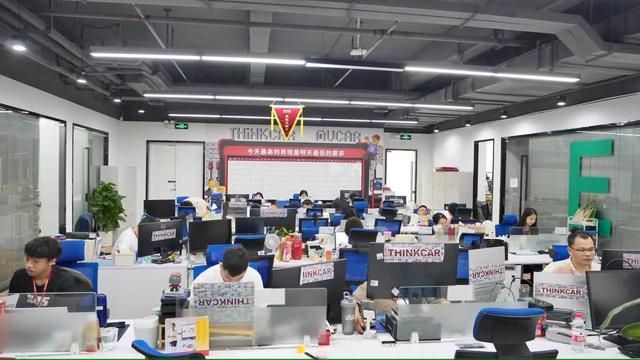
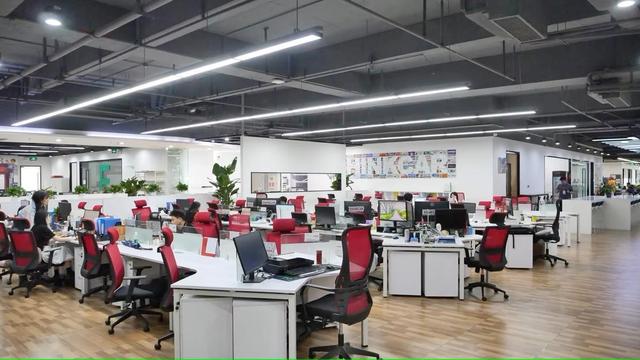
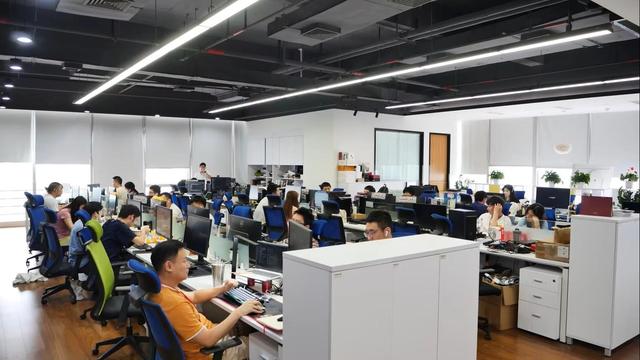
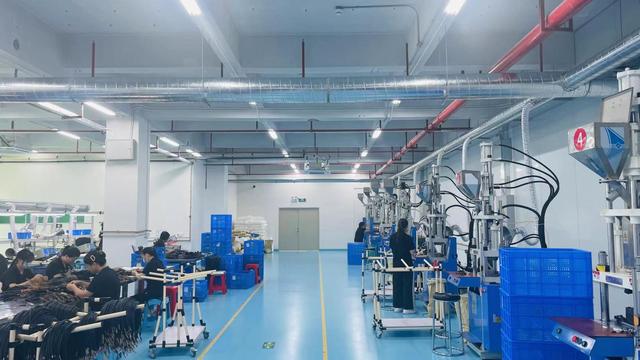
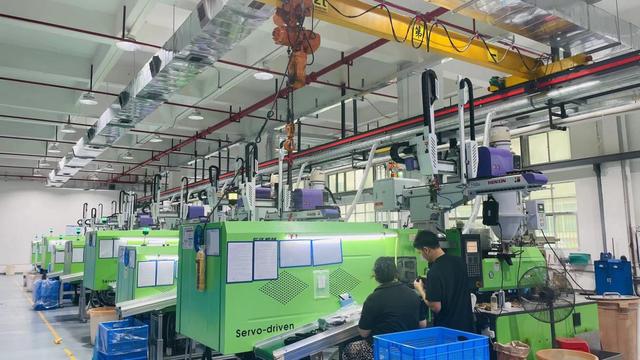
Shenzhen Kore Auto Co., Ltd. is a professional China automotive diagnostic tools manufacturer specializing in the development, production, and global supply of advanced vehicle diagnostic solutions for the automotive aftermarket industry. With extensive experience in automotive electronics and diagnostic technology, Kore Auto is committed to delivering intelligent, reliable, and high-performance diagnostic equipment to customers worldwide.
Our comprehensive product portfolio includes automotive diagnostic scanners, OBD diagnostic tools, ECU programming equipment, TPMS diagnostic systems, ADAS calibration equipment, battery testing devices, vehicle inspection systems, automotive oscilloscopes, remote diagnostic platforms, and customized diagnostic solutions. These products are widely used by automotive repair workshops, dealerships, fleet operators, vehicle inspection centers, and maintenance service providers.
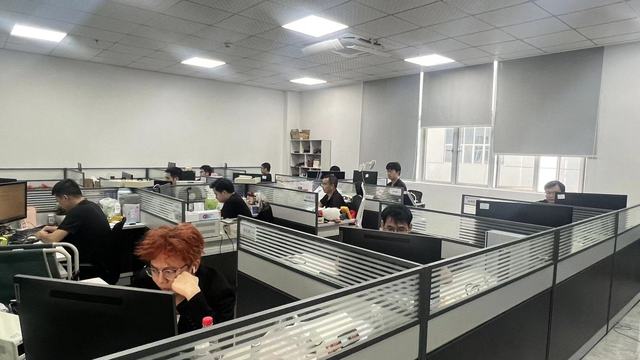
Driven by innovation, Shenzhen Kore Auto continuously invests in research and development to keep pace with the rapidly evolving automotive industry, including electric and connected vehicles. Our experienced engineering team develops cutting-edge diagnostic technologies featuring comprehensive vehicle coverage, fast data processing, intelligent fault analysis, wireless connectivity, and user-friendly software interfaces.
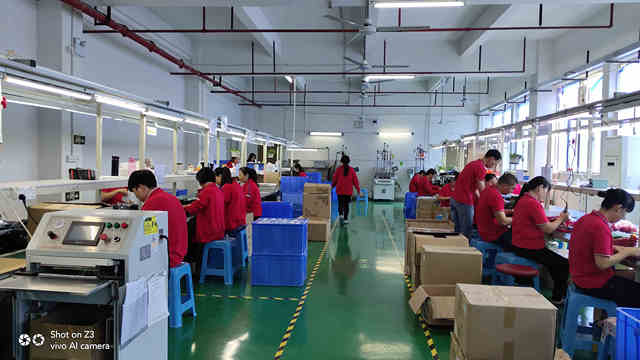
Quality and reliability are fundamental to our success. Every product is manufactured under strict quality control standards and undergoes rigorous testing procedures to ensure stable performance, accuracy, and durability in demanding workshop environments. We also provide flexible OEM and ODM services, helping customers develop customized automotive diagnostic products tailored to specific market requirements.
Serving customers throughout Europe, North America, South America, Asia, the Middle East, and Africa, Shenzhen Kore Auto Co., Ltd. has established long-term partnerships with distributors, automotive service providers, and industry professionals worldwide.
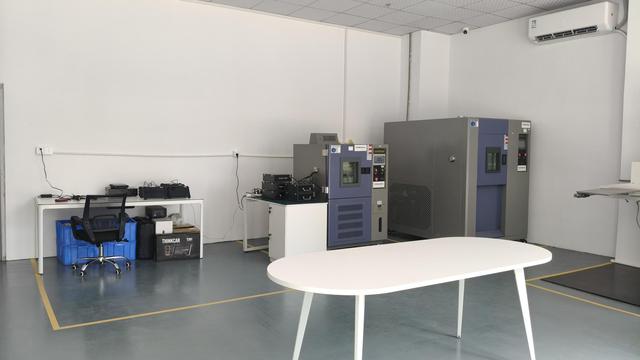

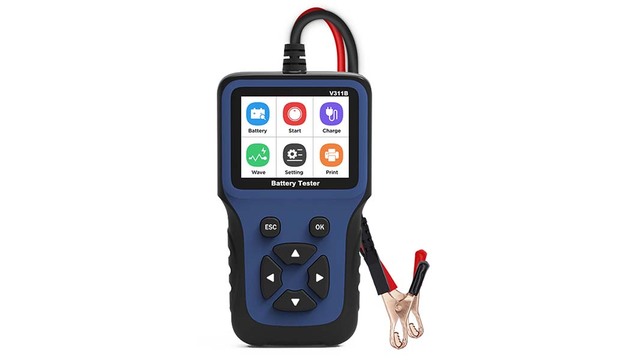
Browse our comprehensive selection of brake fluid testers, full-system diagnostic platforms, and workshop processing equipment. All products are fully compatible with local Indonesian vehicle models from Japanese, South Korean, European, and Chinese manufacturers.
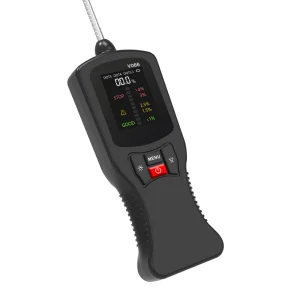
As the automotive industry transitions to electric and connected vehicles, the nature of braking systems is changing. Electric vehicles (EVs) utilize regenerative braking systems alongside traditional friction brakes. In these setups, the electric motor acts as a generator during deceleration, converting kinetic energy into electricity to recharge the battery. This reduces wear on the physical brake pads but makes diagnosing issues much more complex.
In regenerative systems, the friction brakes and regenerative brakes must work together seamlessly to provide smooth deceleration. Diagnostics for these systems require checking the communication between the hybrid/EV controller and the ABS/ESC modules. Our next-generation diagnostic platforms are designed to handle these complexities, providing complete coverage for high-voltage isolation tests, brake pedal travel sensor calibrations, and system bleed procedures for the latest EV models.
Our research and development team is focused on bringing cloud-enabled, real-time diagnostic systems to workshops across Indonesia. By uploading vehicle system scans to a cloud database, workshops can access predictive maintenance analytics. This helps identify potential braking system issues before any warning lights appear on the dashboard, making maintenance more proactive and reducing unexpected vehicle downtime.
Get in touch for wholesale pricing, custom OEM/ODM configurations, and localized shipping support for the Indonesian market.
Send Inquiry Now Kore Auto