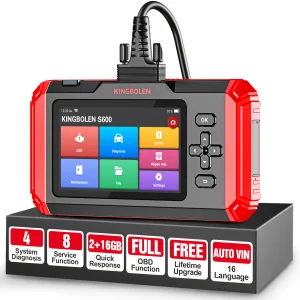
The Sultanate of Oman presents a unique operating ecosystem for automotive, logistics, and heavy machinery operations. With massive logistic networks connecting the Port of Salalah, the Port of Sohar, and the Special Economic Zone at Duqm (SEZAD), commercial fleet uptime is critical to national supply chain performance. The local environment is defined by extreme ambient temperatures exceeding 50°C during summer, high airborne sand salinity along coastal transit routes, and heavy-duty wear on braking systems navigating rugged terrain such as the Al Hajar Mountains.
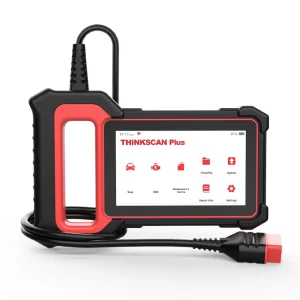
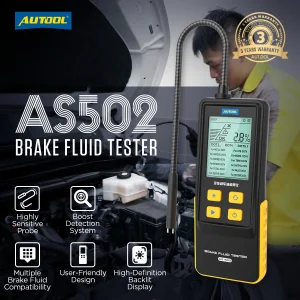
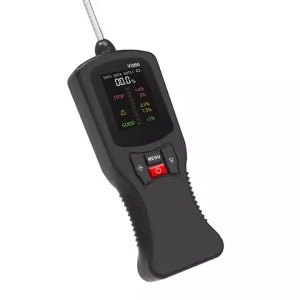
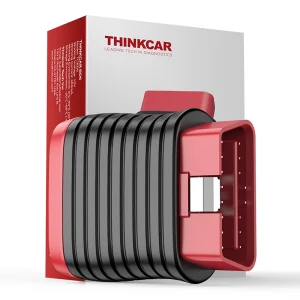
Under these intense conditions, standard vehicle maintenance is insufficient. Brake systems are particularly vulnerable; brake fluid absorbs ambient moisture rapidly in high-humidity coastal zones (like Salalah during the Khareef season), reducing its boiling point and threatening sudden braking failures. Therefore, vehicle safety inspectors, logistics fleets, and independent workshops in Oman require highly specialized diagnostic infrastructure—such as precision Brake Fluid Testers and OBD2 System Scanners—to proactively detect hydraulic line breakdown and actuator errors before vehicles hit public corridors.
Petroleum Development Oman (PDO) enforces rigorous road safety specifications (SP-2000). Commercial vehicles operating within concessions must undergo advanced regular testing, focusing heavily on anti-lock braking systems (ABS), electronic brakeforce distribution (EBD), and brake fluid condition.
Oman's intense summer heat combined with high coastal humidity accelerates the moisture absorption of glycol-based brake fluids (DOT 3, DOT 4, and DOT 5.1). This lowers the equilibrium reflux boiling point (ERBP), resulting in dangerous brake fade. Regular digital testing is mandatory for preventive fleet maintenance.
With massive growth in minerals extraction, oilfield logistics, and dry-bulk freight transportation between Muscat and neighboring GCC states, truck and trailer brake diagnostics have transitioned from static workshops to cellular-connected remote cloud systems.
Engineered to support heavy commercial vehicles, trailers, and passenger cars operating in the GCC region.
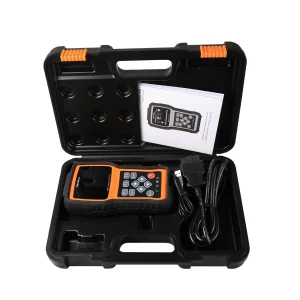
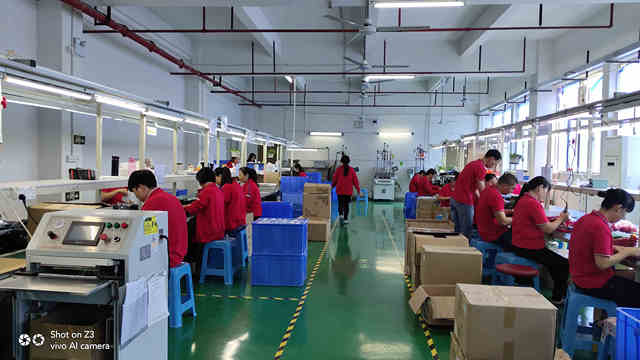
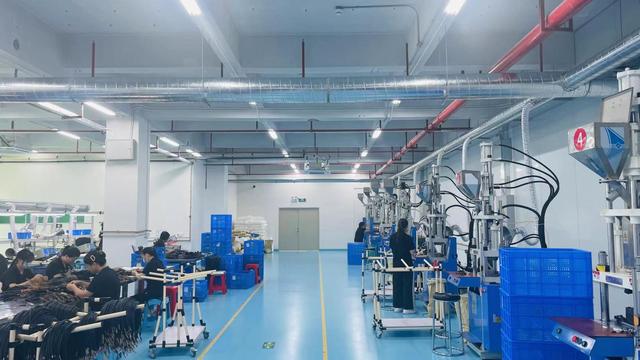
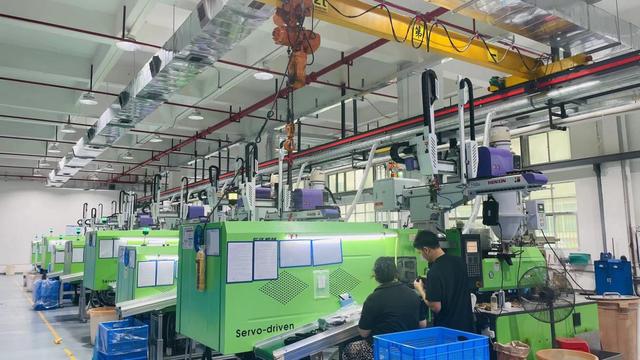
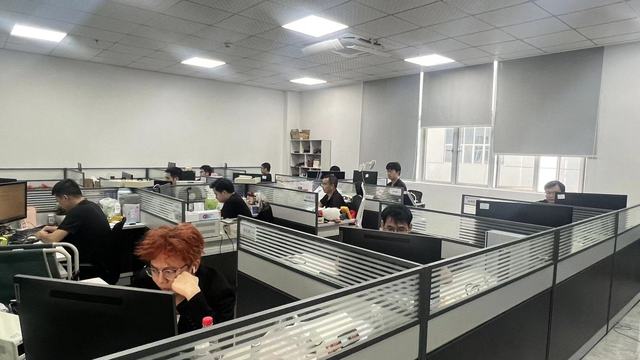
Shenzhen Kore Auto Co., Ltd. is a professional China automotive diagnostic tools manufacturer specializing in the development, production, and global supply of advanced vehicle diagnostic solutions for the automotive aftermarket industry. With extensive experience in automotive electronics and diagnostic technology, Kore Auto is committed to delivering intelligent, reliable, and high-performance diagnostic equipment to customers worldwide.
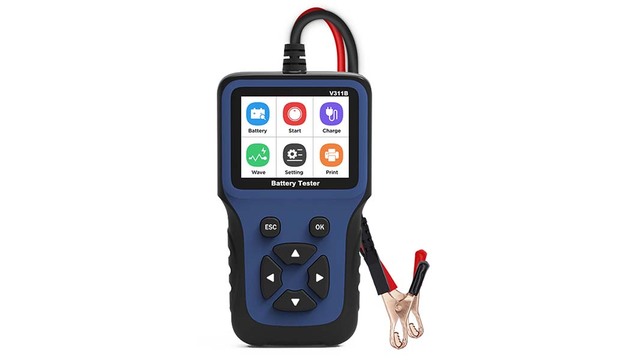
Our comprehensive product portfolio includes automotive diagnostic scanners, OBD diagnostic tools, ECU programming equipment, TPMS diagnostic systems, ADAS calibration equipment, battery testing devices, vehicle inspection systems, automotive oscilloscopes, remote diagnostic platforms, and customized diagnostic solutions. These products are widely used by automotive repair workshops, dealerships, fleet operators, vehicle inspection centers, and maintenance service providers.
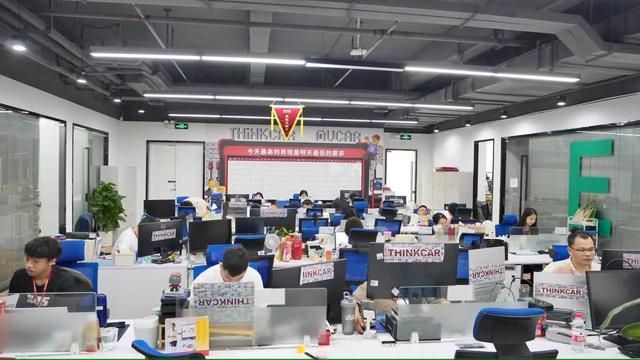
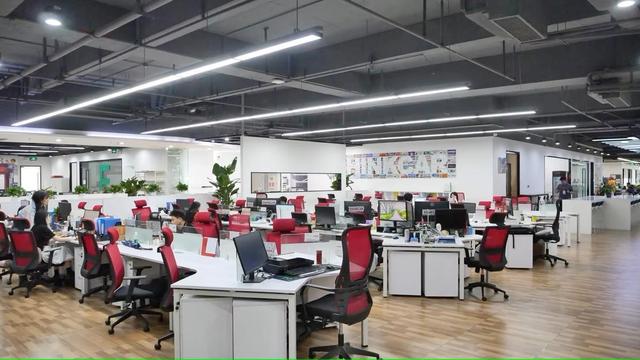
Driven by innovation, Shenzhen Kore Auto continuously invests in research and development to keep pace with the rapidly evolving automotive industry, including electric and connected vehicles. Our experienced engineering team develops cutting-edge diagnostic technologies featuring comprehensive vehicle coverage, fast data processing, intelligent fault analysis, wireless connectivity, and user-friendly software interfaces.
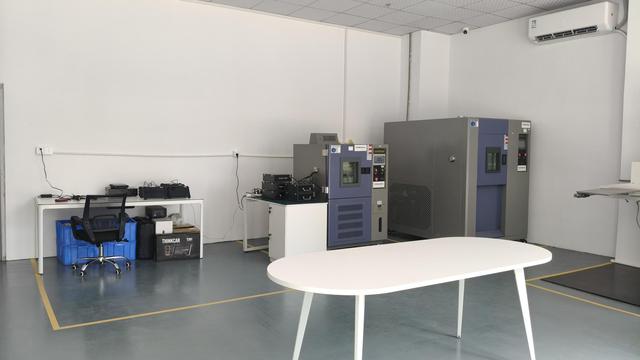
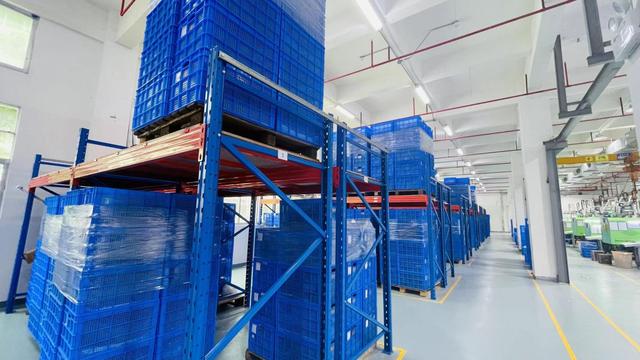
Quality and reliability are fundamental to our success. Every product is manufactured under strict quality control standards and undergoes rigorous testing procedures to ensure stable performance, accuracy, and durability in demanding workshop environments. We also provide flexible OEM and ODM services, helping customers develop customized automotive diagnostic products tailored to specific market requirements.
Serving customers throughout Europe, North America, South America, Asia, the Middle East, and Africa, Shenzhen Kore Auto Co., Ltd. has established long-term partnerships with distributors, automotive service providers, and industry professionals worldwide.


How evolution in remote telematics, heavy machinery braking, and EV systems impact Gulf operations.
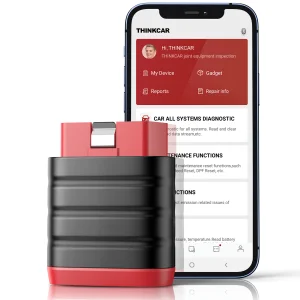
Historically, mechanics had to connect handheld OBD2 units directly to a vehicle's port inside the shop. Globally, the industry is transitioning to SaaS-enabled remote diagnostics, allowing fleet managers in headquarters (e.g., Muscat) to monitor ABS fault codes and system health of oil field trucks operating hundreds of kilometers away in the deserts of Fahud or Nimr.
Vehicle braking systems are subject to immense thermal stress. Heavy commercial trailers hauling bulk material between Sohar Industrial Port and Muscat rely on pneumatic and hydraulic systems. The integration of trailers' ABS/EBS with centralized telematics is standardizing global compliance, preventing highway brake failures caused by fluid boiling or solenoid seizures.
As Oman drives its national policy towards decarbonization and electric vehicle adoption, diagnostic parameters are changing. Modern electronic braking systems (Brake-by-Wire) require smart digital programmers and testers that can communicate with high-voltage battery control modules and regenerative brake controllers.
Why major fleets and distributors in Muscat, Sohar, and Salalah trust Kore Auto's hardware and software platforms.
Within the oil, gas, and mineral sectors in the Dhofar and Wusta regions, heavy vehicle combinations operate round-the-clock. To ensure absolute compliance with PDO and Omani transport authorities, fleet operators require specialized trailer brake scanner tools and diagnostic software capable of resetting ABS codes, monitoring wear sensors, and testing brake pressure lines.
Our macroscopic solutions cover:
Traditional diagnostic tools often fail in the Middle East due to touch screen degradation under intense sunlight, dust infiltration blocking OBD ports, and battery expansion from elevated cabin temperatures.
Kore Auto implements Gulf-tailored hardware protection:
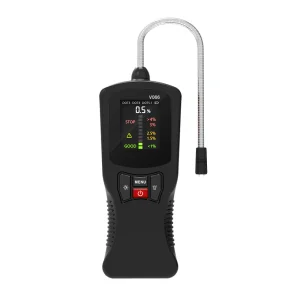
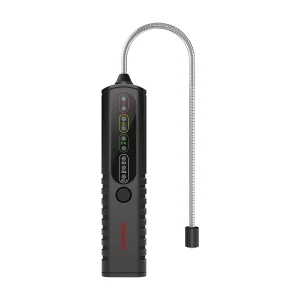
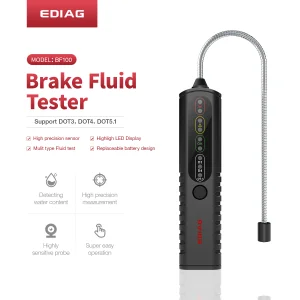
Precision instrumentation designed for automotive workshops, transport fleets, and regional safety regulators.
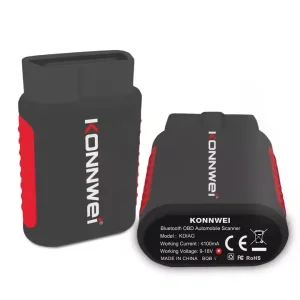
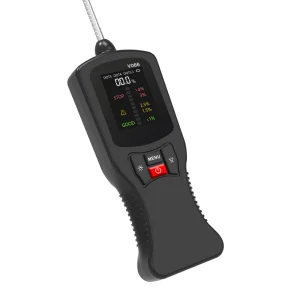
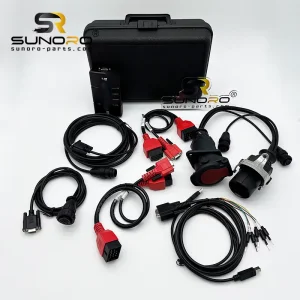
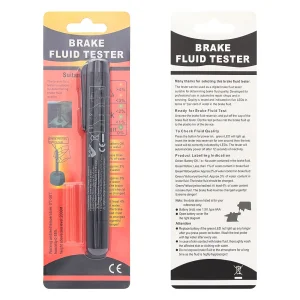
Phase 1: Deep Heat Tolerant Sensors (Near-Term)
Development of diagnostic modules that function in continuous 55°C operating parameters, ensuring zero hardware communication dropped frames under heavy direct desert sunlight.
Phase 2: Hybrid AI Edge Diagnosis (Mid-Term)
Integration of predictive AI directly within the diagnostic hardware. Scanners will analyze OBD error codes, historical local operational cycles, and environmental data to recommend repair routes before mechanical failure.
Phase 3: Connected Smart Highway Integration (Long-Term)
Dynamic remote scan units communicating with logistics hubs over 5G and satellite networks, feeding structural and hydraulic brake indicators straight to central transportation portals in Muscat.
Oman's mountainous road networks, especially descending from Al Jabal Al Akhdar, place severe loads on heavy freight braking assemblies. Extreme kinetic heat translates directly to high fluid temperature peaks within calipers. Standard tools fail to record transient pressure dips or fluid moisture changes during vehicle operation. Kore Auto's next-generation systems will incorporate real-time temperature logs and sensor feeds to track how regional heat affects pneumatic brake response.
Furthermore, local workshops must modernize to service the rapid influx of electronic braking assemblies. With automated warning systems now standard on modern commercial platforms, workshops require dual-purpose OBD2 systems to calibrate ADAS sensors and reset electronic parking brakes (EPB) after pad replacement.
Speak with an EngineerHigh relative humidity along coastal regions like Muscat and Salalah, combined with intense heat, accelerates moisture absorption in glycol-based brake fluids. When moisture exceeds 3%, the boiling point drops dramatically, risking gas lock and sudden brake system failure. Digital testers verify actual boiling points quickly, preventing catastrophic accidents.
Yes. Our professional scanners query ABS, SRS, ECU parameters, and system readiness indicators to check if the vehicle meets the strict safety performance parameters required for PDO (Petroleum Development Oman) commercial operations and logistics fleet standards.
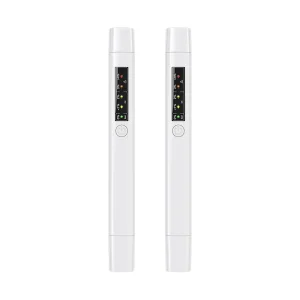
Our digital brake fluid detectors support DOT 3, DOT 4, and DOT 5.1 fluids. Using advanced conductivity and thermal evaluation probes, they deliver precise diagnostic feedback to ensure the fluid is safe for commercial use.
Absolutely. Our 2024 Diagnostic Kit Trailer Brake Scanner Tool is specifically configured for heavy trailer diagnostics, interfacing directly with pneumatic brakes, EBS controllers, and trailer telemetry modules common in regional industrial transport.
Yes. Shenzhen Kore Auto Co., Ltd. provides comprehensive OEM/ODM services. We can customize casing layouts, software languages (including Arabic translation), diagnostic database integration, and brand logos for distributors or fleets across Oman.
Simply click the "Send Inquiry Now" button below, fill out our quick contact form, and our dedicated Gulf region sales representative will reach out with technical brochures, bulk pricing, and export shipment details to Oman.
Whether you are an automotive repair tool distributor in Muscat, a heavy-duty transport manager in Salalah, or a safety compliance officer in Sohar, our technical sales team is ready to assist you.
 Kore Auto